
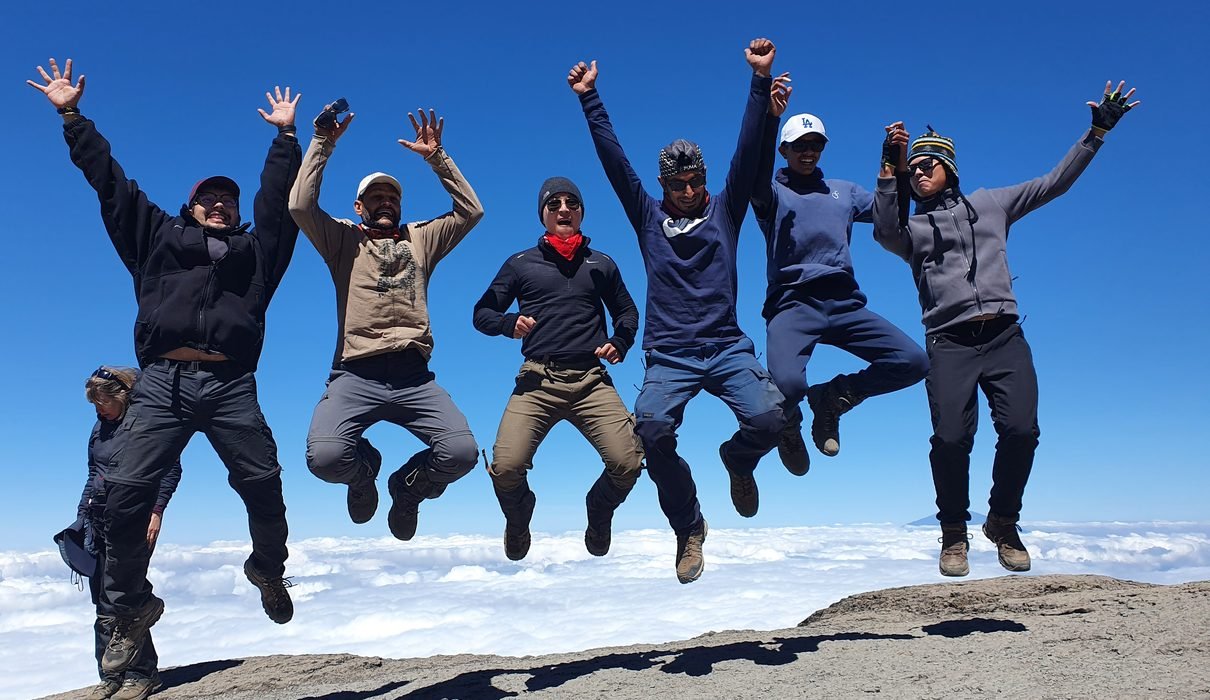
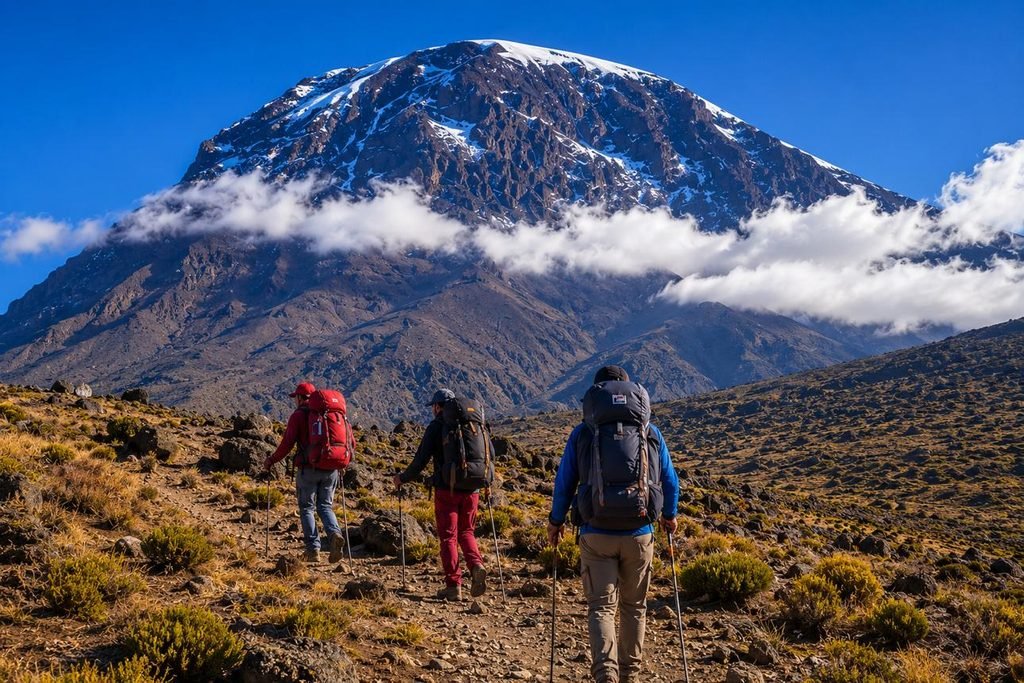
Prepare for Climbing Kilimanjaro is a major personal challenge, and preparing your mind is just as important as preparing your body. Standing at 5,895 metres above sea level, Kilimanjaro is Africa’s highest mountain and one of the world’s most popular high-altitude trekking destinations. Although its established trekking routes do not normally require technical mountaineering skills, reaching the summit involves long walking days, cold temperatures, reduced oxygen availability, and several nights away from everyday comforts.
Many people spend months improving their fitness, purchasing hiking equipment, and researching climbing routes. However, they sometimes overlook the mental challenges they may experience during the expedition. Walking for several consecutive days, sleeping in unfamiliar conditions, dealing with unpredictable weather, and worrying about altitude sickness can affect confidence and motivation. Even physically fit climbers may find certain stages mentally demanding.
The good news is that mental preparation can be developed before traveling to Tanzania. You do not need to be fearless or have previous mountaineering experience to approach Kilimanjaro with a healthy mindset. What matters is understanding the challenge, developing realistic expectations, practicing patience, and learning how to respond calmly when conditions become difficult.
In this guide, Eddy Tours & Safaris explains how to mentally prepare for climbing Kilimanjaro, what emotional challenges to expect, and how to maintain a positive but safety-conscious attitude throughout your journey.
Why Is Mental Preparation Important for Climbing Kilimanjaro?
Mental preparation helps climbers manage the unfamiliar conditions and physical demands of high-altitude trekking. Kilimanjaro is not a race, and reaching the summit depends on several factors, including acclimatization, weather, physical condition, and the decisions made by the climbing team. Being mentally prepared means accepting that some parts of the journey will be uncomfortable and that conditions may change unexpectedly.
During a climb, you may experience moments when you feel tired, cold, frustrated, or uncertain about your ability to continue. These feelings can become stronger during summit night, when climbers normally walk in darkness and freezing temperatures toward the crater rim. Having a realistic understanding of these difficulties can prevent ordinary discomfort from becoming an overwhelming surprise.
Mental strength should never mean ignoring physical warning signs or continuing when your guide advises descent. A well-prepared climber understands the difference between normal trekking discomfort and symptoms that require medical attention. The ability to communicate honestly and make safe decisions is more valuable than forcing yourself to reach the summit at any cost.
1. Understand What Climbing Kilimanjaro Really Involves
The first step in preparing mentally is learning what the expedition will actually be like. Kilimanjaro is often described as a walkable mountain because its standard routes do not require ropes or technical climbing equipment. However, that description can create unrealistic expectations. The mountain is high enough to cause serious altitude illness, and the physical demands increase as climbers approach the summit.
Most established Kilimanjaro itineraries involve approximately five to nine trekking days, depending on the route and schedule. You will walk through rainforest, moorland, alpine desert, and the cold summit environment. Some days may involve relatively short walks, while others require several hours of climbing and descending over rocky or uneven ground.
Before booking, research the daily hiking distances, elevation changes, accommodation arrangements, and summit schedule. Understanding what to expect makes the expedition easier to visualize and helps you prepare for specific challenges rather than worrying about the unknown.
2. Set Realistic Expectations About Reaching the Summit
Reaching Uhuru Peak is an important goal for many climbers, but it should not be the only measure of a successful expedition. Altitude affects individuals differently, and excellent fitness does not guarantee successful acclimatization. Weather conditions, illness, and other unexpected circumstances may also influence whether a climber can continue safely.
A healthier approach is to focus on preparation, daily progress, and following the guidance of your mountain team. You can aim to reach the summit while recognizing that turning around may sometimes be the responsible decision.
Before the climb, remind yourself that the experience includes much more than the final summit photograph. Walking through Kilimanjaro’s changing landscapes, learning about the mountain, and completing demanding trekking days are meaningful achievements in themselves.
3. Build Confidence Through Physical Training
Physical training can also strengthen your confidence. When you regularly complete challenging walks or hikes before your trip, you become more familiar with the effort required to keep moving for several hours. This experience can reduce anxiety about whether you will cope with long trekking days.
Begin with comfortable walks and gradually increase your distance, duration, and elevation gain. Include uphill walking, stair climbing, and hikes over uneven ground whenever possible. Training with the boots and daypack you intend to use on Kilimanjaro can also help you become familiar with your equipment.
You do not need to train until you are exhausted. Consistency is more useful than occasional extreme workouts, and adequate recovery helps prevent injury. The aim is to arrive on the mountain physically prepared and confident in your ability to manage sustained walking.
4. Practice Patience and Walking Slowly
One of the most important lessons on Kilimanjaro is learning to walk slowly. Mountain guides frequently use the Swahili phrase pole pole, meaning slowly, slowly. This approach helps climbers manage effort and avoid unnecessary exertion as altitude increases.
People who are accustomed to walking quickly may initially find the mountain pace frustrating. However, high-altitude trekking is different from an ordinary fitness challenge. Moving too fast can increase fatigue, and no walking pace can eliminate the risk of altitude sickness.
During training, practice maintaining a steady pace rather than trying to complete every walk as quickly as possible. Become comfortable with taking short breaks, drinking water regularly, and following a planned schedule. Patience is a practical skill that can make the expedition more manageable.
5. Prepare Yourself for Summit Night
Summit night is often the most mentally demanding part of a Kilimanjaro climb. Depending on the route, climbers usually begin the final ascent late at night or shortly after midnight. The objective is often to reach the crater rim or summit around sunrise, although actual timing varies according to conditions and individual progress.
You may spend several hours walking in darkness while wearing multiple clothing layers, a headlamp, gloves, and insulated boots. The temperature can be well below freezing, and the reduced oxygen availability makes movement more difficult. Tiredness, uncertainty, and the distance remaining can affect motivation.
Before traveling, visualize what this stage may involve. Imagine walking slowly behind your guide, concentrating on the trail ahead, and taking one section at a time. Rather than thinking continuously about the summit, focus on manageable goals such as reaching the next rest point.
It is also important to understand that summit night is not a test of how much suffering you can tolerate. If you develop concerning symptoms, communicate immediately with your guide and follow their instructions.
6. Learn to Manage Fear and Anxiety
Feeling nervous before climbing Kilimanjaro is normal, particularly if you have never trekked at high altitude. You may worry about altitude sickness, the weather, sleeping in tents, or whether you are fit enough to reach the summit. These concerns often become easier to manage when you identify exactly what is worrying you.
Start by writing down your main concerns and finding practical ways to address them. If you are worried about cold weather, research suitable clothing and test your equipment. If you are concerned about fitness, develop a gradual training plan. If altitude sickness is your main concern, speak with a qualified healthcare professional and understand the symptoms that require attention.
Simple relaxation techniques, such as slow breathing and focusing on the present moment, may help manage ordinary anxiety. However, breathing exercises are not a treatment for altitude sickness and should never be used to dismiss concerning physical symptoms.
7. Choose a Kilimanjaro Route That Supports Your Preparation
Your chosen route can influence both your physical experience and mental confidence. Shorter routes generally provide less time for acclimatization, while longer itineraries may allow a more gradual increase in sleeping altitude. Having additional time can reduce the pressure to make rapid progress, although it does not guarantee that you will avoid altitude-related illness.
The Lemosho Route and Northern Circuit Route are popular choices for travelers interested in longer climbing schedules. The Machame Route offers varied scenery and a more demanding trekking profile, while the Marangu Route provides hut accommodation instead of camping.
The best route depends on your available time, experience, fitness, accommodation preferences, and medical considerations. Discuss these factors with your tour operator rather than choosing solely according to the lowest price or shortest duration.
You can explore our Machame Route Kilimanjaro Itinerary and Marangu Kilimanjaro Climbing Guide for more information.
8. Become Comfortable with Basic Mountain Conditions
For many first-time climbers, the unfamiliar camping environment is as challenging as the walking itself. You may need to sleep in a tent, use basic mountain toilet facilities, wash with limited water, and manage your belongings in a small space. Weather conditions can also make ordinary activities more difficult.
If possible, try camping or spending a weekend outdoors before your Kilimanjaro expedition. Practice organizing your sleeping bag, packing your clothing, and preparing for cold mornings. Becoming familiar with these routines can reduce unnecessary stress once you are on the mountain.
You should also prepare for the possibility of interrupted sleep. Sleeping at altitude may feel different from sleeping at home, and a few uncomfortable nights do not automatically mean that something is seriously wrong. Nevertheless, poor sleep accompanied by headache, nausea, dizziness, or other concerning symptoms should be reported to your guide.
9. Develop a Positive but Realistic Mindset
Positive thinking can help you remain motivated, but it should be based on reality rather than the belief that determination alone will overcome every obstacle. Kilimanjaro requires flexibility, patience, and a willingness to adjust your expectations when conditions change.
Instead of telling yourself that you must reach the summit regardless of what happens, develop more useful statements such as, “I will take each day carefully,” or “I will follow my guide’s advice and communicate how I feel.” These reminders encourage responsible decision-making without creating unnecessary pressure.
A realistic mindset also helps you appreciate progress. Completing a difficult trekking day, adapting to colder temperatures, or successfully managing your equipment can provide encouragement even before you reach the higher camps.
10. Avoid Comparing Yourself with Other Climbers
Every climber responds differently to physical effort and altitude. Some people walk comfortably during the early stages but struggle at higher elevations. Others may move slowly throughout the expedition yet continue steadily with appropriate acclimatization.
Comparing yourself with faster climbers can create unnecessary stress. Kilimanjaro is not a competition, and walking quickly does not demonstrate better preparation or guarantee summit success.
Focus on your own pace, breathing, energy, and health. If you are climbing with friends or a group, encourage one another without pressuring anyone to ignore discomfort or continue when they should stop.
11. Prepare for Changes in Weather and Plans
Mountain weather can change quickly, particularly at higher elevations. A sunny morning may be followed by strong winds, cloud, rain, or cold temperatures. These changes can affect visibility, walking conditions, and the daily schedule.
Mentally prepared climbers understand that flexibility is part of the expedition. Your guide may adjust departure times, recommend additional clothing, or change plans in response to weather or health concerns. Accepting these decisions as normal safety measures can reduce frustration.
Before the climb, avoid developing a rigid expectation of exactly how every day must unfold. A successful mountain expedition depends on responding appropriately to actual conditions rather than following a schedule at any cost.
12. Learn About Altitude Sickness Before Your Climb
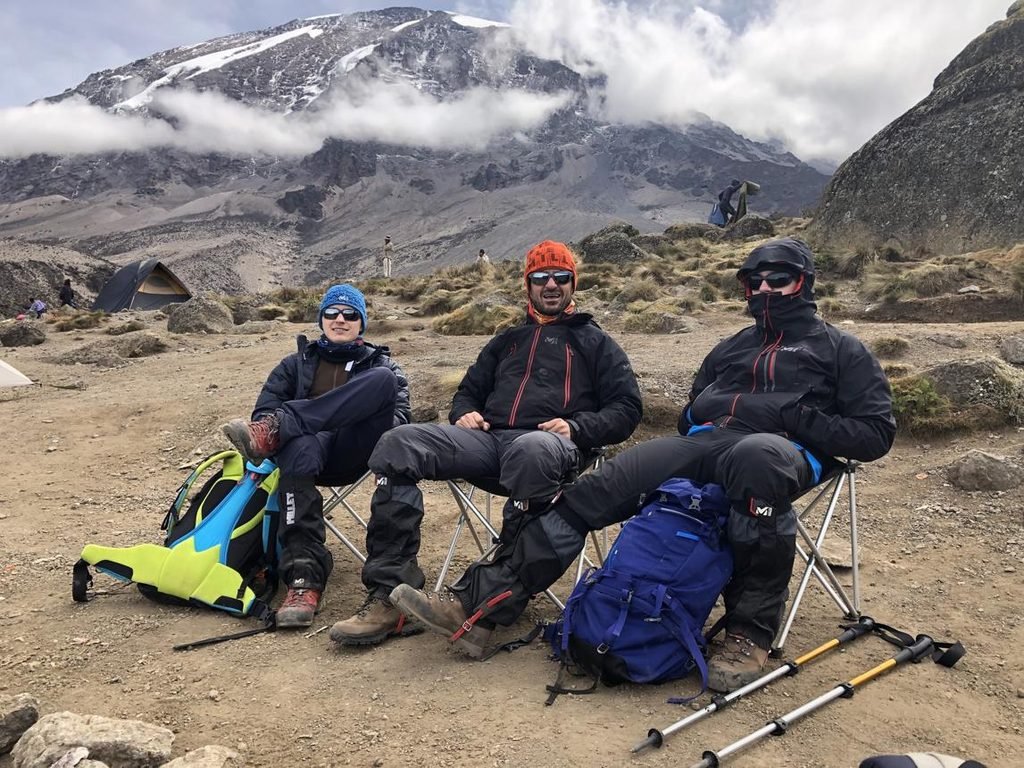
Understanding altitude sickness is essential for mental preparation because it helps you respond calmly and appropriately if symptoms appear. Acute mountain sickness may cause headache, nausea, dizziness, fatigue, or poor appetite. More serious altitude illnesses can affect the brain or lungs and require urgent action.
Do not assume that every symptom is simply part of the challenge. Tell your guide about headaches, nausea, unusual tiredness, changes in coordination, breathing difficulties, or any other concerning changes. Worsening symptoms may require stopping the ascent, descending, and receiving medical care.
Before traveling, consult a qualified healthcare professional about high-altitude trekking and whether preventive medication is appropriate for you. Fitness, confidence, and mental determination do not protect someone from altitude illness.
13. Build Trust with Your Mountain Guide and Support Team
A professional mountain team plays an important role in helping climbers feel comfortable and informed. Guides organize daily trekking activities, monitor health, assess weather conditions, and make decisions about safe progress. Porters and cooks provide essential logistical support throughout the expedition.
During the initial briefing, ask questions about the route, daily schedule, health monitoring, and what to do if you feel unwell. Understanding the team’s responsibilities can reduce uncertainty and help you feel more confident.
Communication should remain open throughout the climb. You should feel comfortable reporting concerns without worrying that the guide will consider you weak or unprepared. Honest communication helps the team make better decisions about your safety.
14. Break the Climb into Smaller Goals
Thinking about the entire mountain can sometimes make the challenge feel overwhelming. Instead of concentrating constantly on Uhuru Peak, divide the expedition into manageable stages.
On the first day, your goal may simply be to reach the campsite comfortably. On another day, you might focus on maintaining a steady walking pace, drinking enough water, and resting after arrival. During summit night, concentrating on the next safe section of trail may feel more manageable than thinking about the total distance remaining.
This approach helps you remain focused on actions you can control. It also allows you to recognize progress without becoming discouraged by how much of the climb remains.
15. Get Enough Rest Before Traveling to Tanzania
Arriving tired and stressed can make the first days of your expedition more difficult. Long flights, unfamiliar surroundings, and last-minute travel arrangements may interfere with sleep and concentration.
Try to complete your equipment shopping, packing, and important travel arrangements well before departure. If your schedule allows, spend at least one night in Moshi or Arusha before starting the climb, with additional recovery time if you have traveled a long distance.
Use the day before the expedition to rest, check your equipment, meet your guide, and prepare mentally for the journey. Avoid exhausting activities immediately before the climb.
16. Accept That Turning Back Can Be the Right Decision
One of the strongest signs of good mental preparation is understanding when not to continue. Reaching Uhuru Peak is a meaningful achievement, but no summit is worth risking your life.
If altitude illness develops, weather becomes dangerous, or your guide determines that continuing is unsafe, descent may be necessary. This decision can be emotionally difficult, particularly after months of preparation and considerable financial investment.
Before starting, make a personal commitment to follow safety advice even if it means ending the climb early. You can be proud of your effort and preparation regardless of whether you reach the summit.
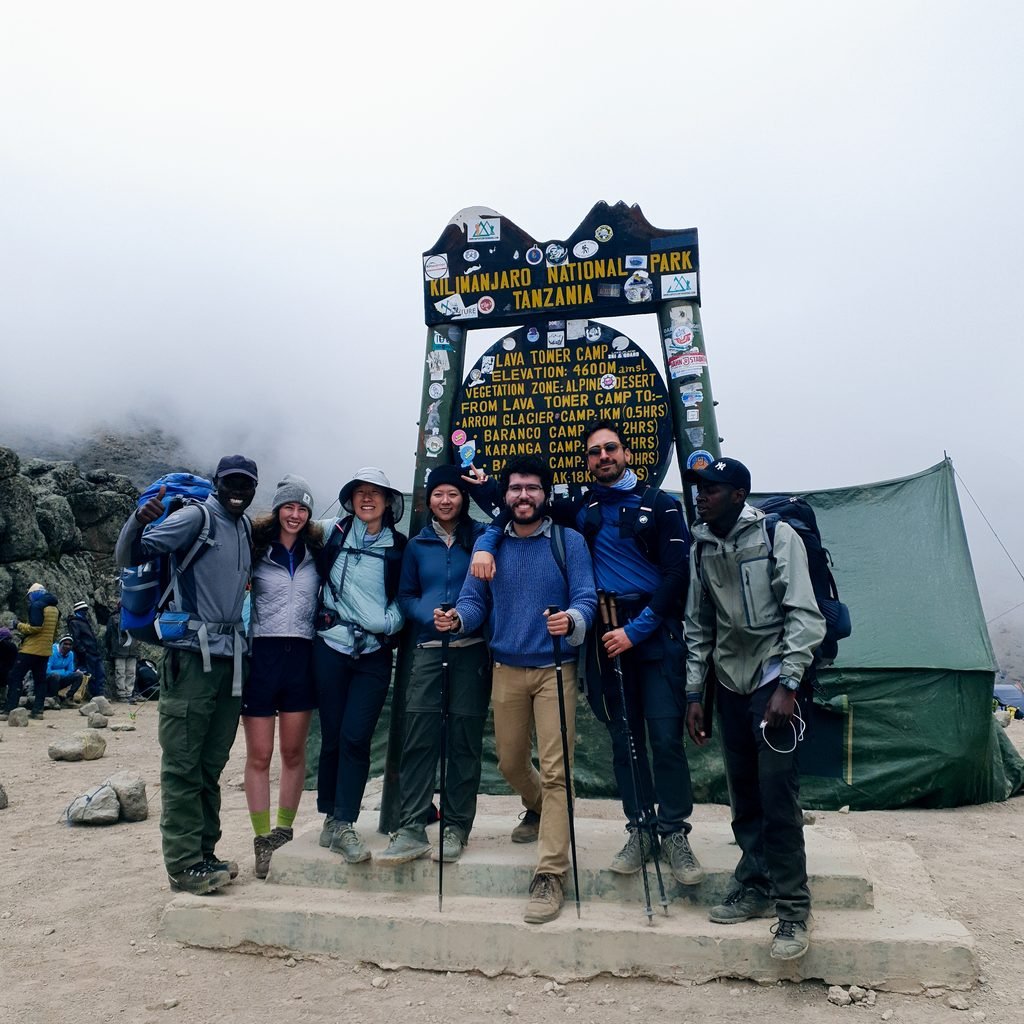
A Four-Week Mental Preparation Plan for Kilimanjaro
Mental preparation works best when it becomes part of your regular training rather than something you think about only before departure. The following plan can be used alongside an established physical training program.
| Period | Mental preparation activities |
|---|---|
| Week 1 | Research the route, understand daily trekking demands, and identify your main concerns |
| Week 2 | Practice patience during longer walks, become familiar with equipment, and learn about altitude safety |
| Week 3 | Complete a challenging but manageable hike, practice maintaining a steady pace, and become comfortable with outdoor conditions |
| Week 4 | Review your packing list, discuss concerns with your guide, arrange travel details, and prioritize rest |
Four weeks can help organize your mental preparation, but adequate physical conditioning may require several months, depending on your starting fitness and experience.
Common Mental Mistakes to Avoid Before Climbing Kilimanjaro
One common mistake is assuming that strong motivation will compensate for inadequate preparation. Determination can help with ordinary discomfort, but it cannot replace acclimatization, suitable equipment, or responsible health decisions. Another mistake is becoming overly focused on summit success rates and comparing your ability with other climbers.
Some travelers also underestimate the importance of sleep, hydration, and communication. Others arrive with unrealistic expectations about weather, accommodation, or the amount of walking involved. Researching the expedition carefully and asking questions before booking can help prevent these problems.
Perhaps the most important mistake to avoid is hiding symptoms because you are afraid of being told to descend. Your safety depends on providing accurate information to your guide, even when doing so may affect your summit plans.
Frequently Asked Questions About Mental Preparation for Kilimanjaro
1. Is climbing Kilimanjaro mentally difficult?
Yes. Long trekking days, altitude, cold weather, unfamiliar accommodation, and summit-night conditions can make the climb mentally demanding.
2. Do I need mountaineering experience?
Technical mountaineering experience is not normally required on standard trekking routes, but hiking experience and appropriate preparation are helpful.
3. What is the hardest mental part of climbing Kilimanjaro?
Many climbers find summit night particularly demanding because of the cold, darkness, altitude, and physical effort.
4. How can I reduce anxiety before the climb?
Research the route, prepare your equipment, train consistently, and discuss your concerns with your guide and healthcare professional.
5. Can positive thinking help me reach the summit?
It can help with motivation and ordinary discomfort, but it cannot prevent altitude sickness or guarantee success.
6. What if I am afraid of altitude sickness?
Learn the symptoms, seek medical advice before traveling, choose an appropriate itinerary, and communicate honestly with your guide.
7. Is Kilimanjaro suitable for someone afraid of heights?
Many sections follow established trekking trails, but some terrain is steep or exposed. Discuss specific concerns with your operator before booking.
8. How do I stay motivated during long trekking days?
Focus on smaller goals, maintain a steady pace, take appropriate breaks, and avoid comparing yourself with other climbers.
9. Should I train alone or with other people?
Both can be useful. Walking alone can build independence, while group hikes can help you become comfortable with shared trekking routines.
10. How important is sleep before climbing?
Rest is important for physical recovery and concentration. Try to arrive in Tanzania with enough time to recover from travel.
11. Can I climb Kilimanjaro if I have never camped?
Yes, depending on the route and your overall preparation. Trying camping beforehand may help you become more comfortable.
12. What should I do if I feel discouraged?
Tell your guide how you feel, assess whether there are physical symptoms, and focus on manageable next steps.
13. Is it normal to feel nervous before summit night?
Yes. Understanding the conditions and preparing suitable equipment can help you approach summit night more confidently.
14. Should I force myself to continue when I feel sick?
No. Report symptoms immediately and follow your guide’s medical and safety instructions.
15. Does a longer route make climbing easier mentally?
A longer route may provide a more gradual acclimatization schedule, but it also means more trekking days and nights on the mountain.
16. Can breathing exercises prevent altitude sickness?
No. Breathing exercises may help ordinary anxiety, but they do not prevent or treat altitude illness.
17. How can I prepare for the cold summit night?
Use appropriate clothing, test your equipment, and understand the expected weather conditions before departure.
18. What if other climbers are faster than me?
Follow your own safe pace. Kilimanjaro is not a competition.
19. What if I cannot reach Uhuru Peak?
You can still value the experience and the progress you made. Health and safety should always take priority.
20. How early should I start preparing?
Several months is sensible for many first-time climbers, especially if they need to improve fitness and hiking experience.
21. Can a professional guide help with confidence?
Yes. A good guide explains the route, monitors your condition, and helps you understand what to expect each day.
22. What is the most important mental preparation tip?
Develop realistic expectations, remain patient, communicate honestly, and be willing to make safe decisions when conditions change.
Prepare for Your Kilimanjaro Climb with Eddy Tours & Safaris
Mentally preparing for Mount Kilimanjaro means understanding the challenge before you begin. It involves developing patience, building confidence through training, becoming comfortable with unfamiliar conditions, and learning how to manage uncertainty without ignoring important safety concerns.
The strongest climbers are not necessarily those who walk fastest or refuse to stop. They are often those who prepare carefully, listen to their guides, respect the effects of altitude, and approach each day with realistic expectations.
At Eddy Tours & Safaris, we help travelers plan guided Kilimanjaro expeditions with suitable routes, professional mountain teams, and practical preparation advice. Whether you are considering the Machame, Lemosho, Marangu, Rongai, or Northern Circuit Route, our team can help you understand the climbing experience and choose an itinerary appropriate for your needs.
Contact Eddy Tours & Safaris to Plan Your Kilimanjaro Climb
WhatsApp: Chat with Our Kilimanjaro Team
Email: sales@eddytours-safaris.com
Start preparing your mind and body early, choose a responsible climbing team, and approach Kilimanjaro with confidence, patience, and respect for the mountain.