
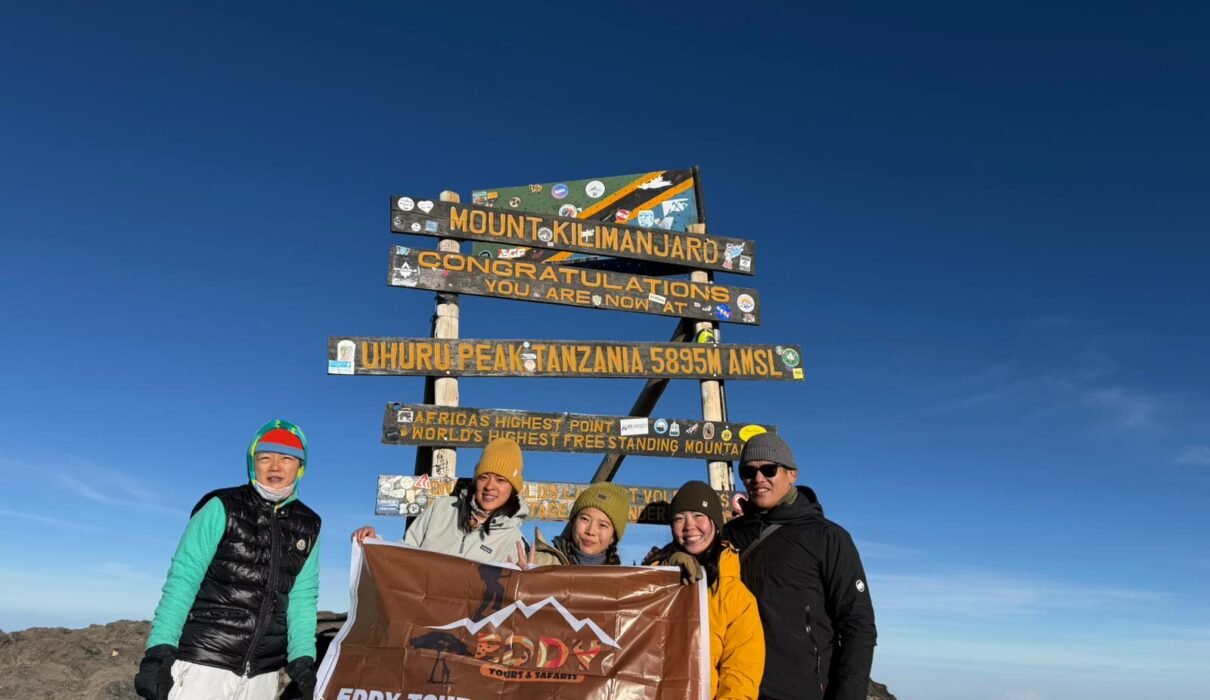
Preparing for High-Altitude Trekking: Essential Tips is the most important step you can take before walking into thin air, freezing nights and long uphill hours on high mountains such as Kilimanjaro and other major trekking destinations. Many trekkers focus on fitness and equipment only, but real preparation is a careful mix of medical awareness, gradual acclimatization, mental readiness and responsible travel behavior that protects both you and the fragile mountain environment.
This practical guide explains how to prepare your body, your mind and your travel plan using real scientific knowledge and conservation guidance. If you are planning your adventure with a trusted local team such as Eddy Tours & Safaris, these preparation principles will help you arrive confident, informed and ready for a safe and meaningful high-altitude journey.
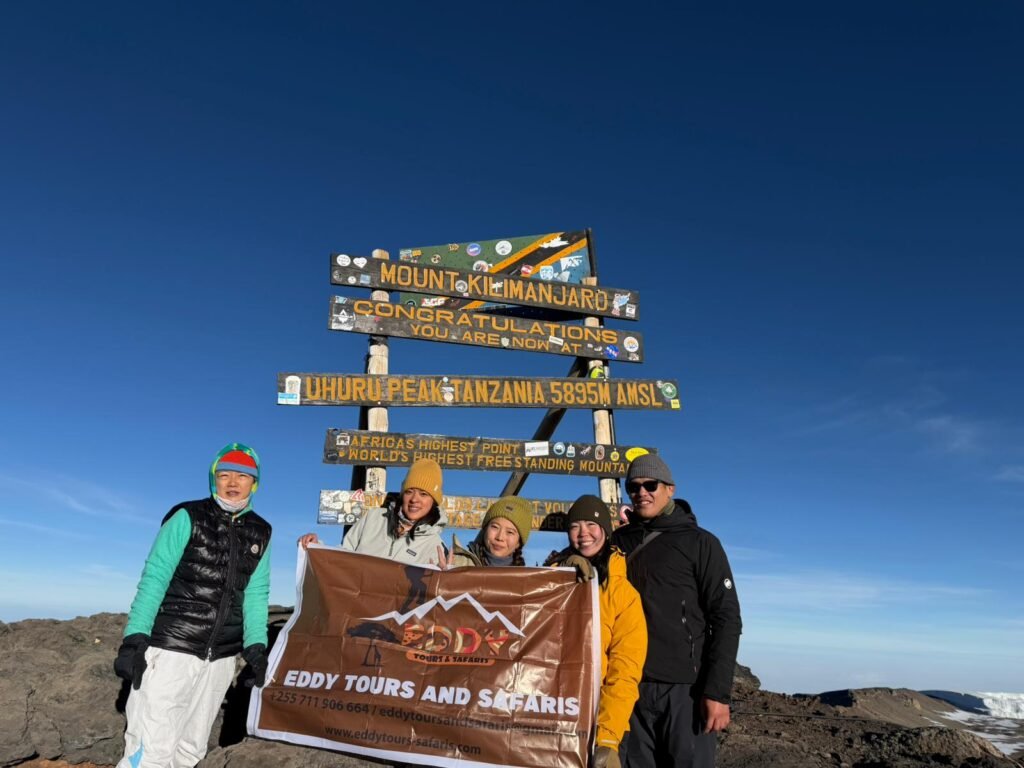
Preparing for High-Altitude Trekking: Essential Tips for understanding altitude and your body
One of the first realities behind Preparing for High-Altitude Trekking: Essential Tips is understanding what happens to your body when oxygen becomes limited. Medical research from the Centers for Disease Control and Prevention and the International Society for Mountain Medicine explains that altitude illness occurs when your body does not adapt fast enough to lower oxygen pressure. Clinical evidence published through the U.S. National Library of Medicine (PubMed) and research collections hosted by the National Center for Biotechnology Information confirm that slow ascent and early symptom recognition dramatically reduce medical risk.
Scientific guidance from Johns Hopkins Medicine and the Cleveland Clinic shows that headache, nausea, dizziness and unusual fatigue should never be ignored at altitude. High-altitude trekking is not a race. Listening to your body and communicating honestly with your guide team protects your health and supports your long-term enjoyment of mountain travel.
Preparing for High-Altitude Trekking: Essential Tips for proper acclimatization planning
True success in Preparing for High-Altitude Trekking: Essential Tips begins with itinerary design. Outdoor safety research promoted by the International Climbing and Mountaineering Federation and leadership models developed by the National Outdoor Leadership School strongly emphasize gradual altitude gain and controlled daily effort. These principles allow your cardiovascular and respiratory systems to adapt safely and steadily.
When you select professionally structured routes such as those offered through Kilimanjaro trekking programs, you benefit from carefully planned rest opportunities, strategic camp placement and realistic daily schedules. These small planning decisions make a very big difference once fatigue and cold begin to affect your concentration and physical performance.
Preparing for High-Altitude Trekking: Essential Tips for hydration and nutrition
A critical but often underestimated part of Preparing for High-Altitude Trekking: Essential Tips is hydration and energy balance. Research published through Frontiers in Physiology and sports health studies available on ScienceDirect show that dehydration and low calorie intake directly increase fatigue, dizziness and poor recovery at altitude.
Nutritional guidance supported by the Food and Agriculture Organization highlights the importance of steady carbohydrate intake, balanced electrolytes and warm meals in cold environments. Simple habits such as drinking small amounts frequently and eating even when appetite drops can protect your energy levels throughout long trekking days.
Preparing for High-Altitude Trekking: Essential Tips for weather and climate awareness
Another essential element of Preparing for High-Altitude Trekking: Essential Tips is understanding how weather and climate influence high mountains. Climate research from NASA Climate and global assessments produced by the Intergovernmental Panel on Climate Change demonstrate that temperature changes, strong winds and sudden weather shifts become more intense at high elevation.
Environmental monitoring supported by the United Nations Environment Programme and ecosystem vulnerability studies coordinated by the International Union for Conservation of Nature show that mountain environments are highly sensitive to climate stress. Preparing flexible travel schedules and proper clothing systems helps you remain safe while also respecting fragile alpine ecosystems.
Preparing for High-Altitude Trekking: Essential Tips for medical readiness and emergency response
Serious preparation means accepting that emergencies can happen. A realistic approach to Preparing for High-Altitude Trekking: Essential Tips includes understanding emergency response systems and evacuation procedures. International emergency preparedness guidance from the International Federation of Red Cross and Red Crescent Societies and operational response principles promoted by the International Red Cross stress the importance of communication equipment, trained personnel and rapid decision-making.
Professional operators follow risk management approaches recommended by the World Bank Disaster Risk Management programme. These systems protect trekkers and staff by ensuring evacuation coordination, weather monitoring and medical escalation procedures are ready before problems appear.
Preparing for High-Altitude Trekking: Essential Tips for environmental responsibility
Responsible travel is part of Preparing for High-Altitude Trekking: Essential Tips. High-altitude ecosystems recover very slowly from damage. Conservation organizations such as the World Wide Fund for Nature, the African Wildlife Foundation and the Wildlife Conservation Society show how unmanaged tourism can disturb wildlife movement and fragile vegetation zones.
Environmental protection guidance from Conservation International and scientific communication by the National Geographic Society emphasize waste control, designated trail use and visitor education. Following these principles helps protect the mountain while also keeping trekking routes safer and cleaner for everyone.
Preparing for High-Altitude Trekking: Essential Tips for geological and terrain awareness
Understanding terrain is an often overlooked part of Preparing for High-Altitude Trekking: Essential Tips. Geological research published by the United States Geological Survey shows how volcanic landscapes, loose scree and erosion patterns influence trail stability and rockfall risk on high mountains.
Scientific field studies published through Nature Research help explain how temperature change and seasonal freeze-thaw cycles affect mountain slopes. Knowing how and why terrain behaves the way it does makes trekkers more cautious, attentive and respectful of guide instructions in exposed areas.
Preparing for High-Altitude Trekking: Essential Tips for ethical and community-friendly travel
Ethical practice strengthens the human side of Preparing for High-Altitude Trekking: Essential Tips. Labour and safety standards promoted by the International Labour Organization and social development programs supported by Oxfam International show that fair working conditions improve safety, communication and team motivation during demanding expeditions.
Healthy, well-treated crews are more attentive to weather changes, trail hazards and guest well-being. Supporting responsible operators creates positive relationships between tourism and conservation communities across mountain regions.
Preparing for High-Altitude Trekking: Essential Tips for mental resilience
Mental preparation is a core element of Preparing for High-Altitude Trekking: Essential Tips. Psychological performance research published on ScienceDirect and field-based studies shared by Frontiers in Psychology show that fatigue, cold exposure and sleep disruption reduce decision quality and emotional stability.
Strong communication, realistic expectations and slow, steady movement protect confidence and reduce unnecessary stress. Learning to remain calm when progress feels slow is one of the most valuable mental skills you can carry into high mountains.
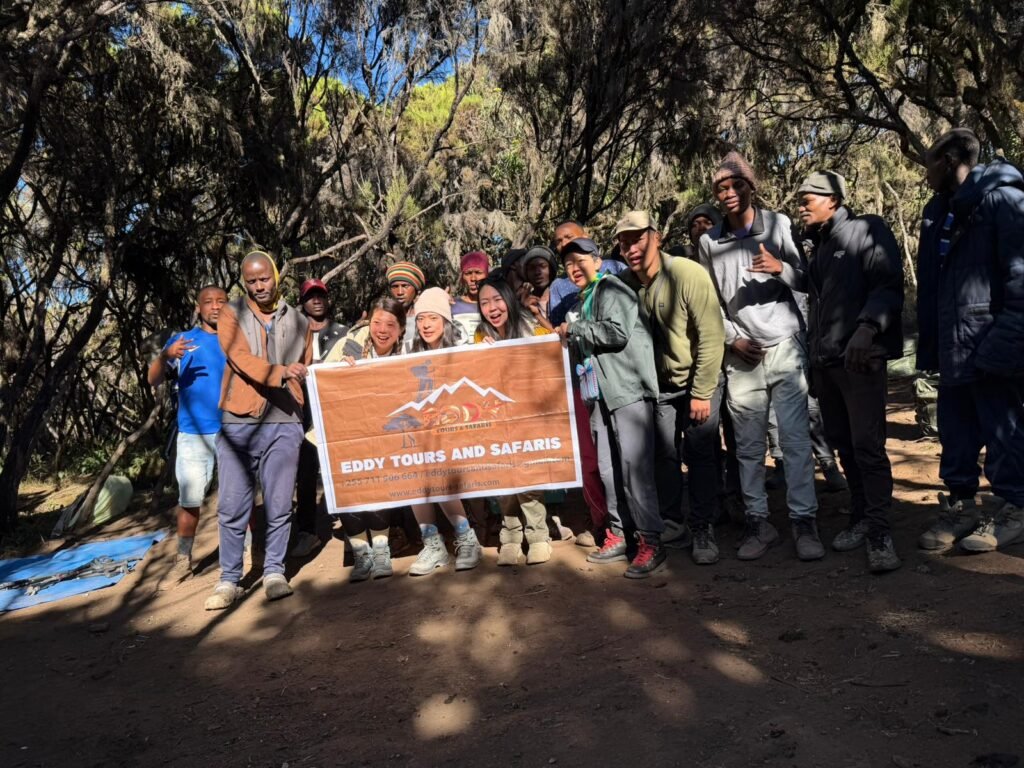
Preparing for High-Altitude Trekking: Essential Tips for scientific awareness and learning
Mountains also serve as open laboratories. Educational research initiatives supported by Harvard University research programs and global academic networks promoted by the United Nations Academic Impact show that direct field experience builds deeper understanding of climate change, biodiversity and sustainable development.
By learning during your trek, you become a better ambassador for mountain conservation long after your journey ends.
Preparing for High-Altitude Trekking: Essential Tips for choosing the right local support
Choosing professional local guidance is one of the smartest decisions within Preparing for High-Altitude Trekking: Essential Tips. Local experts understand daily weather patterns, trail conditions and park regulations far better than distant booking platforms.
You can explore professionally prepared itineraries through Tanzania travel programs that balance safety, conservation and comfort. For direct advice and customized planning, many trekkers speak with local specialists using personal trekking consultation support.
Preparing for High-Altitude Trekking: Essential Tips for your final checklist
The real meaning of Preparing for High-Altitude Trekking: Essential Tips is not collecting equipment or ticking boxes. It is learning how to move slowly, listen to your body, respect the environment and trust professional systems that protect both people and fragile mountain landscapes.
When you approach your trek with patience, knowledge and ethical awareness, your experience becomes safer, richer and far more memorable. Your mountain journey should begin long before you arrive at the trailhead. It begins with thoughtful preparation.