
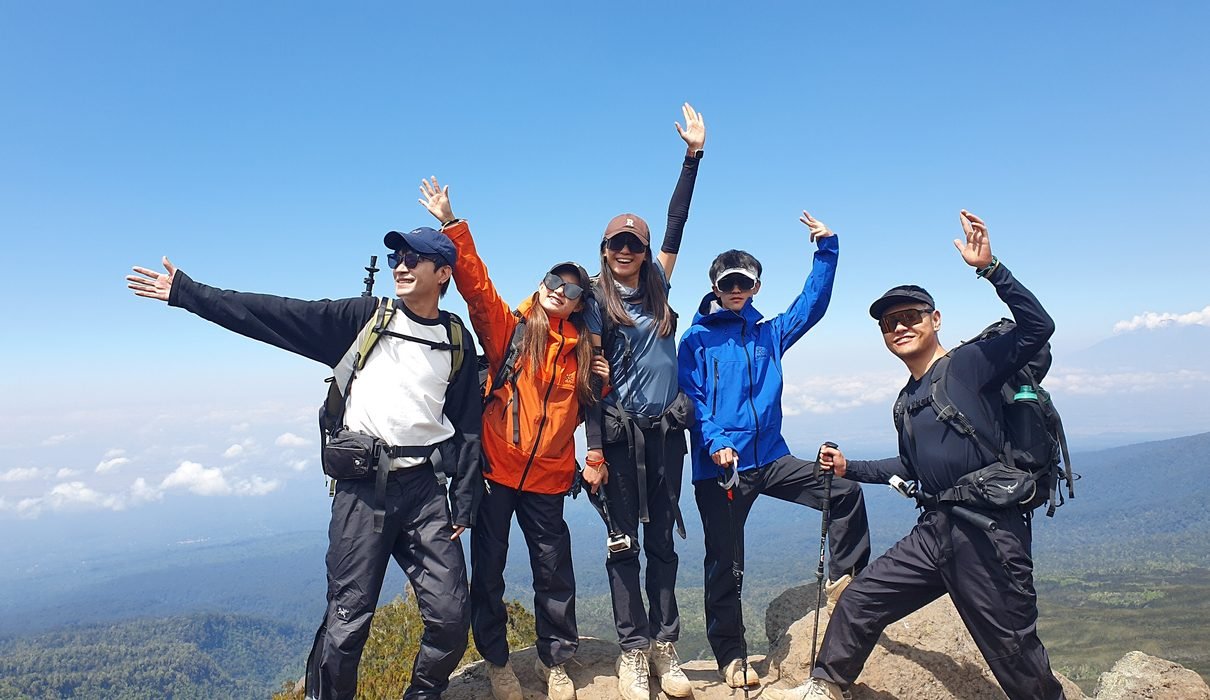
Climbing Mount Kilimanjaro in 2027 is a goal that many travelers are already preparing for, and good preparation can make a real difference to the experience. Standing at 5,895 meters above sea level, Mount Kilimanjaro is Africa’s highest mountain and one of the world’s most popular high-altitude trekking destinations. Although reaching its summit does not require technical mountaineering skills on the standard trekking routes, the climb demands physical endurance, patience, mental strength, and careful adjustment to altitude. The journey takes climbers through changing landscapes, from tropical forests and open moorlands to rocky alpine terrain and the cold conditions near Uhuru Peak.
For travelers planning their Kilimanjaro climbing adventure with Eddy Tours & Safaris, preparing several months before departure is one of the most useful decisions they can make. Training should focus on building walking endurance, strengthening the legs, improving cardiovascular fitness, and getting comfortable spending several hours outdoors. However, physical fitness is only part of the preparation. Understanding altitude sickness, choosing a suitable climbing route, carrying appropriate equipment, and following the advice of experienced mountain guides are equally important. This updated 2027 guide explains how to prepare for Kilimanjaro, whether you are an experienced hiker or someone planning your first major mountain trek.
How Difficult Is Climbing Mount Kilimanjaro in 2027?
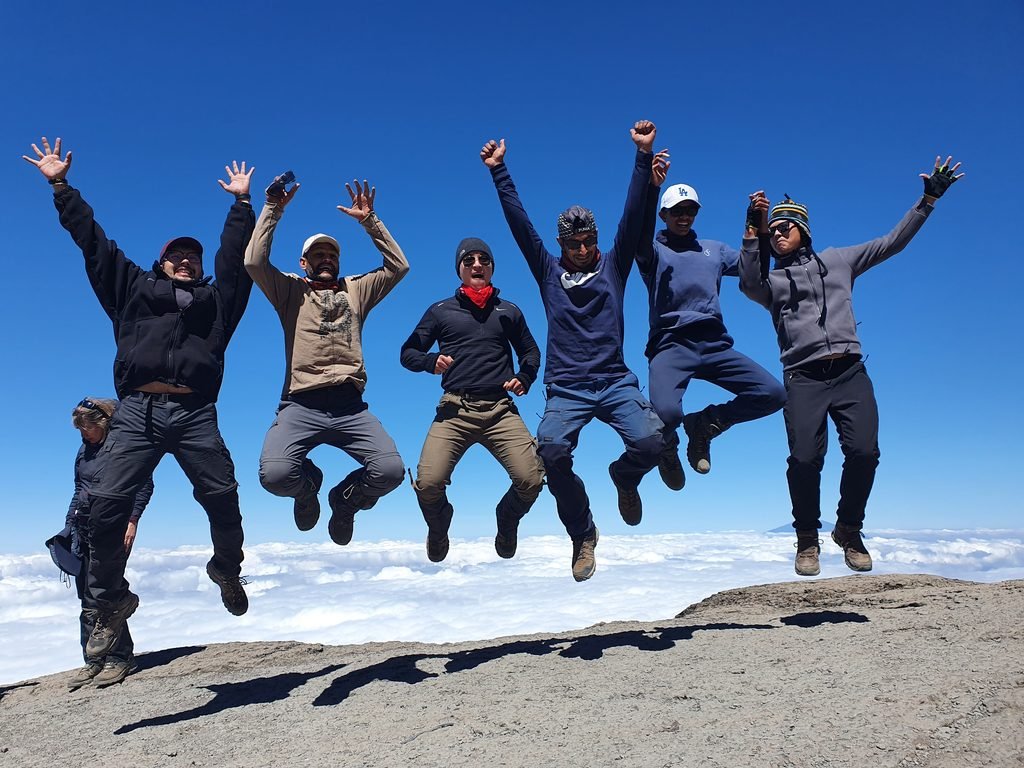
Mount Kilimanjaro is often described as a trekking mountain because the standard routes do not normally involve ropes, ice climbing, or technical climbing equipment. However, this should not give travelers the impression that the mountain is easy. Most climbing itineraries involve several consecutive days of walking, often over steep, rocky, or uneven ground. As the elevation increases, the air becomes thinner, breathing becomes more demanding, and ordinary activities may require greater effort. Summit night is particularly challenging because climbers usually begin walking around midnight, continue ascending in freezing temperatures, and reach the summit around sunrise before making a long descent.
The difficulty of Kilimanjaro depends on several factors, including the route selected, the number of climbing days, previous hiking experience, physical conditioning, weather, and individual response to altitude. A person who regularly walks long distances may find the lower sections manageable, while someone who has never completed a full-day hike may struggle with the repeated daily effort. Even very fit climbers can experience altitude sickness, which is why training alone cannot guarantee reaching the summit. Travelers should take time to understand the different Kilimanjaro climbing routes before deciding which itinerary best matches their abilities and available travel days.
When Should You Start Training for Kilimanjaro?
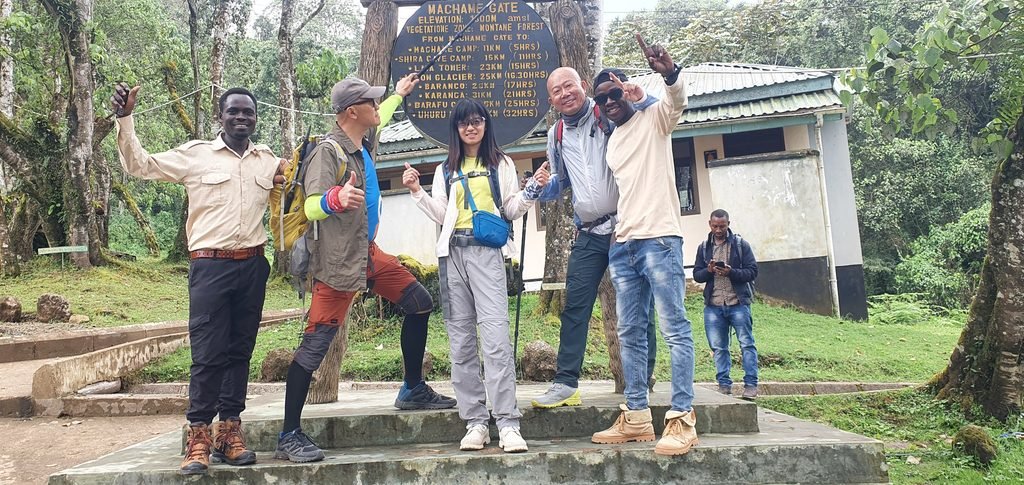
Ideally, travelers should begin preparing for Kilimanjaro between three and six months before their scheduled departure. Those who already hike regularly may need less time to improve their endurance, while beginners or people returning to exercise after a long break may benefit from a longer preparation period. The purpose of training is not to become a professional athlete but to develop enough strength and stamina to walk comfortably for several hours on consecutive days without excessive fatigue.
During the first few weeks, training can begin with regular walking, light jogging, cycling, or swimming. As fitness improves, longer walks, uphill hikes, and stair climbing should become part of the weekly routine. Strength exercises targeting the legs, hips, back, and core are also useful because climbers spend many hours moving over uneven ground while carrying a daypack. Gradually increasing the duration and difficulty of training helps the body adapt while reducing the risk of injuries caused by doing too much too quickly.
Travelers booking longer routes, such as the 8-day Kilimanjaro Lemosho Route, should still prepare seriously, even though the additional days allow more time for altitude adjustment. Longer itineraries can make the ascent more manageable, but they also require climbers to remain active over an extended period.
A Practical 12-Week Kilimanjaro Training Plan for 2027
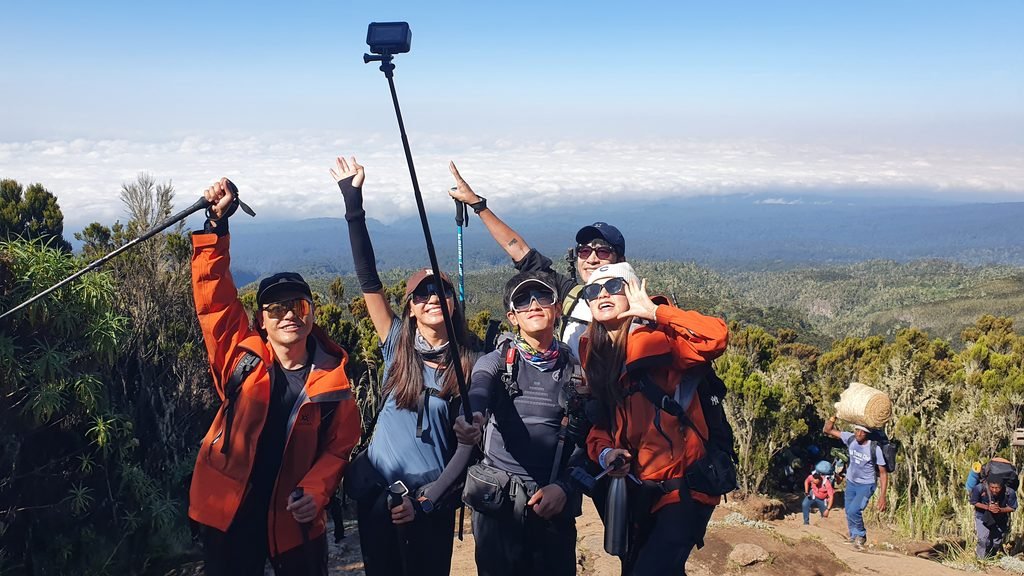
A structured training schedule helps travelers improve their fitness without becoming overwhelmed by complicated exercise programs. The following 12-week plan is suitable as a general example for reasonably healthy beginners who can already walk comfortably. Anyone with an existing medical condition, injury, or concerns about exercise should seek professional advice before beginning. Training intensity should always be adjusted according to individual ability, and rest days are important for recovery.
Weeks 1–4: Build Basic Fitness and Walking Endurance
During the first month, the main goal is to establish a consistent exercise routine. Begin with three or four walking sessions each week, lasting approximately 30 to 60 minutes. Choose routes that include gentle hills where possible, and gradually increase the distance as your fitness improves. One longer weekend walk lasting approximately two hours can help your body become accustomed to spending more time on your feet. Alongside walking, include two light strength-training sessions focusing on squats, step-ups, lunges, and core exercises.
This stage is particularly important for travelers who spend most of their working day sitting at a desk. Instead of immediately attempting difficult hikes, focus on improving general movement, breathing, and walking comfort. Comfortable hiking shoes should also be introduced during this period so that you can identify any problems with fit before the mountain trip. Consistency matters more than speed, and the aim is to finish each training session feeling challenged but able to recover before the next one.
Weeks 5–8: Increase Distance, Hills, and Leg Strength
During the second month, training should become more closely related to the conditions encountered on Kilimanjaro. Increase regular walks to approximately 60–90 minutes and introduce more uphill sections, stairs, or hiking trails with changing elevation. Weekend hikes can gradually extend to three or four hours, depending on your current fitness. Carry a small daypack containing water, a rain jacket, and other lightweight items to become familiar with the weight you will carry during the climb.
Strength training should continue twice a week, with particular attention given to the muscles used during uphill walking and downhill movement. Step-ups, controlled squats, calf raises, and lunges are useful exercises, while cycling or swimming can improve general endurance without placing excessive strain on the joints. Travelers who have access to mountain trails should take advantage of them, but those living in flat areas can use staircases, inclined treadmills, or local walking routes to achieve similar training goals.
Weeks 9–11: Practice Longer Hikes and Consecutive Walking Days
The third stage is designed to prepare the body for repeated days of trekking. Depending on your ability, aim to complete one longer hike of approximately four to six hours each week, preferably on terrain that includes hills and uneven surfaces. On selected weekends, practice walking on two consecutive days so that your body becomes familiar with continuing physical activity while the legs are slightly tired from the previous day. This is particularly helpful because Kilimanjaro climbers rarely have a complete rest day during their mountain itinerary.
Training with the equipment you intend to use on Kilimanjaro is also valuable. Wear your hiking boots, carry your daypack, practice using trekking poles, and test the clothing layers you plan to bring. If you have the opportunity to hike in cooler conditions, use it to understand how your body responds to temperature changes. Travelers considering a demanding route should discuss their experience with a local mountain operator such as Eddy Tours & Safaris before finalizing their itinerary.
Week 12: Reduce Training and Prepare for Departure
During the final week before traveling, reduce the intensity of exercise and allow your body to recover. Short walks, gentle stretching, and light movement are generally sufficient. Avoid attempting a difficult new workout or a particularly long hike immediately before departure, as this could result in unnecessary fatigue or injury. Use the remaining time to inspect your equipment, confirm your travel arrangements, check your documents, and organize your mountain clothing.
Sleep and recovery should be priorities during this final stage. Travelers should arrive in Tanzania feeling rested rather than exhausted from training. Spending a day in Moshi or Arusha before the climb can also provide time for a final equipment check, meeting the mountain team, and discussing the itinerary with the guides.
The Best Exercises for Kilimanjaro Summit Training
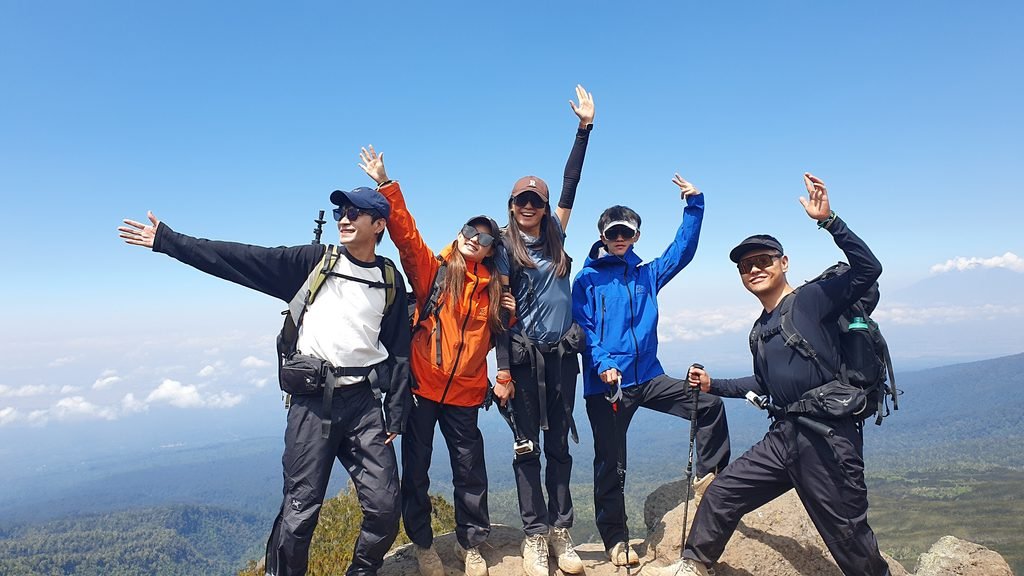
Hiking and Uphill Walking
Hiking is the most useful form of preparation because it closely matches the activity you will perform on the mountain. Regular uphill walking strengthens the legs, improves endurance, and helps the body become familiar with maintaining a steady pace over long distances. Where possible, train on natural trails rather than relying entirely on indoor exercise equipment. Walking over rocks, loose soil, and uneven surfaces helps develop balance and coordination, which are important during both the ascent and descent.
Cardiovascular Endurance Training
Cardiovascular exercise helps improve your ability to sustain physical activity for extended periods. Brisk walking, cycling, swimming, and moderate jogging can all contribute to better endurance. A practical approach is to include two or three cardiovascular sessions each week alongside regular hiking. These sessions should be challenging enough to improve fitness but not so intense that they interfere with recovery. The aim is to become comfortable exercising at a steady pace rather than developing maximum running speed.
Strength Training for Legs and Core
Strong legs are useful for climbing uphill, but they are equally important when descending the mountain. The descent from Kilimanjaro can place considerable pressure on the knees and thigh muscles, particularly after the long summit attempt. Exercises such as squats, step-ups, lunges, calf raises, and controlled step-downs help prepare the body for these movements. Core exercises, including planks and simple balance work, can improve stability when carrying a daypack or walking over uneven terrain.
Flexibility, Balance, and Recovery
Flexibility and balance exercises can support comfortable movement and help reduce unnecessary strain during training. Gentle stretching, mobility exercises, and single-leg balance work are useful additions to a hiking routine. Rest days should also be included because muscles need time to recover and become stronger. Travelers who experience persistent pain, unusual fatigue, or recurring injuries should adjust their training rather than pushing through discomfort.
Understanding Altitude Sickness Before Climbing Kilimanjaro
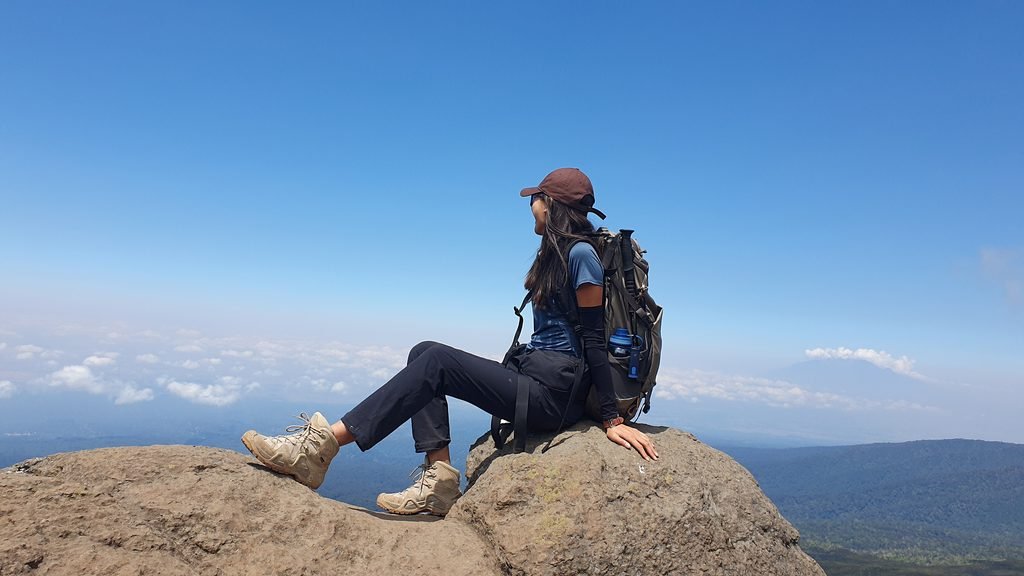
Altitude sickness is one of the most important subjects every Kilimanjaro climber should understand. As the mountain rises toward 5,895 meters, the reduced oxygen pressure makes it harder for the body to function normally. Some travelers experience headaches, nausea, loss of appetite, dizziness, or unusual fatigue as they ascend. These symptoms can occur even in people who are physically fit, and previous hiking experience at lower elevations does not provide reliable protection against altitude illness.
The Centers for Disease Control and Prevention’s guidance on high-altitude travel emphasizes gradual ascent and adequate acclimatization. Climbers should report symptoms promptly to their guides and avoid ascending to a higher sleeping altitude when experiencing altitude sickness. Worsening symptoms, confusion, difficulty walking normally, or breathlessness at rest require urgent assessment, descent, and medical attention. Medication such as acetazolamide may be appropriate for some travelers, but it should be discussed with a qualified healthcare professional before the climb rather than used as a substitute for a suitable itinerary.
One of the most practical ways to reduce altitude-related risks is to select a climbing schedule that allows sufficient time for adjustment. Longer routes, including the 9-day Lemosho Kilimanjaro climb, provide additional time on the mountain compared with shorter itineraries. Travelers can also read more about summit conditions and mountain preparation through Kilimanjaro Climb Specialist.
Choosing the Right Kilimanjaro Route for 2027
Selecting a suitable route is an important part of summit preparation because different trails involve different walking distances, terrain, accommodation arrangements, and acclimatization opportunities. The Machame Route is popular among hikers who enjoy varied landscapes and are comfortable with camping. The Marangu Route provides mountain hut accommodation and follows a comparatively direct trail, although shorter itineraries can make altitude adjustment more difficult. The Lemosho Route approaches from the western side of the mountain and is often selected by travelers who prefer a longer journey with more time to acclimatize.
The Rongai Route approaches Kilimanjaro from the northern side and offers a different landscape from the southern trails, while the Northern Circuit follows a longer route around the mountain and provides extended acclimatization opportunities. The Umbwe Route is steep and demanding, making it less suitable for inexperienced trekkers. Travelers should compare route duration, physical difficulty, and their previous hiking experience rather than selecting a climb based only on the lowest price or shortest itinerary. The Kilimanjaro route comparison guide from Eddy Tours & Safaris provides additional information for choosing a suitable trail.
Preparing for Kilimanjaro Summit Night
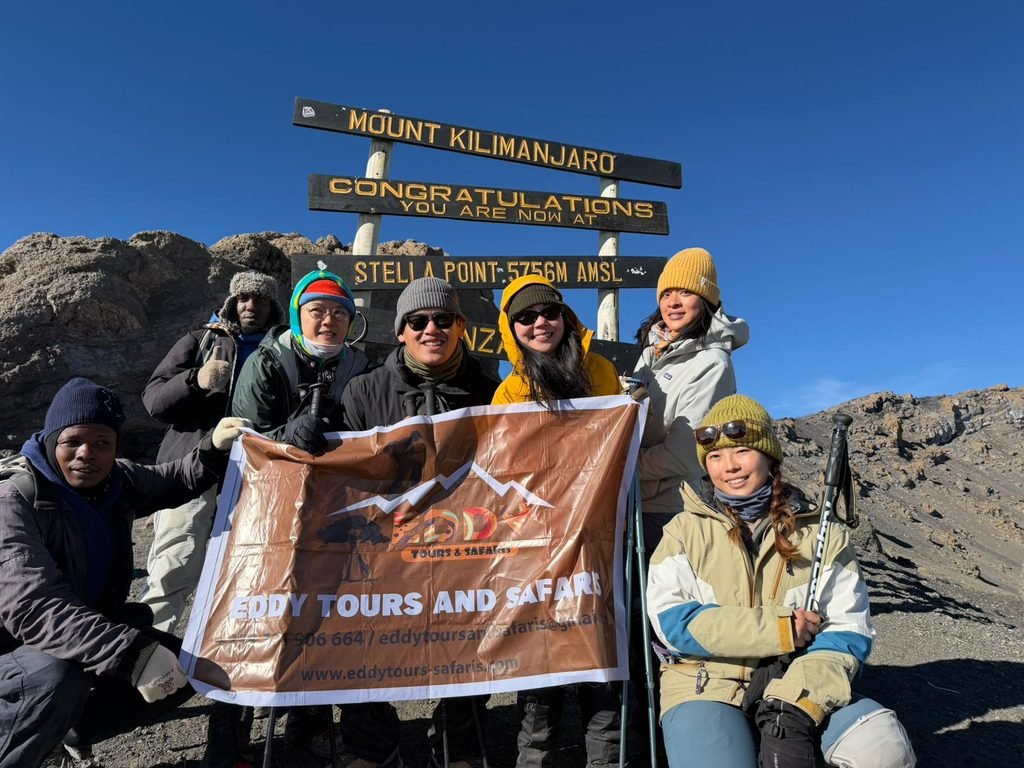
Summit night is often the most physically and mentally demanding part of the climb. Depending on the selected route and itinerary, climbers may begin their final ascent late at night or shortly after midnight, walking slowly toward Stella Point or Gilman’s Point before continuing to Uhuru Peak. Temperatures can fall well below freezing, and strong winds may make conditions feel considerably colder. The terrain is often loose and rocky, requiring careful foot placement and a steady walking rhythm.
Training for summit night should focus on endurance, patience, and the ability to maintain a comfortable pace over several hours. Long weekend hikes are useful preparation, but travelers should also become familiar with walking in cold conditions and using a headlamp. There is generally no need to regularly deprive yourself of sleep during training. Instead, concentrate on arriving at the mountain well rested, following your guide’s instructions, and conserving energy during the ascent. A slow, controlled pace is usually more appropriate than trying to reach the summit quickly.
Mental preparation is also important because the final ascent can feel demanding even for experienced hikers. Breaking the climb into manageable sections, focusing on steady breathing, and maintaining communication with the guide can make the experience easier to manage. Travelers should remember that reaching the summit is never more important than personal safety, and turning back when medically necessary is a responsible decision.
Essential Kilimanjaro Climbing Equipment for 2027
Choosing the right equipment is just as important as physical preparation. Kilimanjaro passes through several climate zones, meaning climbers may experience warm conditions at the beginning of the trek, rainfall in the forest, strong sunshine at higher elevations, and freezing temperatures near the summit. Clothing should be arranged in layers so that items can be added or removed according to the weather and activity level. Moisture-wicking base layers, insulating fleece or down clothing, waterproof outer layers, warm gloves, and suitable headwear are all important.
Well-fitting hiking boots are among the most essential items because uncomfortable footwear can make several days of trekking difficult. Boots should be tested during training rather than worn for the first time on the mountain. Other useful equipment includes trekking poles, a comfortable daypack, a headlamp with spare batteries, sunglasses, sunscreen, water containers, personal medication, and a suitable sleeping bag for camping routes. Travelers should also carry personal hygiene items and protect important belongings from rain and dust.
Before traveling, climbers should confirm what equipment is provided by their tour operator and which items must be brought or rented separately. For additional advice on equipment, summit conditions, and mountain itineraries, travelers can consult Kilimanjaro Climb Specialist alongside the information provided by their chosen climbing company.
Food, Hydration, and Rest During Kilimanjaro Training
Eating properly during training helps the body recover and provides the energy required for longer walks. A balanced diet containing carbohydrates, protein, vegetables, fruit, and healthy fats is generally suitable for preparing for a mountain trek. Carbohydrates provide useful energy during extended physical activity, while protein supports muscle recovery after demanding training sessions. Travelers do not need to follow an extreme diet or make sudden changes to their eating habits, but regular meals and sufficient nutrition become increasingly important as hiking distances increase.
Hydration should also be practiced during training. Carry water on longer walks and drink according to your needs, taking account of the temperature, physical effort, and duration of exercise. On Kilimanjaro, dehydration can contribute to discomfort, but excessive water intake can also be harmful. Follow the mountain team’s advice and avoid forcing yourself to drink unusually large quantities. Sleep is equally important because poor recovery can reduce training performance and increase fatigue. Establishing consistent sleeping habits before departure can make it easier to manage the physical demands of the climb.
Can Beginners Climb Mount Kilimanjaro in 2027?
Yes, beginners can climb Mount Kilimanjaro, provided they prepare properly, choose an appropriate itinerary, and understand the risks associated with high altitude. Many people attempt Kilimanjaro without previous technical mountaineering experience because the established trekking routes do not normally require specialized climbing skills. However, beginners should not underestimate the physical demands of walking for several days or assume that reaching the summit is guaranteed.
For first-time climbers, a longer itinerary may be preferable to a short, rushed ascent. Building walking endurance, practicing on hills, testing equipment, and discussing health concerns with a medical professional are sensible steps before departure. Travelers can also consider a preparatory hike on Mount Meru in Tanzania, which offers experience with mountain terrain and altitude. Such preparation can be helpful, although it does not remove the possibility of altitude sickness on Kilimanjaro.
Those planning a first mountain holiday can contact Eddy Tours & Safaris to discuss suitable climbing durations, route choices, and practical arrangements before confirming their 2027 travel dates.
Common Kilimanjaro Training Mistakes to Avoid
One common mistake is beginning physical preparation only a few weeks before departure. Although some travelers may already have enough fitness to manage the climb, beginners often need several months to improve endurance and become comfortable with longer hikes. Another mistake is focusing entirely on running or gym workouts while neglecting actual walking practice. General fitness is useful, but the repeated movement of hiking uphill and downhill requires specific preparation.
Travelers should also avoid purchasing hiking boots immediately before the trip, carrying unnecessarily heavy daypacks, or training intensely without enough recovery. Choosing a route solely because it is cheaper or shorter can also create difficulties, particularly when the itinerary provides limited time for altitude adjustment. Perhaps the most serious mistake is ignoring symptoms of altitude sickness because of a strong desire to reach the summit. A safe climbing experience depends on honest communication with guides and a willingness to change plans when necessary.
Frequently Asked Questions About Kilimanjaro Training in 2027
How many months should I train before climbing Kilimanjaro?
Most beginners should consider allowing approximately three to six months for preparation, depending on their starting fitness and hiking experience. Regular walking, uphill training, strength exercises, and longer weekend hikes can gradually improve endurance. Travelers who are already active may require a shorter period, while those who have not exercised regularly may need additional time. The most important factor is developing consistent fitness without rushing or causing injuries.
Do I need to run to prepare for Kilimanjaro?
Running is not a requirement for climbing Kilimanjaro. Brisk walking, hiking, cycling, swimming, and stair climbing can all improve cardiovascular fitness. Hiking is particularly useful because it closely matches the activity performed on the mountain. Travelers who dislike running can still prepare effectively through regular walking and appropriate strength training, provided they gradually increase the duration and difficulty of their exercise sessions.
What is the hardest day when climbing Kilimanjaro?
For many climbers, summit day is the hardest part of the journey because it involves a long ascent at high altitude, cold temperatures, limited sleep, and a demanding descent. The exact difficulty depends on the route and weather conditions, but climbers should expect to spend many hours walking. Preparing through longer hikes and consecutive training days can help improve endurance, although altitude remains a separate challenge that physical training cannot eliminate.
Does being physically fit prevent altitude sickness?
No. Physical fitness does not prevent altitude sickness, and even experienced athletes can develop symptoms when ascending too quickly. The body’s response to reduced oxygen pressure varies between individuals, making proper acclimatization essential. Climbers should choose suitable itineraries, follow the guidance of experienced mountain guides, and seek medical advice about altitude illness before traveling.
Which Kilimanjaro route is suitable for beginners in 2027?
Many beginners consider longer Lemosho, Machame, or Northern Circuit itineraries because these routes can provide more time for acclimatization when scheduled appropriately. The Marangu Route is also popular because it offers hut accommodation, but short Marangu itineraries can be demanding due to the faster ascent. The best choice depends on fitness, available travel days, preferred accommodation, budget, and previous experience. Travelers should discuss these factors with their climbing operator before booking.
Plan Your Kilimanjaro Climb for 2027 with Eddy Tours & Safaris
Preparing for Mount Kilimanjaro requires more than purchasing hiking equipment and booking a flight to Tanzania. A successful climbing experience begins with realistic expectations, regular physical training, a suitable route, and enough time for the body to adjust to altitude. Whether you plan to climb through Machame, Lemosho, Marangu, Rongai, or the Northern Circuit, the months leading up to your departure are an opportunity to build confidence, improve endurance, and understand what to expect on the mountain.
Eddy Tours & Safaris is a local tour company based in Arusha, Tanzania, helping travelers plan Kilimanjaro climbing trips and Tanzania safari holidays. If you are preparing to climb Kilimanjaro in 2027, our team can help you compare available routes, select a suitable climbing itinerary, and organize the practical arrangements for your visit. Travelers can also combine their mountain experience with a Tanzania safari to explore some of the country’s national parks after completing the trek.
To begin planning, contact Eddy Tours & Safaris and share your preferred travel dates, number of climbers, previous hiking experience, and the route you are considering. With enough preparation, sensible planning, and professional mountain support, you can approach your 2027 Kilimanjaro climb with greater confidence and a clear understanding of the journey ahead.