
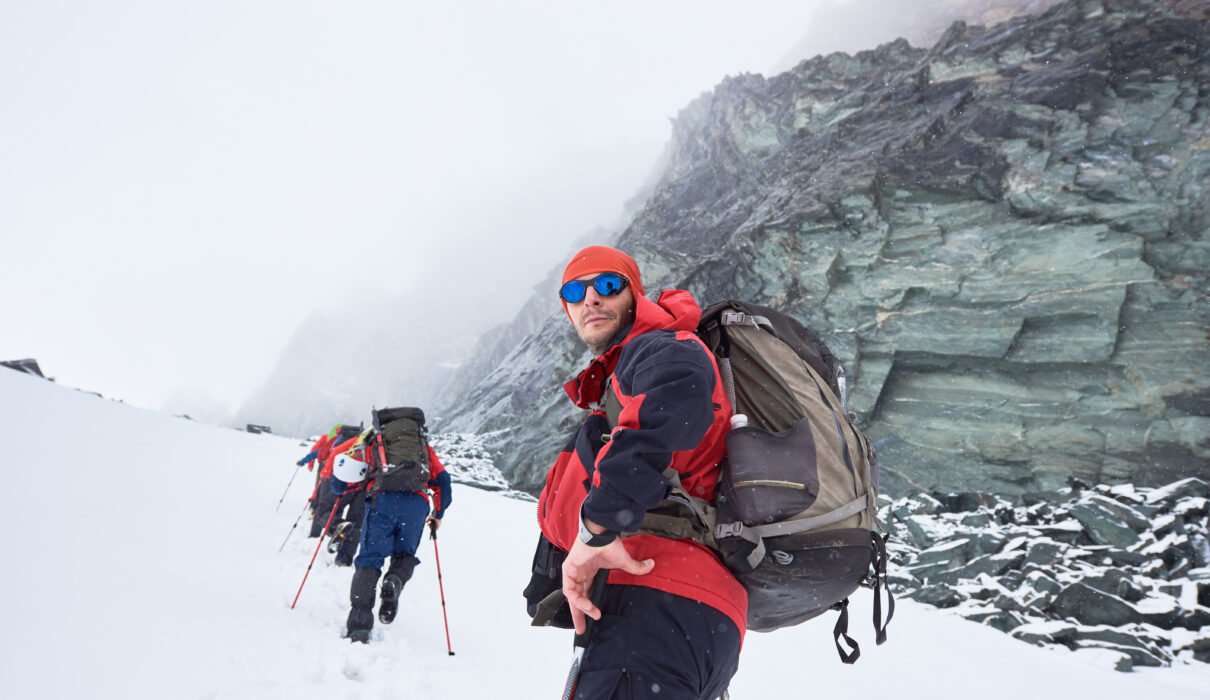
Recommended Gear and Equipment for Kilimanjaro Climbs is one of the most important topics to understand before planning your adventure to Africa’s highest peak. Mount Kilimanjaro is not a technical climb, but it demands physical preparation, proper layering, and reliable equipment to withstand freezing temperatures, strong winds, and high altitude conditions. Choosing the right gear can mean the difference between a joyful summit and a difficult experience.
At Eddy Tours & Safaris, we guide climbers through carefully designed routes and offer expert advice to ensure proper preparation. If you are still planning your route, explore our Kilimanjaro climbing adventures, discover our Machame route packages, review our Lemosho route details, compare our Marangu route options, or browse our full Tanzania safari experiences to combine trekking with wildlife exploration.
Why Recommended Gear and Equipment for Kilimanjaro Climbs Matters
Climbing Kilimanjaro means trekking through five distinct climate zones, from rainforest to arctic summit conditions. According to National Geographic, mountains create their own weather systems, and sudden temperature changes are common. Research from Nature highlights how high-altitude environments affect oxygen availability, which makes layering and proper insulation essential for safety.
Organizations such as the Alpine Club and the American Alpine Club emphasize that preparation and quality equipment significantly improve summit success rates. Even the Centers for Disease Control and Prevention advise travelers to prepare carefully for high altitude destinations. Investing in the right clothing, footwear, and accessories ensures warmth, reduces fatigue, and prevents altitude-related complications.
Clothing Layers: The Core of Recommended Gear and Equipment for Kilimanjaro Climbs
The layering system is the foundation of recommended gear and equipment for Kilimanjaro climbs. Experts from REI Co-op explain that layering works by trapping heat while allowing moisture to escape. A moisture-wicking base layer keeps sweat away from your skin, which is critical in cold conditions. The National Oceanic and Atmospheric Administration confirms that wet clothing in cold weather increases the risk of hypothermia.
The mid-layer, often fleece or insulated jackets, provides warmth. Materials tested by GORE-TEX demonstrate the importance of breathable yet waterproof outer shells. A high-quality down jacket is essential for summit night when temperatures drop significantly below freezing. Gloves, thermal socks, and a warm hat complete the system, ensuring that no body heat escapes during the final ascent.
Footwear Selection for High Altitude Safety
Footwear is another critical element in recommended gear and equipment for Kilimanjaro climbs. According to research shared by the American Podiatric Medical Association, proper ankle support reduces injury risk on uneven terrain. Waterproof hiking boots with insulation protect your feet from cold and moisture during long trekking days.
The National Park Service advises hikers worldwide to break in boots before major expeditions. Blisters and discomfort can derail your progress, especially during summit night. Gaiters are also highly recommended to prevent dust and mud from entering your boots during rainforest and alpine desert sections.
Sleeping Gear and Comfort Essentials
Quality sleep supports altitude adaptation. The Sleep Foundation explains that rest helps the body recover from physical stress. On Kilimanjaro, nighttime temperatures require a four-season sleeping bag rated for extreme cold. Insulated sleeping pads provide additional protection from frozen ground.
Many climbers consult trusted climbing resources such as Alpine Ascents International and The Mountaineers for gear recommendations. Headlamps with spare batteries are essential for early summit attempts. The U.S. Department of Energy notes that lithium batteries perform better in cold temperatures compared to alkaline alternatives.
Health, Hydration, and Safety Equipment
Hydration systems are vital in recommended gear and equipment for Kilimanjaro climbs. The World Health Organization highlights the importance of proper hydration at high altitudes. Insulated water bottles prevent freezing during summit night. Water purification tablets, recommended by International Red Cross, offer an added layer of safety.
Sunglasses with UV protection are crucial, as ultraviolet exposure increases with elevation. According to Environmental Protection Agency, UV radiation intensifies at higher altitudes, increasing the risk of eye damage. Sunscreen with high SPF protects exposed skin, even in cold conditions.
Trekking Poles and Support Gear
Trekking poles reduce pressure on knees during descent. Studies referenced by National Institutes of Health suggest poles can decrease joint strain during steep hikes. Adjustable poles are ideal for varying terrain, providing balance and stability throughout the climb.
Altitude Awareness and Responsible Climbing
Understanding altitude sickness is essential. The Himalayan Rescue Association provides detailed information on altitude illness symptoms and prevention strategies. Acclimatization days built into routes significantly improve safety. Reputable operators such as Kilimanjaro Climb Specialist also emphasize slow ascent profiles to increase summit success rates.
Conservation organizations like the International Union for Conservation of Nature and the World Wildlife Fund encourage responsible tourism practices. Leave No Trace principles, promoted by Leave No Trace Center for Outdoor Ethics, ensure the mountain remains protected for future generations.
Preparing Physically and Mentally
Training before your expedition strengthens endurance and confidence. The Mayo Clinic recommends cardiovascular conditioning and strength training for demanding hikes. Gradual preparation allows your body to adjust and reduces injury risks. Mental resilience also plays a powerful role in reaching the summit successfully.
When you combine expert guidance, proper training, and the recommended gear and equipment for Kilimanjaro climbs, you significantly increase your chances of standing on Uhuru Peak. Preparation is not just about packing; it is about understanding the mountain environment and respecting its challenges.
Frequently Asked Questions
How heavy should my backpack be?
Your daypack should remain light, ideally carrying water, snacks, layers, and personal essentials. Porters typically carry heavier duffel bags.
Do I need technical climbing gear?
No technical ropes or harnesses are required. Kilimanjaro is a trekking peak, but proper cold-weather gear is essential.
Can I rent equipment in Tanzania?
Yes, many operators provide rental gear, but bringing well-fitted personal items such as boots is strongly recommended.
How cold does it get on summit night?
Temperatures can drop far below freezing, especially near the crater rim, making insulated jackets and gloves necessary.
Are trekking poles necessary?
While optional, trekking poles provide stability and reduce knee strain during descent.
Why is layering better than one thick jacket?
Layering allows flexibility in adjusting to changing temperatures and helps regulate body heat effectively.
Conclusion
Choosing the right recommended gear and equipment for Kilimanjaro climbs transforms your journey from uncertain to empowering. With proper layering, supportive footwear, essential health supplies, and reliable guidance, you prepare yourself for a safe and unforgettable summit experience. Kilimanjaro rewards preparation, patience, and determination. Equip yourself wisely, trust experienced guides, and take the first confident step toward Africa’s legendary rooftop.