
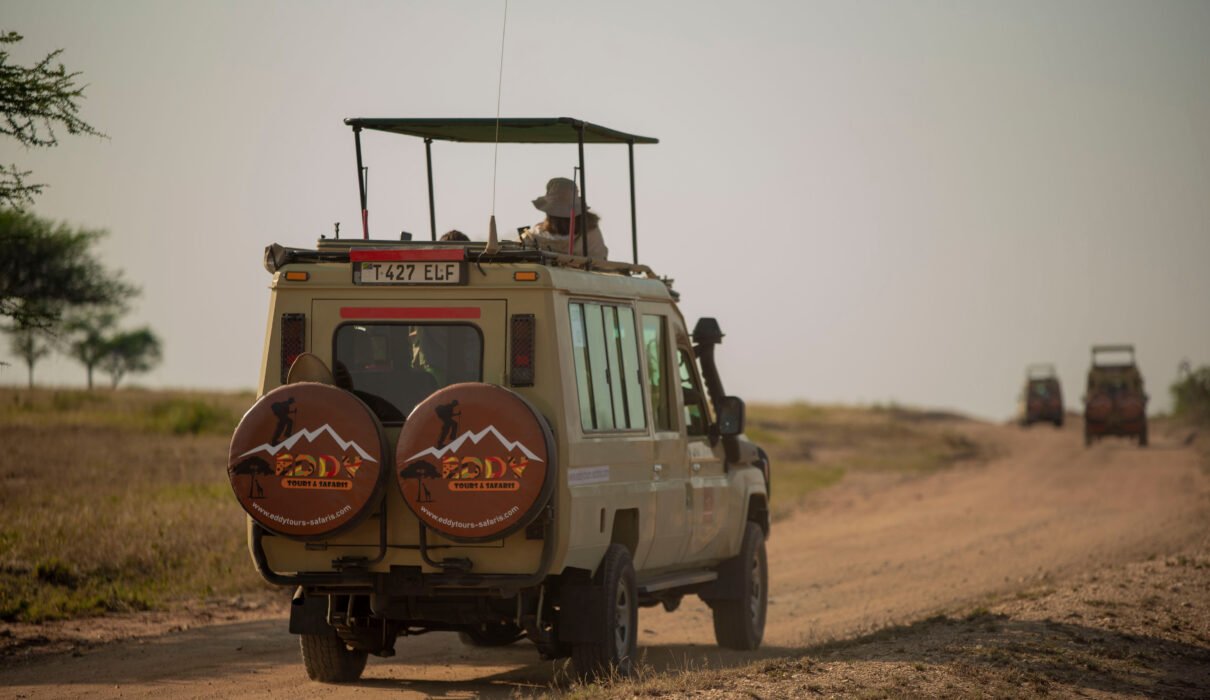
Responsible Travel in Tanzania: What Not to Do is an honest and practical guide for travellers who truly care about wildlife, people and natural landscapes, but are often unsure which behaviours quietly cause harm during safaris, mountain trips and cultural visits across the country.
Tanzania welcomes visitors from all over the world, yet fragile ecosystems, rural communities and protected areas depend heavily on how guests behave on the ground. Many travel mistakes are not intentional. They come from lack of information, social media pressure or poor advice. Learning what not to do is just as important as knowing where to go.
Responsible Travel in Tanzania: What Not to Do inside national parks and wildlife areas
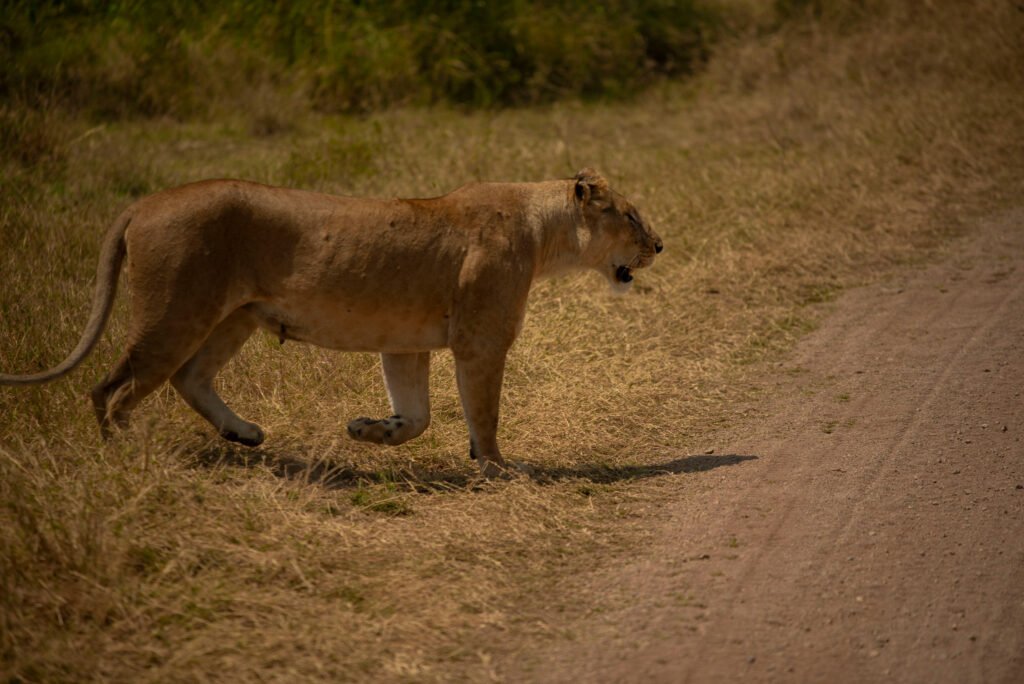
One of the most damaging mistakes visitors make is disturbing wildlife for photos or entertainment. Driving off designated tracks, requesting guides to follow animals too closely, or encouraging drivers to block wildlife movement directly increases stress and disrupts natural behaviour. Conservation guidance promoted by the International Union for Conservation of Nature and ecosystem protection policies supported by the United Nations Environment Programme clearly show that responsible tourism must reduce human pressure inside protected areas.
Long-term research from the Wildlife Conservation Society and habitat protection programmes supported by the African Wildlife Foundation confirm that repeated vehicle pressure and human crowding change feeding, hunting and breeding behaviour in many species. Responsible visitors should always respect guide instructions and park rules, even if it means missing a close-up photo.
Responsible Travel in Tanzania: What Not to Do when interacting with local communities
A very common mistake is treating villages and local people as tourist attractions instead of partners in tourism. Taking photos of people without permission, handing out money or sweets to children, and entering private homes without invitation weakens community dignity and creates dependency. Community-based tourism guidelines supported by UNESCO and development frameworks from the UN Department of Economic and Social Affairs strongly encourage respectful cultural engagement and local consent.
Development studies published by the World Bank and labour standards promoted by the International Labour Organization also show that ethical tourism should strengthen local businesses, not replace them. Travellers should avoid buying souvenirs imported from outside communities when locally produced crafts are available.
Responsible Travel in Tanzania: What Not to Do with wildlife products and souvenirs
Another serious mistake is purchasing items made from animal parts, rare plants or protected natural materials. Even when sold openly in small markets, such products often come from illegal harvesting. International biodiversity protection agreements guided by the Convention on Biological Diversity clearly prohibit unsustainable trade that threatens wildlife populations and ecosystems.
Wildlife protection organisations such as World Wide Fund for Nature and scientific research networks such as the Global Biodiversity Information Facility show how illegal trade contributes to population decline in many species. Responsible travellers should always buy certified local crafts and ask guides about sustainable souvenirs.
Responsible Travel in Tanzania: What Not to Do when choosing safari operators
Many visitors unknowingly support harmful tourism practices by choosing operators based only on price. Extremely cheap tours often mean poor vehicle maintenance, underpaid staff, illegal guiding practices or lack of park permits. Research by the Overseas Development Institute shows that ethical tourism models generate stronger long-term benefits for conservation and local economies than low-cost mass tourism.
Travellers who book through responsible local companies such as Eddy Tours and Safaris help support fair employment, licensed guiding and conservation education programmes. Carefully designed trips also ensure that visitor fees contribute directly to protected area management.
Responsible Travel in Tanzania: What Not to Do on Mount Kilimanjaro and hiking routes
One of the most harmful behaviours on mountain routes is ignoring environmental rules. Leaving waste behind, using non-approved campsites and damaging vegetation increases erosion and water contamination. Environmental management principles supported by Conservation International and landscape protection programmes promoted by The Nature Conservancy show that even small impacts accumulate quickly in high-altitude ecosystems.
Health and safety guidance from the World Health Organization and emergency preparedness frameworks promoted by the American Red Cross also emphasise responsible waste management and clean water practices in remote environments. Visitors planning mountain trips should use professional planning services such as trusted Kilimanjaro and safari travel support to ensure ethical operations and proper porter welfare.
Responsible Travel in Tanzania: What Not to Do when sharing travel content online
Social media plays a powerful role in shaping tourism behaviour. Posting wildlife selfies taken too close to animals, promoting off-road driving or revealing sensitive wildlife locations can unintentionally encourage harmful practices. Conservation communication research supported by the Intergovernmental Science-Policy Platform on Biodiversity and Ecosystem Services shows that public behaviour strongly influences ecosystem pressure and wildlife disturbance.
Climate and environmental assessments from the Intergovernmental Panel on Climate Change also highlight how tourism pressure must be carefully managed in vulnerable landscapes. Responsible travellers should use their online platforms to promote ethical behaviour rather than risky or misleading content.
Responsible Travel in Tanzania: What Not to Do around forests, rivers and wetlands
Freshwater and forest ecosystems are often treated casually by visitors, yet they are some of the most fragile environments in Tanzania. Washing in rivers, entering wetland breeding zones or damaging forest vegetation directly affects water quality and wildlife habitats. Forest and land-use research by the Center for International Forestry Research and ecosystem monitoring coordinated by the UN Environment Programme World Conservation Monitoring Centre show that catchment protection is essential for both wildlife and rural livelihoods.
Water security and sustainable land management programmes supported by the Food and Agriculture Organization further confirm that tourism activities must protect rivers and wetlands that supply surrounding communities.
Responsible Travel in Tanzania: What Not to Do regarding wildlife corridors and rural land
Many travellers do not realise that wildlife does not remain only inside national parks. Migration corridors and community lands are essential for elephants, predators and grazing species. Landscape connectivity research led by the Wildlife Conservation Society and corridor protection strategies supported by the African Wildlife Foundation show that blocking animal movement causes conflict, injury and population isolation.
Peer-reviewed studies shared through ScienceDirect also demonstrate how poorly planned tourism infrastructure can permanently damage wildlife movement routes. Visitors should respect community land boundaries and avoid unauthorised walking or driving in buffer zones.
Responsible Travel in Tanzania: What Not to Do when handling health and safety risks
Ignoring safety briefings, refusing professional guidance and underestimating environmental risks are common mistakes among visitors. Health and travel recommendations from the World Health Organization clearly show that responsible travel protects both visitors and host communities by reducing accidents, disease transmission and emergency pressure on local health systems.
Responsible travellers should always follow guide instructions, respect medical advice and choose operators that follow international safety standards. Many guests now prefer to organise their trips through professional Tanzania safari planning services that prioritise safety, ethics and local partnerships.
Responsible Travel in Tanzania: What Not to Do if you truly want to support conservation
Perhaps the biggest mistake is assuming that good intentions are enough. Conservation success depends on informed decisions. Habitat protection initiatives led by BirdLife International, carnivore conservation programmes supported by Panthera and global ecosystem protection work by Conservation International clearly show that visitor behaviour plays a direct role in conservation outcomes.
Travellers who want to actively support nature protection increasingly choose ethical experiences through responsible safari and cultural travel programmes, where conservation education and community benefit are built into each itinerary.
Responsible Travel in Tanzania: What Not to Do and how to travel the right way instead
Responsible travel is not about being perfect. It is about making informed, respectful and thoughtful choices. By respecting wildlife distance, supporting ethical operators, protecting local culture and understanding environmental limits, visitors become partners in conservation rather than passive observers.
In simple words, Responsible Travel in Tanzania: What Not to Do helps travellers avoid harmful habits that quietly damage wildlife, landscapes and communities. When visitors choose responsible operators, respect nature and support local people, they help protect Tanzania’s extraordinary heritage and create meaningful experiences that truly benefit everyone involved.