
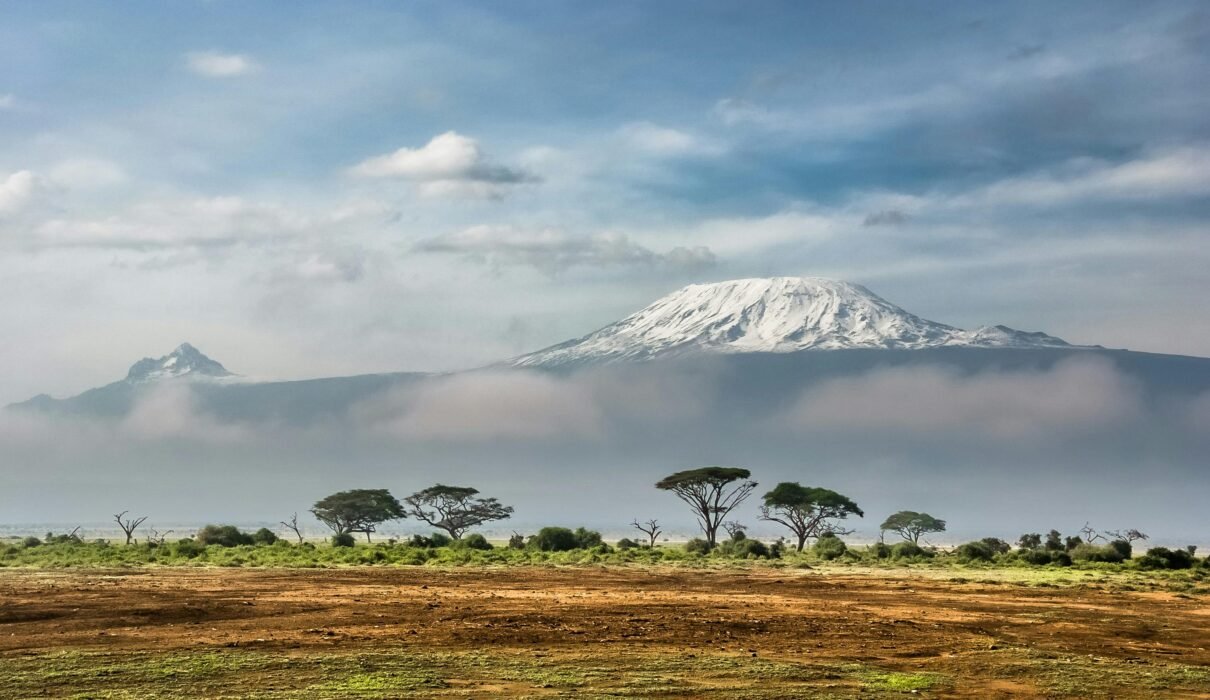
Reusch Crater: Kilimanjaro’s Volcanic Past tells the story of how powerful underground forces created the highest mountain in Africa and left behind one of the most fascinating volcanic features on the summit of Mount Kilimanjaro. Hidden inside the wide Kibo summit area, Reusch Crater is a quiet reminder that the mountain was once alive with lava, ash and eruptive energy, long before it became a world-famous trekking destination.
Understanding this place is not only interesting for climbers and geology lovers. It also helps visitors appreciate how fragile the summit environment really is and why responsible travel matters so much today. If you are planning your journey with a reliable local operator such as Eddy Tours & Safaris, learning about this volcanic history adds a deeper meaning to every step you take toward the roof of Africa.
Reusch Crater: Kilimanjaro’s Volcanic Past and the birth of Kibo volcano
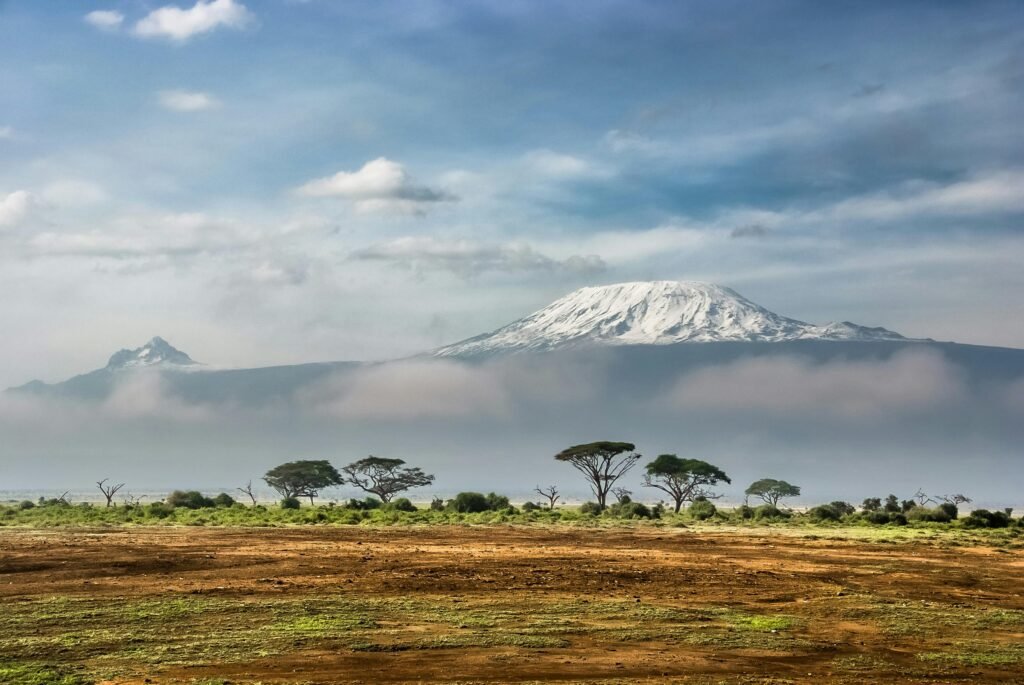
To understand Reusch Crater: Kilimanjaro’s Volcanic Past, we must first understand how the Kibo volcanic cone was formed. Kilimanjaro is made up of three main volcanic centers, and Kibo is the youngest and most dominant one. Geological research from the United States Geological Survey and volcanic process explanations published by the Smithsonian National Museum of Natural History show that repeated eruptions, magma movement and collapse structures gradually built the high summit dome that we see today.
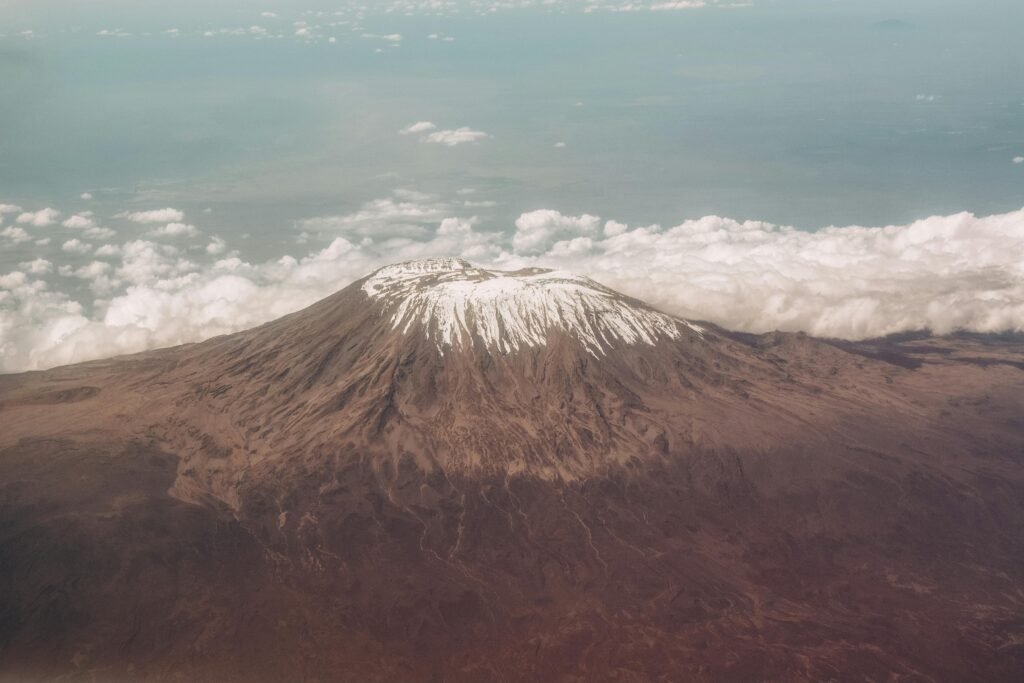
Scientific articles shared through ScienceDirect and geological studies published in Nature Research explain how lava flows and explosive eruptions created a complex system of craters and vents. Reusch Crater developed during later volcanic stages inside the larger Kibo crater system, making it one of the youngest visible volcanic structures on the summit.
Reusch Crater: Kilimanjaro’s Volcanic Past and summit geology
From a geological perspective, Reusch Crater: Kilimanjaro’s Volcanic Past represents an important example of summit crater formation on large stratovolcanoes. Geological mapping and rock analysis carried out by international research groups and summarized by the British Geological Survey show how small inner craters often form during the final eruptive phases of volcanic systems.
High-altitude landform research published through Frontiers in Earth Science and terrain evolution studies supported by the United Nations Environment Programme confirm that summit craters are highly sensitive to erosion, temperature change and surface weathering. Reusch Crater sits inside this delicate zone, where volcanic rock is constantly reshaped by wind, ice and extreme temperature variations.
Reusch Crater: Kilimanjaro’s Volcanic Past and climate research
Another important side of Reusch Crater: Kilimanjaro’s Volcanic Past is its role in understanding climate change at high elevation. Kilimanjaro’s summit glaciers and volcanic surfaces are closely monitored by scientists studying long-term climate patterns. Climate observations published by NASA Climate and global assessments produced by the Intergovernmental Panel on Climate Change explain how temperature increases affect ice cover, rock stability and moisture conditions on tropical mountains.
Environmental monitoring projects coordinated through the International Union for Conservation of Nature and climate adaptation research supported by the World Bank Climate Change Programme highlight that volcanic summit zones such as Reusch Crater are valuable natural laboratories for studying rapid environmental change in Africa.
Reusch Crater: Kilimanjaro’s Volcanic Past and volcanic hazards science
Although Kilimanjaro is currently dormant, Reusch Crater: Kilimanjaro’s Volcanic Past helps scientists understand how volcanic systems behave over long periods of inactivity. Volcanology institutions such as the Smithsonian Global Volcanism Program and hazard assessment frameworks developed by the USGS Volcano Hazards Program use crater structures to reconstruct eruption histories.
Scientific reviews published in Journal of Volcanology and Geothermal Research show how inner craters such as Reusch Crater can reveal magma movement pathways and eruption styles that are no longer visible on the surface.
Reusch Crater: Kilimanjaro’s Volcanic Past and fragile summit ecosystems
Beyond geology, Reusch Crater: Kilimanjaro’s Volcanic Past is closely linked to one of the most fragile ecosystems in East Africa. Alpine desert environments around the summit support only highly specialized life forms. Conservation organizations such as the World Wide Fund for Nature, the African Wildlife Foundation and Conservation International explain how high-altitude ecosystems recover extremely slowly after disturbance.
Scientific environmental assessments supported by the National Geographic Society and land degradation studies published by the Food and Agriculture Organization of the United Nations show that careless movement and waste accumulation near volcanic summit features can permanently damage sensitive soils and micro-habitats.
Reusch Crater: Kilimanjaro’s Volcanic Past and medical altitude research
For climbers, Reusch Crater: Kilimanjaro’s Volcanic Past is experienced at extreme altitude, where human physiology becomes part of the scientific story. Medical guidance published by the Centers for Disease Control and Prevention and high-altitude research coordinated by the International Society for Mountain Medicine explain how oxygen shortage affects physical performance near the crater zone.
Clinical studies available through PubMed and medical education resources from Johns Hopkins Medicine confirm that careful pacing, hydration and monitoring are essential when moving around high volcanic structures such as Reusch Crater.
Reusch Crater: Kilimanjaro’s Volcanic Past and cultural education value
The educational importance of Reusch Crater: Kilimanjaro’s Volcanic Past goes beyond science. Mountains play a key role in global environmental education. Heritage and learning frameworks promoted by UNESCO and global academic cooperation programs supported by the United Nations Academic Impact encourage the use of natural landscapes as outdoor classrooms.
Research and learning initiatives coordinated by Harvard University research programs show that direct exposure to geological and climate features improves public understanding of sustainability and environmental responsibility.
Reusch Crater: Kilimanjaro’s Volcanic Past and responsible trekking practice
Responsible travel strongly shapes how Reusch Crater: Kilimanjaro’s Volcanic Past is protected for future generations. Labour and ethical operation standards promoted by the International Labour Organization and community protection initiatives supported by Oxfam International highlight how fair treatment of mountain crews strengthens conservation culture.
Many climbers choose professionally organized itineraries through Kilimanjaro climbing programs that respect environmental limits, use established trails and apply strict waste management systems around sensitive volcanic features.
Reusch Crater: Kilimanjaro’s Volcanic Past and modern research cooperation
Ongoing research continues to expand the understanding of Reusch Crater: Kilimanjaro’s Volcanic Past. Environmental monitoring and geological field studies published through Frontiers in Environmental Science and biodiversity assessments coordinated by the Wildlife Conservation Society rely on controlled access and reliable field logistics.
Operational safety and access planning for high-altitude research often follow international risk management guidance from the World Bank Disaster Risk Management Programme, helping protect both scientists and sensitive summit environments.
Reusch Crater: Kilimanjaro’s Volcanic Past for today’s climbers
For modern trekkers, Reusch Crater: Kilimanjaro’s Volcanic Past represents a powerful meeting point between science, history and human curiosity. Standing near this quiet crater allows climbers to visualize the enormous geological forces that built Kilimanjaro and shaped the landscape far below.
Visitors who plan their journey with knowledgeable local teams such as Tanzania travel specialists benefit from professional interpretation and responsible route planning that protects both climbers and the mountain itself.
Plan your climb with respect for Kilimanjaro’s volcanic heritage
Understanding Reusch Crater: Kilimanjaro’s Volcanic Past transforms a normal summit walk into a meaningful encounter with Earth’s deep history. This crater is not simply a feature on a map. It is a silent witness to powerful eruptions, changing climates and modern conservation challenges.
If you would like honest local guidance and well-designed itineraries that respect Kilimanjaro’s geological and environmental heritage, you can speak directly with local experts through personal trekking consultation support. Protecting this extraordinary volcanic landscape begins with how each visitor chooses to experience it.