
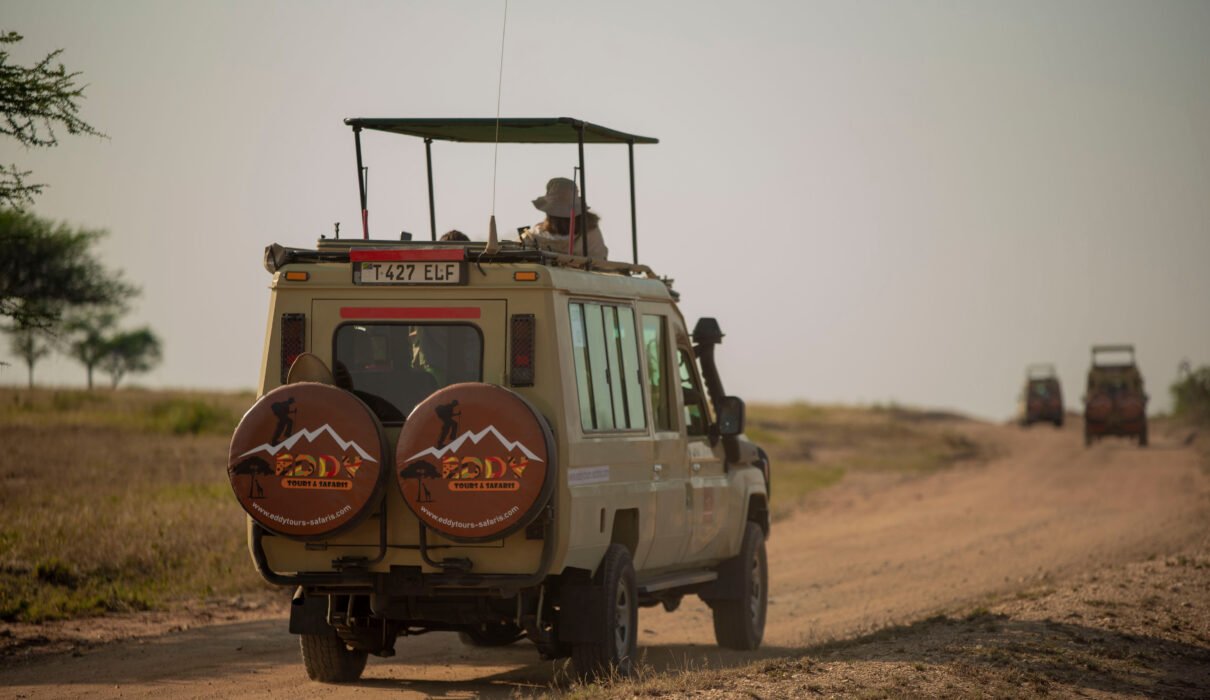
Safari Costs continue to be one of the most searched topics for travelers planning unforgettable wildlife adventures in Africa, especially for the seasons of 2026, 2027, and 2028. Understanding what determines pricing helps travelers budget wisely, compare destinations confidently, and choose experiences that truly match their expectations. While many assume safaris are extremely expensive, the truth is more nuanced: costs vary depending on destination, travel season, accommodation style, park fees, conservation regulations, transport options, and personalized preferences. This comprehensive guide explores the true structure behind pricing, helping readers make informed decisions while naturally exploring options with African safari specialists who offer tailored itineraries designed for diverse budgets.
Safari Costs Explained: Understanding the Real Value of African Safaris
When travelers begin researching Safari Costs, they quickly discover that pricing reflects far more than accommodation alone. A safari combines transportation, conservation fees, expert guiding, park access, logistics planning, food, and immersive experiences across remote ecosystems. Organizations such as World Wildlife Fund, International Union for Conservation of Nature, and Conservation International highlight how responsible tourism directly funds wildlife protection, ranger programs, and habitat preservation. This means part of every safari payment supports conservation efforts across regions like Tanzania, Kenya, Botswana, and Namibia.
Many travelers comparing packages through platforms such as Google often overlook operational realities behind the experience. Remote lodges require airstrips, trained guides certified through institutions like the Field Guides Association of Southern Africa, sustainable food sourcing, and eco-friendly infrastructure. Research shared by National Geographic Society confirms that conservation tourism plays a measurable role in preserving biodiversity while benefiting local communities.
Key Factors That Influence Safari Costs
Destination Choice and National Park Fees
Different African destinations present varying fee structures due to conservation policies and operational logistics. For instance, Tanzania’s Serengeti ecosystem is studied extensively by the Serengeti Research Institute, while Kenya’s Maasai Mara collaborates with organizations like the African Wildlife Foundation. Countries set entrance fees based on wildlife protection strategies, visitor capacity management, and infrastructure demands. Booking through trusted operators like Tanzania safari experts ensures transparency when planning across borders.
Seasonal Travel Trends and Pricing
Seasonality plays a significant role in Safari Costs. Peak travel months, especially during the Great Migration documented by the Encyclopaedia Britannica, typically run from June to October and command higher rates. Shoulder seasons such as March or November often offer better value with fewer crowds. Climate insights from NASA Climate and research by the UK Met Office further help travelers understand seasonal wildlife movement patterns.
Accommodation Types and Comfort Levels
Accommodation choices strongly shape pricing structures. Budget tented camps emphasize simplicity and proximity to nature, while mid-range lodges balance comfort with affordability. Luxury camps frequently featured in conservation discussions by WWF Tanzania invest heavily in sustainability systems such as solar power, water recycling, and low-impact design. Travelers planning through custom safari planners often benefit from curated combinations tailored to their comfort preferences.
Transportation and Logistics Costs
Domestic Flights vs Road Transfers
Logistics significantly affect Safari Costs, especially across vast landscapes like East Africa. Domestic flights offered by regional carriers reduce travel time while increasing pricing slightly, whereas road transfers allow scenic experiences but require additional fuel, guides, and time coordination. Aviation insights from International Civil Aviation Organization emphasize safety standards followed across African aviation networks.
Private vs Group Safaris
Private safaris offer flexibility, personalized guiding, and custom schedules, while group safaris lower costs by sharing vehicles and guides. Studies from UN World Tourism Organization suggest group travel often enhances accessibility for first-time safari visitors while maintaining meaningful wildlife encounters.
Guide Expertise and Conservation Knowledge
Professional guides significantly shape the value behind Safari Costs. Certified guides undergo rigorous training covering ecology, tracking skills, safety, and interpretation. Training institutions supported by organizations such as the Zoological Society of London emphasize ethical wildlife viewing standards. Booking with experienced operators like trusted safari companies ensures guests benefit from deep ecological insight throughout their journey.
Hidden Costs Travelers Should Consider
Visas, Insurance, and Health Requirements
Beyond listed packages, travelers should consider visa costs, travel insurance, and health preparations. Global health guidance from the World Health Organization and vaccine recommendations from the Centers for Disease Control and Prevention remain essential for East African travel planning.
Tips and Cultural Experiences
Tipping guides and staff remains customary across safari destinations. Cultural experiences such as community visits often support grassroots initiatives recognized by UNESCO and development programs supported by the World Bank.
Luxury vs Budget Safari Costs Compared
Budget safaris often range between moderate daily rates, offering authentic experiences with fewer amenities. Mid-range options balance comfort and affordability, while luxury safaris provide exclusive wildlife access, private concessions, and premium services. Reports from World Economic Forum highlight how luxury eco-tourism supports sustainable development while funding conservation infrastructure.
How to Save Money Without Compromising Experience
Smart planning can significantly reduce Safari Costs. Booking early for 2026 and beyond often secures better availability and promotional rates. Traveling during shoulder seasons, combining destinations strategically, and consulting with experienced planners through professional safari consultation services helps optimize value. Conservation insights from Fauna & Flora encourage responsible travel choices that support sustainable ecosystems.
Technology and Planning Tools for Safari Budgeting
Modern travelers increasingly rely on data-driven planning supported by research platforms like Google Scholar, ecological databases from the Global Biodiversity Information Facility, and travel forecasting tools developed by institutions such as OECD. These resources provide insight into travel trends, wildlife movements, and environmental sustainability.
Safari Costs Forecast for 2026, 2027, and 2028
Looking ahead to 2026, 2027, and 2028, experts anticipate gradual price increases driven by conservation investments, inflation, and demand growth. Environmental assessments from the Intergovernmental Panel on Climate Change suggest that eco-tourism strategies will continue shaping pricing frameworks. However, careful planning ensures travelers still access exceptional experiences without overspending.
Frequently Asked Questions About Safari Costs
1. Why do safari prices vary so much?
Prices differ due to accommodation levels, travel season, park fees, transportation methods, and guide expertise, all of which influence the total experience.
2. Are safaris worth the money?
Many travelers believe they are worthwhile due to conservation contributions, cultural immersion, and unforgettable wildlife encounters.
3. How early should I book for 2026 safaris?
Experts recommend booking 9–12 months ahead, especially for peak migration seasons and luxury accommodations.
4. What is included in most safari packages?
Most packages include accommodation, meals, guiding services, park fees, and transportation within the itinerary.
5. Can families afford safaris?
Yes, family-friendly group safaris often provide flexible pricing and tailored experiences for all age groups.
6. Which destination offers the best value?
Tanzania and Kenya often offer strong value due to diverse ecosystems and well-developed safari infrastructure.
Conclusion: Planning Smart for the Best Safari Experience
Understanding Safari Costs empowers travelers to plan responsibly while maximizing value and conservation impact. With thoughtful budgeting, strategic planning, and guidance from experienced professionals, African safaris remain accessible and transformative. Whether traveling in 2026, 2027, or 2028, careful preparation ensures unforgettable encounters across Africa’s iconic landscapes while contributing meaningfully to global conservation efforts.