
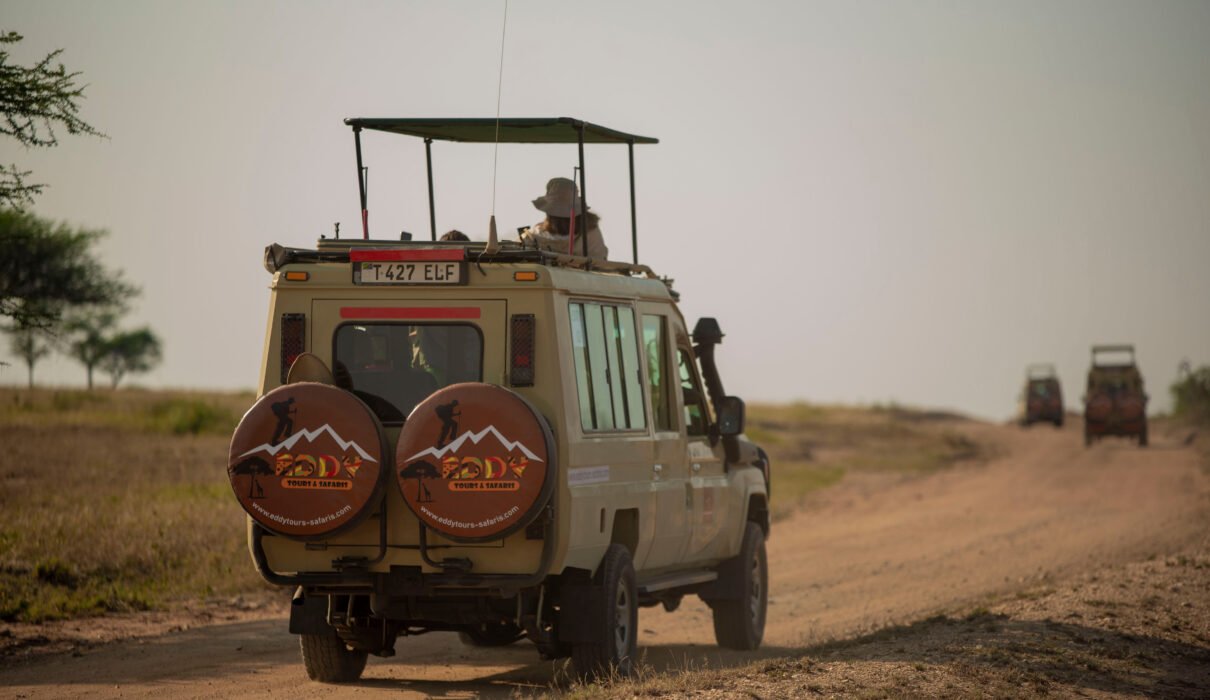
Safari Illness Guide: What Happens If You Get Sick During a Safari 2026/2027/2028
Safari illness guide is something many travelers never think about until the unexpected happens. You are in the middle of the Serengeti, enjoying wildlife, when suddenly you feel unwell. The good news is that professional safari operators are well prepared for such situations, and with the right planning, most cases are handled quickly and safely without ruining your entire trip.
In this guide, you will understand exactly what happens if you get sick during a safari, how guides respond, what medical options are available, and how to reduce risks before your trip. This information is especially important for travelers planning safaris in 2026, 2027, and 2028.
Safari Illness Guide: Common Health Issues on Safari
Most illnesses during safari are not serious. They are usually mild and manageable if handled early. The most common issues include dehydration, fatigue, stomach upset, mild food poisoning, headaches from heat, and sometimes altitude-related discomfort if your trip includes highland areas.
In rare cases, travelers may experience infections, allergies, or more serious medical emergencies. However, safari guides are trained to identify symptoms early and take action before things escalate. This is why choosing a reliable operator like Eddy Tours and Safaris is important, as they prioritize guest safety at all times.
Safari Illness Guide: What Your Guide Will Do First
When you report feeling unwell, your guide becomes your first line of support. Most professional guides in Tanzania are trained in first aid and basic emergency response. They will assess your condition, ask questions, and determine whether it is something minor or requires medical attention.
If the issue is mild, such as dehydration or fatigue, they may advise rest, hydration, and light food. If symptoms persist, the guide will coordinate with the lodge or nearest medical facility. This is standard practice in well-managed safaris and ensures you are never left alone in a difficult situation.
Safari Illness Guide: Access to Medical Facilities
Safari destinations like Serengeti, Ngorongoro, and Tarangire are remote, but they are not cut off from medical help. There are clinics and medical centers within or near most major parks. In addition, many lodges have emergency protocols and connections with doctors in nearby towns.
If needed, you may be transferred to a hospital in Arusha or another major town. Companies like Kilimanjaro Climb Specialist and safari operators often coordinate with medical evacuation services to ensure quick assistance.
Safari Illness Guide: Emergency Evacuation
In serious situations, evacuation may be required. This is usually done by 4×4 vehicle or, in extreme cases, by air evacuation. Air evacuation services are available in Tanzania and are often covered by travel insurance.
This is why having comprehensive travel insurance is essential. Organizations like World Health Organization and CDC strongly recommend insurance that includes emergency evacuation for international travelers.
Safari Illness Guide: Will Your Safari Be Ruined?
Many travelers worry that getting sick will completely ruin their safari. In reality, most cases are minor and only require a short rest. You may miss one game drive, but you can continue the rest of your itinerary once you recover.
Safari operators are flexible and can adjust plans based on your condition. At Eddy Tours and Safaris, guides and staff always prioritize your health while trying to keep your experience enjoyable.
Safari Illness Guide: Prevention Is Always Better
Preventing illness is much easier than dealing with it during your safari. Simple steps can make a huge difference. Drink enough water, avoid overexposure to the sun, eat well-cooked food, and get enough rest between activities.
Before traveling, it is also recommended to consult travel health guidelines from trusted sources like UNICEF, NIH, and Healthline for updated advice.
Safari Illness Guide: What to Pack for Health Safety
Carrying a small medical kit is very important. Include basic medications such as painkillers, anti-diarrhea tablets, rehydration salts, and any personal prescriptions. Sunscreen, insect repellent, and hand sanitizer are also essential.
Research institutions like Nature and ScienceDirect highlight the importance of preparation when traveling in remote environments, especially for maintaining good health.
Safari Illness Guide: Food and Water Safety
Food safety is a common concern, but reputable safari lodges maintain high hygiene standards. Always drink bottled or filtered water, and avoid consuming untreated water. Most lodges provide safe drinking water for guests.
Global organizations such as FAO and World Bank emphasize safe food handling practices, which are followed by professional safari providers.
Safari Illness Guide: Malaria and Mosquito Protection
Malaria is often mentioned when traveling to Africa, but the risk can be managed. Use insect repellent, wear long sleeves in the evening, and sleep under mosquito nets where provided. Many travelers also take preventive medication.
For detailed information, refer to CDC Malaria Guidelines and WHO Malaria Programme.
Safari Illness Guide: Altitude and Fatigue
If your safari includes highland areas or is combined with a mountain climb, altitude can affect you. Symptoms may include headaches, dizziness, or shortness of breath. These are usually mild and improve with rest and hydration.
If you are planning a Kilimanjaro climb, check expert advice from Kilimanjaro Climb Specialist to prepare properly.
Safari Illness Guide: Travel Insurance Importance
Travel insurance is not optional—it is essential. It covers medical expenses, evacuation, and even trip interruptions. Without insurance, emergency costs can be very high.
Financial institutions like IMF and OECD highlight the importance of risk management in travel, including insurance coverage.
Safari Illness Guide: Psychological Comfort
Sometimes, feeling unwell is not only physical but also mental due to unfamiliar environments. Staying calm, communicating with your guide, and resting properly can make a big difference.
Organizations such as American Psychological Association and Mind UK emphasize the importance of mental well-being during travel.
Safari Illness Guide: Why Choosing the Right Operator Matters
Your safari experience depends heavily on the operator you choose. A professional company ensures safety, trained guides, emergency protocols, and support throughout your journey.
With Eddy Tours and Safaris, you are not just booking a trip—you are choosing a team that is prepared for every situation, including health emergencies.
Safari Illness Guide: Final Thoughts
Getting sick during a safari is not something anyone wants, but it is manageable and often minor. With proper preparation, reliable guides, and good support systems, you can handle unexpected situations without stress.
This safari illness guide shows that your safety is always a priority. By planning ahead and choosing the right operator, you can enjoy your safari in 2026, 2027, or 2028 with confidence and peace of mind.
Book Your Safe and Well-Planned Safari
Ready to experience Tanzania safely and comfortably? Explore our professionally designed safari packages at Eddy Tours and Safaris. Our team ensures your journey is smooth, secure, and unforgettable from start to finish.
Start planning today and travel with confidence.