
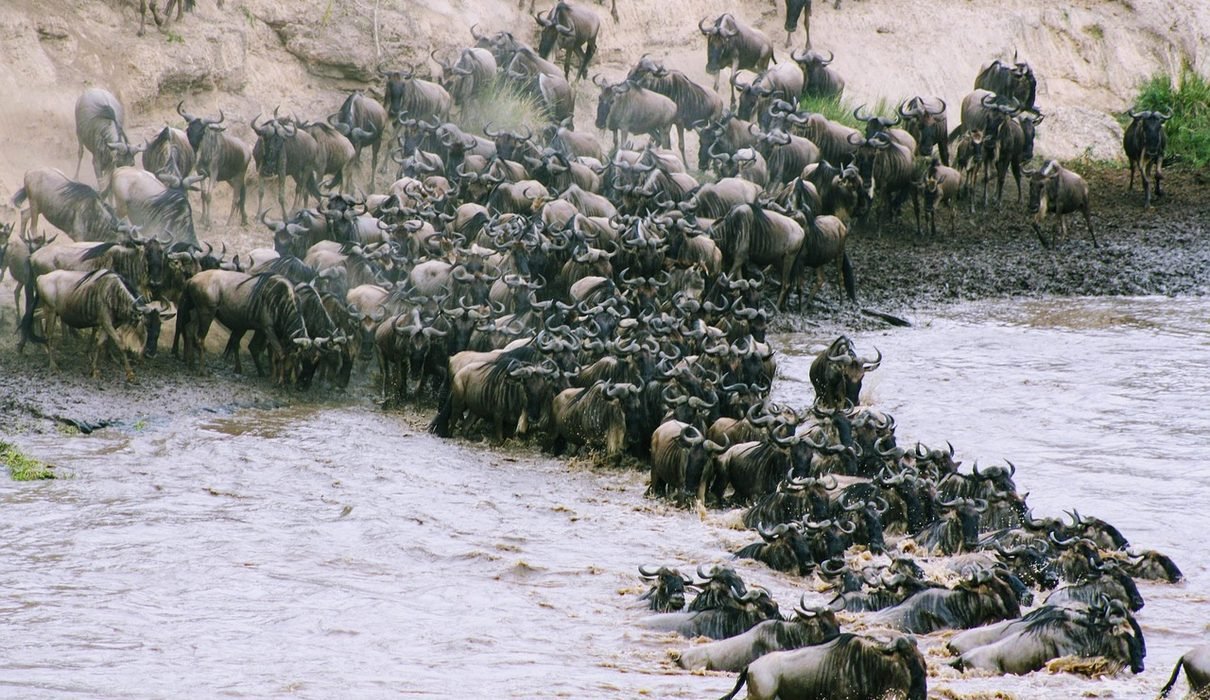
A safari through Kenya and Tanzania in 2027 or 2028 offers travellers the chance to explore two of Africa’s most famous wildlife destinations in one journey. These neighbouring countries share remarkable ecosystems, rich cultural traditions and some of the continent’s largest concentrations of wild animals. From the open grasslands of the Maasai Mara to the endless plains of the Serengeti, a combined safari allows visitors to experience different landscapes, follow seasonal wildlife movements and discover what makes East Africa such an attractive destination for nature lovers.
Planning a Kenya and Tanzania safari requires more than choosing national parks and booking accommodation. Travellers need to consider the best months for wildlife viewing, the distance between destinations, border-crossing arrangements, accommodation standards and the number of days available. A carefully planned journey can include Kenya’s Maasai Mara and Amboseli National Park alongside Tanzania’s Serengeti, Ngorongoro Crater and Tarangire National Park. This comprehensive guide explains how to organise a rewarding safari for 2027 or 2028, including suggested routes, seasonal travel advice, expected costs and practical information for international visitors.
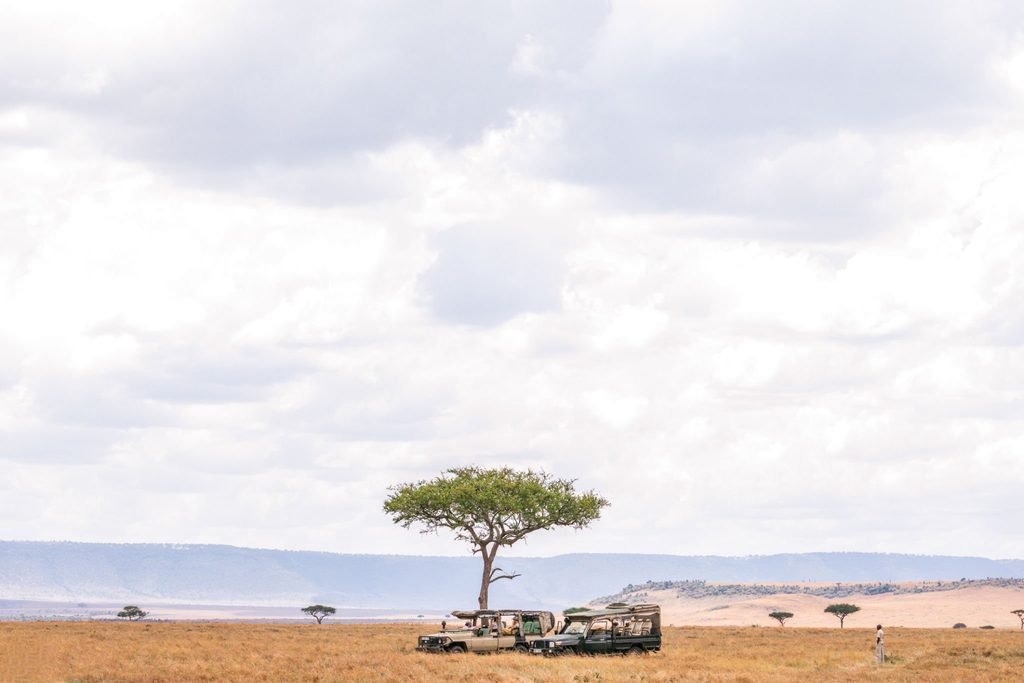
For travellers who want local assistance with the Tanzanian part of their journey, Eddy Tours & Safaris is based in Arusha and offers privately guided wildlife safaris, Kilimanjaro trekking and tailor-made holidays. Visitors can also explore the company’s Tanzania safari packages when comparing destinations and travel arrangements.
Why Combine Kenya and Tanzania on One Safari?
Kenya and Tanzania are often compared because both countries offer excellent opportunities to observe African wildlife. However, travelling through both provides a broader experience than visiting either country alone. Kenya is particularly well known for the Maasai Mara, Amboseli’s elephant herds and the beautiful scenery of the Great Rift Valley. Tanzania offers the enormous Serengeti ecosystem, the wildlife-rich Ngorongoro Crater, Tarangire’s baobab landscapes and several other protected areas where visitors can enjoy extended game drives.
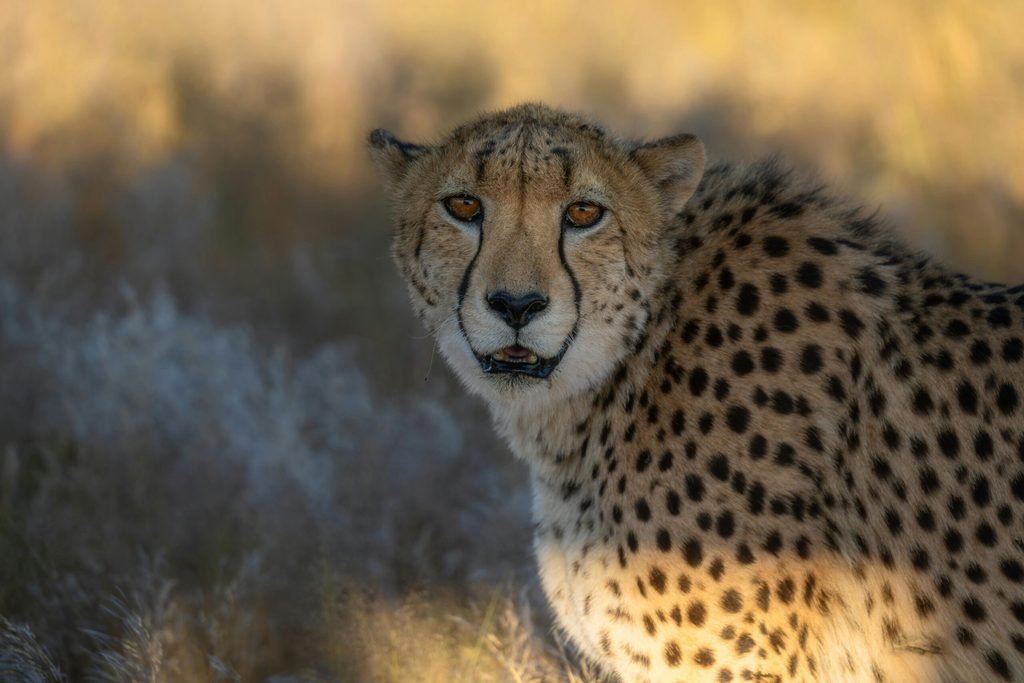
One of the strongest reasons to combine the two destinations is their connection through the Greater Serengeti–Mara ecosystem. Wildlife moves across this landscape according to rainfall, grazing conditions and seasonal changes. Wildebeest, zebras and gazelles travel through different parts of the ecosystem during the year, attracting predators such as lions, cheetahs and hyenas. Although the international border separates Kenya and Tanzania politically, the animals follow natural movements that are not determined by national boundaries.
A combined safari also gives travellers greater flexibility when choosing their holiday experience. Families may prefer comfortable lodges and shorter driving days, while photographers might spend several nights in selected wildlife areas. Couples can combine private game drives with peaceful accommodation, and adventurous visitors can add walking experiences, cultural visits or mountain trekking. Travellers looking for more information about safari planning can read the Tanzania Safari Guide for 2027–2028.
Best Wildlife Destinations to Visit in Kenya
Maasai Mara National Reserve
The Maasai Mara is one of Kenya’s most recognised safari destinations and an important part of the Greater Serengeti–Mara ecosystem. Its grasslands, seasonal rivers and scattered acacia trees provide suitable habitats for lions, elephants, buffaloes, giraffes, zebras and several species of antelope. The reserve is particularly popular with travellers hoping to observe large predators because lions and cheetahs can often be seen hunting or resting across the open plains. Wildlife viewing remains rewarding throughout the year, although the experience changes with rainfall and animal movements.
Between approximately July and October, depending on seasonal conditions, migrating wildebeest and zebras may be present in the Maasai Mara. Visitors sometimes witness dramatic river crossings, but these events cannot be scheduled or guaranteed. Spending several days in the area improves the opportunity to explore different sections of the reserve without rushing between sightings. Travellers should also consider the differences between staying inside the main reserve and using accommodation in surrounding conservancies, where permitted activities and access arrangements may vary.
Amboseli National Park
Amboseli National Park is especially famous for its elephants and views towards Mount Kilimanjaro. The park’s open plains, wetlands and seasonal water sources attract wildlife throughout the year, making it an excellent destination for travellers who enjoy elephant photography. On clear mornings, the snow-capped upper slopes of Kilimanjaro may be visible beyond the park, creating one of East Africa’s most recognisable safari landscapes. Clouds frequently cover the mountain later in the day, so visitors interested in photography should allow time for early morning viewing.
Amboseli is also a practical destination for travellers planning to cross into northern Tanzania through the Namanga border. Depending on the overall itinerary, it can be combined with a journey towards Arusha, Tarangire or other northern Tanzanian attractions. Those interested in seeing Kilimanjaro from a different perspective can extend their holiday with a trekking programme. Additional mountain information is available through Kilimanjaro Climb Specialist, which provides resources for travellers considering a climb.
Lake Nakuru National Park
Lake Nakuru National Park offers a different environment from the Maasai Mara and Amboseli. Located in Kenya’s Rift Valley, the park combines woodland, grassland and lakeshore habitats. It is known for its rhinoceros conservation efforts and provides opportunities to observe both black and white rhinos, although sightings depend on where animals are moving. Visitors may also encounter buffaloes, giraffes, zebras, waterbucks and numerous bird species. Flamingos can sometimes be present around the lake, but their numbers vary considerably according to water conditions and food availability.
Lake Nakuru can be included in longer Kenyan itineraries, particularly when travelling between Nairobi and the Maasai Mara. However, visitors with limited time should avoid adding too many destinations simply to increase the number of parks visited. A good safari should allow sufficient time for game drives and relaxation rather than spending most of the holiday on the road.
Best Wildlife Destinations to Visit in Tanzania
Serengeti National Park
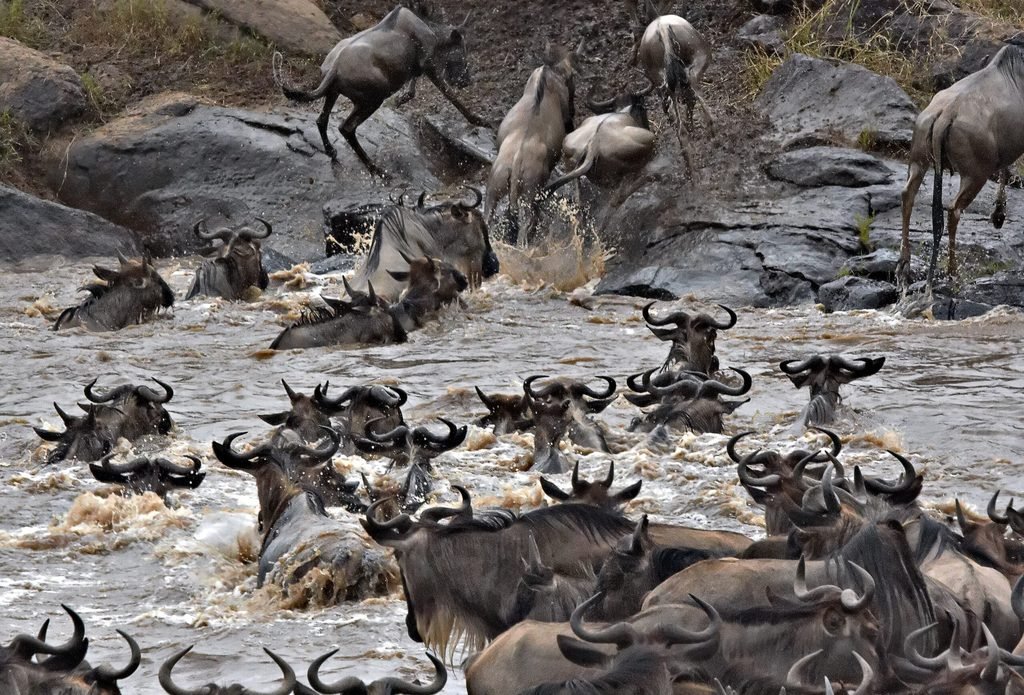
Serengeti National Park is one of Tanzania’s most important wildlife destinations and a central attraction on many combined Kenya and Tanzania safaris. The park covers a vast area of plains, woodland, river systems and rocky outcrops, supporting large populations of herbivores and predators. Lions, leopards, cheetahs, elephants, buffaloes, giraffes and numerous antelope species can be found in different parts of the park. Its size means that wildlife experiences vary considerably between the central, southern, western and northern regions.
The central Serengeti, particularly around Seronera, is well known for resident wildlife and predator sightings throughout the year. The southern plains and neighbouring Ndutu area become important during the calving season, usually around January to March, while the western and northern regions attract visitors interested in seasonal migration movements. Travellers planning a 2027 or 2028 safari should choose their accommodation location according to their travel dates rather than assuming that the migration will be visible from every lodge.
A visit to Serengeti is often combined with Ngorongoro Crater and Tarangire, creating a well-balanced northern Tanzania safari. Visitors can compare different durations through the all-inclusive Tanzania safari packages offered by Eddy Tours & Safaris.
Ngorongoro Crater
Ngorongoro Crater is among Tanzania’s most distinctive wildlife destinations because of its volcanic landscape and the concentration of animals living within the crater. The large caldera contains grasslands, wetlands, woodland and seasonal water sources that support buffaloes, zebras, wildebeest, hippos, elephants and numerous predators. Black rhinos also inhabit the crater, although sightings are never guaranteed. The combination of varied habitats within a relatively compact area makes Ngorongoro especially attractive to visitors who have limited safari time.
Most safari itineraries include an early morning descent into the crater, followed by several hours of game viewing before returning to the rim or continuing towards another destination. The descent is subject to conservation-area rules, entry permits and applicable time restrictions. Travellers should also understand that Ngorongoro Crater is only one part of the wider Ngorongoro Conservation Area, which includes highland landscapes, Maasai communities and important archaeological sites.
Tarangire National Park
Tarangire National Park is an excellent addition to a Kenya and Tanzania safari, particularly for travellers interested in elephants and landscapes that differ from the Serengeti. The park is characterised by large baobab trees, open woodland, seasonal swamps and the Tarangire River, which becomes an important water source during the dry season. Elephant herds are a major attraction, but visitors may also encounter giraffes, zebras, wildebeest, buffaloes, lions and many bird species.
The dry months, generally from June to October, can provide rewarding wildlife viewing as animals gather around permanent water sources. During wetter periods, the landscape becomes greener and wildlife may be more widely dispersed. Tarangire is conveniently reached from Arusha and is commonly included at the beginning or end of a northern Tanzania safari. It can also be combined with Ngorongoro Crater for travellers who prefer a shorter itinerary.
Best Time for a Kenya and Tanzania Safari in 2027/2028
The best time to visit Kenya and Tanzania depends on the wildlife experience you are hoping to enjoy. Although both countries offer safaris throughout the year, seasonal rainfall influences vegetation, road conditions, animal movements and accommodation demand. The dry season generally makes wildlife easier to observe around water sources, while the wetter months bring green landscapes, fewer visitors in some areas and excellent opportunities for birdwatching.
June to October: Dry Season and Migration Viewing
June to October is one of the most popular periods for East African safaris. Conditions are generally drier across many northern safari destinations, and wildlife can become easier to observe as vegetation thins and animals gather near reliable water. The Maasai Mara is especially popular from approximately July to October because migrating herds may enter the Kenyan section of the ecosystem. In Tanzania, the northern Serengeti can offer migration-related sightings during parts of this period, although exact timing changes each year.
Because these months attract considerable international demand, accommodation in popular areas may fill well in advance. Travellers considering a safari in July, August or September 2027 or 2028 should begin comparing lodges and itineraries early, especially when travelling as a family or requesting particular accommodation standards.
November to March: Green Landscapes and Calving Season
November to March offers a different kind of safari experience. Seasonal rains encourage fresh grass growth, creating attractive landscapes and supporting the movement of grazing animals. In the southern Serengeti and Ndutu region, the wildebeest calving season generally occurs around January and February, sometimes extending into March. Large numbers of newborn calves attract predators, making this period especially interesting for visitors who want to observe wildlife behaviour.
Kenya’s wildlife reserves also remain accessible during much of this period, although conditions vary between destinations. Visitors should be prepared for occasional rain and changes in wildlife distribution. The advantage is that some areas may feel quieter than during the busiest migration months, allowing more time to enjoy game drives without large concentrations of safari vehicles.
April and May: Rainy Season Considerations
April and May are traditionally associated with the longer rainy season across much of northern Tanzania and parts of Kenya. Rainfall can make some roads muddy, reduce access to certain areas and affect the operation of seasonal camps. However, these months can also offer beautiful green scenery, active birdlife and reduced visitor numbers in selected destinations. Travellers who are flexible with their plans may find attractive accommodation offers, but should confirm road conditions and lodge availability before making reservations.
Suggested 12-Day Kenya and Tanzania Safari Itinerary for 2027/2028
A 12-day itinerary can provide a good introduction to both countries without trying to visit every major national park. The following route is an example rather than a fixed departure, and accommodation, transport and activities should be adjusted according to travel dates and available time. This route begins in Nairobi, explores the Maasai Mara, crosses into Tanzania and continues through the Serengeti, Ngorongoro and Tarangire before finishing in Arusha.
Days 1–2: Arrival in Nairobi and Travel to Maasai Mara
Your journey begins with arrival at Jomo Kenyatta International Airport in Nairobi, where you will be met and transferred to your accommodation. Depending on your flight arrival time, the first day can be used for rest and preparation before travelling to the Maasai Mara the following morning. The road journey passes through parts of Kenya’s Great Rift Valley, with opportunities to observe changing landscapes along the way. After reaching the reserve area, you will check into your lodge or tented camp and, if time permits, enjoy an afternoon game drive.
Days 3–4: Full Safari Experience in Maasai Mara
Spend two days exploring the Maasai Mara with a professional safari guide. Early morning and afternoon game drives provide opportunities to search for lions, cheetahs, elephants, giraffes, buffaloes and other animals living in the reserve. Your guide will adjust the routes according to wildlife activity, weather and park regulations. During migration months, the itinerary may include visits to suitable river areas, although crossings depend entirely on animal movements. Even outside the migration season, the Maasai Mara remains a rewarding destination because of its resident wildlife.
Day 5: Cross the Kenya–Tanzania Border and Continue Towards Lake Victoria
After breakfast, depart the Maasai Mara region and travel towards the Isebania border crossing. This is a substantial transfer day, and the exact driving time depends on the location of your lodge, road conditions and immigration procedures. After completing the necessary formalities, you will meet your Tanzanian safari arrangements and continue towards an overnight stop in the Lake Victoria or western Serengeti approach area, depending on the route and accommodation availability. This planned overnight stop helps avoid an unnecessarily long journey into the Serengeti after crossing the border.
Days 6–8: Explore Serengeti National Park
Continue into Serengeti National Park for three days of wildlife viewing across selected regions. The route will depend on the season and the location of your accommodation. Central Serengeti offers strong opportunities for resident wildlife sightings, while northern or southern areas may be included when seasonal migration movements make those regions particularly attractive. Your guide will help identify animals, explain their behaviour and choose suitable game-drive routes. Staying several nights allows you to explore the park at a comfortable pace rather than treating it as a quick stop.
Day 9: Serengeti to Ngorongoro Highlands
Enjoy a final morning game drive in the Serengeti before travelling towards the Ngorongoro Conservation Area. The journey passes through changing landscapes, from open grasslands to higher elevations and cooler conditions. Depending on the accommodation selected, you may spend the night near the crater rim or in the Karatu area. This part of the itinerary provides an opportunity to relax after several days in the Serengeti and prepare for the following morning’s crater visit.
Day 10: Ngorongoro Crater Safari
Depart early for a game drive inside Ngorongoro Crater, one of Tanzania’s most remarkable wildlife environments. During the visit, you may observe large herds of buffaloes and wildebeest, grazing zebras, hippos near water sources and predators moving through the grasslands. The crater also provides opportunities to search for black rhinos, although their movements and visibility vary. After completing the game drive, continue towards Karatu or another suitable overnight location, depending on the itinerary.
Day 11: Tarangire National Park
Travel to Tarangire National Park for a day of wildlife viewing among baobab trees, river valleys and woodland habitats. The park is particularly attractive for elephant sightings, especially during the dry season when animals gather around the Tarangire River. Your guide will explore suitable areas based on the time available and current wildlife conditions. After the game drive, spend the night near the park or continue towards Arusha, depending on your departure plans.
Day 12: Return to Arusha and Departure
After breakfast, travel to Arusha or Kilimanjaro International Airport according to your onward flight schedule. Travellers with additional time can extend their holiday with a visit to Zanzibar, another Tanzania safari destination or a mountain trekking programme. Those considering Mount Kilimanjaro can explore trekking information through Kilimanjaro Climb Specialist and discuss a suitable extension with Eddy Tours & Safaris.
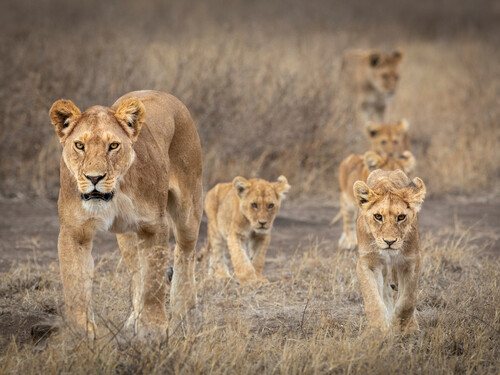
What Is Normally Included in a Kenya and Tanzania Safari Package?
The exact services depend on the operator, accommodation category and itinerary. For a fully arranged private safari, the following items are commonly included, although travellers should always request written confirmation before booking.
Typical Safari Inclusions
- Accommodation in selected lodges, tented camps or safari hotels.
- Meals according to the agreed itinerary, often full board during safari days.
- Private or shared safari transport as specified in the quotation.
- Professional English-speaking safari guides or driver-guides.
- National park entrance fees listed in the confirmed itinerary.
- Scheduled game drives in the selected parks and reserves.
- Drinking water during safari activities, where specified.
- Airport transfers included in the travel programme.
- Agreed transport and assistance during the Kenya–Tanzania border crossing.
- Applicable conservation and crater service fees where clearly stated.
Typical Safari Exclusions
- International flights to Kenya and from Tanzania.
- Kenya electronic travel authorisation and Tanzania visa fees, where applicable.
- International travel and medical insurance.
- Tips for safari guides, drivers and lodge staff.
- Alcoholic beverages and additional personal drinks.
- Laundry, telephone calls and personal purchases.
- Optional hot-air balloon safaris and cultural activities.
- Additional accommodation before or after the scheduled itinerary.
- Changes requested after the itinerary has been confirmed.
- Any service not specifically mentioned in the final quotation.
How Much Does a Kenya and Tanzania Safari Cost in 2027/2028?
The cost of a combined safari varies according to the number of days, group size, accommodation standard, season and transport arrangements. A safari that includes both countries is generally more expensive than a shorter trip within one country because it involves longer travel distances, separate park fees and cross-border logistics. Prices may also increase during the busiest migration months, particularly when popular lodges and tented camps experience high demand.
For early planning, a budget or basic mid-range safari may require several hundred US dollars per person per day, while luxury accommodation and private arrangements can cost considerably more. These are broad planning indications rather than confirmed prices for 2027 or 2028. Travellers should request a detailed quotation showing accommodation names, park fees, vehicle arrangements, meals and border transfers before comparing offers.
The number of people travelling together can make a significant difference to the price per person. A private safari for two travellers usually costs more per person than a similar journey for four or six people sharing the same vehicle. Travellers who are flexible with their travel dates and accommodation preferences may also find more affordable options outside peak holiday periods. For a comparison of shorter Tanzania-only itineraries, visitors can explore the Tanzania safari tour options.
Kenya and Tanzania Border Crossing: What Travellers Should Know
Crossing between Kenya and Tanzania requires careful planning because each country operates its own immigration system and tourism regulations. Two important land-border options for safari travellers are Isebania and Namanga. Isebania is commonly considered for journeys linking the Maasai Mara region with western Tanzania and the Serengeti approach, while Namanga is useful for routes connecting Nairobi or Amboseli with Arusha and northern Tanzania.
Travellers should not assume that safari vehicles can move freely between all parks in the two countries. Depending on the operator and route, it may be necessary to change vehicles and guides at the border. This arrangement should be explained before booking, including who will assist with luggage, immigration formalities and onward transport. The Kenya government’s official border-crossing information can help travellers understand recognised entry points.
It is also important to understand that the Maasai Mara and Serengeti cannot simply be connected by driving through their shared wildlife boundary at any location. The Sand River border crossing is not operational for ordinary tourist transfers, so road journeys generally use recognised immigration posts. A well-planned route accounts for these distances rather than promising a direct transfer that may not be possible.
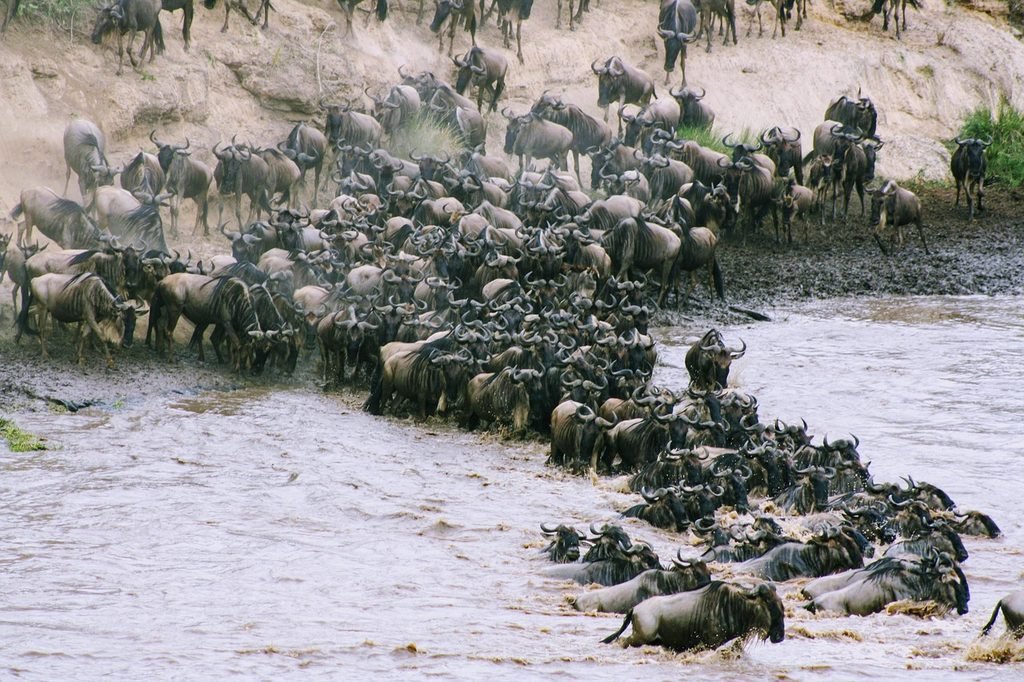
Visa and Travel Documents for 2027/2028
Most international travellers visiting Kenya need to obtain an approved Electronic Travel Authorisation before arrival, although exemptions apply to certain nationalities and traveller categories. Visitors should consult the official Kenya eTA website for the requirements relevant to their passport. Kenya’s travel authorisation rules may change before 2027 or 2028, so travellers should verify current information when preparing their journey.
Tanzania operates a separate visa system, and travellers may need to apply for a tourist visa depending on their nationality. Eligible visitors can apply through the official Tanzania Immigration eVisa portal, while some nationalities are exempt and others must follow additional approval procedures. Travellers should check passport validity, available blank pages, return or onward travel requirements and any applicable health documentation well before departure. A Kenya travel authorisation does not automatically replace the need to meet Tanzania’s immigration requirements.
Should You Choose a Private or Group-Joining Safari?
A private safari is generally suitable for travellers who want more flexibility over accommodation, departure dates and the pace of their journey. Families, couples and wildlife photographers often prefer this arrangement because the guide can adjust daily activities to suit their interests. Private vehicles also make it easier to spend additional time at interesting wildlife sightings, provided park rules and travel schedules allow it.
Group-joining safaris can be attractive to solo travellers and visitors working with a smaller budget because some transport and guiding costs are shared. However, combining Kenya and Tanzania within one group itinerary can be more complicated than joining a safari in a single country. Departure dates, border transfers and accommodation availability must all be coordinated. Travellers considering this option should ask whether the entire journey is operated as one group or whether they will join separate groups in Kenya and Tanzania.
For travellers interested in shared departures within Tanzania, Eddy Tours & Safaris provides information about Tanzania safari group-joining tours, including several popular northern safari combinations.
Can You Combine a Kenya and Tanzania Safari with Kilimanjaro Climbing?
A combined safari can be extended with a Mount Kilimanjaro climb, particularly when the Tanzanian portion of the journey ends in Arusha or near Kilimanjaro International Airport. The mountain attracts trekkers from around the world and offers several established climbing routes, including Machame, Lemosho, Marangu, Rongai and the Northern Circuit. Each route differs in duration, scenery, accommodation arrangements and acclimatisation opportunities.
Travellers planning both a safari and a climb should allow enough days for proper acclimatisation and recovery rather than trying to fit everything into a rushed schedule. Many climbers prefer to complete the mountain trek first and enjoy the safari afterwards, although the order can be adjusted according to personal preferences and flight arrangements. For more detailed route information and trekking preparation, visit Kilimanjaro Climb Specialist. Eddy Tours & Safaris can also help visitors plan a Tanzania holiday that combines wildlife viewing with mountain activities.
Adding Zanzibar to Your Kenya and Tanzania Safari
Zanzibar is a popular extension for travellers who want to spend a few days relaxing after a wildlife safari. The island offers white-sand beaches, warm Indian Ocean waters, historic Stone Town and opportunities for marine activities. After several days of early morning game drives and long road journeys, a beach holiday can provide a welcome change of pace.
Travellers can usually arrange flights from northern Tanzania or other suitable airports to Zanzibar, depending on airline schedules and available connections. A three- to five-night stay can work well for visitors who want time to enjoy the coast without extending their holiday excessively. Accommodation ranges from smaller guesthouses to luxury beachfront resorts, making it possible to match the beach extension with the overall safari budget.
Practical Tips for Planning Your 2027/2028 Safari
Planning ahead is particularly important for travellers visiting Kenya and Tanzania during the busiest wildlife seasons. Popular accommodation in the Maasai Mara, Serengeti and Ngorongoro areas may have limited availability, and cross-border transport needs to be coordinated carefully. Rather than selecting too many destinations, focus on a route that gives you enough time to enjoy each park. A well-designed safari with fewer locations and longer stays can often provide a better wildlife experience than a journey dominated by long transfers.
Travellers should also prepare suitable clothing and personal equipment. Neutral-coloured, comfortable clothing is useful for game drives, while a warm jacket may be needed during early mornings in higher-altitude areas such as Ngorongoro. Binoculars, a camera, sun protection, insect repellent and comfortable footwear are helpful additions. Visitors should consult a qualified healthcare professional for destination-specific health advice and arrange appropriate travel insurance before departure.
When comparing safari quotations, check whether park fees, meals, accommodation, transfers and border arrangements are included. Ask for the exact names of lodges and tented camps, the type of vehicle being used and the services available on each day. Reliable communication with your tour operator before arrival can prevent misunderstandings and help ensure that the holiday runs smoothly.
Frequently Asked Questions About Kenya and Tanzania Safaris
Is Kenya or Tanzania better for a safari?
Both countries offer outstanding wildlife experiences, and the better choice depends on your interests, travel dates and available time. Kenya is especially attractive for the Maasai Mara and Amboseli, while Tanzania is well known for the Serengeti, Ngorongoro Crater and Tarangire. Travellers who have sufficient time can combine both destinations to enjoy a wider range of landscapes and wildlife habitats.
How many days do I need for a combined safari?
A combined safari is possible in approximately 8 to 10 days if the itinerary is carefully limited, but 12 to 14 days generally allows a more comfortable journey with additional time for wildlife viewing. Travellers who want to include several Kenyan parks, the Serengeti, Ngorongoro and a beach extension may need two to three weeks. The best duration depends on how many destinations you wish to visit and whether you prefer road transfers or selected domestic flights.
Can I see the Great Migration in both Kenya and Tanzania?
The Great Migration moves through the wider Serengeti–Mara ecosystem throughout the year, but the herds are not present in the same locations every month. Tanzania’s southern Serengeti and Ndutu region are important during the calving season, while the northern Serengeti and Maasai Mara become particularly relevant during parts of the dry season. Exact movements depend on rainfall and grazing conditions, so sightings and river crossings cannot be guaranteed.
Is a Kenya and Tanzania safari suitable for families?
Yes, a combined safari can be suitable for families, especially when the itinerary includes comfortable accommodation and reasonable driving distances. Parents travelling with younger children should consider shorter game drives, suitable lodge facilities and enough rest time between activities. Some camps and activities have age restrictions, so families should confirm these details before making reservations.
Can I start in Kenya and finish in Tanzania?
Yes. Many combined itineraries begin in Nairobi and finish in Arusha or at Kilimanjaro International Airport. The reverse route is also possible, depending on flights, accommodation availability and the selected parks. Booking an international flight into one country and out of the other can sometimes reduce unnecessary return travel, although travellers should compare flight prices and entry requirements before making a decision.
Plan Your Kenya and Tanzania Safari with Eddy Tours & Safaris
A Kenya and Tanzania safari in 2027 or 2028 can bring together some of East Africa’s most rewarding wildlife destinations in one carefully organised holiday. From the lion-rich grasslands of the Maasai Mara to the great herds of the Serengeti, the wildlife habitats of Ngorongoro Crater and the elephant landscapes of Tarangire, the journey offers plenty of opportunities to experience Africa’s natural environment.
The most important part of planning is choosing a route that suits your travel dates, interests and budget. A good safari should provide enough time for wildlife viewing, comfortable travel arrangements and clear information about the services included. Whether you are planning a family holiday, honeymoon, photography safari or a longer journey combining wildlife and mountain trekking, thoughtful preparation makes a considerable difference.
Eddy Tours & Safaris is a local tour company based in Arusha, Tanzania, offering guided wildlife safaris, Kilimanjaro climbing experiences and tailor-made holidays. Our team can assist with planning the Tanzania section of your journey and discussing suitable arrangements for a combined Kenya and Tanzania safari.
Planning your safari for 2027 or 2028? Visit our contact page and share your preferred travel dates, number of travellers, accommodation preferences and destinations. We will help you explore a suitable itinerary and provide a quotation based on your travel requirements.