
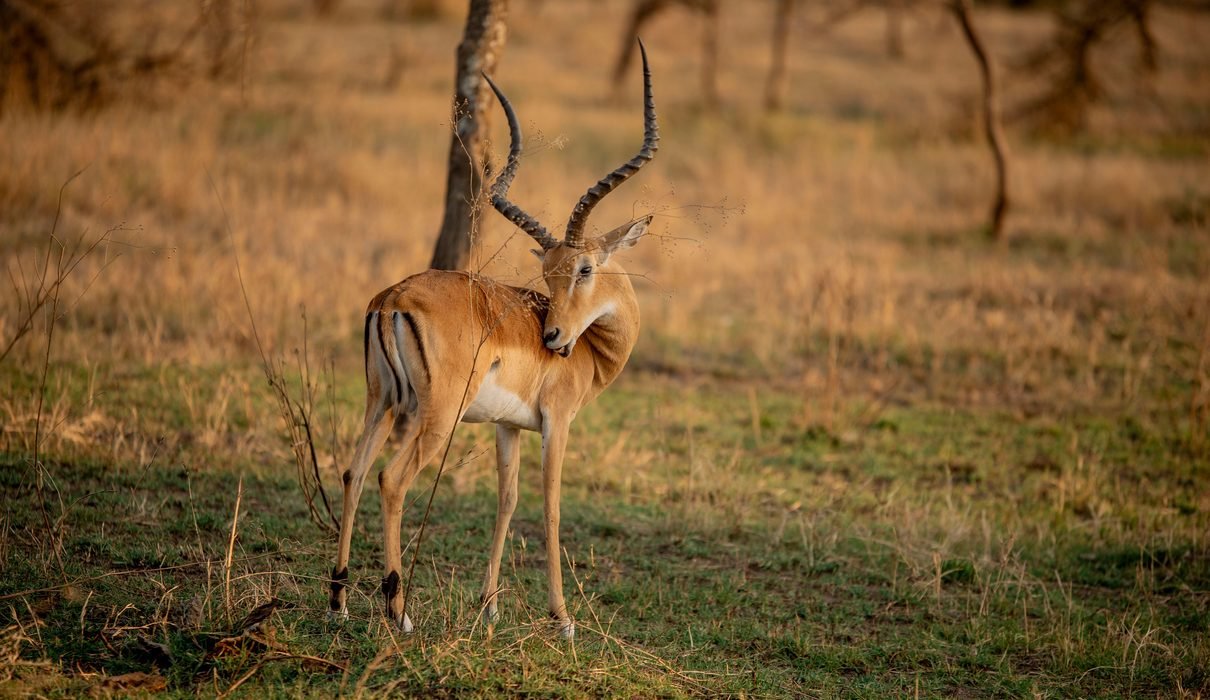
Planning a Kenya and Tanzania safari in 2027 or 2028 is an excellent choice for travellers who want to explore some of Africa’s most famous wildlife destinations in one holiday. These neighbouring East African countries are home to remarkable national parks, large populations of wild animals, beautiful landscapes, and the Great Wildebeest Migration. From the open grasslands of the Maasai Mara in Kenya to the endless plains of the Serengeti in Tanzania, a combined safari provides an opportunity to experience different wildlife habitats and some of Africa’s most impressive natural attractions.
Kenya and Tanzania share an important wildlife ecosystem, but each country offers its own distinctive safari experiences. Kenya is particularly famous for the Maasai Mara National Reserve, Amboseli National Park, and Lake Nakuru National Park, while Tanzania is home to Serengeti National Park, Ngorongoro Crater, Tarangire National Park, and Lake Manyara. Travellers can observe lions, elephants, giraffes, zebras, buffaloes, leopards, cheetahs, and numerous bird species while exploring different landscapes throughout their journey.
A combined safari requires careful planning because the two countries have separate immigration requirements, national park regulations, transport arrangements, and tourism fees. The distance between destinations also matters, particularly when travelling from the Maasai Mara to the Serengeti. Choosing the right route and allowing enough days for wildlife viewing will help you avoid unnecessary travel and make the most of your holiday.
This complete guide explains how to plan a Kenya and Tanzania safari for 2027 and 2028, including the best national parks, ideal travel seasons, recommended itineraries, border crossings, accommodation options, safari costs, and important travel requirements.
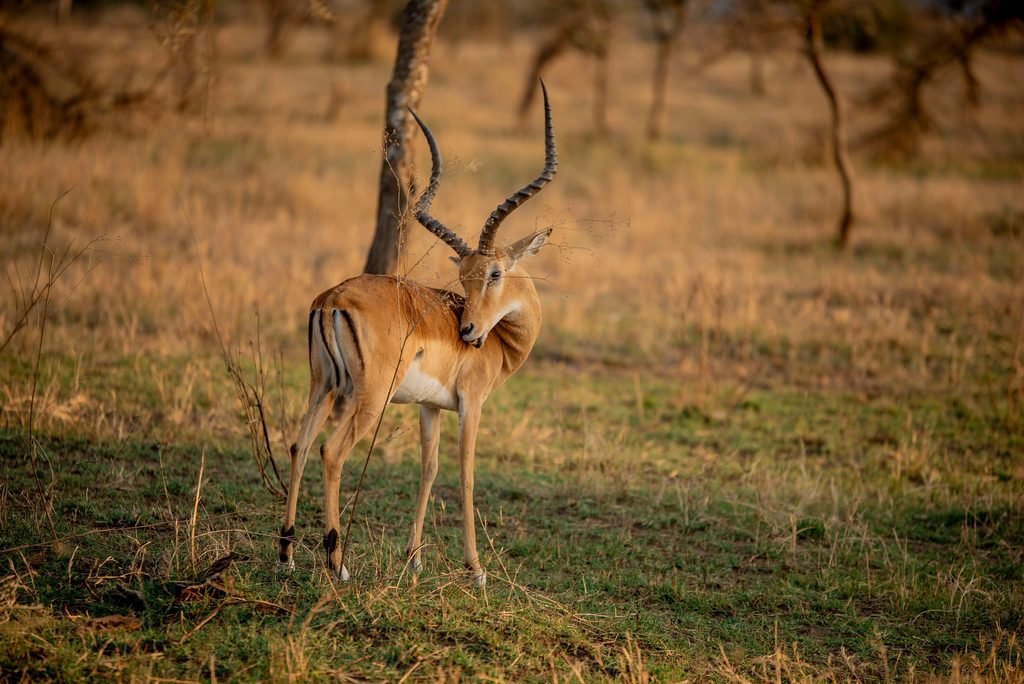
Why Combine Kenya and Tanzania in One Safari?
Kenya and Tanzania are two of Africa’s most established safari destinations, and combining them allows travellers to experience a greater variety of wildlife habitats within one journey. Although both countries are famous for savannah landscapes and large mammals, their national parks offer different scenery, animal populations, and seasonal wildlife activities.
In Kenya, visitors can explore the Maasai Mara, where lions, cheetahs, elephants, buffaloes, and wildebeest occur across extensive grasslands. Amboseli National Park provides opportunities to observe elephants against the backdrop of Mount Kilimanjaro, while Lake Nakuru is known for birdlife and rhinoceros conservation. Tanzania offers the vast Serengeti ecosystem, the wildlife-rich Ngorongoro Crater, and Tarangire’s distinctive landscapes filled with baobab trees and elephants.
A combined safari is particularly attractive for travellers interested in the Great Wildebeest Migration. The migration takes place across the Serengeti-Mara ecosystem, which extends through northern Tanzania and southwestern Kenya. Depending on the season, large wildebeest herds may be found in different parts of this ecosystem, providing opportunities for wildlife viewing on either side of the international border.
However, visiting both countries is not always necessary for every traveller. If you have fewer than seven days available, concentrating on one country may provide a more relaxed safari. Travellers with approximately ten to fourteen days can usually combine several important destinations in Kenya and Tanzania while allowing more time for game drives.
Best National Parks to Visit in Kenya in 2027 and 2028
Kenya has several important wildlife destinations, but the most suitable parks for a combined Kenya and Tanzania safari depend on your available time and preferred travel route.
1. Maasai Mara National Reserve – Best for Big Cats and the Great Migration
The Maasai Mara National Reserve is one of Kenya’s most famous wildlife destinations and forms part of the wider Serengeti-Mara ecosystem. Its open grasslands, river systems, and woodland habitats support lions, leopards, cheetahs, elephants, buffaloes, giraffes, zebras, and numerous antelope species.
The reserve is particularly well known for its large predator populations and seasonal wildebeest migration movements. During certain periods, migrating herds travel between the Serengeti and Maasai Mara in search of fresh grazing. River crossings may occur when animals encounter the Mara River, although these events are unpredictable and cannot be guaranteed.
For travellers planning a Kenya and Tanzania safari, the Maasai Mara is an important destination because it provides a different perspective on the same wildlife ecosystem found in the Serengeti. Spending at least two or three nights in the reserve allows more time to explore different areas and observe animal behaviour.
Recommended stay: Two to three nights.
2. Amboseli National Park – Best for Elephants and Mount Kilimanjaro Views
Amboseli National Park is located in southern Kenya and is particularly famous for its elephant populations and views of Mount Kilimanjaro. The park contains open grasslands, seasonal wetlands, and woodland habitats that support elephants, buffaloes, zebras, giraffes, lions, and numerous bird species.
One of Amboseli’s most attractive features is the opportunity to photograph elephants with Mount Kilimanjaro in the background. The mountain is located across the border in Tanzania, but its impressive summit can be visible from Amboseli when weather conditions are favourable. Early mornings often provide good opportunities for mountain views, although clouds may obscure the summit at any time.
Amboseli is also conveniently located for travellers planning to enter Tanzania through the Namanga border crossing. This makes it a practical destination to include before continuing towards Arusha and Tanzania’s northern safari circuit.
For official park information, visit Kenya Wildlife Service – Amboseli National Park.
Recommended stay: One to two nights.
3. Lake Nakuru National Park – Best for Rhinoceroses and Birdwatching
Lake Nakuru National Park is located in Kenya’s Great Rift Valley and is known for its lake environment, birdlife, and rhinoceros conservation. The park provides opportunities to observe white and black rhinoceroses, buffaloes, giraffes, zebras, and other wildlife species.
Lake Nakuru has historically been associated with large flamingo gatherings, although flamingo numbers and distribution vary according to water conditions and food availability. Travellers should therefore avoid expecting enormous flamingo populations during every visit.
The park is particularly suitable for travellers travelling between Nairobi and the Maasai Mara, although including it adds another destination to the itinerary. Visitors with limited time may prefer spending additional nights in the Maasai Mara or Serengeti instead.
Recommended stay: One night.
4. Nairobi National Park – Wildlife Near Kenya’s Capital
Nairobi National Park offers a distinctive wildlife experience because it is located close to Kenya’s capital city. Visitors can observe animals such as lions, rhinoceroses, giraffes, buffaloes, and zebras while the city’s buildings remain visible in the distance.
The park is particularly convenient for travellers arriving in Nairobi who have a free day before beginning their main safari. It can also be included at the end of a Kenya itinerary before an international departure.
However, travellers planning a longer safari through the Maasai Mara, Serengeti, and Ngorongoro may prefer to prioritise those larger wildlife destinations.
Recommended stay: Half a day to one full day.
For additional information about Kenya’s protected areas, visit Kenya Wildlife Service.
Best National Parks to Visit in Tanzania in 2027 and 2028
Tanzania is home to some of Africa’s largest and most important wildlife landscapes. Its northern safari circuit is particularly suitable for travellers combining a Tanzania safari with Kenya because several famous destinations can be reached from Arusha.
1. Serengeti National Park – Best for the Great Migration and Predators
Serengeti National Park is one of Africa’s most recognised wildlife destinations and is famous for its extensive grasslands, predator populations, and seasonal wildebeest movements. The park supports lions, leopards, cheetahs, elephants, buffaloes, giraffes, zebras, wildebeest, and numerous other species.
The Serengeti covers approximately 14,763 square kilometres and includes different wildlife habitats, from open grasslands to riverine woodland and rocky outcrops. Because the park is so large, different regions offer different experiences throughout the year.
The central Serengeti, particularly the Seronera area, is known for its resident wildlife populations and predator sightings. The southern Serengeti and Ndutu region become important during the wildebeest calving season, while the northern Serengeti is particularly associated with seasonal migration movements and possible Mara River crossings.
Travellers interested in the Great Migration should select accommodation according to the expected location of the herds rather than simply booking a general Serengeti safari.
For additional information about the park’s conservation importance, visit UNESCO Serengeti National Park.
Recommended stay: Three to four nights.
2. Ngorongoro Crater – Best for Concentrated Wildlife Viewing
Ngorongoro Crater is one of Tanzania’s most distinctive wildlife destinations. Formed following the collapse of a large volcano millions of years ago, the crater contains grasslands, woodland, wetlands, and water sources that support numerous animals within a relatively compact area.
During a game drive, visitors may encounter lions, elephants, buffaloes, zebras, wildebeest, hippos, and numerous bird species. The crater is also one of the places in Tanzania where travellers may have an opportunity to observe the endangered black rhinoceros, although sightings are never guaranteed.
Ngorongoro is particularly suitable for combined Kenya and Tanzania safaris because it can be included along the northern Tanzania circuit. Travellers can visit the crater before or after exploring the Serengeti, depending on the planned route.
For official information, visit Ngorongoro Conservation Area Authority.
Recommended stay: One night nearby, with a crater game drive.
3. Tarangire National Park – Best for Elephants and Baobab Trees
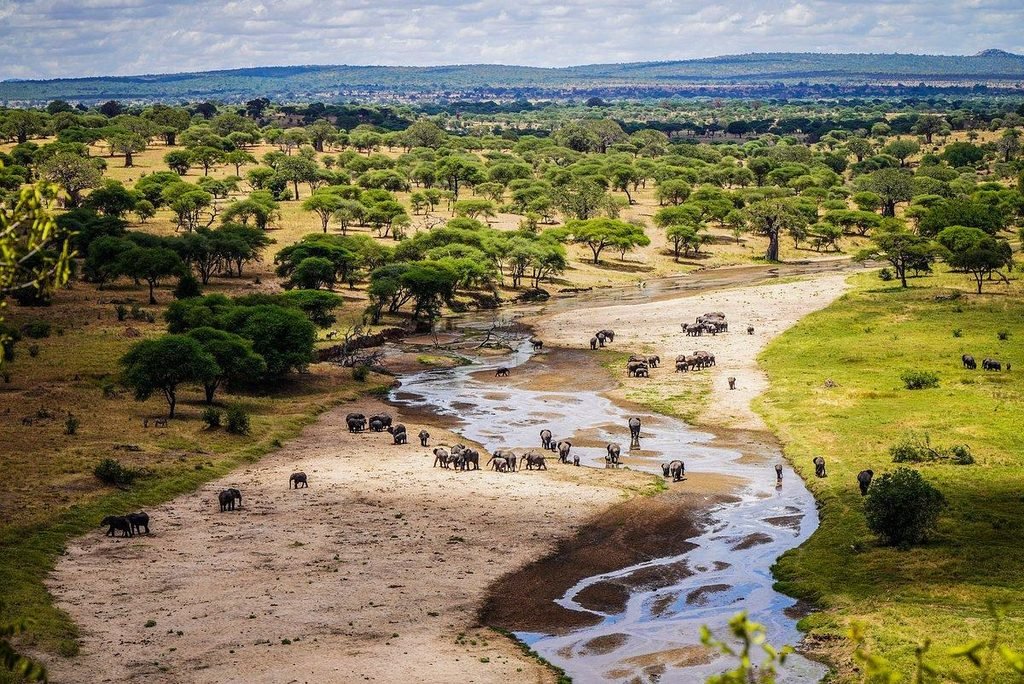
Tarangire National Park is famous for its elephants, ancient baobab trees, and seasonal wildlife concentrations. The park contains woodland, open grassland, wetlands, and riverine habitats that support giraffes, zebras, buffaloes, lions, antelopes, and numerous bird species.
During the dry season, generally between June and October, the Tarangire River becomes an important water source for wildlife. Elephants and other animals may gather near the river, creating rewarding opportunities for game drives and photography.
Tarangire is located within driving distance of Arusha, making it a practical destination to include at the beginning or end of a Tanzania safari.
Recommended stay: One to two days.
4. Lake Manyara National Park – Best for Forest Landscapes and Birdlife
Lake Manyara National Park is known for its groundwater forest, lake habitats, and scenic landscapes. The park supports elephants, buffaloes, giraffes, monkeys, and various bird species.
Lake Manyara is often included in northern Tanzania itineraries because of its location near the route towards Ngorongoro. However, travellers planning a combined Kenya and Tanzania safari should consider whether visiting another park will provide enough additional value to justify the extra travel time.
Recommended stay: Half a day to one full day.
For information about Tanzania’s national parks and visitor arrangements, visit Tanzania National Parks Authority.
Kenya vs Tanzania Safari: Which Country Is Better?
Both Kenya and Tanzania offer excellent wildlife experiences, but the most suitable destination depends on your interests, travel dates, budget, and available time. Kenya is particularly attractive for travellers interested in the Maasai Mara, Amboseli, and shorter safari circuits beginning in Nairobi. Tanzania is well suited to visitors who want to explore the Serengeti, Ngorongoro Crater, and Tarangire.
| Safari Feature | Kenya | Tanzania |
|---|---|---|
| Famous wildlife destination | Maasai Mara | Serengeti |
| Great Migration | Seasonal movements in Maasai Mara | Migration movements across Serengeti regions |
| Elephant viewing | Amboseli | Tarangire |
| Rhinoceros viewing | Lake Nakuru and selected conservancies | Ngorongoro Crater and other protected areas |
| Main safari gateway | Nairobi | Arusha |
| Popular landscapes | Savannah, Rift Valley and mountain views | Extensive plains, volcanic highlands and woodland |
| Beach extension | Diani Beach and Mombasa coast | Zanzibar |
| Suitable safari duration | 4–7 days for selected destinations | 5–8 days for a northern circuit |
| Combined safari | Can connect with Tanzania | Can connect with Kenya |
Neither country guarantees particular wildlife sightings. The quality of a safari depends on the season, itinerary, guide, accommodation location, and time spent exploring the wildlife areas.
Best Time for a Kenya and Tanzania Safari in 2027/2028
Kenya and Tanzania offer wildlife viewing throughout the year, but the experience changes according to rainfall, vegetation, and seasonal animal movements. The dry season, generally between June and October in many safari areas, is particularly popular because animals often gather near available water sources and vegetation may be less dense.
January and February are also attractive months, especially for travellers interested in the southern Serengeti and Ndutu calving season. During this period, large wildebeest herds often gather on the short-grass plains, creating opportunities to observe newborn calves and predator activity.
The wetter months can bring greener landscapes, attractive photography conditions, and fewer visitors in some destinations. However, rainfall may affect road conditions and wildlife visibility.
Kenya and Tanzania Safari Seasonal Guide
| Travel Period | Recommended Wildlife Experience |
|---|---|
| January–February | Southern Serengeti calving season, Amboseli and resident wildlife |
| March–May | Green landscapes, birdwatching and quieter periods in some parks |
| June–July | Dry-season wildlife viewing and seasonal migration movements |
| August–September | Northern Serengeti and Maasai Mara migration activity |
| October | Late dry-season wildlife viewing |
| November–December | Green-season landscapes and seasonal herd movements |
These periods are approximate, particularly for the Great Wildebeest Migration. Rainfall patterns influence the movements of the herds, so no safari operator can guarantee their location on specific dates.
Understanding the Great Migration Between Kenya and Tanzania
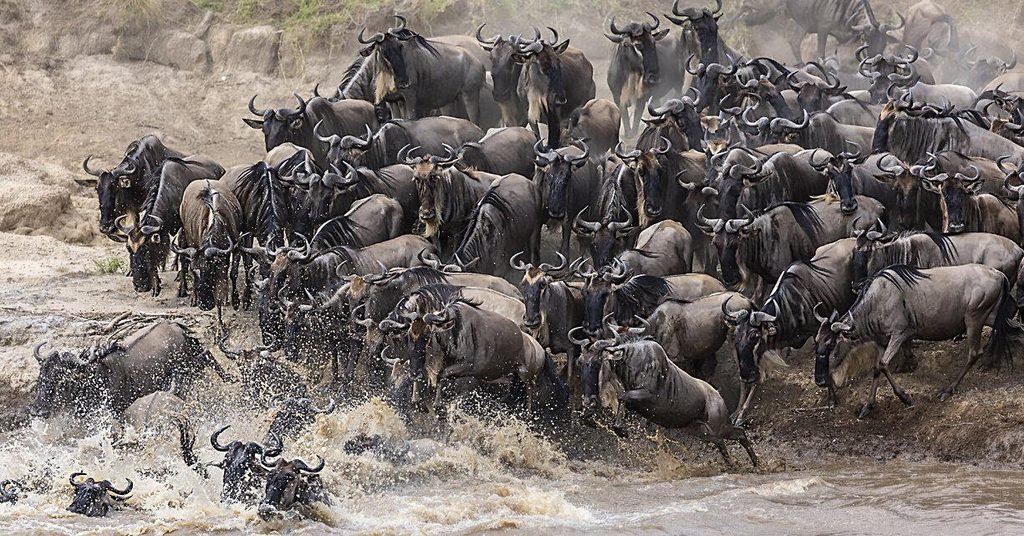
The Great Wildebeest Migration is one of the most important wildlife events in East Africa. More than a million wildebeest, accompanied by large numbers of zebras and other grazing animals, move through the Serengeti-Mara ecosystem following seasonal rainfall and the availability of fresh grass.
The migration is not a single event that takes place only during a few months. Instead, it is a continuous movement involving different regions of Tanzania and Kenya throughout the year.
During the early months of the year, large herds often gather in the southern Serengeti and Ndutu region for the calving season. As environmental conditions change, the animals gradually move towards other parts of the ecosystem. During suitable periods, some herds may reach the northern Serengeti and Maasai Mara, where river crossings can occur.
For travellers planning a Kenya and Tanzania migration safari in 2027 or 2028, visiting both countries may provide a broader experience of the ecosystem. However, it is important to understand that crossing from one country to another does not guarantee that the migrating herds will be present in both locations during your visit.
How to Travel Between Kenya and Tanzania on Safari
One of the most important parts of planning a combined safari is understanding how to travel between the two countries. Although Kenya and Tanzania share a border, tourists cannot simply drive directly from the Maasai Mara into Serengeti National Park across their shared wildlife boundary.
Travellers must use an authorised international border crossing or arrange suitable flights between the countries. The most common road crossings for combined safaris are Namanga and Isebania–Sirari.
Namanga Border Crossing
Namanga is located along the main road between Nairobi and Arusha. It is particularly suitable for travellers visiting Amboseli National Park before continuing towards Tanzania’s northern safari circuit.
A typical route may involve travelling from Nairobi to Amboseli, continuing towards Namanga, completing immigration formalities, and then travelling to Arusha. From Arusha, visitors can begin their Tanzania safari towards Tarangire, Ngorongoro, or Serengeti.
This route is practical for travellers who want to include Amboseli and Tanzania’s northern national parks without returning to Nairobi.
Isebania–Sirari Border Crossing
The Isebania–Sirari crossing is commonly used for itineraries connecting the Maasai Mara region with western Tanzania and the Serengeti. However, travellers should understand that this is not a direct entrance from the Maasai Mara into the Serengeti.
The journey involves leaving the Kenyan wildlife area, travelling towards the international border, completing immigration procedures, and continuing through Tanzania towards the Serengeti. Depending on the exact locations, road conditions, and border procedures, this can take much of the day.
For shorter holidays, travellers should carefully consider whether this transfer is worthwhile or whether a different route would provide more time for wildlife viewing.
Flying Between Kenya and Tanzania
Flying can reduce some of the long driving distances involved in a combined safari. Travellers may use international connections between Nairobi and Kilimanjaro or arrange suitable regional flight combinations.
Some cross-border safari arrangements also involve light-aircraft flights, road transfers, and changes of aircraft near authorised border points. These services depend on airline schedules, operating arrangements, and availability.
Travellers should not assume that a direct scheduled flight operates between any Maasai Mara airstrip and any Serengeti airstrip. The actual route should be confirmed before booking.
Suggested 12-Day Kenya and Tanzania Safari Itinerary for 2027/2028
A twelve-day itinerary provides a practical opportunity to explore important wildlife destinations in both countries. The following example begins in Nairobi, visits the Maasai Mara and Amboseli, and continues into Tanzania through the Namanga border crossing.
Day 1: Arrival in Nairobi, Kenya
Upon arrival at Jomo Kenyatta International Airport, your driver will meet you and transfer you to your hotel in Nairobi. Depending on your arrival time, you may relax after your international journey or explore part of the city. Your guide will explain the Kenya safari arrangements and provide information about the upcoming wildlife experience.
Day 2: Nairobi to Maasai Mara National Reserve
After breakfast, you will begin the journey towards the Maasai Mara National Reserve. The drive passes through parts of Kenya’s Great Rift Valley and rural landscapes before reaching the reserve area. Depending on your arrival time and accommodation location, you may enjoy an afternoon game drive.
Day 3: Full-Day Maasai Mara Safari
Today is dedicated to exploring the Maasai Mara. The reserve supports lions, leopards, cheetahs, elephants, buffaloes, giraffes, zebras, and numerous other animals. Your guide will select suitable wildlife areas according to animal movements and seasonal conditions.
Day 4: Another Day in the Maasai Mara
A second full day provides additional opportunities to observe wildlife and explore different habitats. If you are travelling during a suitable migration period, your guide may search for large wildebeest herds in accessible areas. However, migration movements and river crossings cannot be guaranteed.
Day 5: Maasai Mara to Nairobi
After breakfast, you will leave the Maasai Mara and travel back towards Nairobi. This is primarily a transfer day, allowing you to rest before continuing to Amboseli. Depending on the schedule, you may have free time at your hotel.
Day 6: Nairobi to Amboseli National Park
After breakfast, you will travel towards Amboseli National Park. The park is famous for its elephants and views of Mount Kilimanjaro, which may be visible when weather conditions are favourable. After arrival, you will enjoy a game drive before continuing to your accommodation.
Day 7: Amboseli to Arusha, Tanzania
After breakfast, you will travel towards the Namanga border crossing, where you will complete the required immigration procedures. Your Tanzania safari guide and vehicle will meet you according to the arrangements made by your tour operator. You will then continue to Arusha for dinner and an overnight stay.
Day 8: Arusha to Tarangire National Park
Your Tanzania safari begins with a journey to Tarangire National Park. The park is particularly famous for elephants, baobab trees, and seasonal wildlife concentrations. After enjoying a game drive, you will continue to your accommodation near Tarangire or Karatu.
Day 9: Tarangire or Karatu to Serengeti National Park
After breakfast, you will travel through the Ngorongoro highlands towards Serengeti National Park. The journey takes several hours, but the changing landscapes provide an interesting introduction to Tanzania’s northern safari circuit. After entering the Serengeti, you will enjoy a game drive while travelling towards your lodge or tented camp.
Day 10: Full-Day Serengeti Safari
Today is dedicated to exploring the Serengeti. Your guide will select suitable wildlife areas according to the season and animal movements. You may encounter lions, leopards, cheetahs, elephants, giraffes, buffaloes, wildebeest, and zebras while exploring the park.
Day 11: Serengeti to Ngorongoro Conservation Area
After breakfast, you will enjoy a final game drive while travelling out of the Serengeti towards Ngorongoro. The journey passes through changing landscapes, from open grasslands to cooler highlands. You will spend the night near the crater rim or in Karatu.
Day 12: Ngorongoro Crater Game Drive and Return to Arusha
Your final safari day begins with an early game drive inside Ngorongoro Crater. The crater supports lions, elephants, buffaloes, zebras, wildebeest, hippos, and numerous bird species. You may also have an opportunity to observe the endangered black rhinoceros, although sightings are not guaranteed.
After lunch, you will ascend from the crater and travel back to Arusha, arriving later in the day. If you have an international departure, an additional overnight stay may be advisable depending on your flight time.
This itinerary can be adjusted according to your travel dates, accommodation preferences, and available budget. Travellers interested in the northern Serengeti river crossings may need additional days or domestic flights because the northern region is far from the central Serengeti.
How Much Does a Kenya and Tanzania Safari Cost in 2027/2028?
The cost of a combined Kenya and Tanzania safari depends on the number of days, accommodation category, group size, travel season, and transport arrangements. Because the itinerary involves two countries, additional expenses may include international border transfers, separate national park fees, and transport arrangements with operators in both destinations.
Budget safaris generally use simpler accommodation and shared transport arrangements, while mid-range packages provide comfortable lodges or tented camps. Luxury safaris may include premium accommodation, private vehicles, domestic flights, and additional services.
National park fees, accommodation, meals, fuel, professional guiding services, and cross-border transport all contribute to the total cost. Travellers should compare quotations carefully because two packages with the same duration may include different services.
For 2027 and 2028, request an updated quotation based on your preferred dates and number of travellers. Park fees, accommodation rates, and operating costs may change before your travel dates, so older published prices should not be treated as guaranteed.
What Is Included in a Kenya and Tanzania Safari Package?
A professionally organised Kenya and Tanzania safari package will normally include accommodation, meals during the safari, transport in suitable safari vehicles, professional driver-guide services, and the applicable national park entry fees.
A combined itinerary should also clearly explain how the transfer between the two countries will be arranged. In many cases, travellers change safari vehicles and guides at the border because each country has its own tourism operating requirements. Your tour operator should confirm where the handover will take place and who will be responsible for assisting with the transfer.
International flights, visas or travel authorisations, travel insurance, tips, alcoholic beverages, and optional activities are commonly excluded unless specifically stated.
Before making payment, request a written quotation showing all included services, excluded expenses, accommodation names, transport arrangements, and cancellation conditions.
Kenya and Tanzania Visa Requirements for 2027/2028
Travellers planning to visit both countries should check the entry requirements for their nationality before booking. Kenya and Tanzania operate separate immigration systems, and permission to enter one country does not automatically provide permission to enter the other.
Kenya Entry Requirements
Kenya operates an Electronic Travel Authorisation system for many international visitors, although exemptions apply to certain nationalities and traveller categories. Eligible travellers should review the requirements and apply through the official government system before travelling.
For official information, visit Kenya Electronic Travel Authorisation.
Tanzania Entry Requirements
Tanzania has its own visa requirements. Depending on nationality, travellers may be eligible for an electronic visa, visa on arrival, or visa exemption. Some nationalities must obtain approval before travelling.
The East Africa Tourist Visa arrangement associated with Kenya, Uganda, and Rwanda does not include Tanzania. Travellers should therefore check their Tanzania entry requirements separately.
For official applications and guidance, visit Tanzania Immigration eVisa Portal.
Yellow Fever Vaccination Requirements
Yellow fever vaccination requirements can apply when travelling between Kenya and Tanzania, depending on your route, country of departure, and other health-related entry conditions.
Travellers should check the latest official requirements before departure and carry the necessary documentation where applicable. Because immigration and health requirements may change before 2027 or 2028, always confirm the rules close to your travel date.
Private Safari or Joining Group: Which Is Better?
A private Kenya and Tanzania safari provides greater flexibility because the itinerary can be arranged according to your interests, accommodation preferences, and travel schedule. Private safaris are particularly suitable for families, couples, honeymooners, photographers, and travellers who want a personalised experience.
Joining-group safaris allow travellers to share transport and guiding expenses with other participants following a similar itinerary. This can make them attractive to solo travellers and visitors working with a limited budget.
However, combined Kenya and Tanzania joining-group safaris may involve different operators, departure schedules, and group arrangements in each country. Travellers should therefore confirm whether the same group will continue throughout the journey or whether they will join separate groups after crossing the border.
For travellers interested in the Great Migration or wildlife photography, a private safari may provide greater flexibility. However, neither private nor group safaris can guarantee particular wildlife sightings.
Can You Combine Kenya and Tanzania with Zanzibar?
Yes. Many travellers choose to finish their Kenya and Tanzania safari with a Zanzibar beach holiday. After several days of wildlife viewing, Zanzibar provides an opportunity to relax beside the Indian Ocean, explore historic Stone Town, and enjoy coastal activities.
Zanzibar can be reached by domestic flights from selected airports in Tanzania, depending on airline schedules and availability. Travellers completing their safari in Arusha may arrange flights through Kilimanjaro International Airport or Arusha Airport, while certain Serengeti airstrips may offer suitable connections.
Combining Kenya, Tanzania, and Zanzibar is particularly suitable for travellers with approximately fourteen days or more available. However, the itinerary should allow enough time for wildlife viewing, border transfers, and relaxation rather than attempting to include too many destinations.
Important Travel Tips for a Kenya and Tanzania Safari
Planning a safari across two countries requires more preparation than visiting a single destination. Travellers should pay particular attention to transport arrangements, accommodation locations, and the time required to move between wildlife areas.
Choose a realistic itinerary. Visiting too many national parks in a short period can result in long driving days and limited game-drive time. A well-planned itinerary should balance travel and wildlife viewing.
Confirm border arrangements. Ask your tour operator which border crossing will be used, how long the transfer may take, and whether you will change vehicles or guides.
Book accommodation in the right locations. Staying close to the wildlife areas you want to explore can reduce unnecessary travel and allow more time for game drives.
Check your travel documents. Ensure your passport, visas or travel authorisations, and any required health documentation are valid for both countries.
Prepare for changing temperatures. Early morning game drives can be cool, particularly in highland areas, while daytime temperatures may be considerably warmer.
Bring suitable photography equipment. Binoculars and a camera with a zoom lens can help you observe and photograph wildlife without approaching animals too closely.
Follow national park regulations. Wildlife is unpredictable, and visitors should always follow their guide’s instructions and maintain a safe distance from animals.
Frequently Asked Questions About Kenya and Tanzania Safaris
Is It Possible to Visit Kenya and Tanzania on One Safari?
Yes. Kenya and Tanzania can be combined in one safari itinerary using authorised international border crossings or suitable flight connections. Travellers should allow enough time for transport and immigration procedures.
How Many Days Do You Need for a Kenya and Tanzania Safari?
Approximately ten to fourteen days provides a practical duration for many travellers who want to visit important wildlife destinations in both countries. Shorter itineraries are possible but may involve more travelling and fewer game drives.
Which Is Better for Safari: Kenya or Tanzania?
Both countries offer excellent wildlife experiences. Kenya is famous for the Maasai Mara and Amboseli, while Tanzania is known for the Serengeti, Ngorongoro Crater, and Tarangire. The best choice depends on your interests, travel dates, and available time.
Can You Drive Directly from Maasai Mara to Serengeti?
No. Tourists cannot simply drive across the shared park boundary between the Maasai Mara and Serengeti. Road itineraries must use an authorised border crossing, such as Isebania–Sirari, and allow time for the journey and immigration procedures.
What Is the Best Month for a Kenya and Tanzania Safari?
June to October is popular for generally dry conditions and wildlife viewing. January and February are also attractive, particularly for travellers interested in the southern Serengeti calving season.
Can You See the Big Five in Kenya and Tanzania?
Yes. The two countries provide opportunities to observe lions, leopards, elephants, buffaloes, and rhinoceroses. However, seeing all five animals during one safari is not guaranteed.
Is the Great Migration Better in Kenya or Tanzania?
The Great Migration moves through both countries, but the best location depends on the season. The southern Serengeti is particularly important during the calving season, while the northern Serengeti and Maasai Mara are associated with seasonal herd movements and possible river crossings.
Do You Need Separate Visas for Kenya and Tanzania?
Travellers must meet each country’s entry requirements separately. Depending on nationality, this may involve a Kenyan eTA and a Tanzanian visa, although exemptions apply. Always check the official immigration websites before travelling.
Can You Add Zanzibar to a Kenya and Tanzania Safari?
Yes. Zanzibar is a popular extension for travellers who want to combine wildlife viewing with a beach holiday. Additional days should be allowed for flights, transfers, and relaxation.
Book Your Kenya and Tanzania Safari for 2027 or 2028
A combined Kenya and Tanzania safari provides an opportunity to explore some of East Africa’s most remarkable wildlife destinations within one journey. From the predator-rich grasslands of the Maasai Mara to the elephant herds of Amboseli, the extensive plains of the Serengeti, and the distinctive wildlife habitats of Ngorongoro Crater, each destination contributes something different to the overall experience.
The most rewarding safari begins with careful planning. Choosing the right destinations, allowing enough time for game drives, and arranging reliable cross-border transport can make a significant difference to your holiday. Whether you are interested in the Great Wildebeest Migration, the Big Five, wildlife photography, or a combination of Kenya and Tanzania’s national parks, a suitable itinerary will help you make the most of your available time.
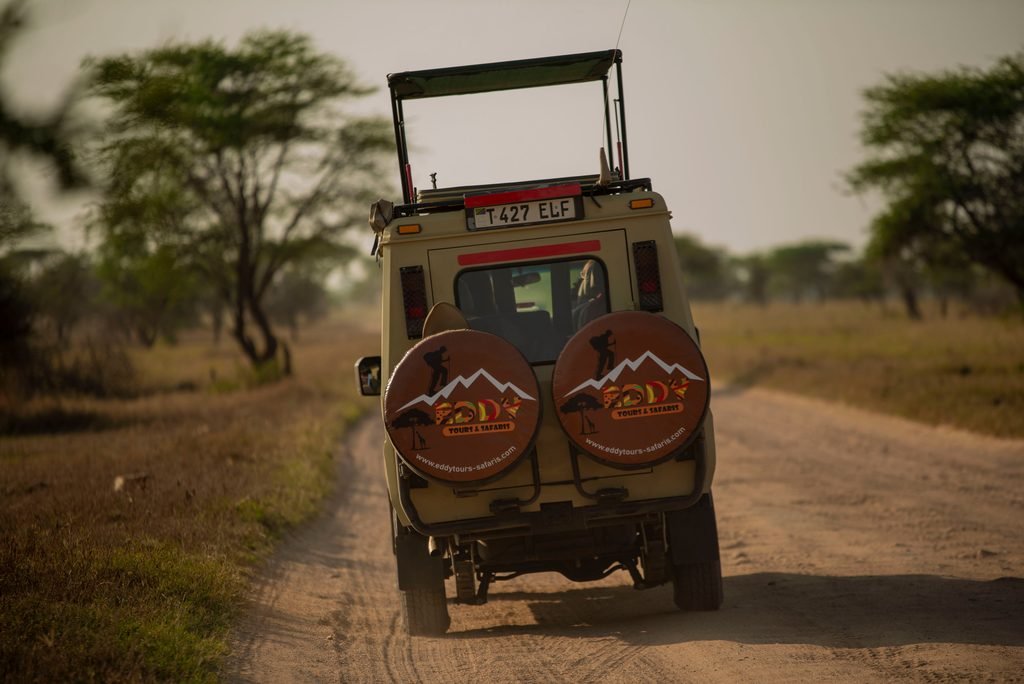
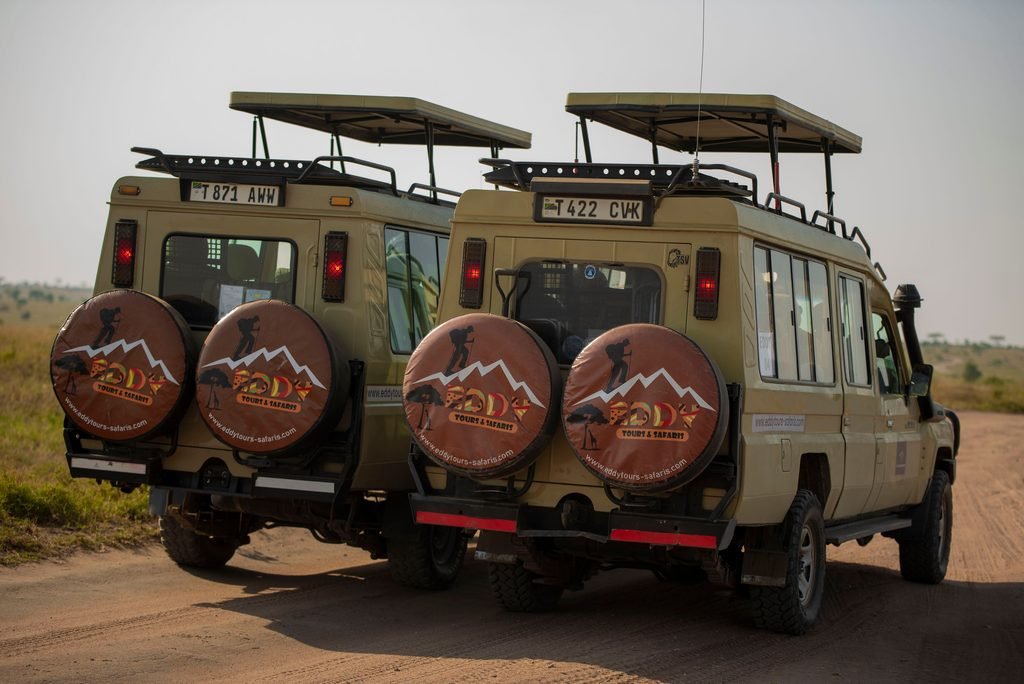
Eddy Tours & Safaris is a local tour company in Arusha, Tanzania, arranging professionally guided wildlife safaris, Kilimanjaro climbing trips, and private holidays. We can help you plan the Tanzania portion of your Kenya and Tanzania safari and coordinate suitable cross-border travel arrangements for 2027 or 2028 according to your preferred destinations, group size, accommodation category, and budget.
For more information about Tanzania wildlife holidays, visit Eddy Tours & Safaris or contact our team to discuss your preferred itinerary.
Contact Eddy Tours & Safaris
Location: Arusha, Tanzania
Email: sales@eddytours-safaris.com
Phone/WhatsApp: +255 711 906 664
Website: Eddy Tours & Safaris Official Website
Safari enquiries: Request a Kenya and Tanzania safari quotation