
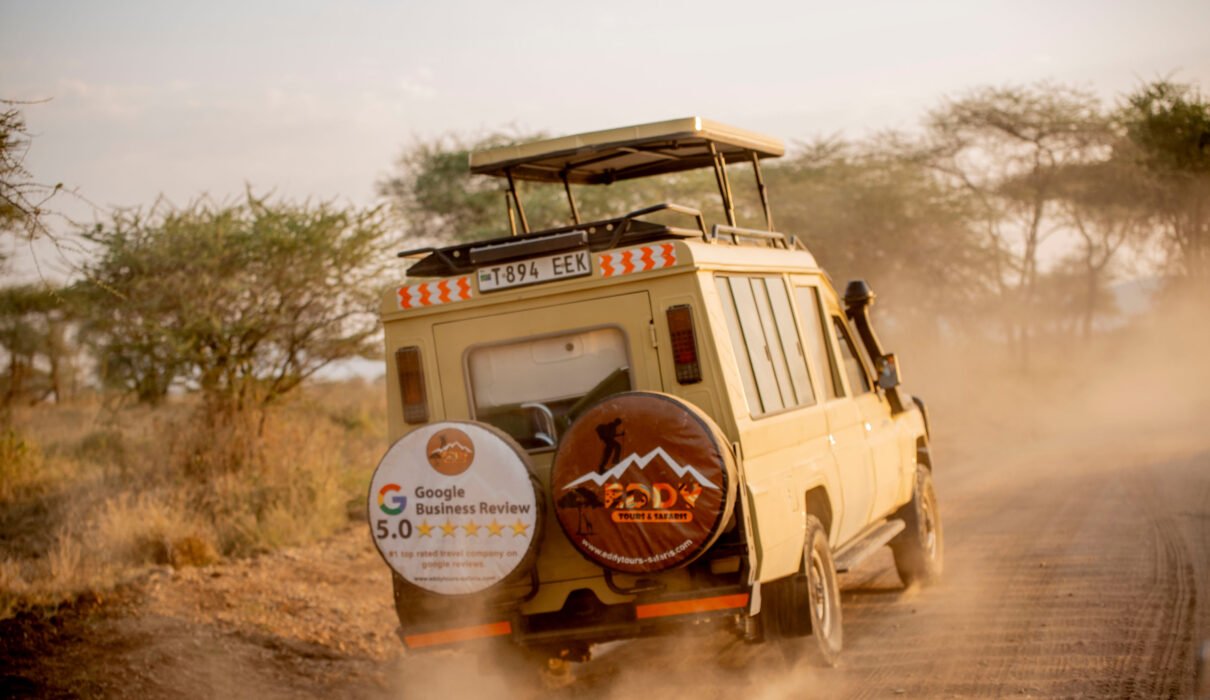
Safari Scams Tourists Still Fall For in 2026/2027/2028 – 9 Shocking Tricks You Must Avoid
Safari Scams Tourists Still Fall For in 2026/2027/2028 continue to trap even experienced travelers who dream of exploring Africa’s breathtaking wildlife and landscapes. While safaris remain one of the most rewarding travel experiences on earth, the rise of online bookings and unregulated operators has opened doors for dishonest practices that can ruin your trip before it even begins. Understanding these scams is not just helpful—it is essential if you want a safe, memorable, and stress-free safari.
From fake tour companies to hidden fees and misleading itineraries, scammers are becoming more sophisticated each year. Many travelers lose thousands of dollars or end up with poor-quality experiences that fall far below expectations. This guide breaks down the most common safari scams still happening today and gives you clear, practical ways to avoid them.
If you are planning your safari with trusted operators like Eddy Tours & Safaris, you already reduce your risk significantly. However, being informed adds another layer of protection and confidence.
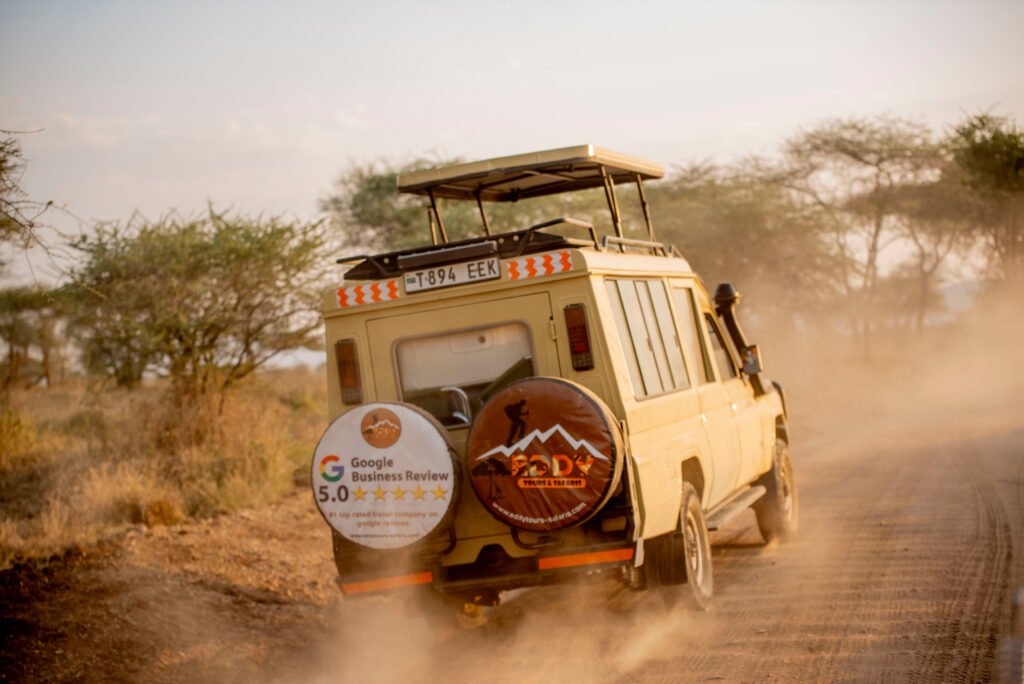
Why Safari Scams Are Increasing in 2026/2027/2028
The demand for African safaris has surged in recent years, driven by social media, wildlife documentaries, and a growing desire for authentic travel experiences. At the same time, digital platforms have made it easier for anyone to create a convincing website or social media profile, even without offering real services. This combination has created a perfect environment for scams to thrive.
Many travelers book trips months in advance and rely heavily on online reviews and images, which can easily be manipulated. Fake companies often use stolen photos, copied itineraries, and even fabricated testimonials to appear legitimate. Without proper verification, it becomes difficult to distinguish between genuine operators and fraudulent ones.
Additionally, some scams are not outright fraud but involve misleading practices such as hidden costs or downgraded services. These can be just as frustrating because they impact your experience after you arrive.
To stay informed about conservation and ethical tourism, reputable sources like World Wildlife Fund, National Geographic, and IUCN provide valuable insights into responsible travel practices.
Safari Scams Tourists Still Fall For in 2026/2027/2028
1. Fake Safari Companies with Professional Websites
One of the most common scams involves fake safari companies that create polished websites and social media pages. These sites often feature stunning wildlife photos, detailed itineraries, and unbelievably low prices. Once you make a payment, the company disappears.
To avoid this, always verify the company’s physical address, registration details, and online presence. Cross-check reviews on independent platforms and ensure the company is linked with recognized tourism bodies.
Booking through trusted providers like Eddy Tours & Safaris ensures you are dealing with a legitimate operator with a proven track record.
2. Unrealistically Cheap Safari Packages
If a safari deal seems too good to be true, it probably is. Scammers lure travelers with extremely low prices, only to add hidden fees later or deliver substandard services. In some cases, the safari may not exist at all.
Compare prices across multiple reputable operators and understand what is included. Genuine safaris involve significant costs such as park fees, guides, and accommodations, so extremely low prices should raise red flags.
3. Last-Minute Payment Changes
Another tactic involves changing payment details shortly before your trip. You may receive an email claiming there is an issue with the original account and asking you to transfer funds to a new one. This is often a scam.
Always confirm payment instructions directly with the company using official contact details. Avoid making last-minute changes without verification.
4. Misleading Itineraries
Some operators advertise premium experiences but deliver something entirely different. You might expect luxury lodges and private game drives, only to find basic accommodations and crowded vehicles.
Request detailed itineraries and confirm each component before booking. Reliable companies will provide clear descriptions and honest expectations.
Learn more about ethical travel planning from UNWTO and Conservation International.
5. Hidden Fees and Extra Charges
Hidden costs are a frequent issue in safari bookings. These may include park fees, guide tips, vehicle charges, or accommodation upgrades that were not clearly stated upfront.
Before confirming your booking, ask for a complete breakdown of costs. Transparent companies will provide all-inclusive pricing without surprises.
6. Fake Reviews and Testimonials
Many scam operators rely on fake reviews to build credibility. These reviews often appear overly positive and lack specific details. Some even use copied testimonials from other websites.
Check multiple review platforms and look for consistent feedback. Authentic reviews usually include both positive and constructive comments.
7. Airport Pickup Scams
Upon arrival, some travelers are approached by individuals posing as safari representatives. They claim there has been a change in your booking and offer alternative arrangements, often for additional payment.
Always confirm your pickup details in advance and only trust drivers arranged by your official tour operator.
8. Unlicensed Guides and Vehicles
Using unlicensed guides can compromise your safety and experience. These operators may lack proper training and access to national parks.
Ensure your safari provider uses certified guides and registered vehicles. This guarantees both safety and quality.
Organizations like African Wildlife Foundation and SANParks emphasize the importance of regulated tourism.
9. Booking Through Unverified Third Parties
Booking through unknown intermediaries can increase your risk of scams. These agents may not have direct relationships with safari operators, leading to miscommunication or fraud.
Whenever possible, book directly with established companies such as Eddy Tours & Safaris to ensure transparency and accountability.
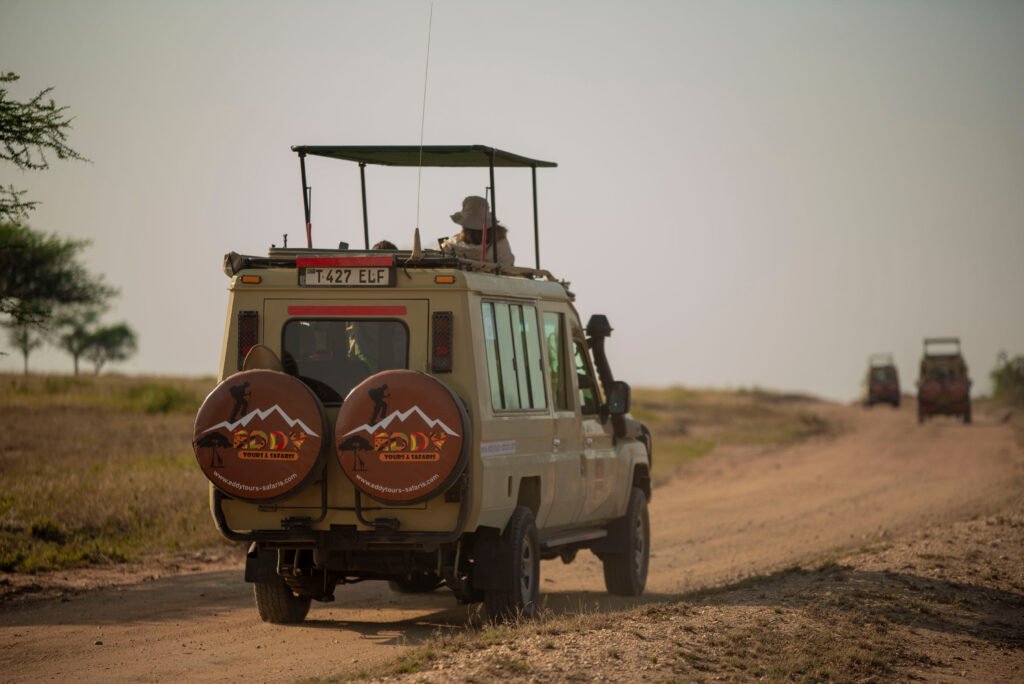
How to Avoid Safari Scams Completely
Avoiding scams requires a combination of research, caution, and choosing the right partners. Start by verifying the company’s credentials and reading independent reviews. Look for clear communication, detailed itineraries, and transparent pricing.
It is also helpful to consult trusted resources such as Encyclopaedia Britannica, Smithsonian Institution, and The Nature Conservancy for reliable information about wildlife and destinations.
Working with reputable safari companies ensures that your experience is not only enjoyable but also ethical and sustainable.
Why Booking with Trusted Operators Matters
Choosing a reliable safari operator makes all the difference. Established companies have local knowledge, professional guides, and strong partnerships with lodges and parks. They also prioritize safety and customer satisfaction.
For example, Eddy Tours & Safaris offers carefully designed itineraries, transparent pricing, and dedicated support throughout your journey. This level of service ensures you can focus on enjoying your safari without worrying about scams.
For mountain adventures, you can also explore Kilimanjaro Climb Specialist, a trusted resource for trekking experiences.
FAQs About Safari Scams Tourists Still Fall For in 2026/2027/2028
1. How can I verify a safari company?
Check official registration, read independent reviews, and confirm contact details. Look for consistent online presence and partnerships with recognized organizations.
2. Are cheap safari packages always scams?
Not always, but extremely low prices should be treated with caution. Compare offers and ensure all services are clearly listed.
3. What payment methods are safest?
Bank transfers and secure online payment platforms are common. Avoid sending money through untraceable methods.
4. Can I trust online reviews?
Use multiple platforms and look for detailed, balanced feedback. Be cautious of overly positive reviews.
5. What should I do if I suspect a scam?
Stop communication immediately and report the issue to relevant authorities. Do not send additional payments.
6. Is booking directly better than using agents?
Yes, booking directly with trusted operators reduces risks and ensures clear communication.
Conclusion: Travel Smart and Stay Protected
Safari Scams Tourists Still Fall For in 2026/2027/2028 highlight the importance of careful planning and informed decision-making. While the risks are real, they can be easily avoided by choosing reputable operators, verifying details, and staying alert to warning signs.
Your safari should be a once-in-a-lifetime experience filled with incredible wildlife, stunning landscapes, and unforgettable memories. By taking the right precautions and booking with trusted companies like Eddy Tours & Safaris, you can enjoy your adventure with complete peace of mind.