
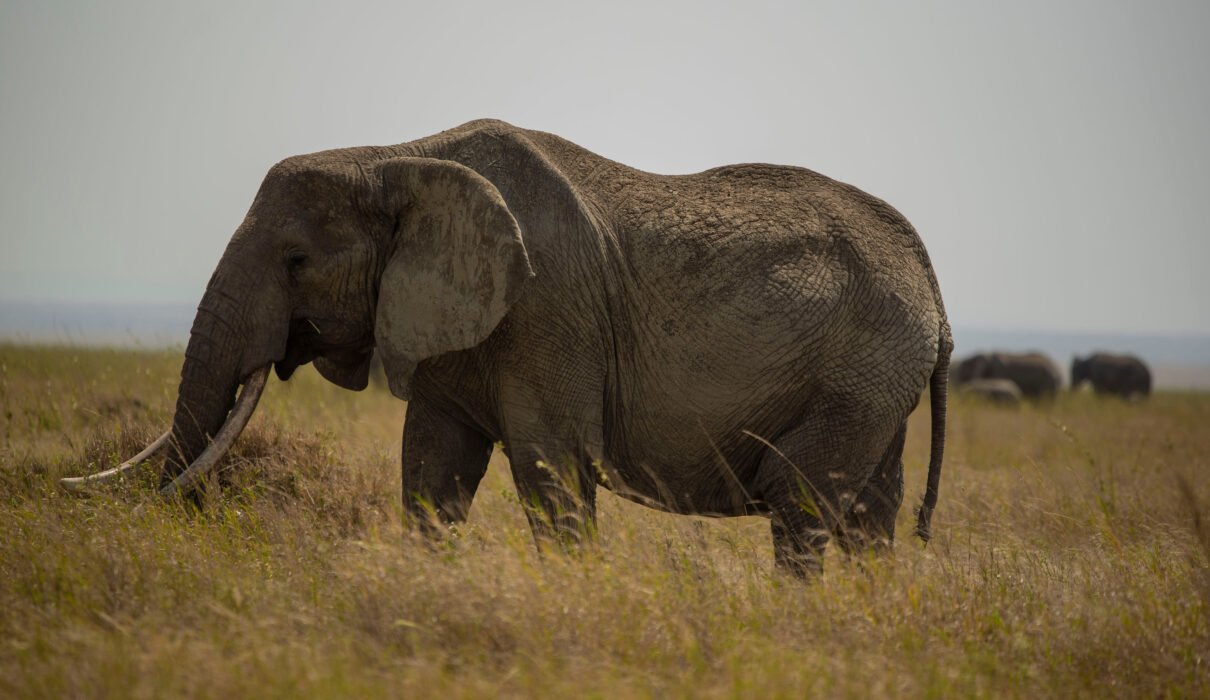
Safari Stories: Unexpected Animal Encounters is not only about rare sightings and dramatic moments in the wild, but also about how nature quietly surprises travellers when they least expect it, reminding us that wildlife does not perform for visitors, it simply lives its life, and we are only privileged guests inside its world.
Across Tanzania’s savannahs, woodlands, wetlands and forest edges, many of the most powerful safari memories are not planned in an itinerary. They happen suddenly, without warning, when a giraffe steps onto the road, when elephants cross silently in front of the vehicle, or when a leopard appears from tall grass and disappears again within seconds, leaving everyone in complete silence.
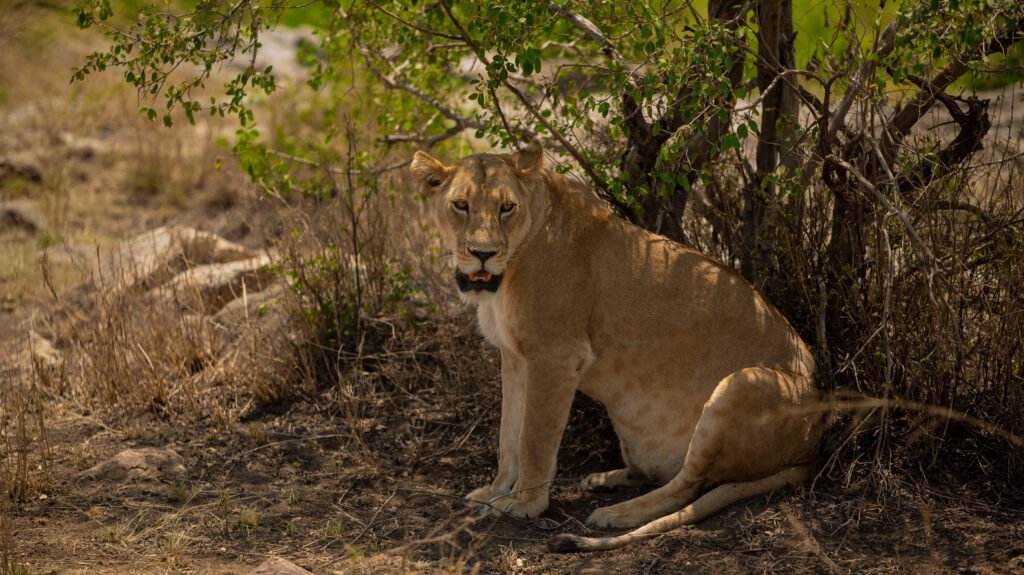
Safari Stories: Unexpected Animal Encounters and why surprise moments matter
Safari Stories: Unexpected Animal Encounters carry a deep emotional power because they show how wild ecosystems still function naturally when they are protected properly. Conservation organisations such as the International Union for Conservation of Nature, the World Wide Fund for Nature, the Wildlife Conservation Society and the African Wildlife Foundation continuously demonstrate that healthy wildlife behaviour, including unexpected movement patterns and rare sightings, is one of the strongest indicators of well-managed protected areas.
When animals move freely and naturally, it means migration corridors remain open, water systems are stable, and human disturbance is controlled. These quiet signals of ecological health are what make unplanned wildlife encounters possible and meaningful for visitors.
Safari Stories: Unexpected Animal Encounters shaped by science and monitoring
Behind every unforgettable sighting stands years of scientific monitoring and ecological research. Wildlife distribution data coordinated by the Global Biodiversity Information Facility helps researchers understand where species are found and how their ranges change over time, while global biodiversity assessments supported by the Intergovernmental Science-Policy Platform on Biodiversity and Ecosystem Services guide governments on how ecosystems must be protected if wildlife populations are to remain stable.
Long-term climate pressure also shapes animal behaviour in subtle ways. Scientific reports from the Intergovernmental Panel on Climate Change confirm that rainfall shifts and rising temperatures influence migration timing, breeding cycles and access to water, which often explains why travellers experience surprising wildlife movements during safaris.
Safari Stories: Unexpected Animal Encounters and the landscapes that protect wildlife
Safari Stories: Unexpected Animal Encounters are only possible when large landscapes remain connected and healthy. Environmental planning and ecosystem protection promoted by the United Nations Environment Programme, habitat restoration initiatives supported by Conservation International, and large-scale ecosystem protection programmes led by The Nature Conservancy all focus on maintaining grasslands, rivers, woodlands and seasonal wetlands that wildlife depend on.
Forest and rangeland research by the Center for International Forestry Research further confirms that healthy catchments and forest buffers protect water sources and food availability, allowing animals to move safely between habitats and creating the conditions that lead to rare and unexpected encounters.
Safari Stories: Unexpected Animal Encounters and hidden wildlife corridors
Many of the most surprising sightings happen outside well-known game viewing areas, often along wildlife corridors that connect major ecosystems. Mapping and monitoring coordinated by the UN Environment Programme World Conservation Monitoring Centre support national planning that protects these movement routes, while predator and carnivore research led by Panthera helps conservationists understand how large cats use hidden pathways to hunt, rest and avoid human activity.
Bird movements and seasonal habitat use documented by BirdLife International further show how forest edges and wetlands near safari routes often host remarkable surprise encounters with rare and colourful species that most travellers never expect to see.
Safari Stories: Unexpected Animal Encounters and community protection of wildlife
Safari Stories: Unexpected Animal Encounters also depend heavily on the role of communities living around national parks and conservation areas. Development research published by the World Bank shows that community-based tourism and conservation partnerships significantly reduce wildlife conflict and illegal activities when local people benefit directly from tourism revenue.
Fair employment standards promoted by the International Labour Organization and cultural protection frameworks supported by UNESCO strengthen guiding services, village tourism groups and traditional knowledge systems that help protect sensitive habitats where wildlife still behaves naturally and confidently.
Safari Stories: Unexpected Animal Encounters and responsible safari operations
Responsible guiding and ethical driving behaviour play a critical role in creating respectful wildlife experiences. Research by the Overseas Development Institute confirms that well-managed tourism reduces environmental pressure and improves conservation financing, allowing park authorities and communities to invest in ranger patrols, habitat protection and visitor management systems.
Travellers who choose professionally organised safaris through Eddy Tours and Safaris benefit from experienced local guides who understand animal behaviour and park regulations, increasing the chance of witnessing rare moments without disturbing wildlife or placing visitors at risk.
Safari Stories: Unexpected Animal Encounters and health and safety in the wild
Unexpected wildlife moments can be emotional and exciting, but safety must always come first. Health and travel guidance published by the World Health Organization supports disease prevention and emergency preparedness in remote safari regions, while field safety and disaster response frameworks promoted by the American Red Cross help operators strengthen response systems during outdoor emergencies.
Responsible behaviour keeps animals calm, prevents stress-related movement, and protects both visitors and wildlife from unnecessary risk.
Safari Stories: Unexpected Animal Encounters and wildlife law enforcement
Long-term protection of wildlife that allows these surprising moments to continue depends strongly on law and policy. Biodiversity governance and conservation planning supported by the Convention on Biological Diversity guide how protected areas are designed, how land-use is regulated, and how wildlife crimes are addressed at national and regional levels.
These legal frameworks ensure that conservation investments directly support the survival of animals that create the unforgettable experiences visitors come to Tanzania to enjoy.
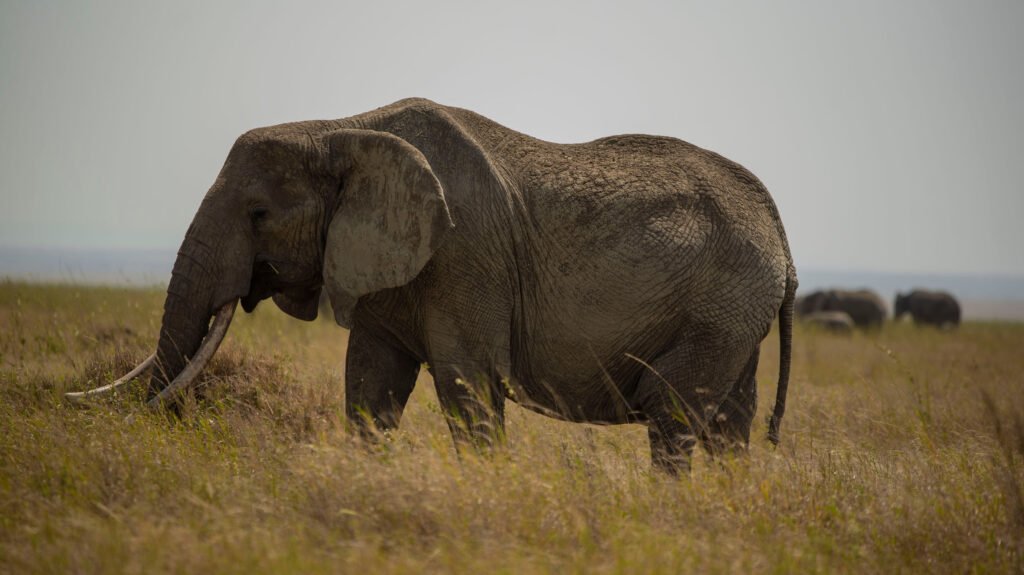
Safari Stories: Unexpected Animal Encounters in Tanzania’s real safari landscapes
In Tanzania, Safari Stories: Unexpected Animal Encounters often unfold far away from crowds, along quiet tracks, riverbanks and open plains where wildlife still controls its own rhythm. Many travellers start planning their wildlife journeys using professional safari planning services in Tanzania, where itineraries are carefully designed to combine famous parks with lesser-visited areas that offer more intimate wildlife experiences.
Guests who prefer personalised routes often choose custom safari itineraries that allow them to spend more time in specific ecosystems, increasing the chance of seeing rare behaviour such as hunting sequences, playful interactions among young animals, or unexpected crossings at waterholes.
Safari Stories: Unexpected Animal Encounters and emotional travel experiences
Safari Stories: Unexpected Animal Encounters stay in memory long after the journey ends because they create a deep emotional link between people and nature. Seeing animals move freely, without attraction points or staged activity, helps visitors understand how fragile and valuable wildlife systems truly are.
Travellers who wish to experience wildlife in a respectful and meaningful way often continue their planning through responsible safari travel programmes, where conservation learning, cultural visits and ethical guiding practices are combined into one complete journey.
In simple words, Safari Stories: Unexpected Animal Encounters remind us that the most beautiful moments in nature cannot be scheduled. They appear only when ecosystems are healthy, communities are involved in conservation, and travellers choose responsible safari experiences that protect wildlife and respect the land that makes these unforgettable encounters possible.