
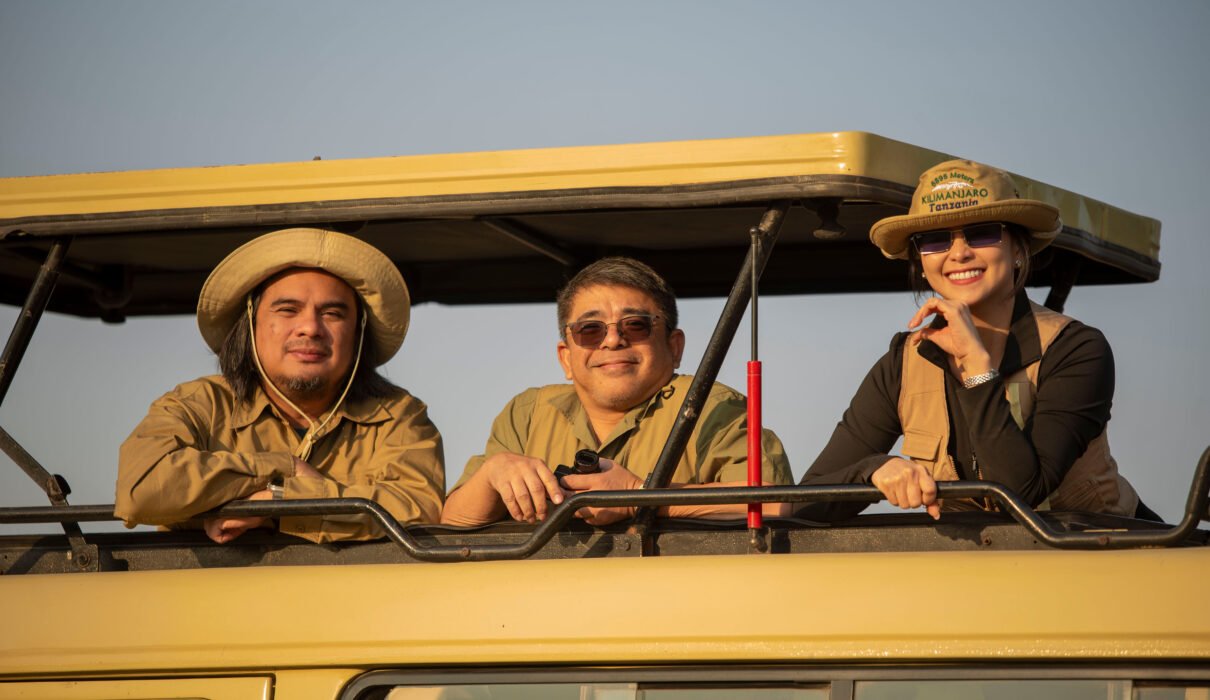
Safari with Children: Safety Tips for Families is one of the most important subjects for parents who want their children to enjoy wildlife, culture and nature in a safe and relaxed way. A family safari can be one of the most educational experiences in a child’s life, but only when the trip is planned carefully, guided professionally and built around the real needs of young travelers.
This guide explains how families can prepare for a responsible and secure safari experience using internationally recognised health, wildlife and conservation standards. If you are planning your family trip with a trusted local company such as Eddy Tours & Safaris, these practical recommendations will help you protect your children, reduce stress and create positive memories that last far beyond the journey itself.
Safari with Children: Safety Tips for Families and choosing the right destinations
When planning a Safari with Children: Safety Tips for Families, the first decision is choosing locations that are well managed and suitable for young visitors. Protected areas in Tanzania form part of global conservation systems supported by the International Union for Conservation of Nature and environmental governance frameworks promoted by the United Nations Environment Programme. These institutions emphasize visitor zoning, controlled vehicle movement and ranger supervision as essential tools for safety and ecosystem protection.
Family-friendly safari regions benefit from strong park infrastructure, regulated access routes and reliable communication systems. Conservation planning principles supported by the Conservation International show that well-managed tourism corridors reduce human–wildlife conflict and improve emergency response capacity.
Safari with Children: Safety Tips for Families and health preparation before travel
A responsible Safari with Children: Safety Tips for Families begins long before you arrive in Africa. Medical travel advice published by the Centers for Disease Control and Prevention and the World Health Organization provides guidance on vaccinations, mosquito-borne disease prevention and hydration management for children.
Pediatric health institutions such as Johns Hopkins Medicine and the American Academy of Pediatrics recommend parents prepare personal medical kits, sun protection strategies and clear routines to maintain children’s energy and comfort during long travel days.
Safari with Children: Safety Tips for Families and safe wildlife viewing behaviour
Understanding animal behaviour is central to Safari with Children: Safety Tips for Families. Wildlife protection organizations such as the World Wide Fund for Nature, the African Wildlife Foundation and the Wildlife Conservation Society explain that keeping safe distances and avoiding sudden movements reduce stress for animals and prevent unpredictable reactions.
Educational programs promoted by National Geographic Society encourage families to treat wildlife observation as quiet learning moments rather than entertainment. Teaching children to stay seated, speak softly and follow guide instructions is one of the most effective safety tools available.
Safari with Children: Safety Tips for Families and professional guide support
Professional guidance plays a major role in Safari with Children: Safety Tips for Families. Research institutions and outdoor education frameworks developed through organizations such as the National Outdoor Leadership School emphasize risk awareness, clear communication and calm leadership in natural environments.
Experienced local guides understand animal movement patterns, weather shifts and park regulations. Families who choose carefully designed programs through family-friendly safari itineraries benefit from guides who are trained to work patiently with children and respond quickly to changing conditions.
Safari with Children: Safety Tips for Families and accommodation safety standards
Another important element of Safari with Children: Safety Tips for Families is accommodation design and security. Global hospitality and infrastructure safety principles supported by the International Organization for Standardization highlight the importance of safe walkways, controlled access areas and reliable lighting systems.
Environmental impact and water safety guidelines published by the Food and Agriculture Organization and environmental monitoring data from the United States Geological Survey further support responsible site planning in wildlife regions.
Safari with Children: Safety Tips for Families and road and vehicle safety
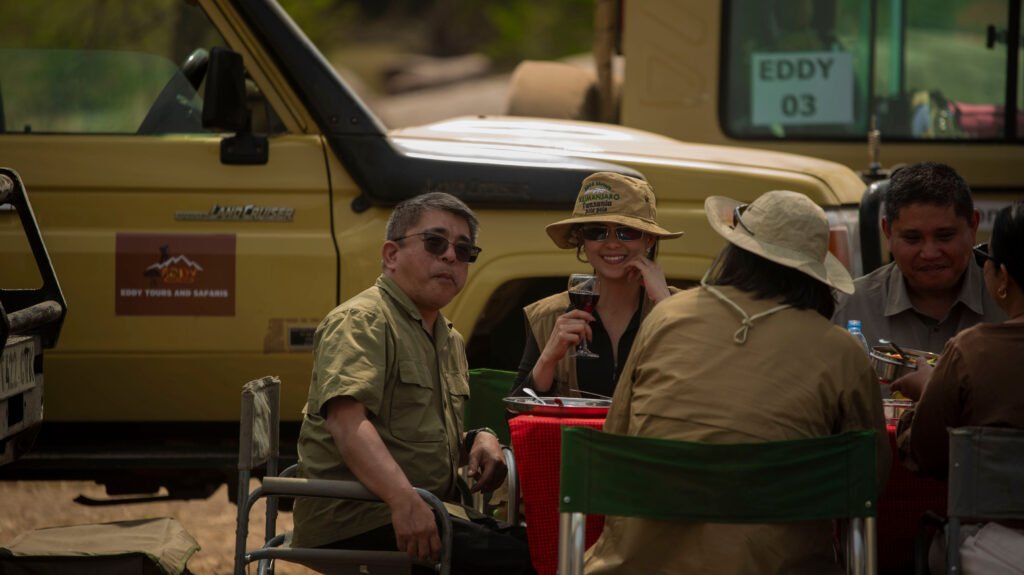
Transport safety is essential within any Safari with Children: Safety Tips for Families. Road safety standards promoted by the World Health Organization road safety programme and energy efficiency guidance from the International Energy Agency emphasize proper vehicle maintenance, trained drivers and responsible driving behaviour.
Families should always use operators that maintain seatbelts, communication radios and emergency kits in their vehicles. Responsible transport planning protects children from fatigue and unnecessary exposure to risk.
Safari with Children: Safety Tips for Families and climate and environmental exposure
Climate awareness plays an increasing role in Safari with Children: Safety Tips for Families. Climate research provided by NASA Climate and assessments published by the Intergovernmental Panel on Climate Change show that heat, dehydration and sudden storms influence health and comfort, especially for young travelers.
Families should schedule game drives and walking activities during cooler hours and follow professional advice on hydration and protective clothing to reduce environmental stress on children.
Safari with Children: Safety Tips for Families and emergency readiness
Preparedness is a central theme in Safari with Children: Safety Tips for Families. Emergency response frameworks developed by the International Federation of Red Cross and Red Crescent Societies and humanitarian response principles promoted by the International Red Cross stress clear communication, trained personnel and evacuation procedures.
Reliable safari operators maintain emergency contacts, medical evacuation arrangements and staff trained in first aid. Families should confirm these procedures before departure to avoid uncertainty during unexpected situations.
Safari with Children: Safety Tips for Families and respectful cultural interaction
Cultural respect is an important part of Safari with Children: Safety Tips for Families. Heritage protection frameworks promoted by UNESCO and social research initiatives supported by Harvard University research programmes emphasize responsible interaction with host communities.
Parents can prepare children by explaining simple local customs, dress expectations and appropriate behaviour, helping avoid misunderstandings and encouraging positive cross-cultural learning.
Safari with Children: Safety Tips for Families and ethical tourism choices
Ethical decision-making strengthens Safari with Children: Safety Tips for Families. Labour standards promoted by the International Labour Organization and community development principles supported by Oxfam International highlight fair employment and community benefits within tourism operations.
Supporting ethical operators helps ensure that your children’s safari experience contributes to education, conservation and long-term local well-being.
Safari with Children: Safety Tips for Families and thoughtful itinerary planning
Well-designed schedules improve comfort within any Safari with Children: Safety Tips for Families. Limiting long drives, adding rest breaks and choosing shorter game activities helps children remain engaged and relaxed throughout the journey.
Families can review professionally structured options through custom family safari planning, where itineraries are adjusted to suit children’s attention spans and physical needs.
Safari with Children: Safety Tips for Families and personalized local support
Local knowledge significantly enhances Safari with Children: Safety Tips for Families. Local teams understand seasonal road conditions, wildlife movement and accommodation suitability better than international booking platforms.
Parents who want direct guidance can speak with local specialists through family safari consultation services and receive realistic advice based on current conditions.
Why families trust a Safari with Children: Safety Tips for Families approach
A family safari should be gentle, educational and well supported. The Safari with Children: Safety Tips for Families approach focuses on professional guidance, health preparation, ethical operations and environmental care rather than rushed sightseeing.
Families who value safety, learning and meaningful connection with nature often choose trusted programs offered through reliable local safari operators because they combine comfort, conservation awareness and child-friendly planning in one responsible travel experience.