
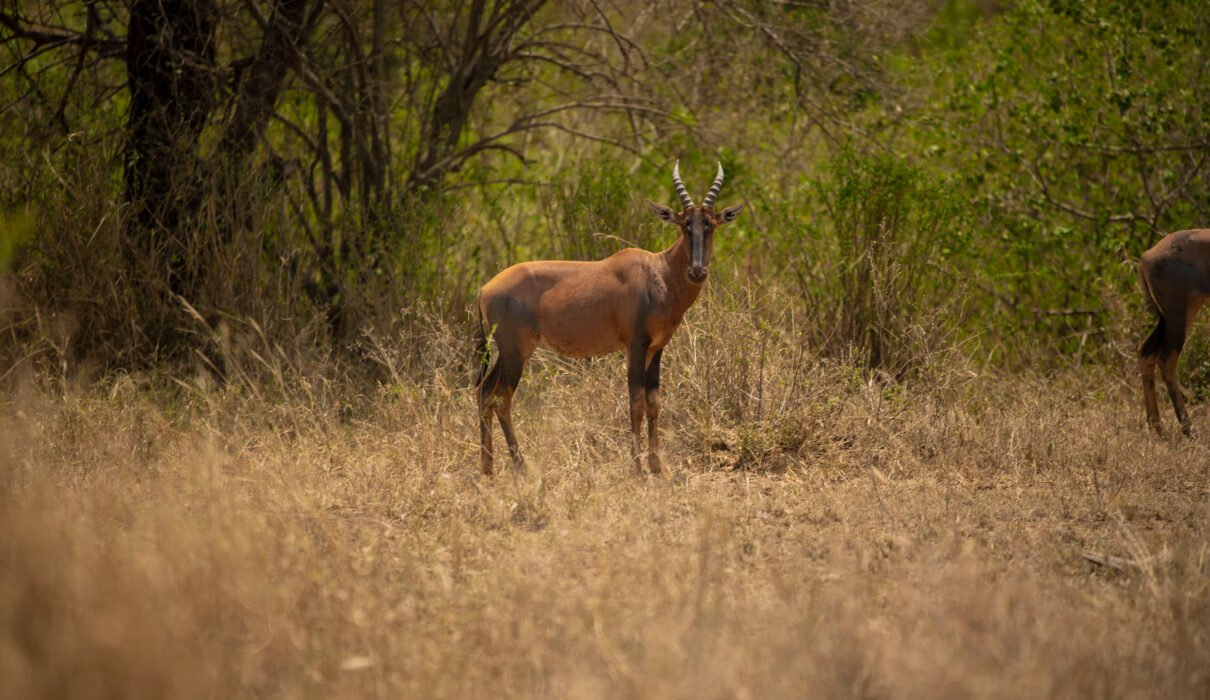
Secret Wildlife Spots in Northern Tanzania offer travellers something rare and deeply personal – wide open spaces, quiet game drives, slower moments with wildlife and genuine connection with nature, far away from the busy routes that most visitors follow when they first arrive in the region.
These hidden places are not secret because they are unknown to conservation authorities. They remain quiet because they protect fragile habitats, community lands and wildlife corridors that need careful visitor management. Choosing these areas means you are not only enjoying a beautiful safari experience, but also supporting the future of conservation and responsible tourism in northern Tanzania.
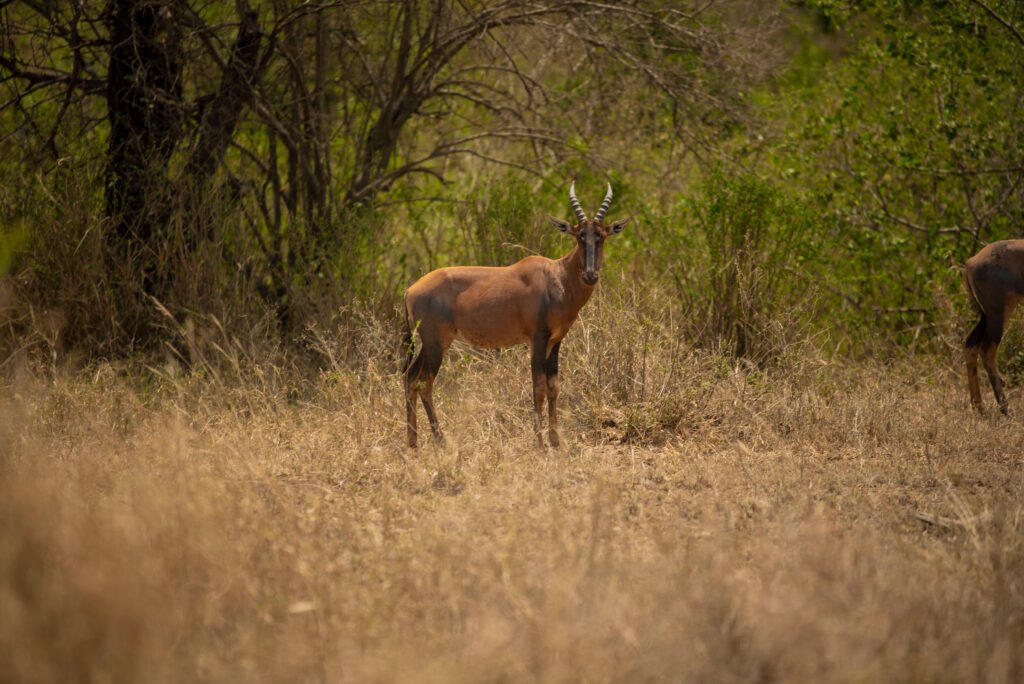
Secret Wildlife Spots in Northern Tanzania and why hidden areas matter for conservation
Secret Wildlife Spots in Northern Tanzania play a very important role in protecting ecosystems that are not always represented inside famous national parks. Conservation planning guided by the International Union for Conservation of Nature and environmental coordination led by the United Nations Environment Programme show that wildlife protection becomes stronger when landscapes outside headline parks are also included in national strategies, especially in regions where communities, livestock and wildlife share the same land.
Long-term wildlife monitoring and field research by the Wildlife Conservation Society, corridor protection programmes supported by the African Wildlife Foundation, and global ecosystem protection initiatives coordinated by Conservation International clearly demonstrate that community lands and buffer zones around protected areas often hold some of the most important habitats for elephants, predators and migratory herbivores.
Secret Wildlife Spots in Northern Tanzania and scientific value of quiet landscapes
Secret Wildlife Spots in Northern Tanzania are increasingly important for biodiversity research because they experience far less disturbance from tourism traffic and infrastructure. Species records and distribution data managed through the Global Biodiversity Information Facility help scientists understand how animals use seasonal grazing areas, river corridors and forest edges that are often found in these low-visitor zones rather than inside heavily visited parks.
National biodiversity assessments coordinated by the Intergovernmental Science-Policy Platform on Biodiversity and Ecosystem Services show that such landscapes are critical for maintaining genetic diversity and long-term population stability. Climate impact assessments published by the Intergovernmental Panel on Climate Change also confirm that wildlife needs access to wider and more flexible landscapes to survive increasing drought and rainfall variability in northern Tanzania.
Secret Wildlife Spots in Northern Tanzania and wildlife corridors beyond famous parks
Secret Wildlife Spots in Northern Tanzania often form natural corridors linking well-known parks with community conservation areas and seasonal grazing lands. Landscape connectivity research conducted by the Wildlife Conservation Society and regional planning initiatives supported by the African Wildlife Foundation show that elephants, wildebeest, zebra and large predators rely heavily on these quieter zones to move safely between ecosystems during dry and wet seasons.
Protected area mapping and corridor monitoring coordinated by the UN Environment Programme World Conservation Monitoring Centre help national planners protect these movement routes from road expansion, settlement growth and uncontrolled land conversion that could permanently block wildlife access to water and grazing areas.
Secret Wildlife Spots in Northern Tanzania and rare bird and forest species
Secret Wildlife Spots in Northern Tanzania are not only about large mammals. Many of these hidden locations protect riverine forests, escarpments and wetland systems that are vital for bird species and small mammals. Bird conservation programmes led by BirdLife International show that several of northern Tanzania’s most important bird habitats fall outside heavily visited safari circuits.
Forest and woodland restoration initiatives promoted by The Nature Conservancy and ecosystem protection projects coordinated by Conservation International further demonstrate that these lesser-visited landscapes protect plant species, pollinators and water catchments that are essential for both wildlife and local communities.
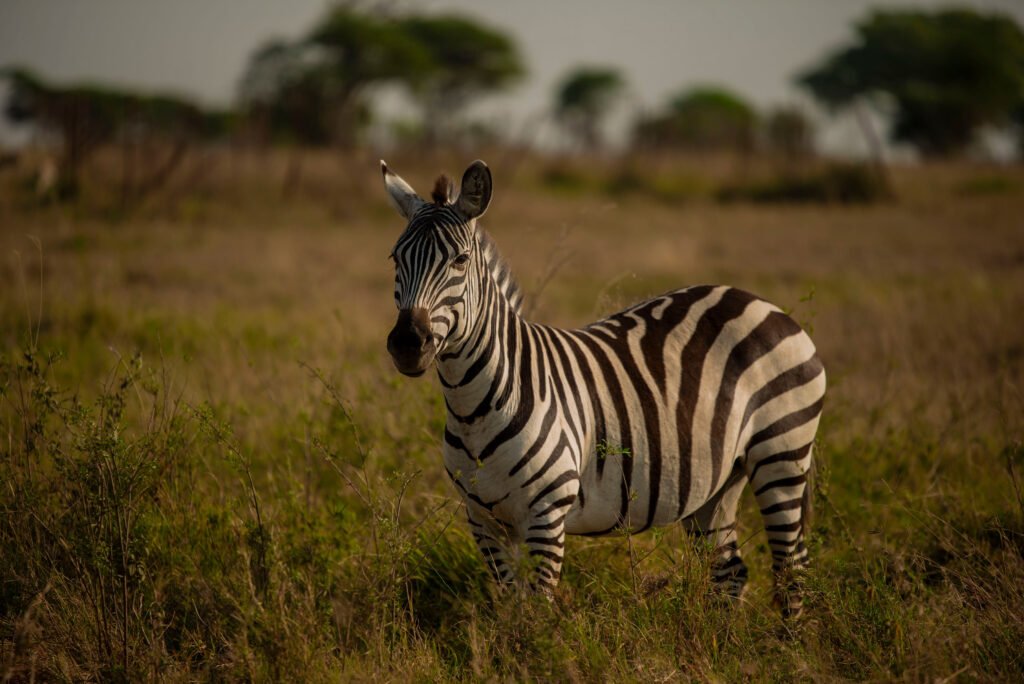
Secret Wildlife Spots in Northern Tanzania and water and wetland protection
Many Secret Wildlife Spots in Northern Tanzania protect seasonal rivers, wetlands and underground water systems that support wildlife throughout the dry season. Freshwater ecosystem protection led by UN Environment and water and food security programmes supported by the Food and Agriculture Organization confirm that safeguarding these catchment areas inside community conservation zones directly supports farming, livestock and household water supply in surrounding villages.
Peer-reviewed research available through ScienceDirect also highlights how wetlands and floodplains act as natural buffers against drought and sudden floods, helping communities and wildlife adapt to climate stress.
Secret Wildlife Spots in Northern Tanzania and community-led conservation
Secret Wildlife Spots in Northern Tanzania are closely connected to local communities who live next to wildlife and share land with animals on a daily basis. Development studies published by the World Bank show that community-based tourism and conservation employment improve household income when people become partners in wildlife protection rather than being excluded from decision-making.
Labour and employment standards promoted by the International Labour Organization support fair working conditions for guides, drivers, rangers and village tourism groups operating in these remote areas. Cultural heritage protection frameworks supported by UNESCO and community development research coordinated by the UN Department of Economic and Social Affairs further show that traditional land knowledge plays a strong role in sustainable conservation planning.
Secret Wildlife Spots in Northern Tanzania and responsible visitor access
Because these locations are remote and sensitive, Secret Wildlife Spots in Northern Tanzania require careful visitor management and professional guiding. Health and travel guidance published by the World Health Organization supports safe travel practices in wildlife areas, while outdoor safety and emergency response frameworks promoted by the American Red Cross strengthen preparedness in wilderness environments where medical facilities are limited.
International biodiversity governance frameworks supported by the Convention on Biological Diversity guide how visitor numbers, access routes and tourism zoning can be managed without damaging fragile habitats and breeding areas.
Secret Wildlife Spots in Northern Tanzania and ethical safari experiences
For travellers who value quiet landscapes, meaningful wildlife encounters and strong conservation impact, Secret Wildlife Spots in Northern Tanzania provide some of the most authentic safari experiences in the country. These places allow guests to slow down, observe natural behaviour and learn directly from local guides who understand both wildlife and community life.
Travellers who want to explore these hidden areas often organise their journeys through Eddy Tours and Safaris, where itineraries are designed to support conservation projects and community employment in remote conservation zones rather than concentrating all visits inside already busy parks.
Secret Wildlife Spots in Northern Tanzania and tailor-made travel planning
Because access, accommodation and park logistics can be complex in remote conservation areas, many visitors choose to plan their trips through custom safari itineraries in Tanzania, which allow travellers to combine secret wildlife areas with cultural visits, forest walks and research-based conservation activities.
Guests who prefer full logistical support and expert route planning also use professional local safari planning services to ensure that permits, vehicles, guides and community visits are properly organised and respectful of conservation rules.
Secret Wildlife Spots in Northern Tanzania as the future of low-impact tourism
Secret Wildlife Spots in Northern Tanzania represent the future of low-impact safari travel because they reduce pressure on famous parks, spread tourism benefits to rural communities and strengthen conservation funding for areas that are often overlooked. Research by the Overseas Development Institute shows that diversified tourism models are more resilient to environmental and economic shocks than tourism systems that depend only on a few high-profile destinations.
For travellers who want more than crowded game drives and rushed schedules, these hidden places offer something rare – silence, learning, connection and real contribution to wildlife protection. Choosing Secret Wildlife Spots in Northern Tanzania means becoming part of a quieter, more responsible and deeply rewarding safari story.