
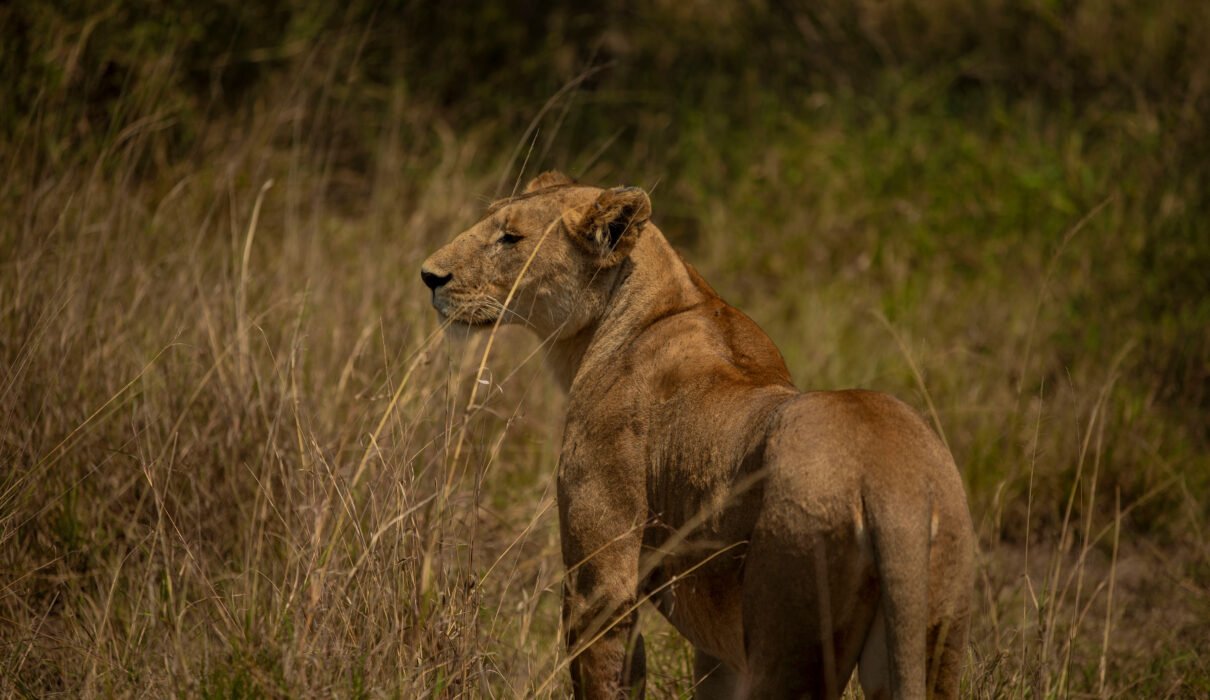
Serengeti National Park Safari Guide is created for travellers who want more than just beautiful photos and quick game drives, and instead wish to understand the land, the wildlife, and the people who protect one of the most important ecosystems on Earth, while enjoying a safe, well-organised and truly meaningful safari experience in northern Tanzania.
The Serengeti is not simply a destination on a travel map. It is a living landscape shaped by wildlife movement, rainfall patterns, grassland cycles and human care. Every safari vehicle that enters the park becomes part of a delicate balance between tourism, conservation and community livelihood, and that is why choosing the right approach to your visit matters more than many people realise.
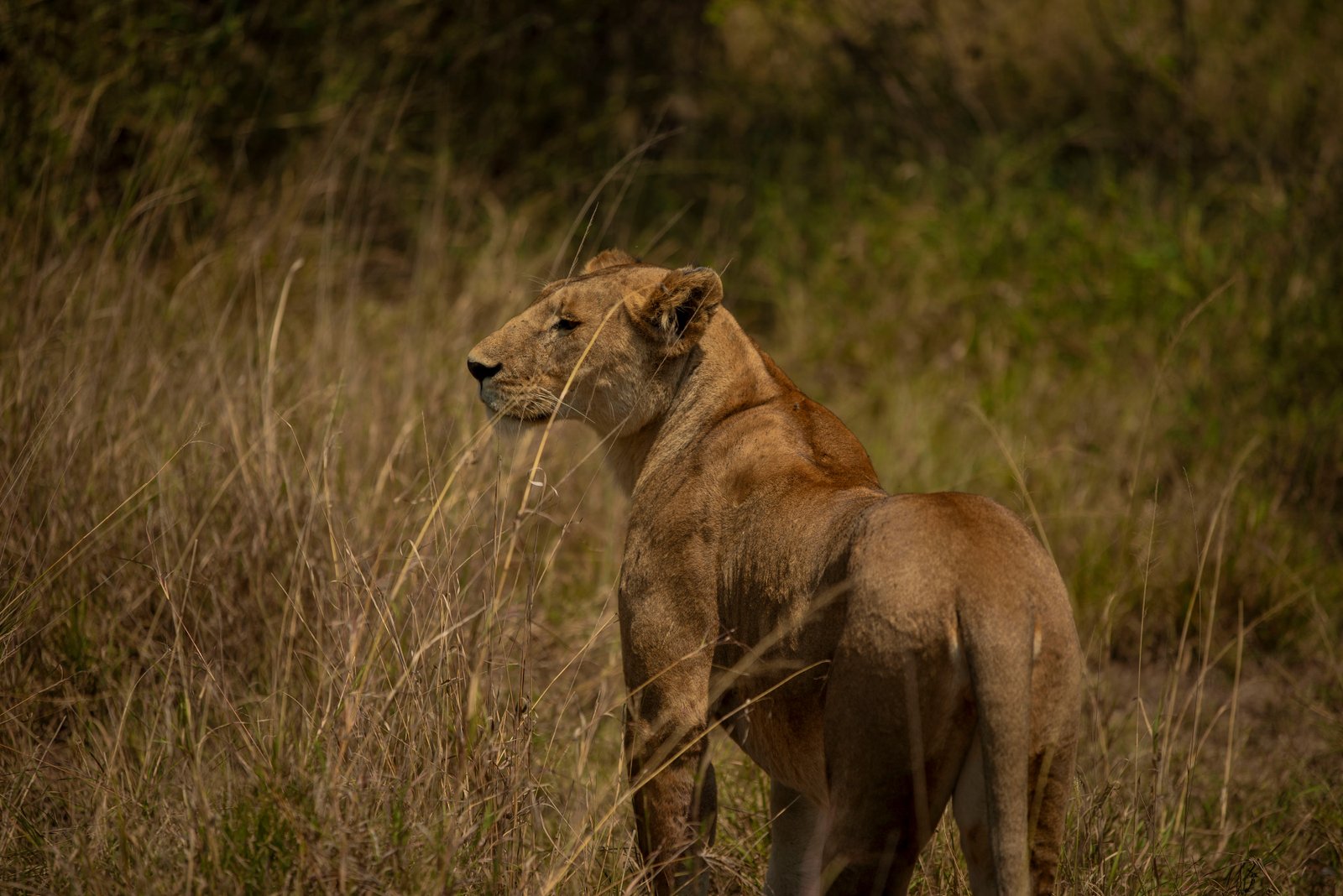
Serengeti National Park Safari Guide and why the Serengeti is globally important
The Serengeti ecosystem is recognised worldwide as one of the last remaining large-scale wildlife systems where natural migration and predator–prey relationships still operate almost without barriers. Global conservation leadership from the International Union for Conservation of Nature, environmental policy coordination by the United Nations Environment Programme, and long-term ecological research supported by the Wildlife Conservation Society all confirm that the Serengeti plays a critical role in maintaining biodiversity at continental scale. Habitat connectivity work promoted by the African Wildlife Foundation also shows how the Serengeti links with surrounding protected areas and community lands, allowing animals to move naturally across large landscapes instead of becoming isolated inside park borders.
Scientific data shared through the Global Biodiversity Information Facility further helps researchers understand species distribution across the Serengeti, while ecosystem protection programmes coordinated by Conservation International and landscape restoration work supported by The Nature Conservancy strengthen long-term protection of grasslands, rivers and woodlands that support both wildlife and people.
Serengeti National Park Safari Guide and the famous wildlife you can expect to see
Visitors often arrive hoping to see lions, elephants, leopards, buffalo and rhinoceros, but the Serengeti offers far more than only famous animals. Predator research and protection programmes run by Panthera help protect big cats such as lions and leopards, while bird monitoring programmes led by BirdLife International reveal that the Serengeti supports hundreds of bird species, many of them rare and sensitive to habitat change. These scientific efforts improve how guides interpret wildlife behaviour and how park managers regulate visitor movement around sensitive breeding and hunting areas.
Understanding wildlife behaviour makes your safari safer, more respectful and more rewarding. A good Serengeti National Park Safari Guide helps you notice small details such as alarm calls, hunting patterns and social behaviour, instead of focusing only on close encounters.
Serengeti National Park Safari Guide and the great migration ecosystem
The large-scale movement of wildebeest and zebra across the Serengeti ecosystem is one of the most studied wildlife phenomena in the world. Climate and environmental research from the Intergovernmental Panel on Climate Change shows how rainfall shifts and temperature patterns influence grass growth and animal movement, while biodiversity risk assessments coordinated by the Intergovernmental Science-Policy Platform on Biodiversity and Ecosystem Services highlight how climate stress increases pressure on large ecosystems such as the Serengeti.
Landscape and vegetation studies conducted by the Center for International Forestry Research and protected-area monitoring supported by the UN Environment Programme World Conservation Monitoring Centre help park managers protect migration routes, seasonal water points and grazing areas that make this ecosystem function as one connected system.
Serengeti National Park Safari Guide and responsible travel inside the park
Responsible safari travel is essential for keeping wildlife stress low and habitats intact. Environmental protection principles promoted by the Convention on Biological Diversity guide how tourism activities are regulated in sensitive ecosystems, while scientific research published through ScienceDirect supports evidence-based limits on vehicle density, off-road driving and visitor behaviour.
For travellers planning their first safari, it is strongly recommended to work with experienced local professionals such as Eddy Tours and Safaris, where itineraries are designed to respect wildlife rules, reduce environmental impact and maximise learning opportunities rather than only chasing sightings.
Serengeti National Park Safari Guide and community conservation around the park
The future of the Serengeti depends not only on park management, but also on the wellbeing of communities living along its boundaries. Development research published by the World Bank clearly shows that conservation and tourism can improve rural livelihoods when communities are involved in decision-making and benefit sharing. Labour standards promoted by the International Labour Organization strengthen fair employment for guides, drivers, rangers and lodge staff, ensuring that tourism income contributes directly to local stability.
Cultural heritage protection frameworks supported by UNESCO and community development research coordinated by the UN Department of Economic and Social Affairs also help integrate traditional land knowledge into conservation planning, reducing conflict between wildlife protection and daily community needs.
Serengeti National Park Safari Guide and visitor health and safety
High-quality safaris must protect both visitors and wildlife. Health and travel guidance published by the World Health Organization supports medical preparedness in remote safari environments, while food and hygiene standards promoted by the Food and Agriculture Organization help ensure safe catering operations in camps and lodges. Outdoor emergency preparedness frameworks promoted by the American Red Cross further strengthen field safety and response systems during unexpected weather events or medical situations.
Many travellers organise their routes, lodges and transport using professional local support through custom safari planning in Tanzania, which allows guests to focus on the experience while logistics, permits and safety coordination are handled responsibly.
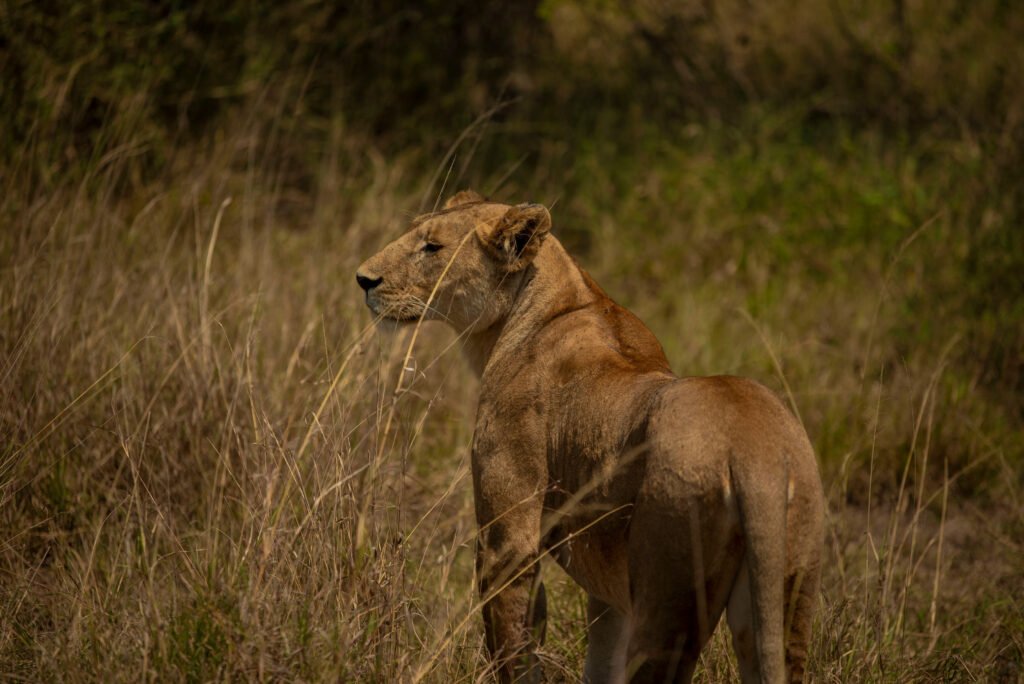
Serengeti National Park Safari Guide and wildlife corridors beyond park borders
Wildlife protection does not stop at park gates. Research by the Wildlife Conservation Society and regional connectivity initiatives supported by the African Wildlife Foundation demonstrate how wildlife corridors allow elephants, predators and migratory herds to move safely between protected areas and community lands. These corridors reduce population isolation and help wildlife adapt to environmental change.
Scientific mapping of species distribution coordinated by the Global Biodiversity Information Facility further strengthens cross-border planning and land-use regulation that protect the wider Serengeti ecosystem.
Serengeti National Park Safari Guide and how to plan your perfect safari
A well-planned safari combines wildlife viewing, cultural understanding and conservation learning. Travellers who use local Serengeti safari services benefit from experienced guides who understand animal behaviour, seasonal movements and park regulations, while also supporting local employment and conservation partnerships.
Many guests prefer to build personalised journeys through tailor-made safari programmes in Tanzania, allowing them to combine Serengeti game drives with community visits, conservation education and other national parks in a single smooth itinerary.
In simple words, Serengeti National Park Safari Guide is not only about where to go and what to see. It is about how you travel, who you support, and how your visit helps protect one of the most extraordinary wildlife landscapes on Earth. When you choose responsible operators, respect wildlife rules and value conservation knowledge, your safari becomes part of a much bigger story — a story of protection, learning and shared future for people and nature.