
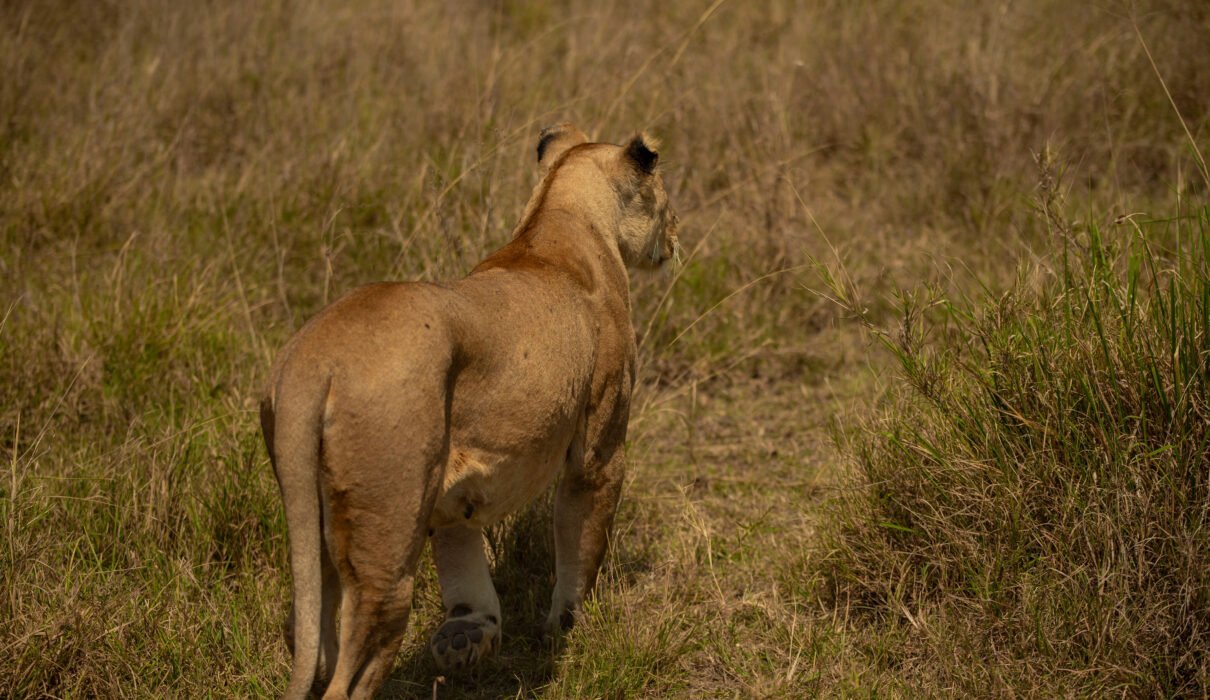
Serengeti Shall Not Die by Bernhard Grzimek remains one of the most powerful and emotional conservation stories ever connected to East Africa, showing how wildlife, people and science came together to protect a landscape that was once standing quietly at the edge of irreversible loss.
This story is not only about animals and open plains. It is about courage, responsibility and the difficult decisions that shaped modern wildlife protection. Today, every safari vehicle crossing the Serengeti, every ranger patrol, and every community project in northern Tanzania still carries the influence of this message.
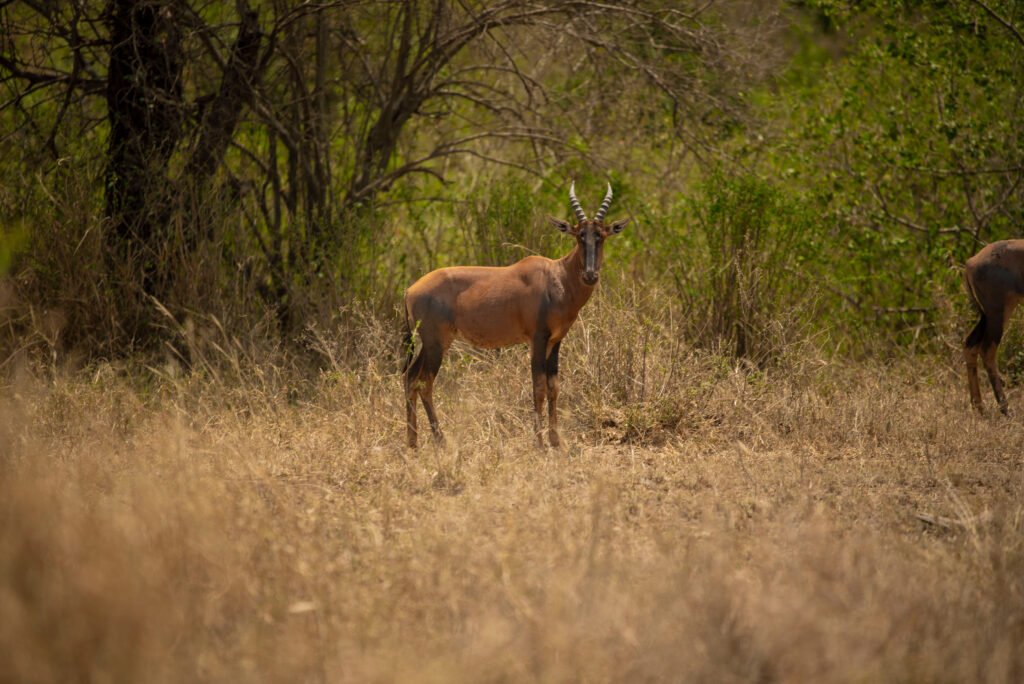
Serengeti Shall Not Die by Bernhard Grzimek and the birth of modern conservation thinking
The global conservation movement began to change when serious scientific attention was finally given to wildlife populations, migration routes and land-use pressure in the Serengeti ecosystem. Research frameworks promoted by the International Union for Conservation of Nature and environmental leadership coordinated by the United Nations Environment Programme later strengthened the same ideas first communicated so clearly through this conservation story. These organisations now guide how protected landscapes are managed across Africa and beyond, ensuring that wildlife survival is supported by science, law and community involvement.
Scientific field research and long-term wildlife monitoring by the Wildlife Conservation Society, regional ecosystem protection by the African Wildlife Foundation, and large-scale conservation programmes led by Conservation International continue to apply the same conservation principles that were once only bold ideas shared with the world through this influential work.
Serengeti Shall Not Die by Bernhard Grzimek and scientific evidence behind wildlife protection
One of the strongest contributions of this conservation legacy was the use of real data and scientific observation to explain why wildlife needed protection, not only sympathy. Today, global biodiversity information is coordinated through the Global Biodiversity Information Facility, which allows scientists to track species distribution, population trends and ecosystem health across protected areas like the Serengeti. Bird conservation and habitat research by BirdLife International and predator protection programmes supported by Panthera now help decision-makers understand how species survival depends on both protected zones and surrounding community land.
Landscape restoration strategies promoted by The Nature Conservancy further show how grasslands, rivers and migration corridors can recover when conservation planning is done properly and long-term protection replaces short-term land conversion.
Serengeti Shall Not Die by Bernhard Grzimek and climate pressure on wildlife landscapes
Today, conservation challenges have grown beyond land use and population growth. Climate change has become one of the most serious threats to wildlife systems. Scientific assessments published by the Intergovernmental Panel on Climate Change confirm that East African ecosystems are increasingly vulnerable to temperature changes and rainfall shifts, while biodiversity risk assessments coordinated by the Intergovernmental Science-Policy Platform on Biodiversity and Ecosystem Services show how climate stress and habitat loss together increase extinction risk.
Forest and rangeland research by the Center for International Forestry Research and ecosystem monitoring coordinated by the UN Environment Programme World Conservation Monitoring Centre now support practical solutions that help keep landscapes connected and productive for both wildlife and people.
Serengeti Shall Not Die by Bernhard Grzimek and community involvement in conservation
One of the most important lessons that emerged after this conservation story reached the world is that wildlife protection cannot succeed without local communities. Development research published by the World Bank shows that conservation-linked tourism and land management can directly improve livelihoods when communities are treated as partners, not obstacles. Labour protection and fair employment frameworks promoted by the International Labour Organization further strengthen working conditions for rangers, guides and conservation workers.
Cultural heritage protection frameworks promoted by UNESCO and social development research coordinated by the UN Department of Economic and Social Affairs now guide how conservation and tourism projects respect traditional land use, local identity and long-term social stability.
Serengeti Shall Not Die by Bernhard Grzimek and protected area governance today
Modern protected area management is strongly guided by international legal and governance frameworks. Biodiversity policy and protected area planning supported by the Convention on Biological Diversity ensure that conservation decisions are based on transparency, scientific input and community consultation. Peer-reviewed conservation and ecological research published through ScienceDirect continues to improve how park zoning, tourism limits and habitat restoration are implemented.
Freshwater and ecosystem policy coordination supported by UN Environment also helps protect river systems and wetlands that support wildlife migration routes linked to the wider Serengeti ecosystem.
Serengeti Shall Not Die by Bernhard Grzimek and responsible safari tourism
Responsible tourism has become one of the strongest tools for conservation funding and awareness. Research by the Overseas Development Institute confirms that well-managed tourism can strengthen conservation financing while reducing pressure on wildlife resources. Visitors who choose carefully designed experiences through Eddy Tours and Safaris official safari services directly support conservation education, ranger programmes and community partnerships linked to protected landscapes.
Many travellers also design personalised journeys using tailor-made Tanzania safari itineraries, allowing them to explore wildlife areas responsibly while supporting local employment and conservation initiatives.
Serengeti Shall Not Die by Bernhard Grzimek and wildlife corridors beyond park borders
Modern conservation science clearly shows that wildlife survival depends on movement corridors beyond formal park boundaries. Landscape connectivity research coordinated by the Wildlife Conservation Society and regional corridor protection strategies supported by the African Wildlife Foundation help maintain natural migration routes for large herbivores and predators.
Species distribution mapping and habitat modelling supported by the Global Biodiversity Information Facility further strengthen cross-border conservation planning that keeps ecosystems functioning as complete biological systems.
Serengeti Shall Not Die by Bernhard Grzimek and visitor safety and ethical field practice
High-quality conservation tourism also depends on visitor safety and responsible field behaviour. Health and travel guidance published by the World Health Organization supports safe travel practices in wildlife and remote areas, while emergency preparedness frameworks promoted by the American Red Cross help operators strengthen response systems for outdoor environments.
Travellers preparing to explore northern Tanzania often review practical travel advice and ethical safari standards through professional local safari planning services, ensuring that their visit contributes positively to conservation and community wellbeing.
Serengeti Shall Not Die by Bernhard Grzimek and why its message still matters
The story continues to remind the world that wildlife protection is not guaranteed. It requires constant effort, political will, scientific research and community cooperation. Today, conservation leadership from organisations such as Conservation International, habitat restoration initiatives by The Nature Conservancy, and sustainable land-use strategies supported by the Food and Agriculture Organization help turn this message into practical action on the ground.
Visitors who wish to experience the Serengeti in a responsible and meaningful way can explore conservation-focused journeys through trusted local safari operators in Tanzania, where wildlife viewing, cultural interaction and conservation awareness are carefully balanced.
In simple words, Serengeti Shall Not Die by Bernhard Grzimek is not only a historical conservation story. It is a living reminder that every safari booking, every responsible travel choice and every voice supporting nature protection still plays a role in keeping the Serengeti alive for future generations.