
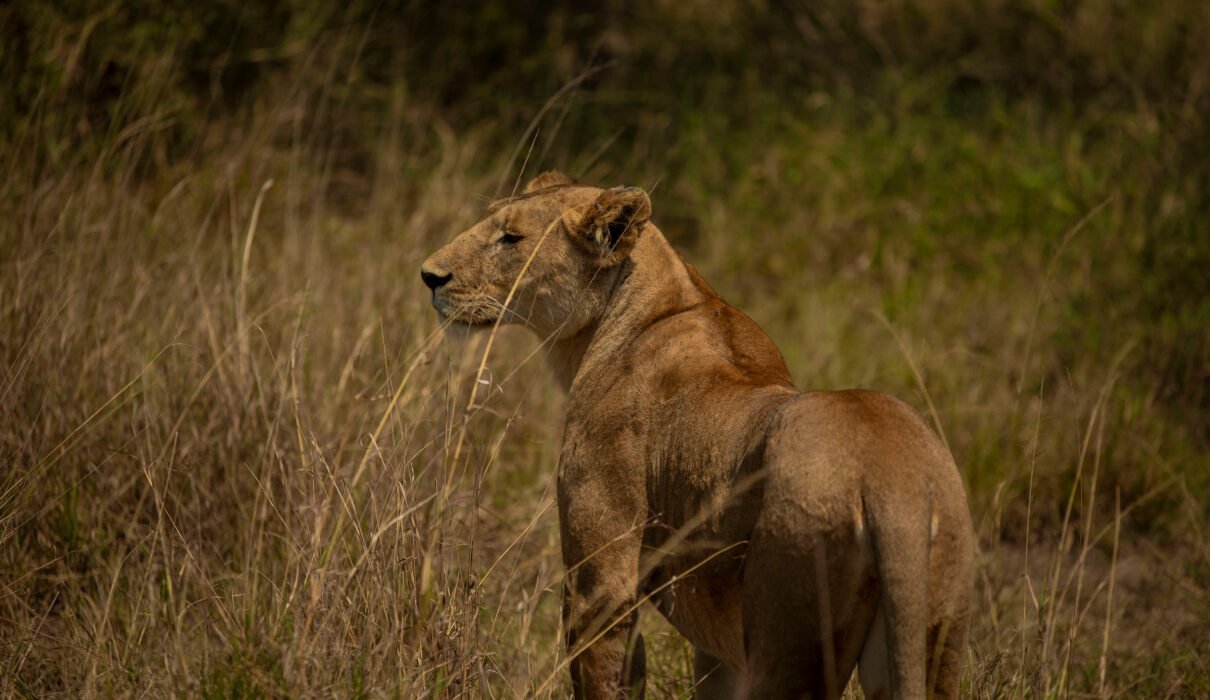
Serengeti vs Masai Mara: Which Safari Is Better? is one of the most honest and important questions travelers ask before booking their first African safari, especially when they want more than beautiful photos and are looking for a deeper experience that respects wildlife, supports communities, and truly feels worth their time and money.
Both destinations are world-famous, both protect extraordinary wildlife, and both sit inside one connected ecosystem that stretches across the Tanzania–Kenya border. Still, the feeling on the ground, the space, the style of tourism, and the way conservation and communities are involved can be very different. This guide explains those differences clearly, simply, and honestly so you can choose the safari that fits your travel style and values.
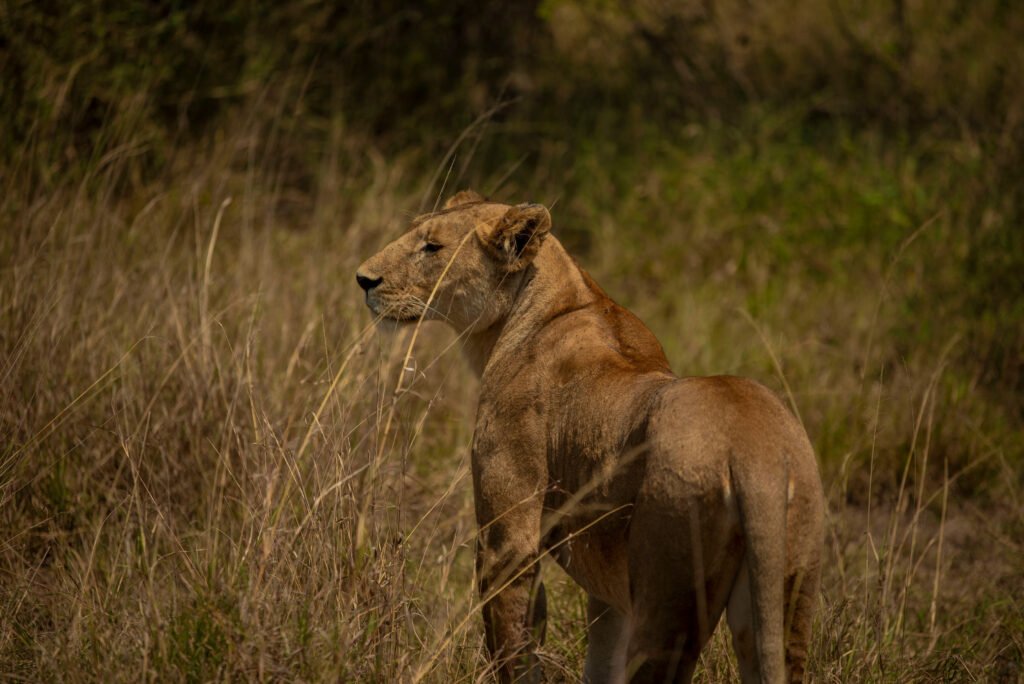
Serengeti vs Masai Mara: Which Safari Is Better? when it comes to wildlife protection and conservation strength
From a conservation point of view, both areas are extremely important for Africa and for the world. The wider Serengeti–Mara ecosystem is recognised as one of the most valuable wildlife landscapes on Earth, and global conservation organisations continue to invest in research, protection and long-term planning here. Institutions such as the International Union for Conservation of Nature, the United Nations Environment Programme and the Wildlife Conservation Society support protected-area management, ranger programmes and wildlife monitoring across both sides of the border. Regional landscape connectivity and community conservation work is also strongly supported by the African Wildlife Foundation, helping to keep migration routes open and reduce pressure from land conversion.
Scientific species data and long-term population tracking are coordinated through the Global Biodiversity Information Facility, while large-scale biodiversity assessments are guided by the Intergovernmental Science-Policy Platform on Biodiversity and Ecosystem Services. These organisations help park authorities understand where animals are moving, where habitats are shrinking and how tourism must be managed to avoid disturbing critical areas.
In practical terms, Serengeti National Park covers a much larger area than Masai Mara and includes a wider variety of ecosystems. This size gives wildlife more space, more natural movement and lower pressure from vehicles. Masai Mara is smaller, but it benefits from strong research partnerships and rapid monitoring supported by conservation groups and universities. Both parks are well protected, but Serengeti clearly offers a broader and less compressed conservation landscape.
Serengeti vs Masai Mara: Which Safari Is Better? for wildlife density and natural behaviour
Wildlife viewing quality is not only about how many animals you see, but how naturally those animals behave. Predator research and big-cat conservation work led by Panthera show that lions, leopards and cheetahs are highly sensitive to vehicle pressure and crowding, especially around hunting and resting areas. Large mammal habitat and ecosystem protection programmes from Conservation International and restoration work supported by The Nature Conservancy further confirm that low-disturbance tourism improves animal behaviour and breeding success.
In Serengeti, wildlife spreads across vast plains, woodlands and river systems. It is very common to watch animals without many vehicles nearby. In Masai Mara, wildlife density is extremely high, especially around famous river crossings and predator hotspots. This creates very dramatic sightings, but also means that at peak moments, many safari vehicles can gather around the same animals.
If you enjoy silence, space and slow observation, Serengeti often feels more natural. If you prefer high-energy wildlife action and fast sightings, Masai Mara can be very exciting. Neither is wrong. They simply offer different styles of wildlife experience.
Serengeti vs Masai Mara: Which Safari Is Better? when looking at climate, ecosystems and long-term resilience
Climate pressure is now one of the biggest challenges facing both parks. Scientific reports from the Intergovernmental Panel on Climate Change show that East African ecosystems are increasingly affected by changing rainfall, longer dry periods and shifting vegetation patterns. Forest and rangeland research by the Center for International Forestry Research explains how surrounding land use and grazing pressure strongly influence water availability and grass regeneration for herbivores.
Landscape monitoring and protected-area mapping supported by the UN Environment Programme World Conservation Monitoring Centre help managers in both countries identify vulnerable habitats and plan buffer zones around parks. In the long term, Serengeti’s larger size gives it slightly better ecological resilience, because animals can shift more easily between habitats during droughts or poor seasons.
Masai Mara, however, benefits from very strong local conservation initiatives and active private conservancies around the reserve, which reduce human-wildlife conflict and protect land outside the main park boundaries.
Serengeti vs Masai Mara: Which Safari Is Better? for community involvement and social impact
Modern conservation depends on people living next to wildlife areas. Development research from the World Bank clearly shows that tourism works best when communities receive direct benefits, such as employment, training and business opportunities. Labour protection standards promoted by the International Labour Organization help improve working conditions for guides, drivers, cooks and lodge staff.
Cultural heritage protection supported by UNESCO and community development studies coordinated by the UN Department of Economic and Social Affairs highlight how community-based tourism strengthens cultural identity and improves long-term social stability.
In Masai Mara, many community-owned conservancies operate alongside the main reserve. Visitors often interact more directly with Maasai communities through cultural programmes and conservancy-based lodges. In Serengeti, community tourism is growing rapidly in surrounding villages, especially around cultural tours and local guiding services. Both models support communities, but Masai Mara currently offers more visible community-managed conservation areas.
Serengeti vs Masai Mara: Which Safari Is Better? for safety, health and visitor management
Visitor safety and responsible behaviour are essential in wildlife areas. Health and travel guidance published by the World Health Organization supports safari operators in improving medical preparedness and hygiene systems, while emergency and outdoor safety frameworks promoted by the American Red Cross help strengthen response planning in remote environments.
Protected-area governance and tourism impact management are guided by international biodiversity policy frameworks developed under the Convention on Biological Diversity. Scientific tourism and wildlife management research published through ScienceDirect continues to improve vehicle limits, viewing distances and zoning systems in both parks.
In practical travel terms, Serengeti generally feels less congested and easier for guides to manage safely over wide areas. Masai Mara requires more careful timing and route planning to avoid peak congestion around popular sightings.
Serengeti vs Masai Mara: Which Safari Is Better? for photography and personal experience
Photography style often influences the final choice. Serengeti offers wide landscapes, long horizons and dramatic skies, ideal for storytelling and landscape-focused photography. Masai Mara offers closer wildlife interactions and tighter compositions, which are excellent for action photography.
Bird conservation and habitat studies from BirdLife International also show that both regions host extraordinary bird diversity, making them equally rewarding for bird photographers and naturalists.
Serengeti vs Masai Mara: Which Safari Is Better? when booking through responsible local operators
How you book your safari matters as much as where you go. Research from the Overseas Development Institute confirms that responsible tourism models generate stronger local benefits and better conservation outcomes than mass tourism systems.
Travelers planning a Serengeti experience often choose carefully designed programmes through Eddy Tours and Safaris, where wildlife viewing is combined with conservation awareness and community support. Many guests prefer to create their journeys through custom safari itineraries in Tanzania, allowing them to explore Serengeti at a slower pace and avoid rushed schedules.
For travelers combining several parks and cultural experiences, professional safari planning services in Tanzania help organise logistics, park permits and ethical travel practices. Visitors interested in extending their trip beyond wildlife often explore community-based programmes through responsible travel experiences in Tanzania, creating deeper connections with local people.
Serengeti vs Masai Mara: Which Safari Is Better? the honest final answer
So, Serengeti vs Masai Mara: Which Safari Is Better? The honest answer is simple. Serengeti is better for travelers who want space, silence, wide landscapes, and a feeling of true wilderness supported by one of the strongest conservation systems in Africa. Masai Mara is better for travelers who want intense wildlife activity, strong community conservancy involvement and closer, faster-paced sightings.
Both destinations protect the same great ecosystem. Both depend on science, conservation funding and community partnerships. The real difference is how you want to experience that world.
If your dream safari is calm, immersive and deeply connected to nature, Serengeti is usually the stronger choice. And if you would like to experience Serengeti in a responsible, comfortable and professionally guided way, we invite you to start your journey with our local team and turn your safari dream into a meaningful and unforgettable reality.