
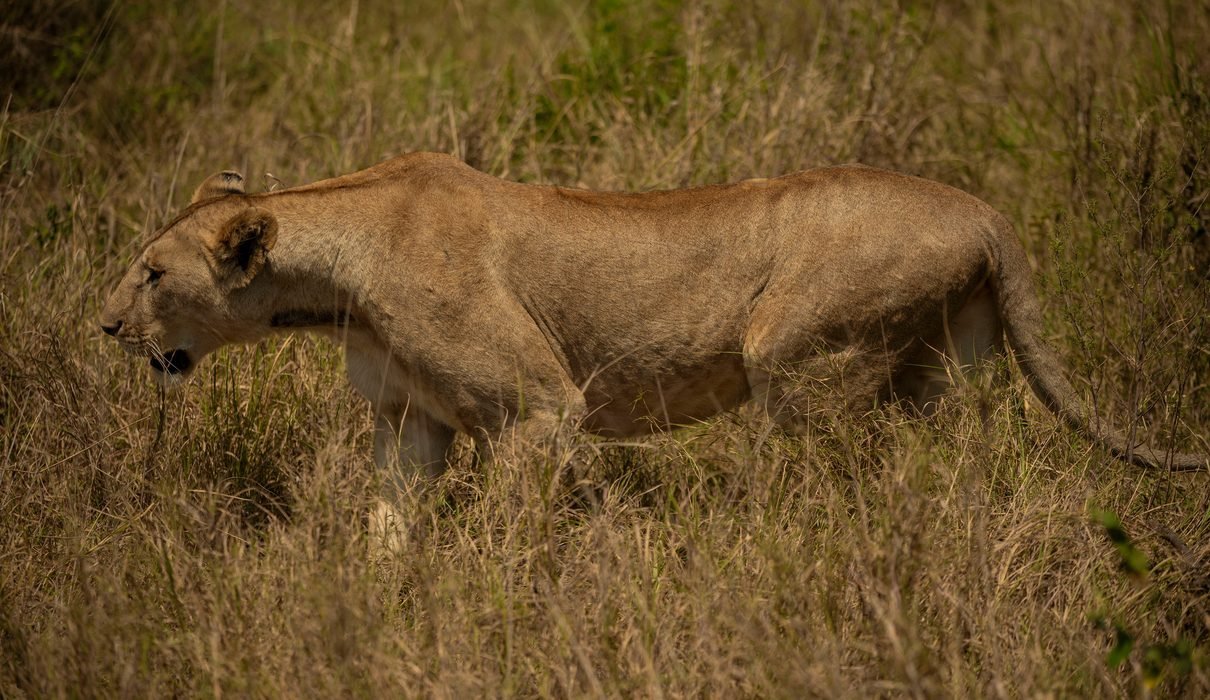
Serengeti vs Ngorongoro is one of the most common questions travelers ask when planning a safari in Tanzania. Both destinations are famous for their wildlife, beautiful landscapes, and excellent game-viewing opportunities, but they offer different safari experiences. Serengeti National Park is known for its wide open plains, big cats, and the Great Wildebeest Migration, while Ngorongoro Crater is famous for its large concentration of wildlife within a volcanic caldera.
If you are planning a Tanzania safari in 2027, choosing between Serengeti and Ngorongoro depends on how many days you have, the animals you want to see, your budget, and the type of experience you prefer. Travelers interested in following the Great Migration and spending several days exploring different wildlife habitats may prefer Serengeti. Those looking for a shorter safari with opportunities to see lions, elephants, buffaloes, hippos, and the rare black rhinoceros may find Ngorongoro Crater particularly appealing.
The good news is that you do not always have to choose one destination over the other. Serengeti National Park and Ngorongoro Conservation Area are part of Tanzania’s northern safari circuit, and many itineraries combine them in a single trip. A four-, five-, or six-day safari can include both destinations, allowing visitors to experience the vast Serengeti plains and the wildlife-rich floor of Ngorongoro Crater.
At Eddy Tours & Safaris, we help travelers plan private and group safaris across northern Tanzania. In this guide, we compare Serengeti and Ngorongoro in simple terms, including wildlife, scenery, safari activities, travel time, accommodation, costs, and the best time to visit in 2027.
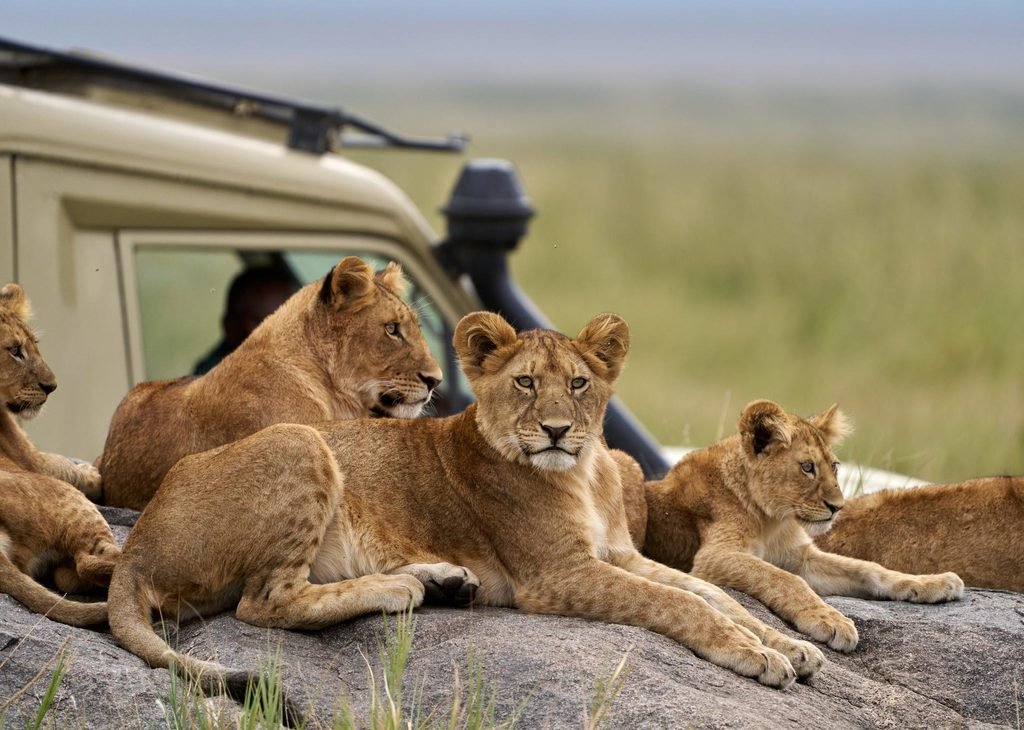
Serengeti vs Ngorongoro: Quick Safari Comparison
| Safari feature | Serengeti National Park | Ngorongoro Crater |
|---|---|---|
| Location | Northern Tanzania | Ngorongoro Conservation Area, northern Tanzania |
| Main attraction | Great Migration and big cats | High concentration of wildlife inside a volcanic crater |
| Landscape | Open plains, woodlands, rivers and rocky kopjes | Grasslands, wetlands and forests surrounded by crater walls |
| Best safari duration | 2–4 days or longer | Usually one crater game-drive day |
| Big Five opportunities | All five species occur, but rhinos are difficult to see | All five species occur; black rhinos remain difficult to spot |
| Great Migration | Major migration destination | Crater is not the main migration destination; wider conservation area includes seasonal migration grounds |
| Wildlife photography | Excellent for open landscapes and predators | Excellent for wildlife against dramatic crater scenery |
| Accommodation | Lodges and tented camps inside and outside the park | Lodges around the crater rim and in nearby Karatu |
| Travel from Arusha | Longer overland journey | Shorter overland journey |
| Budget considerations | More driving and often additional nights | Crater service fees can make a short visit relatively expensive |
| Best for | Longer wildlife safaris and migration-focused trips | Short safaris and concentrated wildlife viewing |
Both destinations are UNESCO World Heritage Sites and are important parts of Tanzania’s wildlife conservation landscape.
1. Serengeti National Park: Best for Open Plains, Predators and the Great Migration
Serengeti National Park is one of Africa’s most famous wildlife destinations. Covering approximately 14,763 square kilometres, the park is known for its enormous grasslands, scattered acacia trees, rocky outcrops, and river systems. Its name is commonly associated with the idea of endless plains, and visitors quickly understand why when driving through the open landscapes that stretch toward the horizon.
One of Serengeti’s greatest attractions is the variety of wildlife that lives throughout the park. Lions, leopards, cheetahs, elephants, giraffes, buffaloes, zebras, wildebeests, hyenas, and numerous antelope species can be encountered in different habitats. The central Serengeti, particularly the Seronera area, is well known for predator viewing because its river valleys and surrounding plains support wildlife throughout much of the year.
The Serengeti is also the main destination for travelers interested in the Great Wildebeest Migration. Large herds move through the wider Serengeti ecosystem following seasonal rainfall and grazing conditions. Depending on the time of year, visitors may encounter calving herds in the southern plains, migrating animals moving through the western corridor, or wildebeests gathering near rivers in the northern Serengeti.
A Serengeti safari is particularly suitable for travelers who want to spend several days exploring different landscapes rather than concentrating their wildlife viewing into one game drive. The park’s large size means that animal sightings can require patience and considerable driving, but the experience of traveling across its open plains is one of the main reasons people visit.
2. Ngorongoro Crater: Best for a Concentrated Wildlife Safari
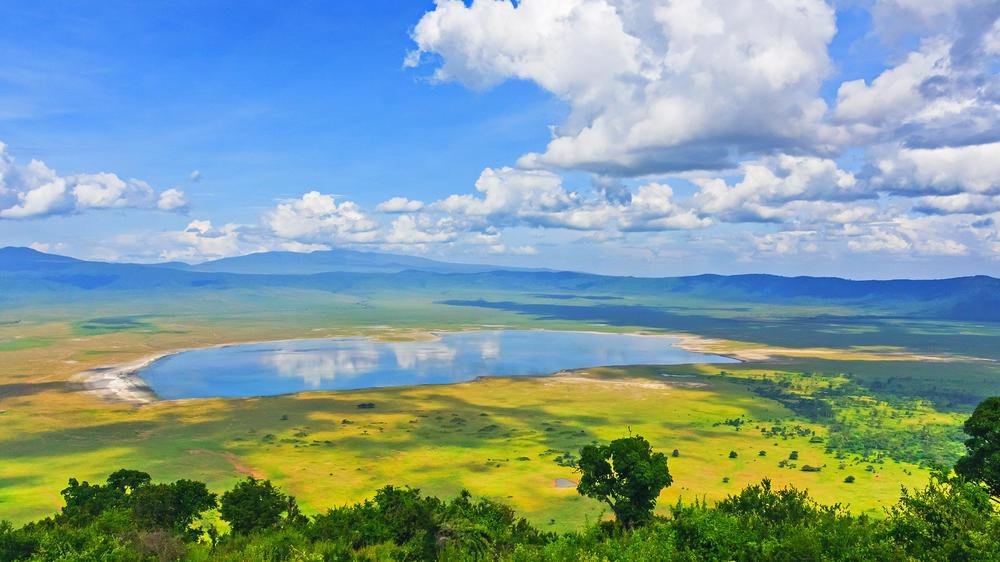
Ngorongoro Crater is the main attraction within the Ngorongoro Conservation Area, a protected landscape that includes volcanic highlands, forests, grasslands, and important wildlife habitats. The crater itself is a large volcanic caldera formed after the collapse of an ancient volcano. Its floor lies roughly 400–600 metres below the rim and contains grasslands, wetlands, lakes, and patches of forest that support a wide variety of animals.
The most important difference between Ngorongoro and Serengeti is the scale of the safari experience. Instead of traveling across a vast national park, visitors descend into the crater and explore a relatively compact area where many animals live throughout the year. This makes Ngorongoro particularly attractive to travelers with limited time who want opportunities to see several species during a single game drive.
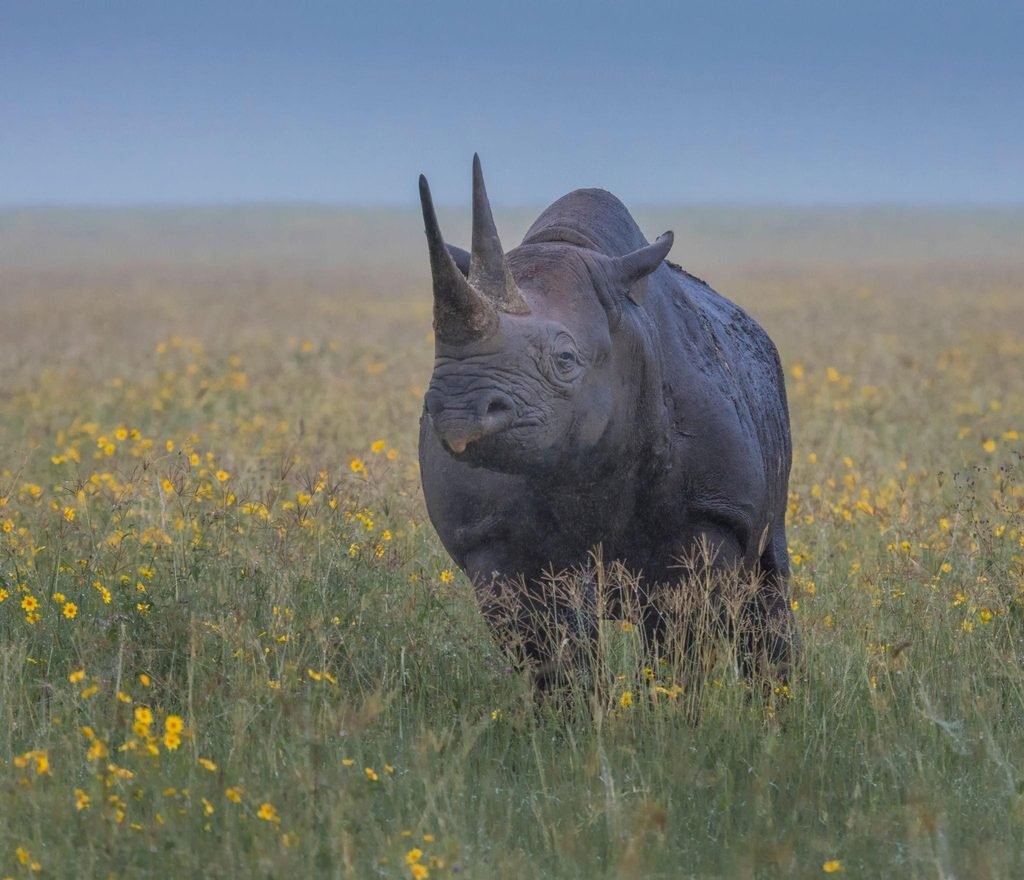
Wildlife commonly associated with Ngorongoro Crater includes lions, elephants, buffaloes, zebras, wildebeests, hippos, hyenas, gazelles, and numerous bird species. The crater also supports black rhinoceroses, making it an important destination for travelers hoping to see this rare animal. However, rhino sightings are not guaranteed, and leopards can be difficult to locate.
The crater’s landscape adds another dimension to the experience. Visitors begin near the highland rim, where cooler temperatures and forested slopes contrast with the open grasslands below. Once inside, the surrounding crater walls create a distinctive setting for wildlife photography and game viewing.
3. Which Destination Has Better Wildlife Viewing?
Both Serengeti and Ngorongoro offer excellent wildlife viewing, but the experience is different. Serengeti is generally better suited to travelers who want to spend several days searching for predators, observing animal behavior, and exploring different habitats. Its extensive plains and river systems support large wildlife populations, and visitors may encounter different species as they move between the central, western, southern, and northern areas.
Ngorongoro Crater provides a more concentrated game-viewing experience. Because many animals occupy the crater floor, visitors may see several species within a relatively short distance. This is especially useful for travelers who have only one or two safari days available. However, the crater can become busy during popular travel periods, and wildlife sightings still depend on animal movements and weather conditions.
For travelers interested in lions and cheetahs, Serengeti is an excellent destination because its open grasslands provide suitable hunting habitats. Ngorongoro also has lions and other predators, but the range of habitats and the overall safari experience are more contained. For black rhinos, Ngorongoro is often the more practical destination to consider, although sightings remain uncertain.
Serengeti vs Ngorongoro Wildlife Comparison
| Wildlife | Serengeti | Ngorongoro Crater |
|---|---|---|
| Lions | Excellent opportunities | Excellent opportunities |
| Leopards | Present; often difficult to locate | Present; generally elusive |
| Cheetahs | Strong opportunities in open plains | Less commonly encountered |
| Elephants | Found in several habitats | Present, including mature bulls |
| Buffaloes | Common in suitable areas | Common |
| Black rhinoceroses | Rare and difficult to see | Important rhino habitat; sightings possible |
| Giraffes | Present | Generally absent from the crater floor |
| Wildebeests and zebras | Large resident and migratory populations | Resident populations |
| Hippos | Found in rivers and pools | Often seen in suitable water habitats |
| Flamingos | Seasonal in suitable wetlands | Seasonal, depending on lake conditions |
No safari destination can guarantee sightings of particular animals, including the Big Five.
4. Serengeti vs Ngorongoro for the Big Five
The Big Five refers to lions, leopards, elephants, buffaloes, and rhinoceroses. Both Serengeti and Ngorongoro support these animals, but seeing all five during one safari is never guaranteed. The chance of encountering each species depends on its behavior, population distribution, weather, vegetation, and the amount of time available for game drives.
Ngorongoro Crater is often considered a strong destination for travelers hoping to see several members of the Big Five within a short period. Lions, buffaloes, and elephants may be encountered during a crater game drive, while black rhinos are sometimes visible across the open grasslands. However, rhinos can be distant, and leopards are particularly difficult to find.
Serengeti offers excellent opportunities to observe lions, leopards, elephants, and buffaloes across different habitats. Rhinos also occur in the wider park but are rarely seen on standard game-drive routes. Travelers who want to improve their overall opportunities for seeing the Big Five often benefit from visiting both destinations rather than relying on one.
5. Which Safari Is Better for the Great Wildebeest Migration?
If your main reason for visiting Tanzania is to experience the Great Wildebeest Migration, Serengeti is generally the better choice. The migration involves large numbers of wildebeests, zebras, and gazelles moving through the wider Serengeti ecosystem in search of fresh grazing and water. Their movements change throughout the year, influenced by rainfall, vegetation, and other environmental conditions.
From approximately December to March, many migrating animals gather in the southern Serengeti and Ndutu plains, which extend into the Ngorongoro Conservation Area. This period is particularly associated with wildebeest calving, especially around January and February. As the seasons change, herds generally move toward the central and western Serengeti before reaching northern areas during the drier months.
Between roughly July and October, visitors may have opportunities to observe migration herds near the Mara River in the northern Serengeti. River crossings attract considerable attention because they involve difficult movements through crocodile-inhabited waters. However, crossings are unpredictable, and visitors should not expect them to occur at a particular time or on a specific day.
Ngorongoro Crater itself is not the main destination for following the Great Migration. Although the wider Ngorongoro Conservation Area includes important seasonal migration habitats, particularly around Ndutu, the crater’s wildlife experience is primarily based on its resident animal populations.
Approximate Great Migration Calendar for 2027
| Period | General migration area | Main experience |
|---|---|---|
| January–March | Southern Serengeti and Ndutu | Calving season and predator activity |
| April–May | Southern and central areas | Herd movements following rainfall |
| June–July | Western and northern movement corridors | Traveling herds and possible river crossings |
| August–October | Northern Serengeti and wider Mara ecosystem | Possible Mara River crossings |
| November–December | Movement toward eastern and southern areas | Herds returning toward seasonal grazing grounds |
This calendar is a general planning guide, not a prediction of exact herd locations in 2027.
6. Which Destination Has Better Scenery?
Serengeti and Ngorongoro are both beautiful, but their landscapes are very different. Serengeti is characterized by enormous open plains, scattered acacia trees, river valleys, woodlands, and rocky kopjes. These landscapes create excellent opportunities for wide-angle photography, particularly when wildlife moves across the grasslands in the early morning or late afternoon.
Ngorongoro Crater offers a more dramatic enclosed landscape. The crater rim rises above the floor, creating impressive viewpoints over grasslands, wetlands, and the lake below. Descending into the crater provides a noticeable change in scenery, from cooler highland forests to open grasslands where wildlife gathers.
For travelers who enjoy wide horizons, changing landscapes, and the feeling of exploring a large wilderness area, Serengeti may be more appealing. Those who prefer volcanic scenery and wildlife surrounded by steep crater walls may find Ngorongoro especially memorable.
7. Serengeti vs Ngorongoro: Which Is Better for Photography?
Serengeti is particularly attractive to wildlife photographers because of its open grasslands, predator populations, and opportunities to observe animals over several days. Photographers may spend time following lions, cheetahs, elephants, or migrating herds while waiting for suitable light and animal behavior. The park’s size also allows visitors to explore different habitats and compositions during a longer safari.
Ngorongoro Crater provides excellent photographic opportunities within a more compact setting. The crater walls, grasslands, wetlands, and wildlife create distinctive backgrounds, while animals may sometimes be encountered relatively close to established game-drive tracks. However, vehicle congestion can affect photography at popular sightings, particularly during busy travel periods.
For serious wildlife photography, a longer Serengeti itinerary generally provides more flexibility. For travelers who want a varied collection of wildlife photographs during a short visit, Ngorongoro can be a very rewarding destination.
8. Serengeti vs Ngorongoro Safari Costs in 2027
The cost of visiting Serengeti or Ngorongoro depends on the number of travelers, accommodation category, transport arrangements, travel season, and the duration of the safari. Both destinations involve conservation or park fees, vehicle expenses, guiding services, and accommodation costs, but the overall structure of the expenses is different.
Serengeti safaris often cost more in total because visitors usually spend several days exploring the park. Traveling from Arusha or Moshi requires a longer journey, and overnight accommodation inside or near the park adds to the overall cost. However, a longer stay provides more game-drive time and opportunities to explore different wildlife areas.
Ngorongoro can be included in a shorter itinerary, but a crater descent involves additional vehicle-related charges beyond the standard conservation area entry fees. These charges can make a single crater visit relatively expensive, especially for a small private group. Sharing transport costs among several travelers may reduce the per-person cost, depending on the safari arrangement.
For 2027, exact park fees, crater service fees, accommodation rates, and package prices should be confirmed before booking. Travelers should avoid relying on old online quotations because official charges and operating costs can change.
9. Which Destination Is Better for a Budget Safari?
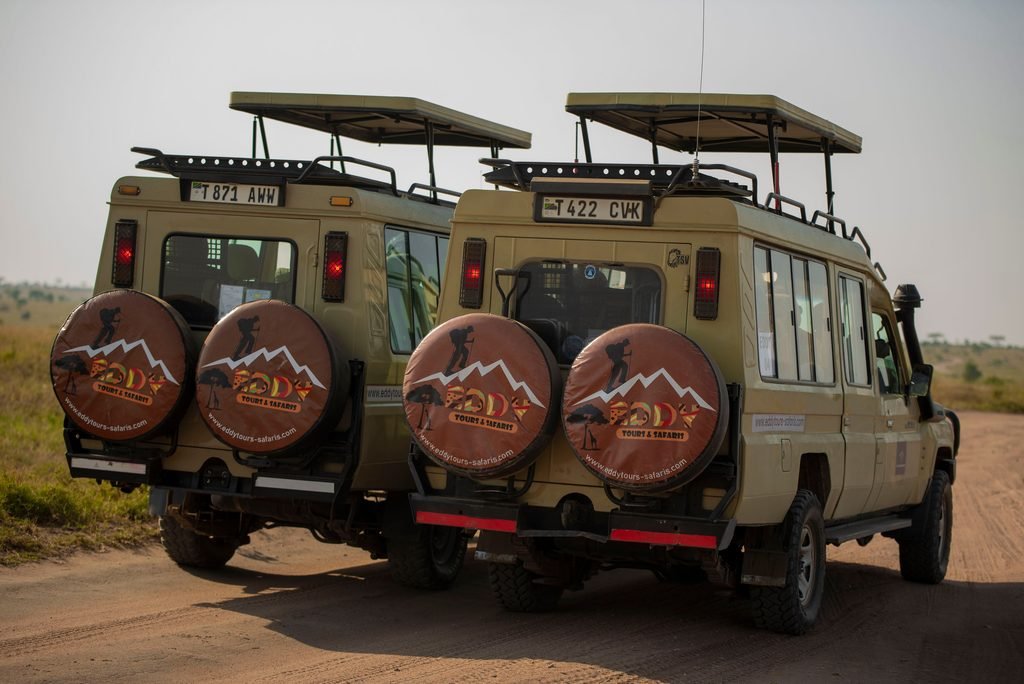
Travelers planning a budget safari should consider the total cost of the itinerary rather than comparing park entry fees alone. A short Ngorongoro-focused trip may require fewer accommodation nights and less driving than a multi-day Serengeti safari. However, the crater service fee can represent a significant part of the total cost.
Serengeti can still be included in a budget-friendly itinerary, particularly when travelers join a group safari and choose basic accommodation or camping arrangements. Group departures allow some transport and guiding expenses to be shared among participants, which can make longer itineraries more affordable than private arrangements.
If you have only two days available, Ngorongoro combined with another nearby destination may be more practical than driving all the way to Serengeti and back. If you have four or five days, combining Serengeti and Ngorongoro may provide better overall value because you experience two different wildlife environments during one journey.
10. How Many Days Do You Need for Serengeti and Ngorongoro?
The number of safari days you need depends on your travel schedule and the experiences you want to prioritize. Serengeti is a large national park, and reaching its different wildlife areas requires time. For most visitors traveling by road from Arusha, spending at least two nights in or near Serengeti is preferable to rushing through the park.
Ngorongoro Crater can generally be explored during one dedicated game-drive day, subject to the applicable park regulations and permitted crater access times. Many itineraries include an overnight stay in Karatu or near the crater rim before the descent, allowing visitors to begin the game drive early.
A four-day safari can combine both destinations, although the schedule may involve considerable driving. Five or six days provides a more comfortable pace, with additional opportunities for wildlife viewing in Serengeti and a dedicated crater visit.
Suggested Safari Duration
| Available time | Suggested safari |
|---|---|
| 1 day | Ngorongoro Crater day tour, with a very early departure where practical |
| 2 days | Ngorongoro combined with a nearby northern circuit destination |
| 3 days | Short Serengeti and Ngorongoro safari with substantial driving |
| 4 days | Serengeti and Ngorongoro combination |
| 5 days | More relaxed Serengeti and Ngorongoro safari |
| 6–7 days | Serengeti, Ngorongoro, and Tarangire or Lake Manyara |
11. Best Time to Visit Serengeti and Ngorongoro in 2027
Both destinations can be visited throughout the year, but the best travel period depends on the wildlife experience you want. Serengeti’s Great Migration changes location seasonally, so travelers hoping to see calving herds or river crossings should choose their dates and accommodation areas accordingly. Ngorongoro Crater supports resident wildlife throughout the year, making it a practical destination in different seasons.
June to October is generally associated with drier weather and good wildlife-viewing conditions in northern Tanzania. Vegetation may be less dense, and animals often gather around available water sources. This is also a popular travel period, so some areas can become busy and accommodation may need to be arranged well in advance.
January and February can be particularly attractive for travelers interested in the southern Serengeti and Ndutu calving season. The green landscapes and predator activity make this an interesting period for wildlife photography. Ngorongoro Crater also remains a worthwhile destination during these months, although rainfall and visibility can vary.
April and May generally experience heavier rainfall, which can affect road conditions and some safari activities. However, the landscapes are often green, and some travelers prefer visiting during quieter periods. Before confirming a 2027 safari, discuss your preferred wildlife experiences and travel dates with your tour operator.
12. Accommodation: Serengeti vs Ngorongoro
Serengeti offers a wide range of accommodation, from basic public camping facilities to mid-range tented camps and luxury safari lodges. Some properties are located in the central Seronera area, while others operate in the western, northern, or southern parts of the ecosystem. Choosing the right location is important because Serengeti is large, and staying far from your preferred wildlife area can result in long daily drives.
Ngorongoro accommodation is generally located around the crater rim, within permitted areas of the wider conservation landscape, or in nearby Karatu. Crater-rim lodges can provide impressive views, while Karatu offers a broader selection of accommodation categories and is commonly used as a base for Ngorongoro visits.
For budget-conscious travelers, staying in Karatu may be a practical choice, depending on the selected property and safari arrangements. Luxury travelers may prefer a crater-rim lodge or a high-end Serengeti tented camp. The best accommodation depends on the budget, itinerary, and desired level of comfort.
13. Travel Time from Arusha to Serengeti and Ngorongoro
Ngorongoro is generally easier to reach from Arusha by road than Serengeti. The journey to the Ngorongoro highlands typically takes several hours, depending on traffic, road conditions, stops, and the exact destination. Travelers staying in Karatu are already relatively close to the conservation area entrance, making it a common overnight base before a crater game drive.
Traveling from Arusha to central Serengeti generally requires a much longer journey, often passing through the Ngorongoro Conservation Area. Road conditions, park formalities, and wildlife stops can affect the total travel time, so the drive should not be treated as a simple highway transfer.
Travelers with limited time may consider flying to one of Serengeti’s airstrips, subject to flight schedules and availability. However, overland safaris remain popular because they allow visitors to experience the changing landscapes of northern Tanzania.
14. Suggested 5-Day Serengeti and Ngorongoro Safari Itinerary for 2027
Day 1: Arusha to Serengeti National Park
After breakfast in Arusha, begin your journey toward Serengeti National Park, traveling through the northern Tanzania highlands and the Ngorongoro Conservation Area. The journey offers views of rural landscapes, volcanic highlands, and open plains as you approach Serengeti. Depending on your departure time and road conditions, you may enjoy wildlife viewing along the way before reaching your accommodation for dinner and overnight.
Day 2: Full-Day Game Drive in Central Serengeti
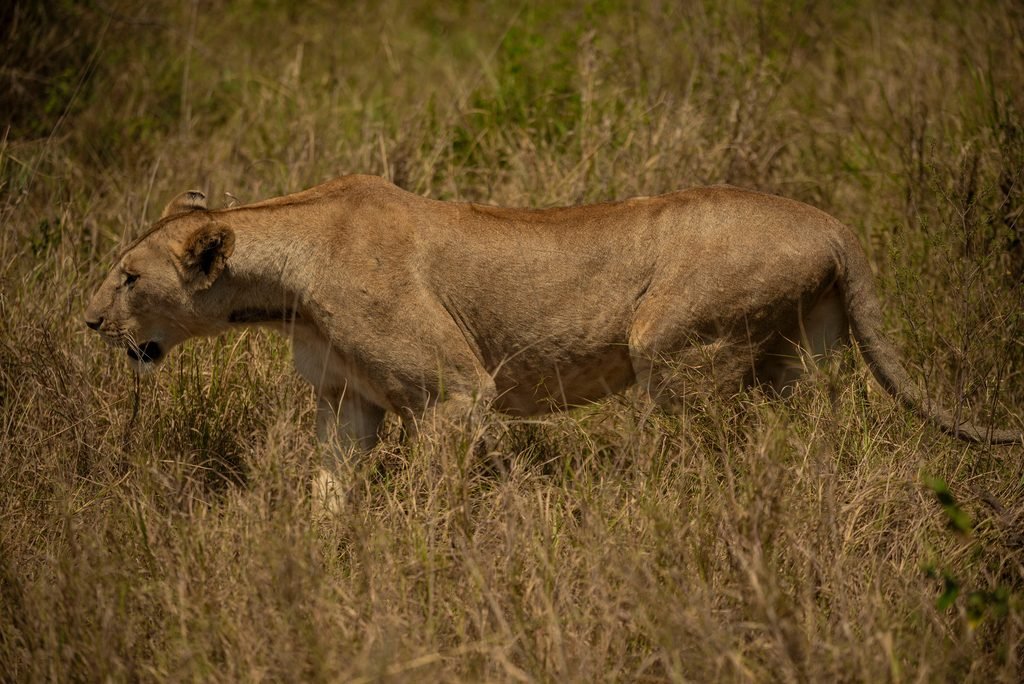
Spend the day exploring central Serengeti, particularly the Seronera area, which is known for its wildlife throughout much of the year. Your guide will search for lions, elephants, giraffes, buffaloes, zebras, and other animals while explaining the different habitats and wildlife behavior. The day’s route will depend on recent sightings, weather conditions, and the interests of your group, with breaks arranged for meals and rest.
Day 3: Another Day Exploring Serengeti
Enjoy another day of game viewing in Serengeti, allowing more time to explore areas that were not covered during the previous day. Depending on the season, your guide may focus on predator habitats, open plains, river valleys, or areas where migratory herds have recently been observed. Spending an additional day in the park increases the opportunity to experience different wildlife encounters without rushing between destinations.
Day 4: Serengeti to Ngorongoro Highlands
After breakfast, enjoy a final game drive as you leave Serengeti and travel toward the Ngorongoro highlands. The route passes through changing landscapes, from the open plains to cooler highland environments. Depending on your accommodation arrangements, you may spend the night in Karatu or near the crater rim, preparing for an early start the following morning.
Day 5: Ngorongoro Crater Game Drive and Return to Arusha
Begin the day early and descend into Ngorongoro Crater for a game drive across its grasslands, wetlands, and forested areas. Your guide will search for lions, elephants, buffaloes, zebras, hippos, and other wildlife, with the possibility of seeing black rhinos if conditions are favorable. After completing the permitted crater visit, ascend to the rim and return to Arusha, marking the end of your five-day safari.
This itinerary can be adjusted according to your travel dates, accommodation preferences, and whether you want to focus on the Great Migration.
15. Can You Combine Serengeti and Ngorongoro with Other Tanzania Destinations?
Yes. Serengeti and Ngorongoro are often combined with Tarangire National Park, Lake Manyara National Park, and cultural experiences around the northern safari circuit. Tarangire is known for elephants, baobab trees, and seasonal wildlife concentrations, while Lake Manyara offers a different landscape of groundwater forest, lake environments, and Rift Valley scenery.
Travelers who have more time can also combine a northern Tanzania safari with a Mount Kilimanjaro climb. After completing a mountain expedition, a wildlife safari can provide a change of pace, although sufficient recovery time should be allowed before continuing with additional activities.
Zanzibar is another popular extension, especially for travelers who want to relax after several days of game drives. Depending on flight arrangements, a safari can be followed by a beach holiday that includes Stone Town, coastal villages, and time along the Indian Ocean.
Frequently Asked Questions About Serengeti vs Ngorongoro
1. Is Serengeti better than Ngorongoro?
Serengeti is generally better for longer safaris, open landscapes, and the Great Migration. Ngorongoro is excellent for concentrated wildlife viewing during a shorter visit.
2. Which destination has more wildlife?
Both support abundant wildlife, but Serengeti covers a much larger area, while Ngorongoro Crater has a high concentration of animals within a relatively compact landscape.
3. Which is better for the Big Five?
Both offer opportunities to see Big Five species. Ngorongoro is often considered a practical option for travelers hoping to see several of them during one game drive.
4. Can I see the Great Migration in Ngorongoro?
The wider Ngorongoro Conservation Area includes seasonal migration habitats around Ndutu, but Ngorongoro Crater itself is not the main migration destination.
5. Which is better for lions?
Both destinations offer excellent opportunities to see lions, although sightings are never guaranteed.
6. Where can I see black rhinos?
Ngorongoro Crater is an important habitat for black rhinos, but sightings remain uncertain.
7. Are there giraffes in Ngorongoro Crater?
Giraffes are generally absent from the crater floor, although they occur elsewhere in the wider conservation area.
8. Which destination is cheaper?
The answer depends on itinerary length, group size, accommodation, and applicable fees. A shorter Ngorongoro trip may cost less overall, but crater-related charges can be significant.
9. Can I visit both destinations in three days?
Yes, but the itinerary can involve substantial driving and limited time for wildlife viewing.
10. How many days are best for both destinations?
Four to six days is a practical range for many travelers, with five days offering a good balance.
11. Is Ngorongoro suitable for a day trip?
Yes. A crater day trip is possible, particularly from Karatu, although travel from Arusha requires a very early start and a long day.
12. Is Serengeti suitable for a day trip from Arusha?
A road-based day trip is generally impractical because of the long travel distance.
13. Which destination is better for photography?
Serengeti offers more time and space for varied wildlife photography, while Ngorongoro provides dramatic crater scenery.
14. Which is better for a honeymoon?
Both can be suitable. Serengeti offers remote camps and longer wildlife experiences, while Ngorongoro offers scenic highland accommodation.
15. Which destination is better for families?
Both can work well, depending on children’s ages, the driving schedule, and accommodation arrangements.
16. Can I see cheetahs in Ngorongoro?
Cheetahs occur in the wider conservation landscape but are less commonly encountered during standard crater game drives than on suitable Serengeti plains.
17. What is the best month to visit Serengeti?
The best month depends on whether you want to see calving herds, migration movements, or general wildlife.
18. What is the best month to visit Ngorongoro?
Ngorongoro can be visited throughout the year, although weather and visitor numbers vary.
19. Are the roads suitable for safari vehicles?
Established safari routes are used by suitable vehicles, but conditions can become challenging during heavy rainfall.
20. Can I book a private safari?
Yes. Private safaris can be arranged according to your group size, accommodation preferences, and travel dates.
21. Can I book a group joining safari?
Group joining safaris may be available, depending on departure dates and itinerary arrangements.
22. Can I stay inside Serengeti National Park?
Yes. Accommodation options include designated campsites, tented camps, and lodges.
23. Can I stay inside Ngorongoro Crater?
Standard safari accommodation is generally located around the rim or outside the crater rather than on the crater floor.
24. Can I visit Serengeti and Ngorongoro in 2027?
Yes. You can request a quotation for your preferred 2027 dates, subject to availability and confirmation.
25. Which safari should I book if I can only choose one?
Choose Serengeti if you have several days and want a broader wildlife experience. Choose Ngorongoro if you have limited time and prefer a concentrated game drive.
Final Verdict: Serengeti or Ngorongoro for Your 2027 Tanzania Safari?
Serengeti and Ngorongoro are two of Tanzania’s finest wildlife destinations, but they provide different experiences. Serengeti is the stronger choice for travelers interested in the Great Wildebeest Migration, big cats, wide open landscapes, and several days of wildlife exploration. Ngorongoro Crater is particularly attractive for visitors who want to see a variety of animals within a relatively small area and experience the scenery of a large volcanic caldera.
For travelers who have enough time, combining both destinations is an excellent option. A five-day Serengeti and Ngorongoro safari allows you to explore the plains, search for predators, and experience the crater without having to choose between the two.
At Eddy Tours & Safaris, we help travelers organize Tanzania wildlife safaris for 2027, including private safaris, group joining arrangements, family holidays, and customized itineraries. Our team can discuss suitable accommodation, travel dates, safari duration, and the destinations that best match your interests before providing a detailed quotation.
Request Your Serengeti and Ngorongoro Safari Quotation
Chat with Eddy Tours & Safaris on WhatsApp
Email: sales@eddytours-safaris.com
Contact our team to plan your 2027 Tanzania safari with a practical itinerary, suitable accommodation, and enough time to enjoy the wildlife experiences that matter most to you.