
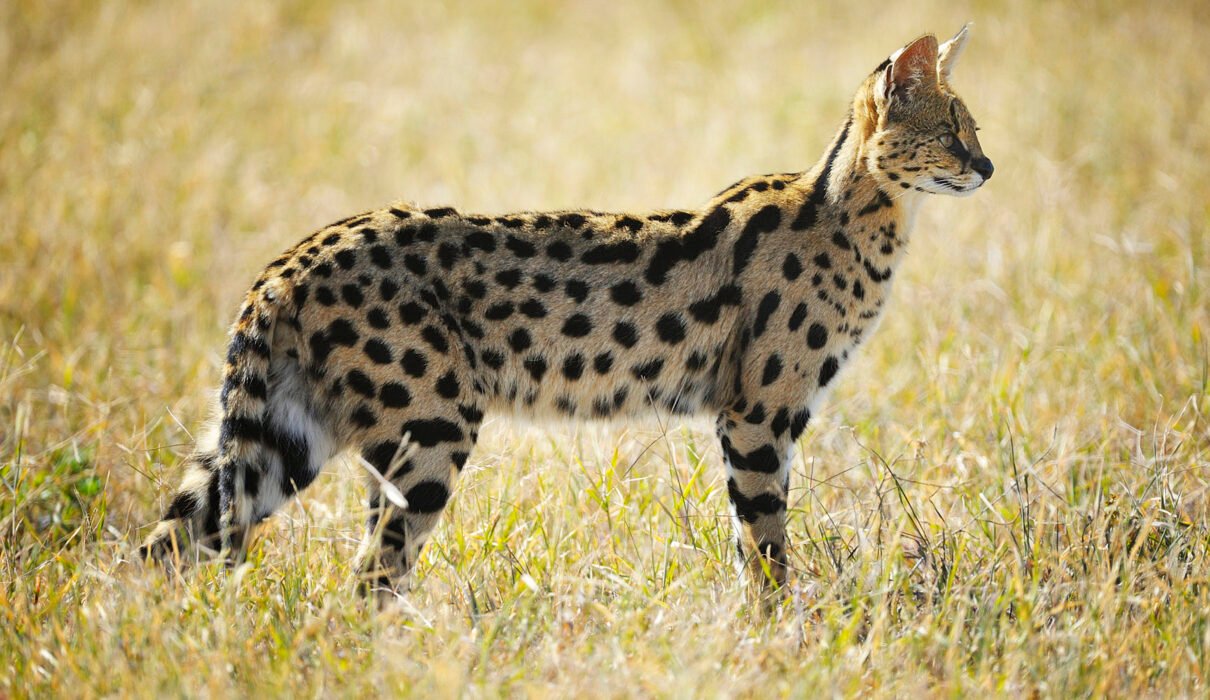
Serval Cat: Africa’s Elusive Predator is one of the most fascinating wild animals roaming the golden grasslands of Africa. With its long legs, oversized ears, and striking spotted coat, this remarkable feline stands out as a true symbol of wilderness. Unlike larger big cats that dominate headlines, this slender hunter moves quietly through tall savannah grass, rarely seen yet deeply admired by wildlife lovers and researchers alike. Understanding its behavior, habitat, and ecological importance adds a new layer of appreciation for African safaris and conservation efforts.
Understanding Serval Cat: Africa’s Elusive Predator
The Serval Cat: Africa’s Elusive Predator belongs to the medium-sized wild cat family and is scientifically known as Leptailurus serval. According to Britannica and research published by institutions like PNAS, this species thrives in sub-Saharan Africa, especially in wetlands and savannah regions. Its tall frame allows it to see over long grasses, while its highly sensitive hearing helps detect rodents underground. Conservation bodies such as IUCN Red List monitor its population status, ensuring that habitat destruction does not push it toward vulnerability.
Wildlife organizations including World Wildlife Fund and African Wildlife Foundation highlight the importance of protecting grassland ecosystems where servals flourish. Studies shared by National Geographic reveal that these cats can leap up to three meters into the air to catch birds mid-flight. Their unique adaptations make them one of Africa’s most specialized hunters.
Habitat and Distribution of Serval Cat: Africa’s Elusive Predator
The Serval Cat: Africa’s Elusive Predator prefers wetlands, reed beds, and open savannahs with abundant prey. Reports from UNEP and FAO emphasize how land conversion for agriculture threatens these delicate ecosystems. Servals depend heavily on tall grass for camouflage, making protected reserves crucial for survival. Academic discussions from University of Oxford and Harvard University further explore how climate patterns influence prey availability in these habitats.
Visitors exploring Tanzania with Eddy Tours & Safaris often encounter servals in protected parks where conservation efforts remain strong. Areas rich in biodiversity, supported by global initiatives from Conservation International and The Nature Conservancy, provide safe environments for this elegant predator to roam freely.
Hunting Skills of Serval Cat: Africa’s Elusive Predator
The Serval Cat: Africa’s Elusive Predator is famous for its extraordinary hunting success rate. Unlike lions that rely on teamwork, the serval hunts alone, using patience and precision. Research shared on ScienceDaily explains how its large ears rotate independently to pinpoint even the faintest rustle of prey. It then performs a swift vertical leap and lands directly on its target.
Environmental data from NOAA and ecological insights from EPA show that balanced ecosystems are essential for sustaining rodent populations, which form the core of the serval’s diet. In well-managed reserves visited through Eddy Tours & Safaris, travelers may witness this breathtaking hunting technique during early morning or late afternoon game drives.
Physical Characteristics and Unique Adaptations
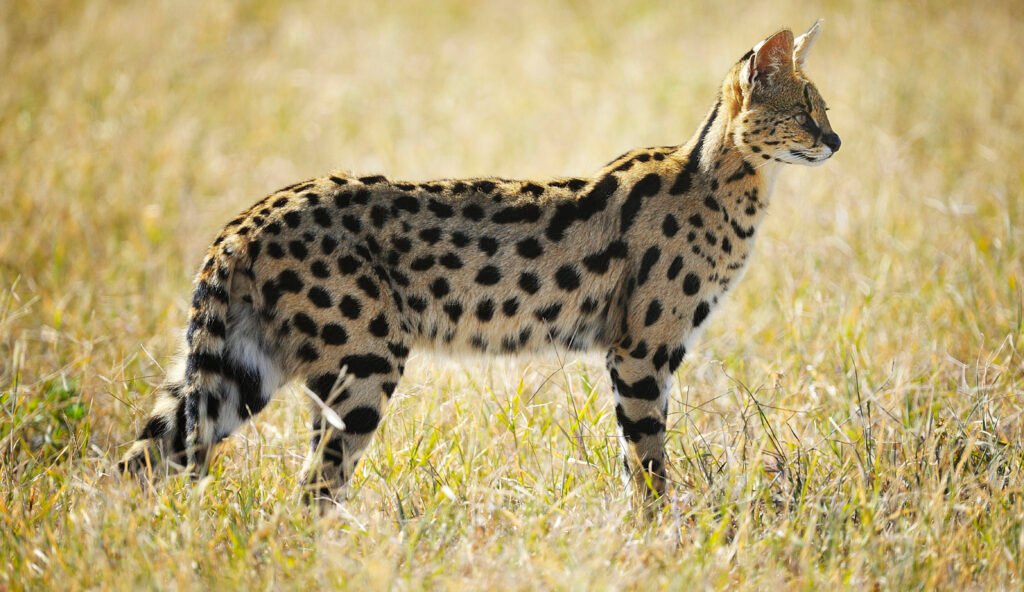
One look at Serval Cat: Africa’s Elusive Predator reveals its striking beauty. It has the longest legs relative to body size of any cat species, a feature that helps it navigate flooded grasslands. According to educational resources from National Geographic Society, its spotted coat pattern is unique to each individual, much like a fingerprint. Its tail is relatively short, aiding balance during high jumps.
Scholarly archives such as JSTOR document how these physical traits evolved over thousands of generations. The serval’s adaptability ensures survival even in changing environments, provided human encroachment remains controlled.
Conservation Challenges Facing Serval Cat: Africa’s Elusive Predator
The Serval Cat: Africa’s Elusive Predator faces growing pressure from habitat loss and illegal wildlife trade. International frameworks supported by Convention on Migratory Species and species protection advocacy from Panthera aim to strengthen safeguards for wild cats across Africa. Wetland destruction, highlighted in reports from BirdLife International, also impacts serval territories.
Travelers who choose responsible operators like Eddy Tours & Safaris contribute to sustainable tourism that supports local communities and wildlife conservation. Ethical safari practices reduce environmental strain while offering unforgettable wildlife encounters.
Why Serval Cat: Africa’s Elusive Predator Is a Safari Highlight
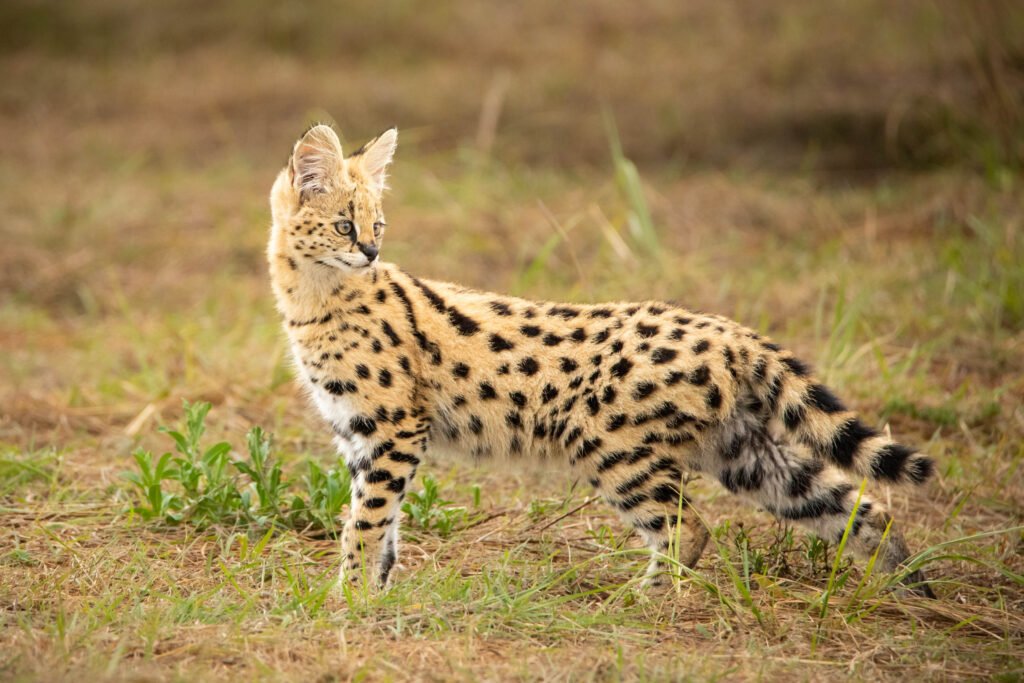
Spotting Serval Cat: Africa’s Elusive Predator during a safari is considered a rare privilege. Unlike more visible animals, servals move silently and blend perfectly into tall grass. Wildlife experts often compare the thrill of seeing one to discovering a hidden treasure. Combining safari adventures with mountain experiences through partners such as Kilimanjaro Climb Specialist allows visitors to experience Tanzania’s diverse natural wonders.
Before planning a trip, many travelers use tools like Google to research conservation-friendly tours. Choosing experienced guides increases the chances of witnessing this graceful feline without disturbing its natural behavior.
Cultural Significance and Ecological Importance
Throughout African folklore, Serval Cat: Africa’s Elusive Predator symbolizes agility and mystery. Beyond legend, its ecological role is vital. By controlling rodent populations, servals help maintain balance in fragile ecosystems. Organizations like Save the Rhino International emphasize how interconnected African wildlife species are, reminding us that protecting one habitat benefits many animals.
Educational outreach supported by global NGOs ensures communities understand the importance of coexisting with native wildlife. Visitors booking with Eddy Tours & Safaris often participate in conservation awareness programs that highlight the serval’s contribution to biodiversity.
Best Places to See Serval Cat: Africa’s Elusive Predator
Protected parks in Tanzania and across East Africa offer prime viewing opportunities for Serval Cat: Africa’s Elusive Predator. Wetland-rich areas with tall grasses provide the ideal setting for sightings. Professional guides understand the animal’s habits and lead respectful game drives that prioritize safety for both wildlife and guests. Planning a safari with Eddy Tours & Safaris ensures expert tracking knowledge and eco-conscious travel experiences.
Frequently Asked Questions
What makes Serval Cat: Africa’s Elusive Predator different from other wild cats?
Its unusually long legs, exceptional hearing, and high hunting success rate distinguish it from other African felines.
Is Serval Cat: Africa’s Elusive Predator endangered?
It is not currently classified as endangered globally, but habitat loss remains a serious concern in certain regions.
Where can I see a serval in the wild?
National parks and protected savannah areas in East Africa provide the best opportunities for sightings.
What does a serval eat?
Its diet mainly consists of rodents, birds, frogs, and small mammals found in grassland ecosystems.
Are servals dangerous to humans?
Servals are shy and avoid human contact, posing little threat when observed responsibly in the wild.
How can tourists help protect servals?
Choosing ethical safari companies and supporting conservation initiatives helps preserve their natural habitat.
Conclusion
Serval Cat: Africa’s Elusive Predator stands as a remarkable example of Africa’s rich wildlife heritage. Its grace, intelligence, and ecological importance remind us why conservation matters deeply. By supporting responsible tourism and trusted operators such as Eddy Tours & Safaris, travelers play a direct role in protecting this extraordinary feline. Witnessing a serval in its natural habitat is not just a safari moment; it is a powerful connection to the untamed beauty of Africa.