
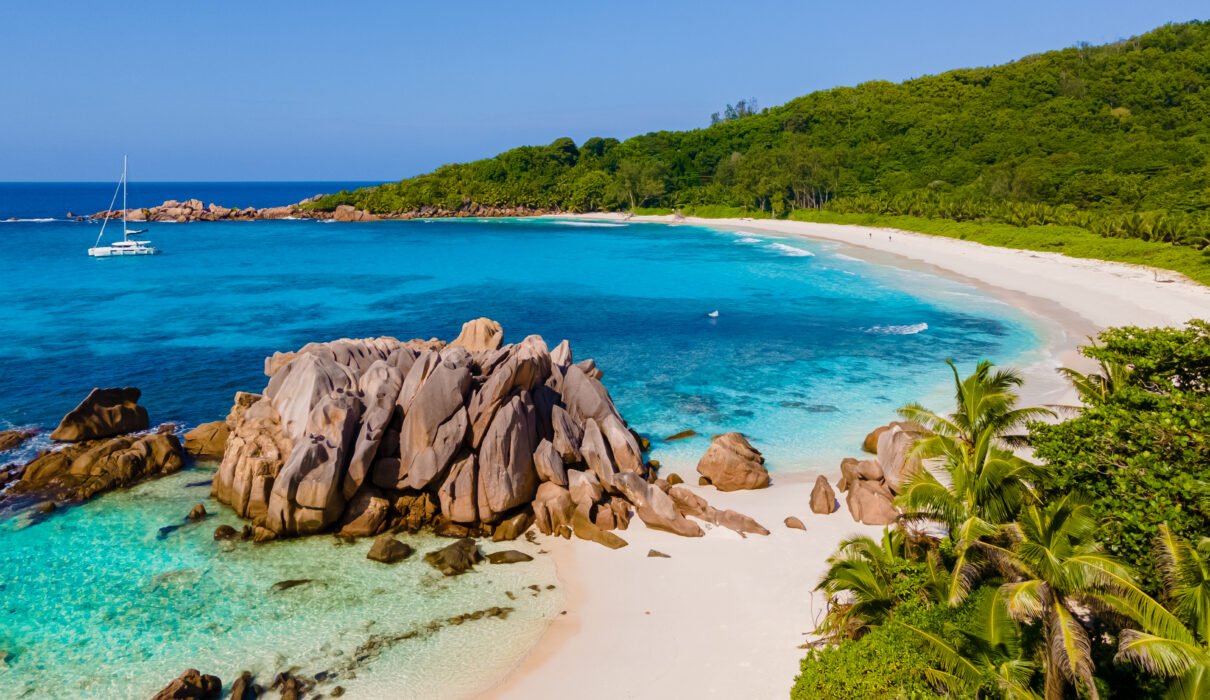
Seychelles and Other Small African Countries often appear tiny on the map, yet their influence on biodiversity, climate resilience, culture, and economic innovation is far greater than their size suggests. These nations, scattered across the Indian Ocean and mainland Africa, hold strategic importance in conservation, marine protection, and regional development. While travelers admire their beaches and landscapes, global institutions recognize their political stability, environmental leadership, and cultural depth as examples for the rest of the continent.
From coral reefs protected in partnership with the World Wildlife Fund to sustainability programs guided by the International Union for Conservation of Nature, these countries show how limited land size does not mean limited vision. Their policies often align with frameworks developed by the United Nations Environment Programme, ensuring that environmental stewardship remains central to national planning.
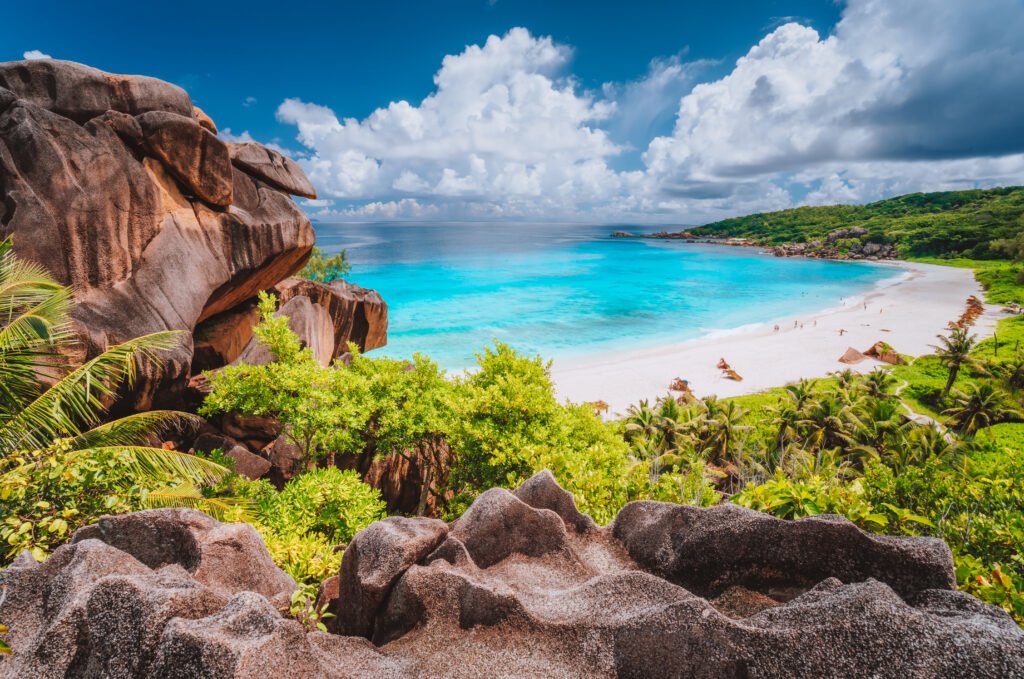
Seychelles and Other Small African Countries as Environmental Leaders
Seychelles and Other Small African Countries have become global case studies in marine conservation and climate adaptation. Seychelles, for example, pioneered innovative ocean financing models that were praised by the World Bank and supported through partnerships with the United Nations Development Programme. These initiatives protect vast marine areas while ensuring local fishing communities continue to thrive. Such leadership proves that small economies can influence global environmental dialogue.
Many of these nations work closely with the African Development Bank to fund climate resilience projects, coastal protection systems, and renewable energy expansion. Cultural heritage preservation also plays a role, often in collaboration with UNESCO, ensuring that natural and historical sites are protected for future generations. Their food systems and fisheries are studied alongside reports from the Food and Agriculture Organization, demonstrating responsible ocean resource management that balances profit and preservation.
Marine Biodiversity and Climate Action
The coral reefs and marine parks found in Seychelles and neighboring island states are monitored with research supported by organizations such as National Geographic Society and the Smithsonian Institution. Satellite tracking from the NASA Earth Observatory helps scientists observe rising sea levels and coral bleaching patterns. By integrating global science with local policies, Seychelles and its peers demonstrate how smaller nations can lead in protecting fragile ecosystems.
Economic Stability and Smart Governance
Seychelles and Other Small African Countries have also developed governance systems that emphasize transparency, tourism management, and diversified economies. Reports from the International Monetary Fund often highlight fiscal reforms and economic resilience in island states that manage limited resources carefully. Collaboration with the African Union strengthens regional integration and policy coordination, helping these countries punch above their weight diplomatically.
Governance indicators monitored by Transparency International and competitiveness rankings discussed by the World Economic Forum show steady institutional growth. Environmental partnerships with Conservation International and BirdLife International reinforce eco-friendly tourism policies. These partnerships help ensure that development does not compromise biodiversity, making sustainability a national brand rather than a slogan.
Investment, Research, and Global Collaboration
Financial support from the Global Environment Facility and policy advocacy from Greenpeace strengthen environmental laws. Data-driven insights from the World Resources Institute and economic analysis from the Brookings Institution guide smart investment strategies. Academic collaboration with institutions like Harvard University further deepens research into climate resilience and blue economy models.
Digital visibility also matters in modern diplomacy. Strategic partnerships and global outreach, sometimes coordinated through platforms like google.com, ensure that these nations maintain a global presence far beyond their geographic footprint.
Tourism That Protects Nature and Culture
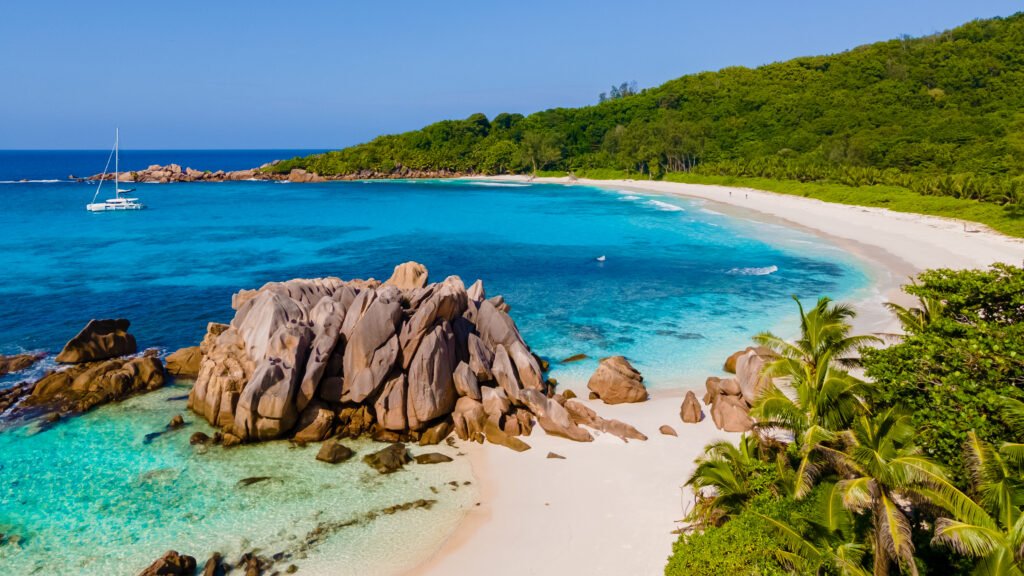
Seychelles and Other Small African Countries are admired for pristine beaches, marine parks, and carefully managed visitor experiences. Unlike mass tourism destinations, these countries often limit development density, ensuring exclusivity and environmental protection. This approach aligns with sustainable safari philosophies similar to those promoted by kilimanjaroclimbspecialist.com, where environmental respect remains central to every journey.
Travelers interested in responsible African experiences often combine island retreats with mainland safaris. For curated East African adventures, many explore ethical options through Eddy Tours & Safaris, which emphasizes conservation-focused travel. Those seeking broader itineraries across the region can review tailor-made safari experiences at this trusted safari planner, ensuring wildlife encounters contribute to local communities.
Island extensions are also frequently paired with mainland game drives arranged via African safari specialists, giving travelers a balanced mix of marine beauty and savannah adventure. For families and honeymooners looking for seamless planning, curated packages from experienced Tanzania tour experts provide structured yet flexible travel options. Sustainable beach escapes combined with wildlife safaris through responsible tour operators ensure tourism supports conservation rather than harms it.
Why Seychelles and Other Small African Countries Matter Globally
Seychelles and Other Small African Countries may have small populations, but their voting power in international climate negotiations and marine conservation agreements carries substantial weight. Their geographic positions in strategic maritime corridors also influence global shipping routes and security discussions. By championing ocean protection and sustainable fisheries, these nations provide living laboratories for environmental innovation.
Their commitment to education, healthcare standards aligned with guidance from the World Health Organization, and diversified economies ensures steady human development. In many ways, Seychelles and its peers redefine what success looks like for small states: stability, sustainability, and smart diplomacy rather than sheer scale.
Conclusion: A Small Size with a Giant Impact
Seychelles and Other Small African Countries demonstrate that geography does not determine influence. Through bold conservation leadership, responsible tourism models, and transparent governance, they continue to inspire both regional neighbors and global institutions. Their example reminds the world that resilience, creativity, and environmental respect are not limited by landmass. For travelers, investors, and policymakers alike, these nations offer lessons that are practical, inspiring, and deeply relevant to the future of sustainable development.