
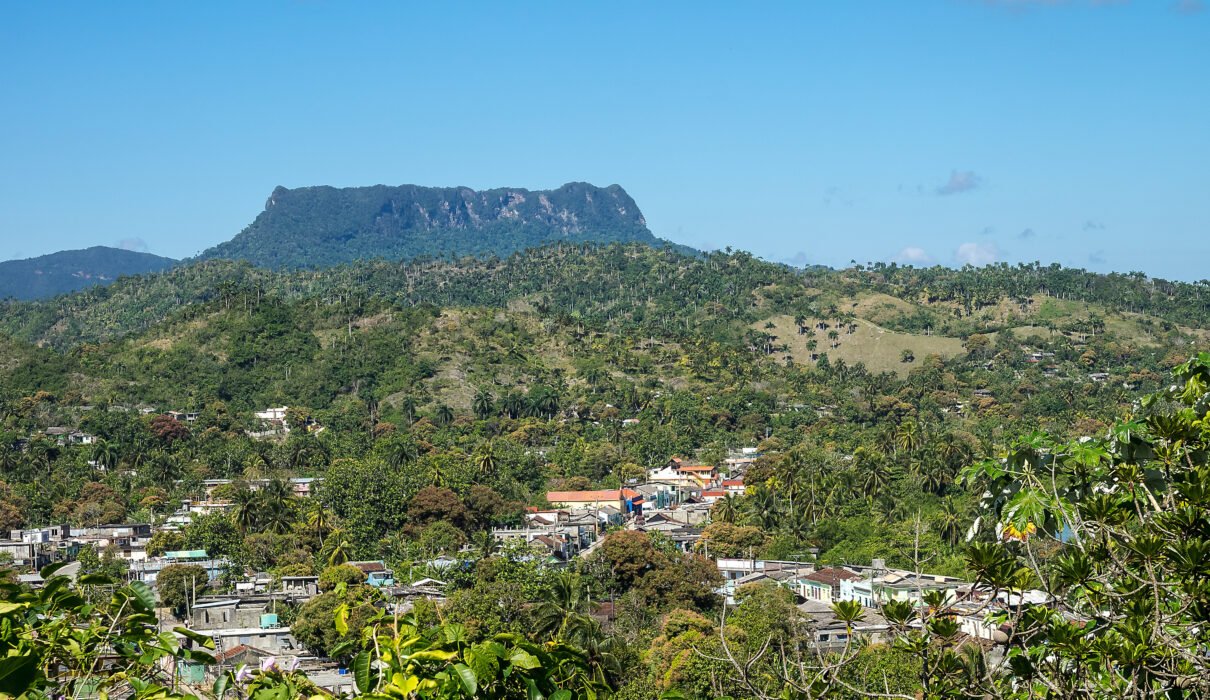
Tallest Mountains in Canada stand as powerful symbols of wild beauty, scientific wonder, and national pride. Rising sharply above glaciers, forests, and sweeping valleys, these peaks shape the identity of the Canadian landscape and attract climbers, researchers, and dreamers from around the world. From the mighty Yukon summits to the dramatic ridges of the Canadian Rockies, these mountains are more than just high points on a map. They are living ecosystems, climate regulators, and cultural landmarks that continue to shape adventure travel and environmental research. If you are passionate about exploration, conservation, and breathtaking scenery, this guide will help you understand why these towering giants deserve global recognition.
Discover the Geography Behind the Tallest Mountains in Canada
The dramatic elevation of the Tallest Mountains in Canada is the result of millions of years of tectonic activity, glaciation, and erosion. According to research from Natural Resources Canada and mapping data available at GeoGratis, most of these peaks are concentrated in the Saint Elias Mountains and the Canadian Rockies. Geological studies published through institutions such as USGS and Encyclopaedia Britannica explain that the collision of tectonic plates forced the Earth’s crust upward, forming vast mountain chains that continue to shift even today. These natural forces created massive glaciers that carved valleys and shaped rugged terrain, giving the country its iconic alpine scenery.
Environmental monitoring by NASA and climate analysis from NASA Climate show how high-altitude regions influence weather patterns across North America. The mountains trap moisture, generate snowfall, and feed powerful river systems that support communities and wildlife. Research collaborations with IPCC and NOAA highlight how these elevations also serve as sensitive indicators of climate change, making them vital for global scientific understanding.
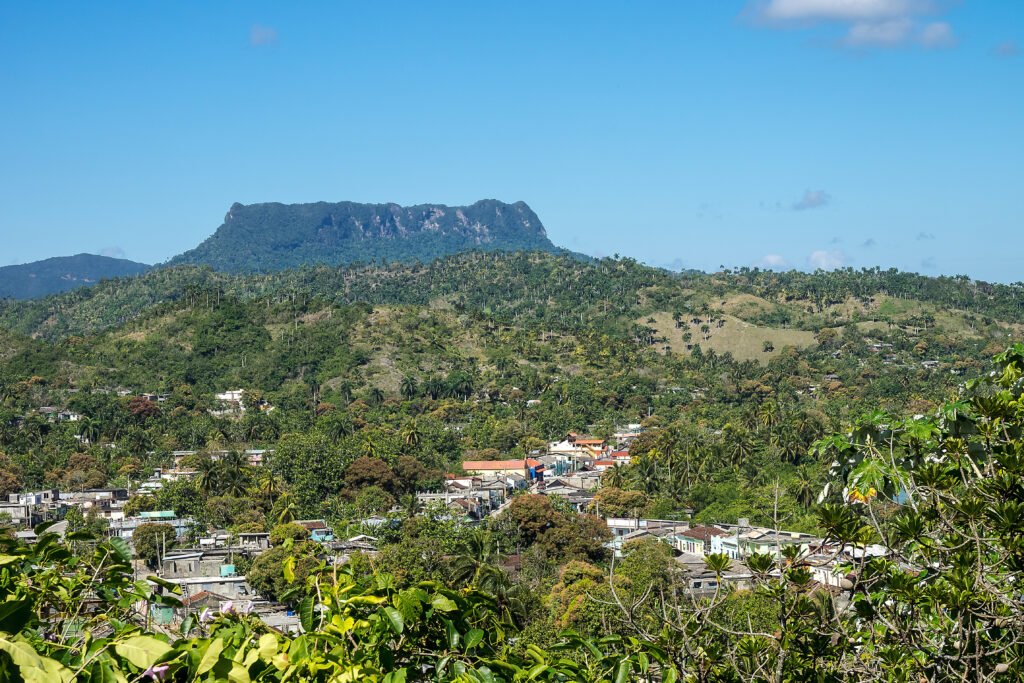
Top Peaks Among the Tallest Mountains in Canada
When discussing the Tallest Mountains in Canada, Mount Logan immediately commands attention. Located in Yukon, Mount Logan is the highest peak in the country and one of the most massive non-volcanic mountains on Earth. Protected within Parks Canada territory, it represents both natural beauty and environmental responsibility. Other impressive peaks include Mount Saint Elias, Mount Lucania, and Mount King Peak, each offering dramatic glaciers and challenging climbing routes documented by the Alpine Club of Canada.
Mount Logan and Other Icons of the Tallest Mountains in Canada
Among the icons of the Tallest Mountains in Canada, Mount Logan stands out not only for its height but for its enormous base circumference and complex glacier systems. Academic research from University of Alberta, University of British Columbia, and University of Calgary explores the unique ice formations and atmospheric patterns around these peaks. Scientists from McGill University have also contributed to glaciology studies that reveal how these high elevations store freshwater in vast icefields, supporting ecosystems far beyond the mountain valleys.
These peaks are not isolated wonders; they are part of a larger mountain system that extends into Alaska and forms one of the most dramatic landscapes in North America. International conservation organizations such as UNESCO recognize portions of these ranges for their outstanding universal value, reinforcing their global importance.
Wildlife Around the Tallest Mountains in Canada
The ecosystems surrounding the Tallest Mountains in Canada are rich and diverse, despite the harsh climate. Species such as mountain goats, grizzly bears, caribou, and golden eagles thrive in these rugged environments. Conservation data from WWF Canada, World Wildlife Fund, and IUCN emphasize the importance of preserving alpine habitats that are increasingly threatened by climate shifts and human development. Bird conservation efforts led by BirdLife International highlight how migratory species depend on protected mountain corridors.
Research networks such as the Mountain Research Initiative and ICIMOD collaborate globally to study mountain biodiversity and sustainability. Their findings confirm that high-altitude ecosystems are among the most sensitive on Earth, requiring balanced tourism and responsible exploration practices.
Climate Change and the Tallest Mountains in Canada
The Tallest Mountains in Canada are experiencing measurable glacier retreat and changing snowfall patterns. Reports from Government of Canada environmental agencies show that warming temperatures are altering alpine environments at a faster rate than many lowland regions. Satellite imagery analyzed by NASA confirms shrinking icefields and thinning snowpack, which directly affect freshwater supplies and downstream ecosystems.
Scientific findings available through Google Scholar databases allow researchers worldwide to collaborate on mitigation strategies and sustainable mountain management. The protection of these high-altitude regions is no longer optional; it is essential for environmental stability and future generations.
Planning a Journey to See the Tallest Mountains in Canada
Experiencing the Tallest Mountains in Canada firsthand is a life-changing adventure that requires thoughtful preparation. Mountaineering experts recommend physical conditioning, altitude awareness, and respect for unpredictable weather patterns. While Canada offers world-class alpine routes, travelers who also dream of global mountain adventures often explore destinations through trusted resources like Kilimanjaro Climb Specialist, comparing preparation strategies for high-altitude climbs.
For travelers seeking curated wildlife and mountain safari experiences beyond North America, you can explore guided adventures at Eddy Tours & Safaris, discover unique expedition planning tips via Eddy Tours & Safaris travel insights, review conservation-based itineraries at Eddy Tours & Safaris experiences, learn about eco-travel commitments at Eddy Tours & Safaris sustainability, and connect directly with professional planners through Eddy Tours & Safaris booking support. These internal resources help travelers appreciate mountain environments responsibly, wherever their journey leads.
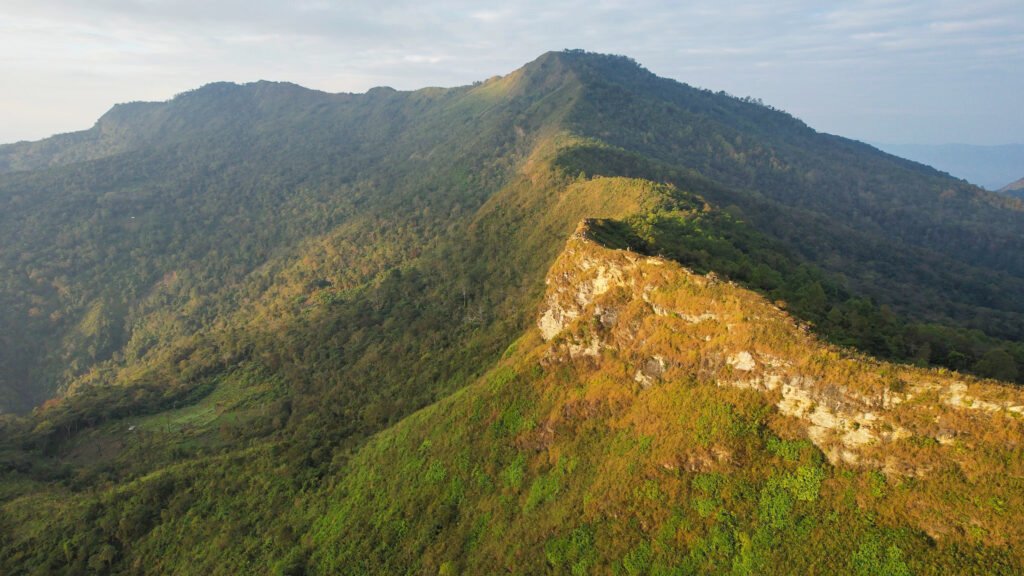
Why the Tallest Mountains in Canada Matter Globally
The global significance of the Tallest Mountains in Canada goes far beyond tourism. These peaks influence continental weather systems, store critical freshwater reserves, and provide valuable data for climate science. Academic partnerships and conservation alliances ensure that research continues to inform environmental policy and sustainable development strategies. Their towering presence reminds us that nature operates on a scale far greater than human timelines, yet our actions still shape their future.
From a cultural perspective, these mountains hold deep meaning for Indigenous communities who have respected and protected these landscapes for generations. Responsible exploration, scientific research, and conservation partnerships are essential to maintaining this balance between admiration and protection.
Conclusion: A Lasting Legacy of the Tallest Mountains in Canada
The Tallest Mountains in Canada represent strength, resilience, and natural wonder in their purest form. Their glaciers carve valleys, their peaks challenge climbers, and their ecosystems sustain wildlife in ways that benefit the entire planet. As scientific research expands and conservation awareness grows, these mountains continue to inspire respect and responsibility. Whether you admire them through research, photography, or adventure travel, their presence leaves a lasting impression that few landscapes can match. Protecting them is not simply about preserving scenery; it is about safeguarding water, wildlife, and climate stability for generations to come.