

Discover the wildlife and landscapes of northern Tanzania on our Tanzania Classic 4-Day Safari, a guided journey through Tarangire National Park, Serengeti National Park, and Ngorongoro Crater. This safari is designed for travelers visiting Tanzania in 2027, 2028, or 2029 who want to explore some of the country’s most popular wildlife destinations within a short holiday.
Your journey begins in Arusha, the main starting point for northern Tanzania safaris. From here, you travel to Tarangire, a national park known for its large elephant herds, ancient baobab trees, and the Tarangire River. The following days take you to the open plains of the Serengeti and the Ngorongoro Crater, where you can search for lions, elephants, buffaloes, zebras, wildebeest, and many other animals in their natural habitats.
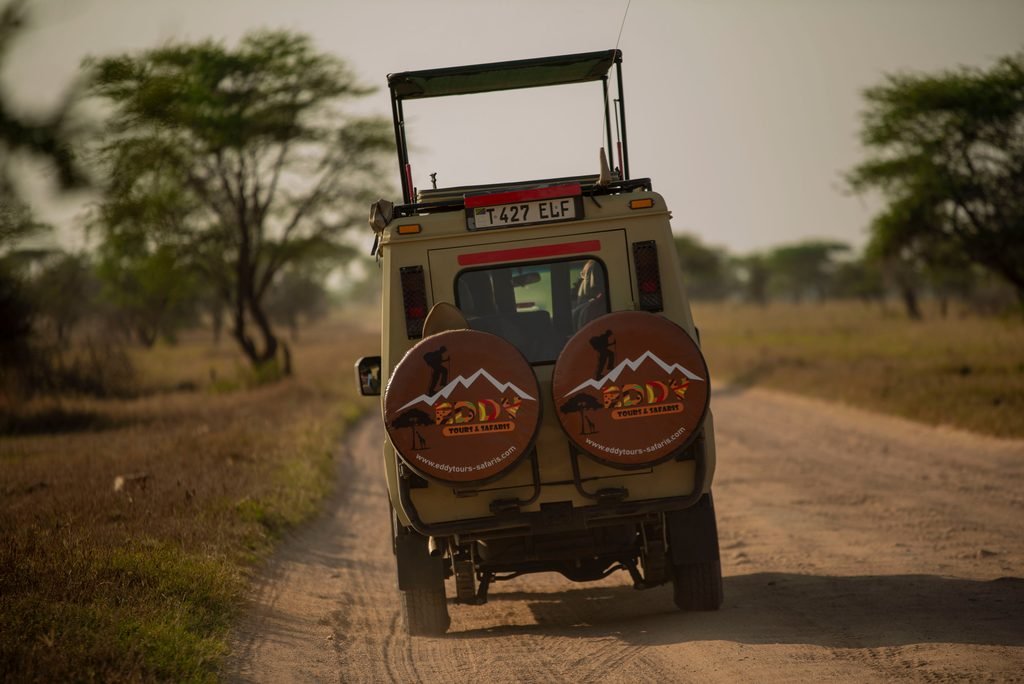
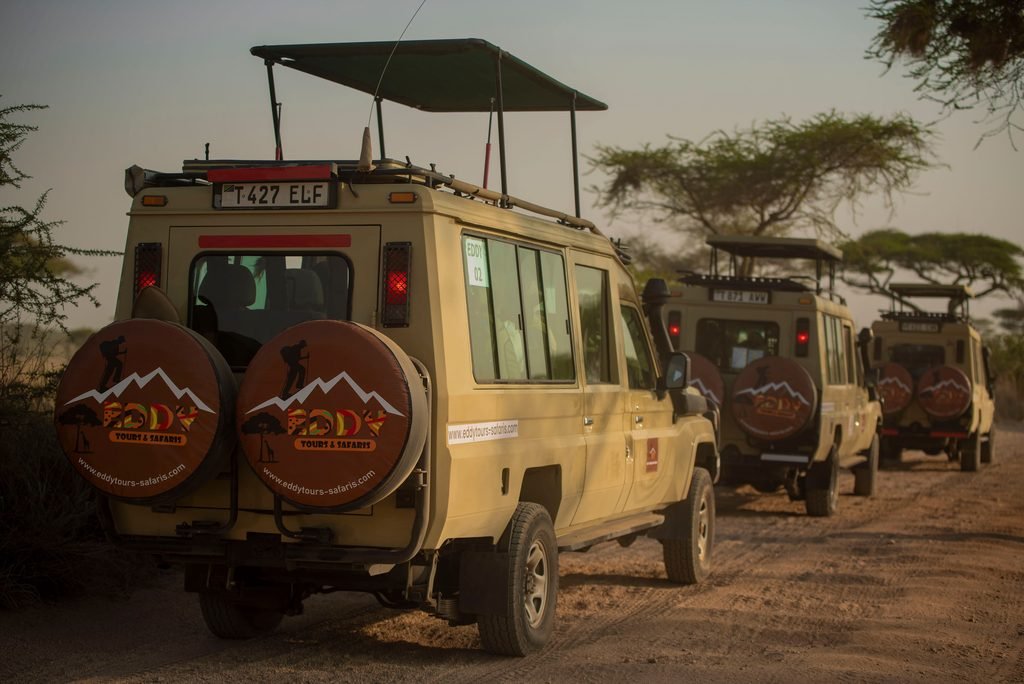
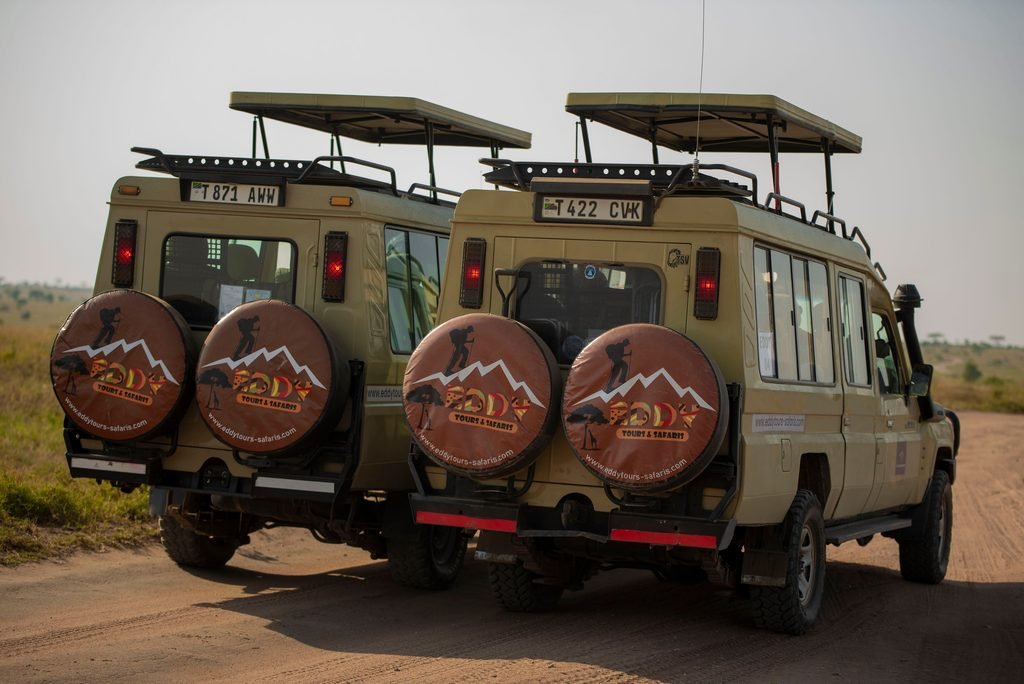
This four-day safari combines game drives, scenic road journeys, and comfortable overnight accommodation. You will travel in a safari vehicle with a professional driver-guide who knows the parks and can help you understand the wildlife, landscapes, and local environment. Accommodation can be arranged in budget camps, mid-range lodges, or luxury properties depending on your preferred travel style.
At Eddy Tours & Safaris, we organize private Tanzania wildlife safaris for couples, families, friends, and small groups. Whether you are planning your first African safari or returning to Tanzania, this itinerary provides a practical introduction to three major destinations in the northern safari circuit.
Tanzania Classic 4-Day Safari Overview
| Safari details | Information |
|---|---|
| Safari name | Tanzania Classic 4-Day Safari |
| Destination | Northern Tanzania |
| Travel years | 2027, 2028 and 2029 |
| Duration | 4 days / 3 nights |
| Starting point | Arusha |
| Ending point | Arusha |
| Destinations | Tarangire, Serengeti and Ngorongoro Crater |
| Safari type | Private guided wildlife safari |
| Transport | 4×4 safari vehicle |
| Accommodation | Budget, mid-range or luxury options |
| Main activities | Wildlife game drives and sightseeing |
| Suitable for | Couples, families, friends and small groups |
| Price | Available on request |
Why Choose This 4-Day Tanzania Safari?
A four-day safari is a practical choice for travelers who want to visit Tanzania’s well-known wildlife destinations but have limited holiday time. Rather than spending the entire trip in one national park, this itinerary introduces you to three different wildlife environments. Each destination offers its own landscapes, animal populations, and game-viewing opportunities.
Tarangire is known for elephants and baobab trees, while the Serengeti is famous for its large grassland plains, predators, and seasonal wildebeest migration. Ngorongoro Crater provides a different experience because wildlife viewing takes place inside a large volcanic caldera surrounded by high crater walls. Visiting these areas allows travelers to appreciate the variety of northern Tanzania within one safari.
However, this itinerary includes considerable driving, especially between Tarangire and the Serengeti. It is best suited to travelers who are comfortable with early departures and full travel days. If you would prefer longer game drives and more time to relax at your accommodation, ask our team about extending the trip to five or six days.
Complete Tanzania Classic 4-Day Safari Itinerary
Day 1: Arusha to Tarangire National Park
Destination: Tarangire National Park
Activity: Afternoon wildlife game drive
Accommodation: Lodge or tented camp in the Tarangire/Karatu area
Meals: Lunch and dinner
Your Tanzania safari begins in Arusha, where your professional driver-guide meets you at your hotel or another agreed pickup point. After a short introduction and a briefing about the journey, you leave the city and travel toward Tarangire National Park. The drive takes you through the countryside, passing local settlements, farmland, and open landscapes that offer your first views of northern Tanzania outside the city.
Upon arrival at Tarangire National Park, your guide completes the park entry procedures before beginning your first wildlife game drive. Tarangire is particularly well known for its elephants, and you may encounter individuals or family groups moving through the woodland and open grassland. The park is also home to giraffes, zebras, wildebeest, impalas, buffaloes, and several predator species. Wildlife sightings depend on the season, weather, and movements of the animals, but your guide will use local knowledge to explore areas where animals are frequently observed.
One of Tarangire’s most recognizable features is its landscape of large baobab trees. These distinctive trees stand above the surrounding vegetation and create excellent opportunities for photography. The Tarangire River is another important feature of the park because it provides water for wildlife, particularly during the dry season. Depending on the time of year, you may see animals feeding, resting, or moving between the river and surrounding plains.
During the game drive, you will stop for a packed lunch at an appropriate picnic area before continuing your exploration. In the late afternoon, you leave the park and travel to your accommodation. After checking in, you can relax, enjoy dinner, and prepare for the following day’s journey to the Serengeti.
Day 2: Tarangire Area to Serengeti National Park
Destination: Serengeti National Park
Activity: Scenic drive and afternoon game viewing
Accommodation: Lodge or tented camp in Central Serengeti
Meals: Breakfast, lunch and dinner
After an early breakfast, you leave your accommodation and begin the journey toward Serengeti National Park. The route generally passes through the Karatu area and the Ngorongoro Conservation Area, where the scenery changes from cultivated highlands to forested slopes and open grasslands. Depending on weather conditions and the day’s travel arrangements, there may be opportunities to stop at designated viewpoints along the way.
The journey to the Serengeti is relatively long, so an early departure is important. As you continue west, the landscape gradually opens into the wide plains associated with one of Africa’s most famous wildlife destinations. The Serengeti is home to a remarkable variety of animals, including lions, leopards, cheetahs, elephants, buffaloes, giraffes, zebras, and wildebeest. The exact wildlife you encounter will depend on the season and the areas visited.
After entering Serengeti National Park, you begin game viewing as you travel toward your accommodation in the central region. Your guide will look for animals along the established safari tracks, with particular attention to open grasslands, rocky outcrops, and areas where predators may be resting. The central Serengeti, especially the Seronera area, is known for year-round wildlife activity, making it a useful destination for travelers visiting during different months.
By late afternoon, you arrive at your lodge or tented camp and check in for the night. Depending on your arrival time, you may have an opportunity to relax before dinner and enjoy the atmosphere of the Serengeti. Your guide will discuss the next morning’s game drive and the departure schedule for Ngorongoro.
Day 3: Serengeti Morning Game Drive and Transfer to Ngorongoro
Destination: Serengeti and Ngorongoro Highlands
Activity: Morning game drive and scenic transfer
Accommodation: Lodge or tented camp near Ngorongoro Crater
Meals: Breakfast, lunch and dinner
Your third day begins early in the Serengeti, allowing time for a morning game drive before leaving the national park. Early morning is often a rewarding period for wildlife viewing because temperatures are cooler and some animals are more active. Your guide will explore suitable areas around the central Serengeti, looking for predators, grazing herbivores, and other wildlife that may be visible along the route.
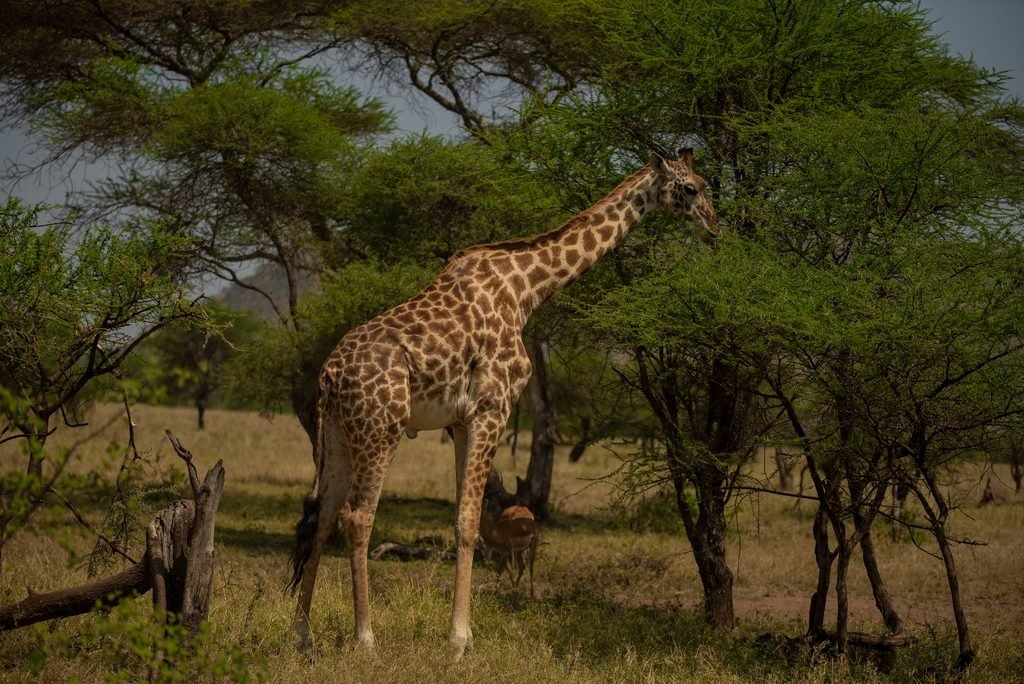
The Serengeti’s open plains and scattered rocky outcrops provide different habitats for wildlife. Lions may be resting near kopjes or moving through the grassland, while zebras, wildebeest, and antelopes graze in the surrounding areas. You may also encounter giraffes feeding on acacia trees or elephants moving between feeding areas. The Great Migration moves through different parts of the Serengeti ecosystem during the year, so its location cannot be guaranteed on a short itinerary.
After the morning game drive, you begin the journey toward the Ngorongoro Conservation Area. The drive takes you through the Serengeti landscape and gradually into the higher elevations surrounding Ngorongoro. Along the way, you may observe changes in vegetation, terrain, and temperature as you approach the crater highlands. Lunch will be arranged according to the day’s schedule.
In the late afternoon or early evening, you arrive at your accommodation near Ngorongoro Crater. After checking in, you can relax and enjoy dinner before the final day of your safari. Your guide will explain the crater descent arrangements and the importance of leaving early to make the most of the available game-viewing time.
Day 4: Ngorongoro Crater Game Drive and Return to Arusha
Destination: Ngorongoro Crater
Activity: Crater game drive and return transfer
Accommodation: End of safari
Meals: Breakfast and lunch
After an early breakfast, you travel toward the Ngorongoro Crater descent road and begin your final wildlife experience. The crater is one of Tanzania’s most recognizable natural attractions, formed within a large volcanic caldera and surrounded by steep highland walls. As you descend toward the crater floor, the landscape opens into grassland, woodland, lakes, and wetlands that support a wide range of wildlife.
During your game drive, your guide will explore the established tracks across the crater floor in search of animals. Ngorongoro is home to lions, buffaloes, elephants, zebras, wildebeest, hippos, hyenas, and several antelope species. The crater is also one of the places in northern Tanzania where visitors may have an opportunity to see the endangered black rhinoceros, although sightings are never guaranteed.
The crater’s varied habitats provide good opportunities for wildlife photography and birdwatching. Depending on the season and water conditions, you may see waterbirds around the wetlands and lake areas. Your guide will plan the game drive according to the permitted visiting period, wildlife activity, and road conditions, with a picnic lunch at an approved location.
After completing your crater visit, you ascend the crater road and begin the return journey to Arusha. The drive passes through the Ngorongoro Highlands and the towns of Karatu and Mto wa Mbu before reaching the city. Your guide will drop you at your hotel or another agreed location, marking the end of your Tanzania Classic 4-Day Safari with Eddy Tours & Safaris.
Wildlife You May See During the Safari
Northern Tanzania supports a wide variety of wildlife, and visiting three destinations increases the range of habitats you can explore. Tarangire offers opportunities to see elephants, giraffes, zebras, antelopes, and buffaloes, while the Serengeti is particularly well known for its predators and large grazing herbivores. Ngorongoro Crater supports a concentration of wildlife within a relatively compact area, making it a popular destination for game drives.
You may encounter lions, leopards, cheetahs, elephants, buffaloes, wildebeest, zebras, giraffes, hippos, hyenas, jackals, and numerous bird species. However, wild animals move freely, and sightings depend on weather, vegetation, seasonal movements, and other natural conditions. No safari operator can guarantee that every animal will be seen.
Best Time for a Tanzania Classic Safari in 2027, 2028 and 2029
The northern Tanzania safari circuit can be visited throughout the year, although the experience changes with the seasons. June to October is generally considered a favorable period for wildlife viewing because the weather is often drier and animals may gather around remaining water sources. Tarangire can be particularly rewarding during these months, when elephants and other animals concentrate around the Tarangire River.
January and February can also provide good safari conditions, with green landscapes in many areas and seasonal wildlife activity. The wildebeest calving season generally takes place in the southern Serengeti ecosystem, particularly around Ndutu, but a four-day itinerary focused on Central Serengeti may not reach the main migration herds. Travelers whose main interest is the Great Migration should discuss a season-specific itinerary before booking.
March to May generally brings heavier rainfall, although game drives remain possible in many areas. November and December can also experience seasonal showers, creating greener landscapes and good opportunities for birdwatching. The best travel period depends on your interests, preferred weather, and available holiday dates.
Accommodation Options for Your Four-Day Safari
Eddy Tours & Safaris can help arrange accommodation according to your budget and preferred level of comfort. Budget travelers may choose public campsites or simple safari camps, while mid-range packages commonly use permanent tented camps and lodges with private facilities. Luxury options may include higher-end lodges and tented camps with additional services and more spacious accommodation.
For this itinerary, accommodation is normally arranged near Tarangire or Karatu on the first night, in Central Serengeti on the second night, and near Ngorongoro Crater on the third night. Exact properties depend on availability, travel dates, and the selected package category.
What Is Included in the Tanzania Classic 4-Day Safari?
A typical private safari package may include a professional English-speaking driver-guide, transport in a 4×4 safari vehicle, national park and conservation area fees, three nights of accommodation, meals according to the itinerary, and drinking water during game drives. Airport transfers and accommodation in Arusha may also be arranged if requested.
The final inclusions will be confirmed in your written quotation. International flights, Tanzania visa fees, travel insurance, personal purchases, alcoholic beverages, and tips for your guide are commonly excluded unless otherwise specified. Optional activities and additional accommodation are normally quoted separately.
How Much Does a 4-Day Tanzania Safari Cost in 2027–2029?
The price of a four-day Tanzania safari depends on the number of travelers, accommodation category, season, park fees, and whether the trip is private or shared. A private safari for two people generally costs more per person than the same itinerary for a larger group because transport and guiding expenses are shared among fewer travelers.
Budget camping packages are usually the most affordable option, while mid-range lodges and luxury tented camps increase the overall cost. The travel season can also influence accommodation rates, particularly during popular holiday periods.
Because park tariffs, accommodation prices, and operating costs may change before 2027, 2028, or 2029, we recommend requesting an updated quotation rather than relying on an estimated future price.
For current package information, visit our contact page and provide your preferred travel dates, number of travelers, and accommodation category.
What to Pack for a Four-Day Tanzania Safari
Packing for a Tanzania safari is relatively straightforward, but a few essential items can make your trip more comfortable. Lightweight clothing in neutral colors is practical for game drives, while a warm jacket or fleece is useful for early mornings and evenings, particularly around the Ngorongoro Highlands. Comfortable shoes, sunglasses, sunscreen, a hat, and insect repellent are also recommended.
A camera with a suitable zoom lens is useful for wildlife photography, while binoculars can help you observe animals and birds from a distance. You should also bring any personal medication, travel documents, and charging equipment you may need. If you are traveling during the rainy season, a lightweight waterproof jacket can be helpful.
Is Four Days Enough for a Tanzania Safari?
Four days is enough to visit Tarangire, the central Serengeti, and Ngorongoro Crater, but the schedule is relatively busy. Travelers should expect early departures, several hours of driving, and limited time in each destination. The itinerary is particularly suitable for visitors who want to experience the main highlights of northern Tanzania within a short holiday.
If you prefer a slower pace or want to spend more time searching for wildlife in the Serengeti, a five- or six-day safari may be a better choice. Additional days also allow more flexibility when planning a trip around the seasonal wildebeest migration.
Frequently Asked Questions About the Tanzania Classic 4-Day Safari
1. What destinations are included in this four-day safari?
The itinerary includes Tarangire National Park, Serengeti National Park, and Ngorongoro Crater.
2. Where does the safari start?
The safari begins in Arusha, Tanzania.
3. Where does the safari end?
The safari ends in Arusha after the Ngorongoro Crater game drive.
4. Is this safari suitable for first-time visitors?
Yes. It provides an introduction to three well-known wildlife destinations in northern Tanzania.
5. Is four days enough to visit the Serengeti?
Four days is enough to include a visit to Central Serengeti, but it allows less time for game viewing than a longer itinerary.
6. Can I see the Big Five?
You may have opportunities to see lions, leopards, elephants, buffaloes, and rhinoceroses, but sightings of all five cannot be guaranteed.
7. Can I see the Great Migration?
It depends on the season and location of the herds. A standard Central Serengeti itinerary does not guarantee migration sightings.
8. Is Tarangire worth visiting?
Yes. Tarangire is known for its elephants, baobab trees, and seasonal wildlife concentrations.
9. What makes Ngorongoro Crater special?
The crater contains a variety of habitats and supports numerous wildlife species within a volcanic caldera.
10. Is this a private safari?
It can be arranged as a private safari, subject to your booking requirements.
11. Can families book this package?
Yes. The itinerary can be customized for families, including suitable accommodation and travel arrangements.
12. What type of vehicle is used?
A 4×4 safari vehicle suitable for wildlife game drives is normally used.
13. Are meals included?
Meals are included according to the confirmed itinerary and accommodation arrangements.
14. Are park fees included?
They can be included in the package quotation. Always check the written inclusions.
15. Can I choose budget accommodation?
Yes. Budget, mid-range, and luxury options can be discussed.
16. What is the best month for this safari?
June to October is generally favorable for wildlife viewing, but the parks can be visited throughout the year.
17. Can I travel during the rainy season?
Yes. Safari activities are possible during the rainy season, although road and weather conditions may affect the schedule.
18. Do I need a Tanzania visa?
Visa requirements depend on your nationality. Check the current rules before traveling.
19. Can I start the safari from Kilimanjaro International Airport?
Airport pickup can be arranged, although the itinerary may need adjustment depending on your arrival time.
20. Can I combine this safari with Zanzibar?
Yes. A Zanzibar beach holiday can be added after your safari.
21. Can I combine the safari with Kilimanjaro climbing?
Yes. We can help arrange a Kilimanjaro climbing expedition before or after your wildlife safari.
22. How far in advance should I book?
Booking several months ahead is useful, especially when traveling during popular safari periods.
23. Can I book this safari for 2027?
Yes. You can request a quotation for your preferred 2027 dates.
24. Can I book the safari for 2028 or 2029?
You can enquire about arrangements for 2028 or 2029, with prices and accommodation subject to confirmation.
25. How do I book with Eddy Tours & Safaris?
Contact our team with your preferred dates, number of travelers, and accommodation category. We will help you review the itinerary and request a suitable quotation.
Book Your Tanzania Classic 4-Day Safari for 2027, 2028 or 2029
The Tanzania Classic 4-Day Safari offers an opportunity to explore three of northern Tanzania’s major wildlife destinations within a short holiday. From the elephant habitats of Tarangire to the open plains of the Serengeti and the wildlife-rich Ngorongoro Crater, each day introduces a different part of Tanzania’s natural environment.
This itinerary is best suited to travelers who are comfortable with a relatively busy schedule and want to visit several parks in four days. If you prefer more time for game drives or a slower travel pace, our team can also help you plan a longer Tanzania safari.
Eddy Tours & Safaris is a local tour company based in Arusha, Tanzania. We organize private wildlife safaris, Kilimanjaro climbing trips, and customized holidays for travelers visiting Tanzania.
Contact us to plan your safari:
Website: Eddy Tours & Safaris
Safari enquiries: Contact Our Team
WhatsApp: +255 711 906 664
Email: sales@eddytours-safaris.com
Send us your preferred travel dates, number of travelers, and accommodation requirements to request a quotation for your Tanzania Classic 4-Day Safari in 2027, 2028, or 2029.