
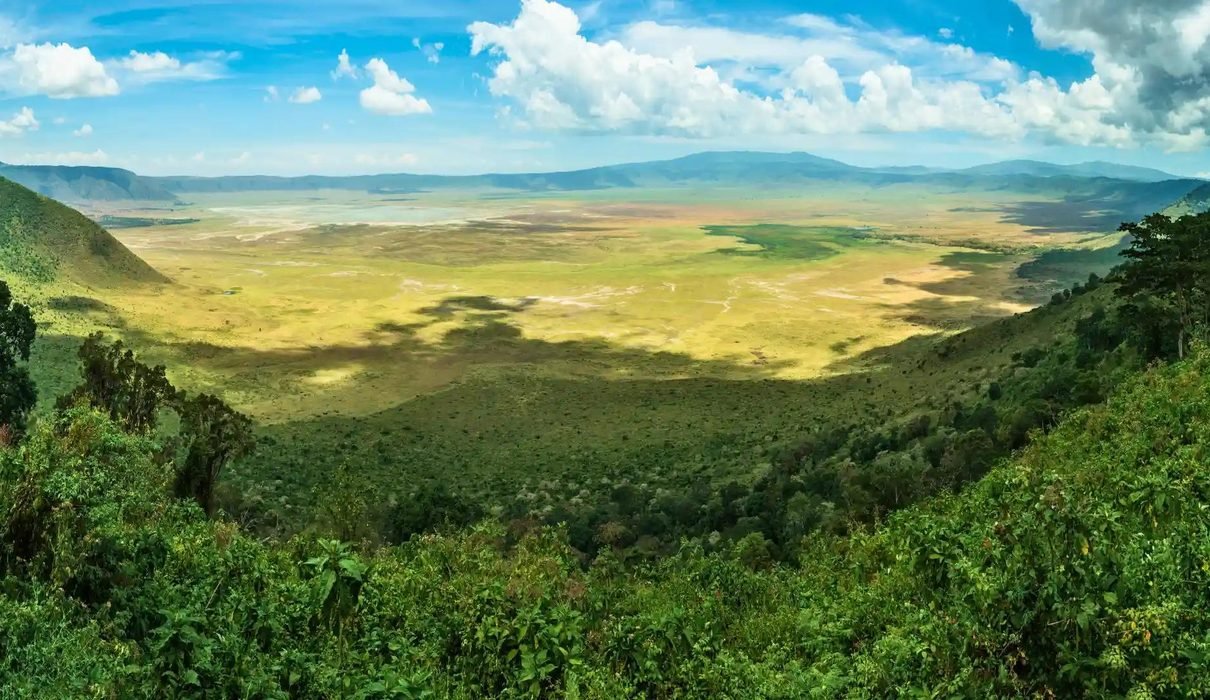
Tanzania in February is an excellent choice for travelers who want to see wildlife, green landscapes, and one of the most exciting stages of the Great Wildebeest Migration. While many visitors plan their Tanzania safari between June and October, February offers something different. This is the time when large herds of wildebeest usually gather on the short-grass plains of the southern Serengeti and Ndutu area to give birth, attracting lions, cheetahs, hyenas, and other predators.
For travelers planning a safari in February 2027 or February 2028, this month offers a wonderful opportunity to experience Tanzania’s wildlife during the green season. The grasslands are often fresh and green following seasonal rainfall, many animals have young, and the scenery is particularly attractive for photography. Temperatures are generally warm during the day, although early mornings around Ngorongoro can be surprisingly cold.
One of the biggest reasons to visit Tanzania in February is the wildebeest calving season. Thousands of calves may be born across the southern plains during the peak period, creating opportunities to observe animal behavior that is very different from the famous river crossings in the northern Serengeti. However, the timing and location of the herds depend on rainfall and grazing conditions, so no particular birth, hunt, or wildlife sighting can be guaranteed.
At Eddy Tours & Safaris, we help travelers plan private and group safaris across Tanzania’s northern wildlife circuit. Whether you are interested in the Great Migration, Ngorongoro Crater, Tarangire National Park, or a longer Tanzania safari holiday, this guide explains what to expect in February, where to go, what to pack, and how to plan your trip for 2027 and 2028.
Tanzania in February at a Glance
| Travel information | What to expect |
|---|---|
| Safari season | Green season, often with a relatively drier interval |
| Weather | Warm to hot days, occasional showers |
| Main wildlife highlight | Wildebeest calving season |
| Best migration area | Ndutu and southern Serengeti |
| Other safari destinations | Ngorongoro Crater, Tarangire, Lake Manyara |
| Wildlife photography | Green scenery, newborn animals, predators and birdlife |
| Tourist numbers | Variable; popular calving camps can be busy |
| Suitable safari duration | Approximately 5–8 days for several northern destinations |
| Zanzibar extension | Possible, with hot and humid coastal conditions |
| Travel years | February 2027 and February 2028 |
Is February a Good Month to Visit Tanzania?
Yes, February is one of the best months to consider for a wildlife safari in northern Tanzania, particularly if your main interest is the Great Wildebeest Migration’s calving season. During this period, the migration herds are usually concentrated in the southern Serengeti ecosystem, where seasonal rainfall encourages the growth of fresh grass. These grazing conditions make the area attractive to pregnant wildebeest and other herbivores.
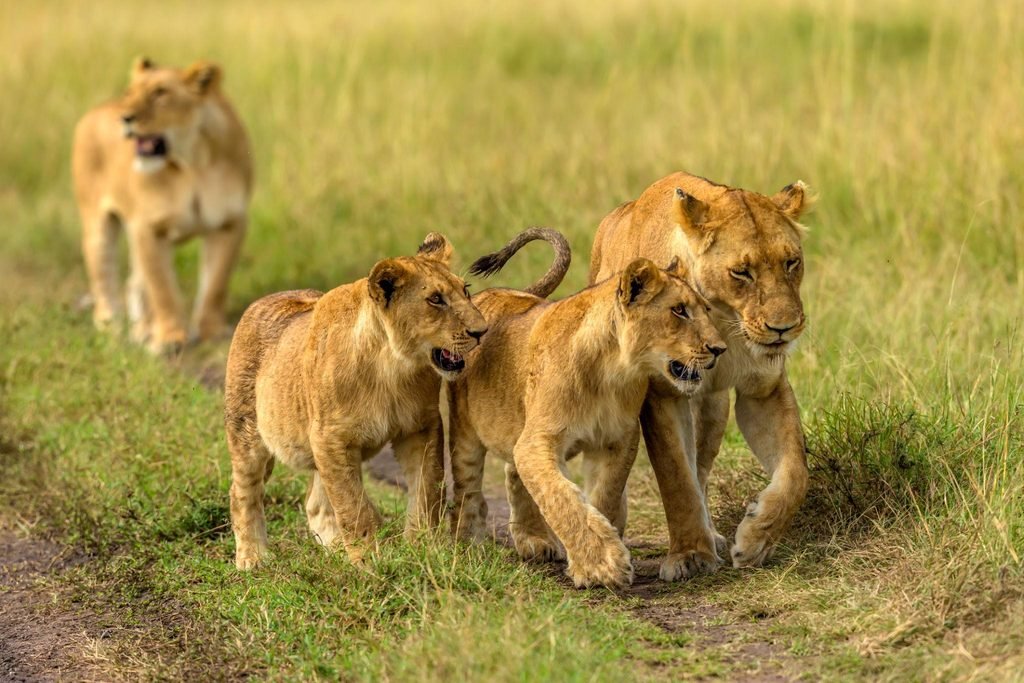
The presence of newborn animals also attracts predators, creating opportunities to observe lions, cheetahs, hyenas, and jackals. Game drives can be especially interesting because the animals are not simply moving across the plains. Visitors may observe feeding, nursing, social interactions, and the challenges faced by young animals during their first days of life.
February is also appealing because the scenery differs from the dry-season landscapes many travelers associate with Tanzania. The grass is often greener, seasonal flowers may appear, and cloud formations can create attractive conditions for wildlife photography. Although occasional rain can affect road conditions, the month generally remains suitable for well-planned safari activities.
If you are considering different travel periods, you can also read our Tanzania safari travel guides to compare the green season with the more familiar dry-season experience.
Tanzania Weather in February: What Should You Expect?
February is generally warm across much of northern Tanzania, although temperatures vary considerably depending on elevation and location. The Serengeti plains and Tarangire often experience warm or hot afternoons, while Ngorongoro’s highlands can be much cooler, especially during early morning game drives. The coast and Zanzibar are typically hotter and more humid than the northern safari circuit.
Rainfall in February is usually less persistent than during the main long-rains season, which commonly begins around March or April. However, short showers and occasional thunderstorms are still possible. These rains help maintain the green landscapes that make February particularly attractive for wildlife photography and grazing animals.
Travelers should not assume that every February day will be sunny. Weather patterns vary between years, and some areas may experience heavier rain than expected. Packing a lightweight rain jacket and allowing flexibility in your travel arrangements is sensible, particularly when visiting remote safari areas with unpaved roads.
Typical February Weather by Destination
| Destination | General daytime conditions | What to pack |
|---|---|---|
| Serengeti National Park | Warm, with occasional rain | Light clothing, sun protection and a rain jacket |
| Ndutu and southern Serengeti | Warm days, cooler mornings | Breathable clothing and a warm layer |
| Ngorongoro Crater | Cooler mornings and evenings | Fleece or jacket |
| Tarangire National Park | Warm to hot | Light clothing, hat and sunscreen |
| Lake Manyara | Warm and sometimes humid | Breathable clothing and rain protection |
| Zanzibar | Hot and humid | Lightweight clothing, sun protection and swimwear |
These are general seasonal descriptions rather than forecasts for February 2027 or 2028. Check the weather closer to departure.
The Great Wildebeest Migration in February
The Great Wildebeest Migration is one of Tanzania’s most famous wildlife attractions, involving large herds of wildebeest moving through the Serengeti ecosystem in search of grazing and water. The migration is a continuous natural cycle rather than a single event, and the animals change their location throughout the year according to rainfall and the availability of fresh grass.
In February, the herds are commonly found across the southern Serengeti plains and the Ndutu area of the Ngorongoro Conservation Area. These areas provide short, nutrient-rich grass that supports the wildebeest during the calving season. Large numbers of zebra and gazelle may also be present, adding to the concentration of wildlife across the open plains.
The calving period often reaches its peak during February, when many wildebeest give birth within a relatively short time. The sight of young calves standing beside their mothers, herds moving across green grassland, and predators searching for food makes this a distinctive safari experience.
However, migration movements cannot be predicted with complete accuracy. Rainfall patterns can shift the herds’ location or affect the timing of calving, so a good safari itinerary should remain flexible and place travelers in the most suitable area based on conditions close to their departure.
Why the Ndutu Calving Season Is So Special
The Ndutu area is one of the most important places to visit during a February Tanzania safari. Located within the Ngorongoro Conservation Area near the southern boundary of Serengeti National Park, Ndutu forms part of the wider Serengeti ecosystem. Its open grasslands and seasonal grazing conditions make it an important area for wildebeest calving.
One of the most interesting aspects of the calving season is the speed at which newborn wildebeest must adapt to life on the plains. Young calves can begin standing and moving shortly after birth, an important survival advantage in an environment where predators are constantly searching for vulnerable animals. Watching the interaction between mothers and calves can be as interesting as observing the larger migration herds.
The presence of newborn animals attracts predators, particularly lions, cheetahs, hyenas, and jackals. Cheetahs are often associated with open grassland habitats where they can use their speed to hunt, while lions may be observed resting, moving between territories, or searching for prey. Predator sightings can be excellent during this period, but visitors should understand that hunting activity is unpredictable and cannot be guaranteed.
For travelers whose main goal is the calving season, spending at least two or three nights around Ndutu or the southern Serengeti is generally preferable to making a brief visit from a distant camp. This provides more opportunities for morning and afternoon game drives and reduces unnecessary driving between accommodation and wildlife-viewing areas.
Best Places to Visit in Tanzania in February
1. Southern Serengeti and Ndutu – Best for Wildebeest Calving
The southern Serengeti and Ndutu area should be a priority for travelers interested in the Great Migration during February. The open plains are important seasonal grazing grounds for wildebeest, zebra, and gazelle, and the concentration of newborn animals can create excellent opportunities for wildlife observation.
Game drives in this region may include sightings of large wildebeest herds, young calves, lions, cheetahs, spotted hyenas, and numerous bird species. The green landscape also provides a different photographic setting from the golden grasslands often seen during the dry season. Travelers should choose accommodation according to the expected herd location rather than assuming that any lodge in the Serengeti will be close to the calving activity.
2. Ngorongoro Crater – Excellent Wildlife Viewing Throughout the Year
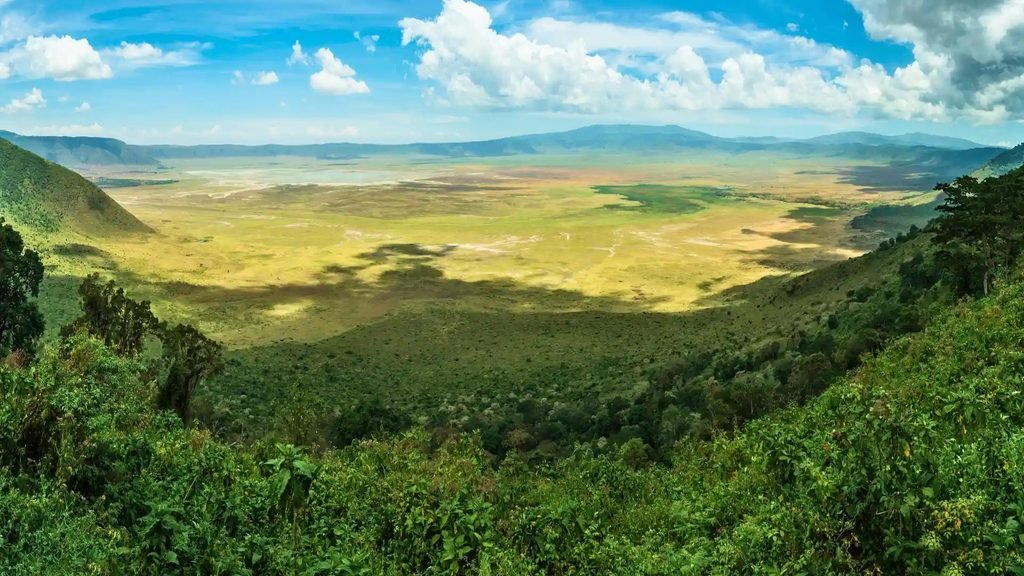
Ngorongoro Crater is one of Tanzania’s most popular safari destinations and can be visited throughout the year. The crater contains a mixture of grassland, woodland, wetlands, and seasonal water sources that support a wide variety of wildlife. Visitors may see buffalo, zebra, wildebeest, elephants, lions, hippos, and numerous bird species, with occasional opportunities to observe the endangered black rhinoceros.
February can be particularly attractive because the surrounding highlands are often green and the scenery is beautiful. Morning temperatures can be cool, especially before descending into the crater, so carrying a warm layer is recommended. Wildlife sightings depend on animal movements and the day’s conditions, but Ngorongoro remains a valuable addition to a northern Tanzania safari.
Combining Ngorongoro with Ndutu makes practical sense because the two destinations are connected geographically. A well-planned itinerary can include a crater game drive before continuing toward the southern Serengeti calving grounds.
3. Tarangire National Park – Elephants, Baobabs and Green Landscapes
Tarangire National Park is famous for its elephants, large baobab trees, and varied wildlife habitats. During the dry season, the Tarangire River attracts concentrations of animals searching for water, but February offers a different experience. Seasonal rainfall often spreads wildlife across a wider area, while the vegetation becomes greener and more attractive for landscape photography.
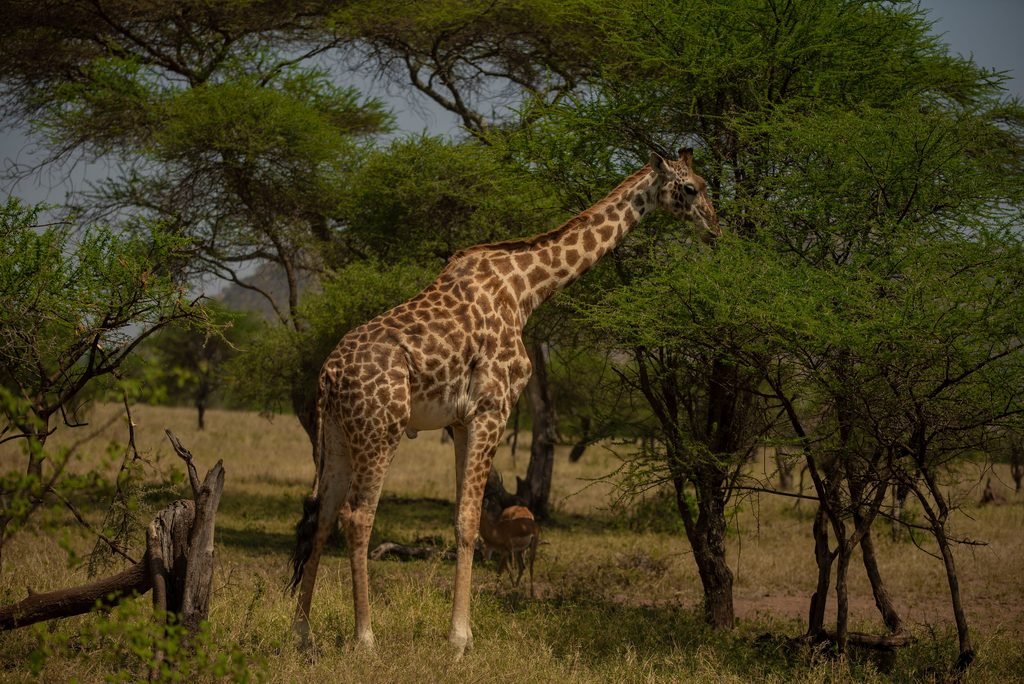
Visitors may encounter elephants, giraffes, zebras, wildebeest, impalas, and various antelope species. Lions and other predators are also present, although sightings depend on local conditions. Birdwatching can be particularly rewarding during the green season because seasonal visitors and breeding activity add variety to the park’s birdlife.
Tarangire is often included at the beginning of a northern Tanzania safari because it is accessible from Arusha. Travelers with limited time may choose to focus on Ngorongoro and Ndutu instead, but those planning six or more days can consider including Tarangire for a broader wildlife experience.
4. Lake Manyara National Park – Forest Wildlife and Birdwatching
Lake Manyara National Park is another interesting destination for travelers visiting Tanzania in February. The park contains groundwater forest, open habitats, and lakeshore environments, supporting a variety of wildlife and bird species. Depending on conditions, visitors may see elephants, buffalo, giraffes, monkeys, and waterbirds.
February’s green vegetation can make the forest particularly attractive, although dense growth may also make some animals more difficult to spot. Birdwatchers may appreciate the seasonal variety, especially around suitable wetland and lakeshore habitats. The park’s scenery also provides a pleasant contrast to the open plains of the Serengeti.
Lake Manyara is a practical addition for travelers who want to visit several destinations in northern Tanzania, although it should not replace Ndutu when the main purpose of the safari is wildebeest calving.
5. Central Serengeti – Resident Wildlife and Big Cats
The central Serengeti, particularly the Seronera area, is known for its resident wildlife and opportunities to observe predators throughout the year. Although the main migration herds are usually farther south during February, the central region remains home to lions, leopards, cheetahs, elephants, giraffes, and other animals.
Travelers who have enough time may combine central Serengeti with Ndutu to experience different habitats and wildlife concentrations. However, those planning a short February safari specifically for calving should prioritize accommodation closer to the southern plains rather than spending most of their time driving between regions.
February Safari Destinations: Which Should You Prioritize?
| Destination | Main February attraction | Suggested priority |
|---|---|---|
| Ndutu / Southern Serengeti | Wildebeest calving and predators | Highest for migration-focused trips |
| Ngorongoro Crater | Diverse wildlife and crater scenery | High |
| Tarangire | Elephants, baobabs and birdlife | Good addition |
| Lake Manyara | Forest scenery and birds | Optional addition |
| Central Serengeti | Resident predators and varied wildlife | Good for longer itineraries |
Suggested 6-Day Tanzania Safari Itinerary for February
A six-day safari provides enough time to combine several northern Tanzania destinations while giving particular attention to the southern Serengeti calving season. The following itinerary is an example that can be adjusted according to accommodation availability, travel dates, and the actual location of the migration herds.
Day 1: Arusha to Tarangire National Park
Your safari begins in Arusha, where you meet your professional driver-guide before traveling to Tarangire National Park. The drive takes you through local towns and rural landscapes before reaching the park, which is known for its elephants, baobab trees, and varied wildlife habitats. After completing the necessary entry procedures, you begin your game drive through the park’s woodland and open grassland areas.
During February, Tarangire is often green following seasonal rainfall, and wildlife may be spread across a wider area than during the dry season. Your guide will search for elephants, giraffes, zebras, antelopes, and other animals while explaining the park’s ecology and seasonal changes. After the game drive, you continue to your accommodation in the Tarangire or Karatu area for dinner and an overnight stay.
Day 2: Tarangire or Karatu to Ndutu
After breakfast, you continue toward the Ngorongoro Conservation Area and the Ndutu region. The journey passes through the highlands before descending toward the open plains of the southern Serengeti ecosystem. As you approach Ndutu, the landscape becomes increasingly open, with wide grasslands that provide important seasonal grazing areas for wildebeest and other herbivores.
Depending on the migration’s location, your guide may begin searching for wildebeest herds and other wildlife during the afternoon. February is usually an important period for calving, so you may encounter large groups of wildebeest accompanied by young calves. After the game drive, you travel to your lodge or tented camp in the Ndutu area, where you spend the night close to the seasonal wildlife activity.
Day 3: Full-Day Game Drive in Ndutu and Southern Serengeti
Today is dedicated to exploring the Ndutu plains and nearby wildlife habitats. An early morning departure provides an opportunity to observe animals during the cooler part of the day, when predators and grazing herds may be active. Your guide will use local knowledge and current wildlife movements to select suitable game-drive areas while following the applicable conservation regulations.
Throughout the day, you may see wildebeest calves, zebras, gazelles, lions, cheetahs, hyenas, and numerous birds. The open grasslands provide excellent opportunities for observing animal behavior, but sightings depend on the movements of wildlife and cannot be guaranteed. Depending on your accommodation and game-drive arrangements, you may enjoy a packed lunch in an authorized area or return to camp before continuing your safari later in the afternoon.
Day 4: Another Day Exploring the Calving Grounds
A second full day in Ndutu allows more time to explore the calving grounds without rushing between destinations. Because the wildebeest herds move according to grazing and rainfall, your guide may choose a different part of the plains from the previous day. This flexibility is valuable during the migration season, especially when the herds are spread across a large area.
The day offers further opportunities to observe newborn animals, predator behavior, and the green landscapes that make February special. Photographers may appreciate the changing light during early morning and late afternoon, while wildlife enthusiasts can spend more time observing animal interactions. You return to your accommodation in the evening for dinner and rest.
Day 5: Ndutu to Ngorongoro Conservation Area
After breakfast, you leave the Ndutu area and travel toward the Ngorongoro highlands. Depending on the route, time, and wildlife conditions, there may be opportunities for additional game viewing before continuing toward the crater area. The journey introduces a noticeable change in landscape as the open southern plains give way to the greener highlands surrounding Ngorongoro.
Upon arrival near the crater rim, you may enjoy views across the large volcanic caldera when the weather is clear. Your guide will explain the arrangements for the following day’s crater visit, including the planned departure time and conservation regulations. You spend the night at accommodation in the Ngorongoro or Karatu area, depending on your confirmed package.
Day 6: Ngorongoro Crater Game Drive and Return to Arusha
Your final safari day begins with an early breakfast before traveling to Ngorongoro Crater for a game drive. After completing the required entry procedures, you descend into the crater, where grasslands, wetlands, woodland, and seasonal water sources support a wide variety of wildlife. Your guide will search for animals such as buffalo, zebra, wildebeest, lions, elephants, hippos, and other species while exploring the crater’s designated game-drive routes.
Ngorongoro offers a different safari environment from the southern Serengeti, making it a suitable conclusion to the journey. After the game drive and lunch arrangements, you ascend from the crater and travel back toward Arusha. Depending on your onward travel plans, you may be transferred to your hotel or the airport, marking the end of your six-day February Tanzania safari.
How Much Does a Tanzania Safari Cost in February?
The cost of a Tanzania safari in February depends on several factors, including the number of travelers, safari duration, accommodation category, park fees, vehicle arrangements, and the areas included in the itinerary. A private safari for two people will generally have a higher per-person cost than a larger group sharing transport, while luxury lodges and seasonal migration camps may cost considerably more than budget accommodation.
February should not automatically be considered a low-cost safari month. Although some destinations may offer green-season rates, accommodation close to the Ndutu calving grounds can be in high demand because travelers specifically visit to experience the wildebeest migration. Booking early is useful when you have particular camps or travel dates in mind.
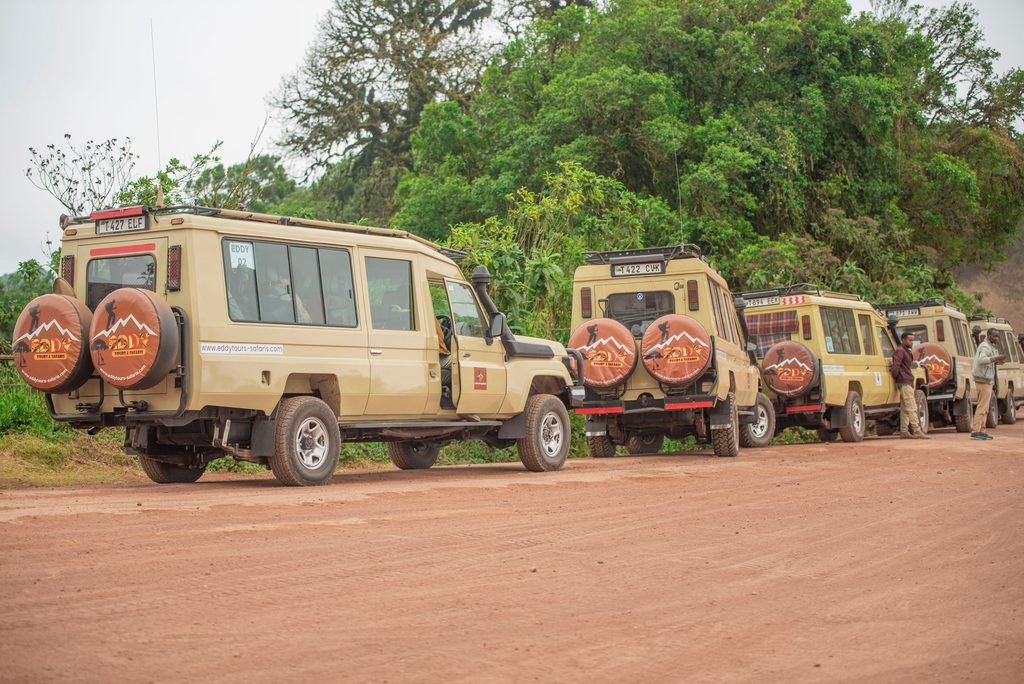
For 2027 and 2028, exact prices should be requested through a written quotation because park fees, accommodation rates, fuel costs, and government charges may change. At Eddy Tours & Safaris, we can help you compare budget, mid-range, and luxury arrangements according to your travel dates and group size.
Budget, Mid-Range or Luxury Safari: Which Is Best?
A budget safari is suitable for travelers who want to focus on wildlife viewing while keeping accommodation and other expenses manageable. Depending on the itinerary, budget arrangements may include simple lodges, guesthouses, or camping facilities. The main advantage is that travelers can spend more of their budget on the safari itself rather than luxury accommodation.
Mid-range safaris provide a balance between comfort and cost, often using established lodges and tented camps with private facilities and convenient access to wildlife areas. For many couples, families, and first-time visitors, this is a practical option because it combines comfortable accommodation with a well-organized game-drive schedule.
Luxury safaris emphasize higher-end accommodation, personalized service, and carefully selected camps. During February, luxury mobile camps positioned near the southern Serengeti migration can be particularly attractive, although availability and prices vary. Regardless of accommodation category, choosing the right location near the expected calving grounds is more important than selecting a lodge based only on its appearance.
What to Pack for a Tanzania Safari in February
Packing for a February safari should reflect the combination of warm daytime conditions, occasional rain, and cooler mornings in elevated areas such as Ngorongoro. Lightweight, breathable clothing is useful during the day, while a fleece or light jacket provides warmth during early morning game drives. Neutral-colored clothing is often practical for safari travel, although specialized safari clothing is not necessary for most visitors.
A wide-brimmed hat, sunglasses, sunscreen, comfortable shoes, and a reusable water bottle are useful items to carry. A lightweight rain jacket can also be helpful because short showers may occur, especially during the afternoon. Travelers interested in wildlife photography should bring suitable camera equipment, spare batteries, and enough storage space for photographs and videos.
Binoculars are particularly valuable during the calving season because they allow you to observe animals from a distance without disturbing them. Personal medication, insect repellent, travel documents, and appropriate travel insurance should also be included in your preparations.
Is February a Good Time for Wildlife Photography?
February can be an excellent month for wildlife photography in Tanzania because the landscape is often green and many animals are active around the southern Serengeti calving grounds. The open plains provide opportunities to photograph wildebeest herds, young calves, predators, and birds against a fresh grassland background.
Morning and late afternoon light can be particularly attractive, while changing clouds may create dramatic scenery. However, photography conditions vary according to weather, dust, vegetation, and the animals’ movements. A longer stay around Ndutu generally provides more opportunities to photograph different wildlife behaviors than a short visit.
Photographers should always follow their guide’s instructions and the applicable park regulations. Wildlife should not be approached or disturbed simply to obtain a better photograph, particularly during sensitive periods such as calving.
Can You Combine a February Safari with Zanzibar?
Yes. February can be a suitable month to combine a Tanzania wildlife safari with a beach holiday in Zanzibar. After spending several days exploring the Serengeti, Ndutu, and Ngorongoro, travelers can continue to the coast for relaxation, cultural visits, and beach activities.
Zanzibar is generally hot and humid during February, with warm sea temperatures and occasional rainfall. Popular activities include visiting Stone Town, exploring spice farms, enjoying the beaches, and participating in snorkeling or diving excursions when sea conditions permit. The exact activities available depend on your accommodation location and local weather.
A combined safari and Zanzibar holiday can be arranged according to your available time. Travelers planning a longer vacation may choose six days on safari followed by three to five nights in Zanzibar, while shorter combinations can be customized around flight schedules and accommodation availability.
Frequently Asked Questions About Tanzania in February
1. Is February a good time for a Tanzania safari?
Yes. February is particularly attractive for travelers interested in the wildebeest calving season in the southern Serengeti and Ndutu area.
2. Where is the Great Migration in February?
The herds are commonly found around Ndutu and the southern Serengeti plains, although their exact location depends on rainfall and grazing.
3. Is February the wildebeest calving season?
Yes. February is often the peak period for wildebeest calving in the southern Serengeti ecosystem.
4. Can I see wildebeest giving birth?
It is possible, but no specific birth or wildlife encounter can be guaranteed.
5. Are lions and cheetahs active in February?
Predators may be particularly active around the calving grounds because of the concentration of wildebeest and other prey.
6. Is February rainy in Tanzania?
Short showers are possible, but February often falls within a relatively drier period before the main long rains.
7. Is Tanzania hot in February?
Many lower-elevation safari areas are warm or hot during the day, while Ngorongoro’s highlands are cooler.
8. Is Ngorongoro Crater good in February?
Yes. Ngorongoro offers wildlife viewing throughout the year and is a valuable addition to a February safari.
9. Is Tarangire worth visiting in February?
Yes. Tarangire offers elephants, baobab landscapes, birdlife, and green-season scenery.
10. Is Lake Manyara worth visiting?
Yes, particularly for travelers interested in forest scenery, birdwatching, and varied wildlife habitats.
11. How many days should I spend on safari in February?
Five to eight days is a useful range for exploring several northern Tanzania destinations, although shorter and longer trips are possible.
12. How many nights should I spend in Ndutu?
Two or three nights is a practical starting point, while longer stays provide more opportunities for wildlife observation.
13. Is February cheaper than the dry season?
Not always. Some accommodation offers green-season rates, but popular Ndutu camps may be expensive because of calving-season demand.
14. Can I visit the central Serengeti in February?
Yes. Central Serengeti has resident wildlife throughout the year, although the main migration herds are usually farther south.
15. Can I see the Mara River crossings in February?
February is not the normal period for northern Serengeti river crossings. It is better known for calving in the southern plains.
16. Is February good for birdwatching?
Yes. Seasonal conditions and migratory birds can make February rewarding for bird enthusiasts.
17. Can I visit Zanzibar in February?
Yes. Zanzibar is generally hot and humid, with beach activities available according to weather and sea conditions.
18. Is February suitable for a family safari?
Yes. A family safari can be arranged with suitable accommodation, driving distances, and activities based on the ages of the travelers.
19. Do I need a four-wheel-drive safari vehicle?
A suitable safari vehicle is important, particularly because some roads may be affected by seasonal rain.
20. Should I book a February safari early?
Early booking is recommended if you want accommodation close to the Ndutu calving grounds or have fixed travel dates.
21. Can I book a Tanzania safari for February 2027?
Yes. You can request a quotation and discuss suitable safari arrangements for February 2027.
22. Can I plan a February 2028 safari now?
Yes. Early planning is possible, although prices, accommodation availability, and other arrangements must be confirmed.
23. Are wildlife sightings guaranteed?
No. Wildlife is free-ranging, and sightings depend on animal movements, weather, and other natural conditions.
24. What should I wear on a February safari?
Lightweight clothing is useful during the day, while a warm layer and lightweight rain jacket are recommended for cooler mornings and occasional showers.
25. Can Eddy Tours & Safaris organize a private February safari?
Yes. You can contact Eddy Tours & Safaris to request a customized itinerary based on your travel dates, group size, budget, and preferred destinations.
Plan Your Tanzania Safari in February 2027 or 2028 with Eddy Tours & Safaris
Tanzania in February offers a distinctive safari experience, particularly for travelers who want to explore the southern Serengeti during the wildebeest calving season. The combination of large herds, newborn animals, predator activity, green landscapes, and varied birdlife makes this month an excellent time to discover Tanzania’s wildlife.
For visitors planning their first safari, a well-organized itinerary combining Ndutu, Ngorongoro Crater, and other northern Tanzania destinations can provide a rewarding introduction to the country’s national parks and conservation areas. Travelers with more time may also include Tarangire, Lake Manyara, central Serengeti, or a Zanzibar beach extension.
At Eddy Tours & Safaris, we help travelers plan private and group Tanzania safaris for February 2027 and February 2028. Our team can assist with itinerary planning, accommodation options, safari transport, and customized quotations based on your travel preferences.
Request Your February Tanzania Safari Quotation
Chat with Eddy Tours & Safaris on WhatsApp
Email: sales@eddytours-safaris.com
Contact our team to plan your February safari and explore the best wildlife destinations for your preferred travel dates.