
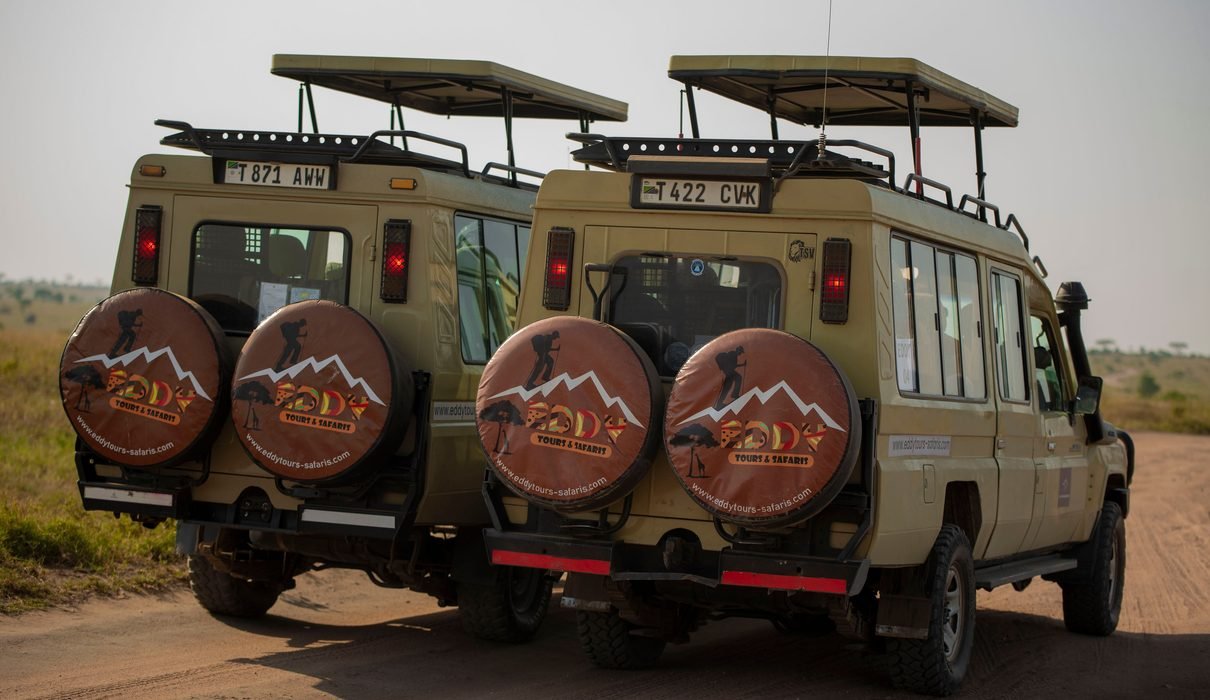
A safari in Tanzania is often seen as an expensive holiday, with luxury lodges, private vehicles and high-end camps costing thousands of dollars. While these options are available, they are not the only way to explore the country. Tanzania also offers affordable safaris for travellers who want to see wildlife, visit famous national parks and enjoy the African countryside without spending more than they can afford. With careful planning, choosing the right travel season and joining other travellers, a safari in Tanzania in 2027 can be both affordable and rewarding.
From the elephant herds of Tarangire to the open grasslands of Serengeti and the wildlife-rich Ngorongoro Crater, Tanzania has plenty to offer visitors travelling on a limited budget. You do not need to stay in an expensive lodge to see lions, zebras, giraffes or wildebeest. Many budget safari packages include comfortable camping, experienced local guides, reliable safari vehicles and meals prepared during the trip. At Eddy Tours & Safaris, we help travellers plan affordable Tanzania safaris that focus on good wildlife experiences, reasonable travel costs and practical itineraries.

Is Tanzania an Affordable Safari Destination in 2027?
Tanzania can be an affordable safari destination when you understand where your money goes and how to avoid unnecessary expenses. The biggest costs of a safari normally include national park entrance fees, transportation, accommodation, meals and the services of a professional safari guide. Some of these costs, particularly government park fees, are fixed according to visitor categories, while others can be reduced by travelling in a group, choosing budget accommodation or visiting during quieter months.
The northern safari circuit is particularly popular because several major destinations can be visited from Arusha. Tarangire National Park, Lake Manyara National Park, Ngorongoro Crater and Serengeti National Park can be combined into a single itinerary, reducing the need for domestic flights. Travellers who prefer shorter trips can concentrate on Tarangire and Ngorongoro, while those with more time can include Serengeti for a longer wildlife experience.
The important thing is to choose a safari based on your actual budget rather than simply looking for the cheapest advertised price. A properly organised safari should include reliable transportation, qualified guides, appropriate accommodation and clear information about the services covered by the price. Travellers can explore different options through Eddy Tours & Safaris and request an itinerary that matches their travel dates and available budget.
How Much Does a Budget Safari in Tanzania Cost in 2027?
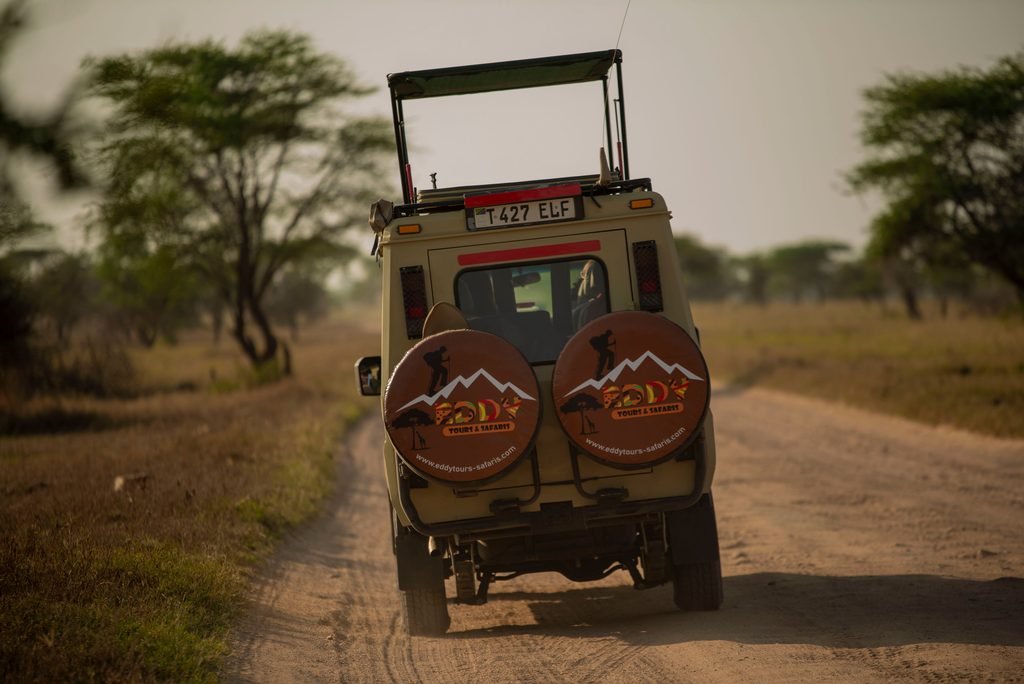
The cost of a Tanzania safari in 2027 will depend on the number of days, parks visited, accommodation standard, group size and travel season. Group-joining safaris are generally more affordable than private safaris because travellers share transportation and some operating expenses. Camping safaris also tend to cost less than lodge-based trips, especially when visiting Serengeti and Ngorongoro.
The following figures are broad planning estimates in US dollars per person for international travellers joining a shared safari. They are not confirmed 2027 package quotations, and actual prices may differ depending on park tariffs, availability and services included.
| Safari duration | Estimated budget per person |
|---|---|
| 1-day safari | $180–$350 |
| 2-day budget safari | $350–$650 |
| 3-day budget safari | $500–$900 |
| 4-day camping safari | $700–$1,200 |
| 5-day camping safari | $900–$1,500 |
| 6-day budget safari | $1,100–$1,800 |
| 7-day budget safari | $1,300–$2,100 |
These estimates are intended to help travellers prepare a realistic budget rather than represent fixed selling prices. International flights, visas, travel insurance, tips and personal expenses may need to be budgeted separately. Government fees can also change, so travellers should check the latest information published by Tanzania National Parks Authority and the Ngorongoro Conservation Area Authority before confirming their safari.
1. Join a Group Safari to Reduce Your Travel Costs
One of the easiest ways to experience Tanzania on a budget is to join a group safari. Instead of paying for a safari vehicle and guide entirely on your own, you share these costs with other travellers following the same itinerary. This arrangement can make a considerable difference, especially for solo travellers and couples who would otherwise pay more for a private safari.
Group-joining safaris normally operate with a small number of passengers travelling in a shared safari vehicle. Travellers visit the same national parks, participate in scheduled game drives and stay in accommodation arranged as part of the tour. Depending on the package, accommodation may include public campsites, budget lodges or simple tented camps. The experience remains focused on wildlife viewing, with the main difference being that the journey is shared rather than private.
A group safari is also a good opportunity to meet people from different countries who share an interest in wildlife and nature. However, travellers should confirm departure dates, group size, luggage allowances and accommodation arrangements before booking. At Eddy Tours & Safaris, travellers can enquire about group-joining opportunities and suitable budget safari arrangements for their preferred dates.
2. Choose Camping Instead of Expensive Safari Lodges
Accommodation is another area where travellers can save money without missing the main attractions of a Tanzania safari. Luxury lodges and exclusive tented camps can be expensive, particularly in Serengeti and around Ngorongoro. Public camping offers a more affordable alternative for visitors who are comfortable with simpler facilities and enjoy spending time outdoors.
On an organised camping safari, the tour operator generally provides tents, sleeping mattresses, cooking equipment and meals according to the agreed package. Travellers spend their days exploring national parks and return to designated campsites in the evening. Some campsites have shared toilets and showers, while facilities at others may be more basic. The standard varies, so it is important to ask about the campsite and equipment before travelling.
Camping also gives visitors a different experience of Tanzania’s natural surroundings. Evenings are often spent enjoying dinner at camp, talking about the day’s wildlife sightings and preparing for the following morning. Camping inside wildlife areas requires following park regulations and the instructions of your guide, particularly after dark. For travellers who prefer a proper bed and private bathroom, budget lodges outside some national parks may provide a reasonable middle ground between camping and luxury accommodation.
3. Visit Tanzania During the Quieter Safari Months
Choosing when to visit Tanzania can affect the overall cost of a safari. The busiest travel periods generally include July to October and the Christmas and New Year holidays, when demand for accommodation and safari services is often high. Travellers visiting during these periods may encounter higher lodge rates and more competition for available rooms, particularly in popular destinations such as Serengeti.
March, April and May are often quieter months in the northern safari circuit, although rainfall can be significant, especially during April and May. Some accommodation providers offer lower rates during these periods, and visitors may find fewer safari vehicles in certain areas. The landscape becomes greener, wildlife viewing remains possible and birdwatching can be particularly interesting. However, heavy rain can affect road conditions and travel times, and some seasonal camps may close.
November and early December can also be worth considering for travellers looking for a balance between wildlife viewing and accommodation costs. The short rains usually bring fresh vegetation, and some lodges offer more competitive rates than during the busiest months. Since weather and wildlife movements cannot be guaranteed, travellers should discuss the expected conditions with a local operator before choosing their travel dates.
4. Explore Tarangire National Park on a Budget
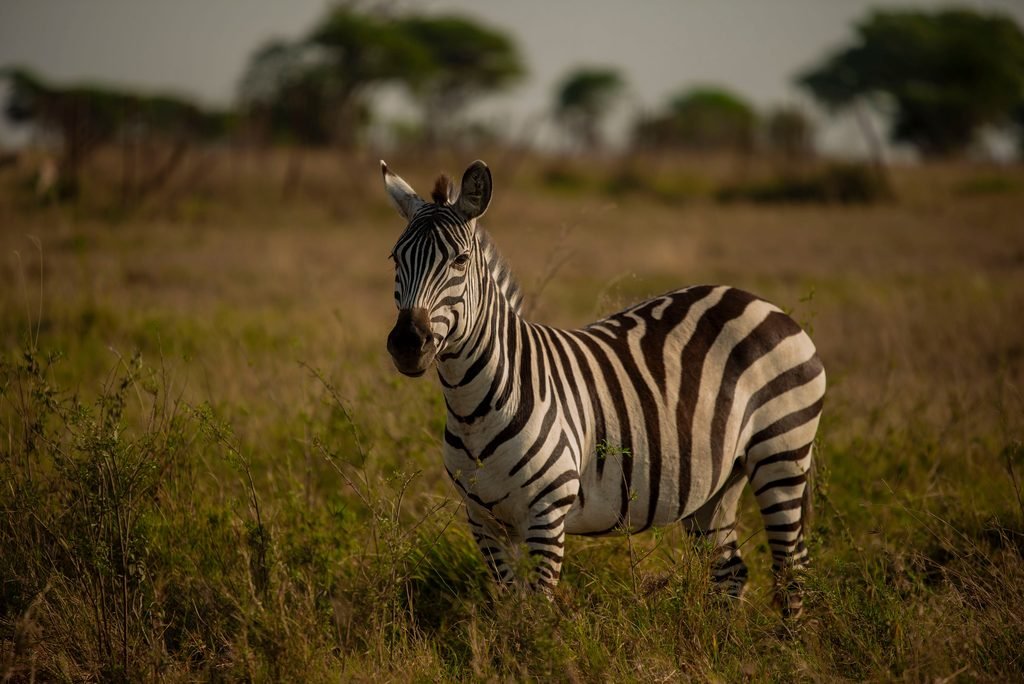
Tarangire National Park is one of the best destinations for travellers looking for a rewarding wildlife experience without travelling too far from Arusha. The park is known for its large elephant population, impressive baobab trees and varied landscapes. During the dry season, wildlife often gathers around the Tarangire River and other remaining water sources, creating good opportunities to see elephants, zebras, wildebeest, giraffes and several antelope species.
A one-day safari to Tarangire can be a practical choice for travellers who have limited time or cannot afford a longer trip. Although a single day does not provide the same experience as several days in the wilderness, visitors can still enjoy a proper game drive with a professional guide. Travellers staying in Arusha can leave early in the morning, spend much of the day exploring the park and return later in the afternoon or evening.
For those planning a longer safari, Tarangire combines well with Lake Manyara and Ngorongoro. A carefully planned three-day itinerary can cover several different habitats without requiring the longer journey to Serengeti. Visitors can contact Eddy Tours & Safaris to discuss affordable Tarangire safari options and suitable combinations with nearby destinations.
5. Experience Ngorongoro Crater Without Booking a Luxury Safari
Ngorongoro Crater is one of Tanzania’s most recognised wildlife destinations and an important stop on many northern circuit itineraries. The crater floor supports a wide range of wildlife, including buffaloes, zebras, wildebeest, hippos, lions and, with some luck, black rhinos. Its relatively compact wildlife-viewing area makes it possible to see several animal species during a single game drive, although sightings always depend on the animals’ movements and conditions on the day.
Visiting Ngorongoro can be expensive because of conservation fees and the separate vehicle crater service charge. These charges make shared safaris particularly attractive, since the vehicle-related costs can be divided among passengers. Travellers should also remember that the crater service fee is separate from individual conservation entry charges, and they should confirm whether both are included in their safari quotation.
An affordable way to visit Ngorongoro is to combine it with Tarangire or Lake Manyara rather than booking an expensive standalone private tour. Staying in budget accommodation around Karatu may also help reduce costs, depending on the itinerary and travel time. A local safari operator can arrange the route to avoid unnecessary driving while allowing enough time for the crater experience.
6. Visit Serengeti National Park Without Spending a Fortune
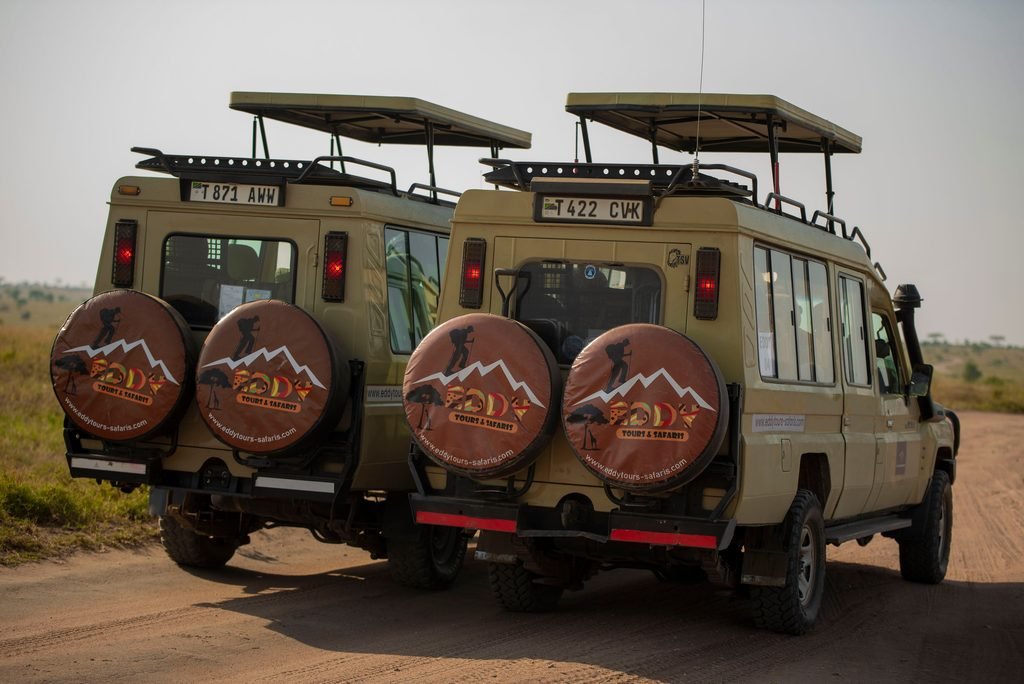
Serengeti National Park is famous for its extensive plains, large predator populations and the annual wildebeest migration. Many travellers assume that visiting Serengeti requires a luxury safari, but camping and group-joining tours make the park accessible to visitors with more modest budgets. The main expenses include transportation from Arusha, park entrance fees, accommodation and the time required to explore such a large wildlife area.
A budget safari to Serengeti generally works best when travellers allow at least four or five days for a northern circuit trip that includes the park. The drive from Arusha is long, and a very short itinerary may leave little time for game viewing once travel hours are taken into account. Staying at designated public campsites can reduce accommodation costs, while sharing a vehicle helps distribute fuel and guide expenses across the group.
Travellers interested in the Great Migration should understand that wildebeest movements change throughout the year depending on rainfall and grazing conditions. No operator can guarantee that the herds will be in a particular location on a specific date. Visitors travelling on a limited budget can still enjoy excellent wildlife viewing in central Serengeti, where resident animals such as lions, giraffes, elephants and various antelope species can be seen throughout the year.
7. Save Money by Booking With a Local Tanzania Safari Operator
Booking directly with a local safari company can be a practical way to manage travel costs. Local operators understand road conditions, travel distances, accommodation choices and the logistics involved in visiting Tanzania’s national parks. They can often help travellers compare different itineraries and identify where expenses can be reduced without affecting essential services.
For example, a traveller may initially request a seven-day private safari covering several parks, but after discussing their budget, a five-day group safari may be a better option. Similarly, choosing a budget lodge in Karatu instead of a more expensive property inside a conservation area may reduce accommodation costs. A local operator can explain the advantages and disadvantages of these arrangements before the traveller makes a decision.
Eddy Tours & Safaris is based in Arusha, one of the main starting points for northern Tanzania safaris. Travellers can discuss their preferred parks, travel dates, group size and budget directly with the team. Rather than choosing a package based only on its advertised price, it is worth requesting a detailed quotation showing accommodation, meals, transport, park fees and any additional charges.
8. Combine Short Safari Trips With Affordable Activities Around Arusha
Travellers do not need to spend every day inside a national park to enjoy Tanzania. Arusha and its surrounding areas offer several activities that can be combined with a short safari, allowing visitors to experience more of the country without paying national park fees every day. Depending on personal interests, these activities may include cultural visits, local markets, coffee tours, village walks and guided nature experiences.
Arusha is also a useful base for travellers planning to visit Mount Meru, explore nearby communities or spend time learning about daily life in northern Tanzania. Cultural experiences can provide a different understanding of the country, especially when organised respectfully with local guides and community members. Some activities involve modest local fees, while others require transportation and guiding arrangements that should be confirmed in advance.
Visitors interested in mountain adventures can also explore Kilimanjaro Climb Specialist for information about climbing routes and trekking preparation. A full Mount Kilimanjaro climb is not usually a low-cost activity because of mandatory park fees, guides, porters and safety requirements. However, travellers can compare route options and decide whether to include a mountain experience alongside their safari or save it for a future trip.
9. Avoid Unnecessary Expenses Before and During Your Safari
A well-planned budget safari starts before arriving in Tanzania. International flights can account for a substantial portion of the total holiday cost, so comparing different travel dates and booking when suitable fares are available may help reduce expenses. Travellers should also check arrival airports carefully, since flying into Kilimanjaro International Airport is often convenient for northern safaris, while arriving in Dar es Salaam may involve additional transport costs to reach Arusha.
Packing appropriately can also prevent unnecessary spending. Comfortable clothing, a light jacket, sun protection, suitable footwear, personal medication and a reusable water bottle are useful items for most safaris. Travellers should check luggage limits, especially when their trip includes domestic flights. Purchasing specialised equipment that will rarely be used may not be necessary for a standard vehicle-based safari.
Before confirming a booking, travellers should ask whether the quoted price includes airport transfers, accommodation before and after the safari, drinking water, meals, park fees and government taxes. It is also important to budget for visas where applicable, travel insurance, optional activities, tips and personal purchases. A cheaper quotation is not always better if several essential expenses have been left out.
Sample Affordable Tanzania Safari Itineraries for 2027
Choosing the right number of safari days is important when travelling on a budget. A shorter trip can reduce accommodation and park-related costs, but it should still provide enough time for wildlife viewing. The following sample itineraries illustrate how travellers can organise their time according to their interests and available budget.
3-Day Budget Safari: Tarangire, Lake Manyara and Ngorongoro
This itinerary is suitable for travellers who want to visit three different wildlife areas within a relatively short period. The journey normally starts in Arusha with a game drive in Tarangire National Park, followed by an overnight stay in budget accommodation around Mto wa Mbu or Karatu. On the second day, visitors explore Lake Manyara National Park, which is known for its varied scenery, birdlife, monkeys and other wildlife. The final day is spent visiting Ngorongoro Crater before returning to Arusha.
This safari offers a good introduction to Tanzania’s northern wildlife circuit without the long drive to Serengeti. It can be arranged with budget lodges or camping accommodation, depending on availability and personal preference. Travellers should remember that visiting three parks in three days involves a fairly active schedule, with limited time for relaxation between destinations.
4-Day Budget Safari: Tarangire, Serengeti and Ngorongoro
A four-day safari can include Tarangire, Serengeti and Ngorongoro, although it requires longer driving hours and careful planning. Travellers usually begin with a game drive in Tarangire before continuing towards Serengeti on the following day. The journey offers changing landscapes, from the wooded areas around Tarangire to the highlands of Ngorongoro and the open plains of Serengeti.
After spending time exploring Serengeti, the itinerary continues towards Ngorongoro for an overnight stay before the final crater game drive and return to Arusha. This option can suit travellers who have limited time but want to include Serengeti. However, those who can afford an additional day may find a five-day itinerary more comfortable and better suited to wildlife photography.
5-Day Budget Safari: Tarangire, Serengeti and Ngorongoro Crater
For many first-time visitors, a five-day safari provides a reasonable balance between travel time, wildlife viewing and overall cost. The trip can begin with Tarangire, followed by the journey to Serengeti, where travellers spend more time exploring the plains and searching for wildlife. The itinerary then continues through the Ngorongoro highlands, with a crater game drive before returning to Arusha.
A five-day group-joining camping safari is worth considering because it allows travellers to visit Tanzania’s major northern destinations while sharing transportation and accommodation-related expenses. The additional time compared with a four-day trip can make the journey less rushed, particularly in Serengeti. Travellers interested in this option can request a suitable itinerary through Eddy Tours & Safaris.
What Is Usually Included in a Budget Tanzania Safari?
Although this article is a travel guide rather than a fixed safari package, understanding common inclusions and exclusions helps travellers compare quotations. The exact arrangements depend on the operator and the selected itinerary, so the following should be treated as a general guide rather than a promise that every package includes the same services.
Common Safari Inclusions
- Transport in a shared safari vehicle during the scheduled itinerary.
- Services of a professional safari driver-guide.
- National park entrance and conservation fees, where stated in the quotation.
- Accommodation at agreed campsites or budget lodges.
- Meals during the safari according to the itinerary.
- Drinking water during scheduled game drives, where included.
- Camping equipment and camp support for organised camping safaris.
- Scheduled wildlife game drives.
Common Safari Exclusions
- International and domestic flights unless specifically included.
- Tanzania visa fees and travel insurance.
- Accommodation before or after the safari unless stated.
- Tips for safari guides, cooks and other staff.
- Alcoholic drinks, soft drinks and personal purchases unless included.
- Optional cultural activities and additional excursions.
- Personal laundry and telephone expenses.
- Any service not specifically mentioned in the confirmed quotation.
Is a Budget Safari Worth It Compared With a Luxury Safari?
A budget safari can provide excellent value because the wildlife is the same regardless of how much a traveller spends on accommodation. Visitors staying at public campsites and those staying at luxury lodges may explore the same national parks and encounter similar animals during their game drives. The main differences are usually related to comfort, privacy, accommodation facilities, meal arrangements and the flexibility of the itinerary.
Luxury safaris may offer spacious rooms, private dining, swimming pools, exclusive camps and additional services. Budget safaris focus more on essential travel arrangements and wildlife viewing. For travellers whose main goal is to see animals in their natural environment, a well-organised budget safari can be a very satisfying choice. It is still important to select a reputable operator, since low prices should not come at the expense of vehicle maintenance, guide competence, food hygiene or safety.
Travellers who prefer greater comfort without paying luxury prices can consider mid-range accommodation or a combination of camping and budget lodges. The right choice depends on personal expectations, travel experience and how much time will be spent at the accommodation rather than out on game drives.
Frequently Asked Questions About Tanzania Budget Safaris in 2027
What is the cheapest way to go on safari in Tanzania?
Joining a scheduled group safari and choosing camping accommodation is generally one of the cheapest ways to visit Tanzania’s major national parks. Sharing a safari vehicle reduces individual transport costs, while camping helps keep accommodation expenses manageable. Short trips to Tarangire or Lake Manyara can also be more affordable than longer journeys to Serengeti.
Can I visit Serengeti on a limited budget?
Yes, Serengeti can be visited on a limited budget through group-joining camping safaris. Travellers should still allow for park entrance fees, accommodation, transport and the long journey from Arusha. A four- or five-day itinerary that combines Serengeti with other northern parks is often more practical than a very short private trip.
Which month is cheapest for a Tanzania safari?
April and May are often among the quieter months for safari tourism, and some accommodation providers offer reduced rates during this period. However, these months fall within the main rainy season, so road conditions and lodge availability need to be considered. March and November may also offer opportunities to find more affordable accommodation, depending on the destination and specific travel dates.
Is Tanzania safe for budget safari travellers?
Many visitors enjoy organised budget safaris in Tanzania without major difficulties. Travellers should book with established operators, follow their guide’s instructions, use designated accommodation and avoid approaching wildlife. Appropriate travel insurance, attention to personal belongings and sensible health precautions are also important.
How many days are enough for a budget Tanzania safari?
Three days can provide a good introduction to the northern safari circuit, particularly when visiting Tarangire, Lake Manyara and Ngorongoro. Travellers who want to include Serengeti should ideally consider at least four or five days because of the longer driving distances. Those with more time can enjoy a slower itinerary with additional game drives and fewer rushed transfers.
Can I book a Tanzania safari without paying for luxury accommodation?
Yes. Budget camping safaris, group-joining tours and selected affordable lodges allow travellers to visit Tanzania without booking luxury accommodation. The best option depends on the parks included, the season and the traveller’s preferred level of comfort.
Plan Your Affordable Tanzania Safari in 2027 With Eddy Tours & Safaris
A safari in Tanzania does not have to be a luxury holiday. By choosing the right parks, travelling with a group, using affordable accommodation and planning your dates carefully, you can enjoy some of Africa’s best wildlife destinations while keeping your spending under control. Whether you have three days for Tarangire and Ngorongoro or five days to include Serengeti, there are practical ways to organise a safari around your budget.
At Eddy Tours & Safaris, we help travellers explore Tanzania through safari arrangements that suit different budgets and travel interests. Our team in Arusha can assist with itinerary planning, accommodation choices, group-joining enquiries and private safari options based on your preferred dates.
If you are planning to visit Tanzania in 2027, share your travel dates, number of travellers, preferred national parks and approximate budget. We can help you understand the available options and prepare a safari quotation with clear information about what is included.
Contact Eddy Tours & Safaris to Plan Your 2027 Budget Safari