
Tanzania Safari from Arusha: The Most Complete Guide 2026, 2027 & 2028 is designed for travelers who want a clear and realistic understanding of how safaris in northern Tanzania actually work before making travel decisions. Arusha is widely known as the safari capital of Tanzania because nearly every major northern safari begins here, including journeys to Serengeti National Park, Ngorongoro Crater, Tarangire National Park, and Lake Manyara. For many travelers arriving in East Africa for the first time, understanding how to organize a safari from Arusha can feel overwhelming at first because there are different safari styles, budgets, routes, and travel seasons to consider. This guide simplifies everything in a practical and natural way while helping you understand what makes this region one of the most rewarding safari destinations in the world.
The reason so many travelers begin their journeys with a Tanzania Safari from Arusha: The Most Complete Guide search is because Arusha acts as the gateway to Tanzania’s most famous wildlife ecosystems. Located near Kilimanjaro International Airport and surrounded by beautiful landscapes, Arusha gives travelers direct access to world-class safari destinations within a relatively short driving distance. Many visitors planning their journeys through Tanzania safari packages quickly realize that staying in Arusha before and after safari creates a smoother and more comfortable experience compared to arriving directly inside national parks.
Arusha itself is more than just a transit city. The town has developed into a safari hub with hotels, restaurants, cultural experiences, local markets, and tour operations that support tourism across northern Tanzania. According to Lonely Planet, Arusha remains one of East Africa’s most important tourism centers due to its location and access to nearby wildlife destinations. The city also serves as a strategic base for mountain climbers heading toward Kilimanjaro and Meru, creating an atmosphere filled with adventure travelers from around the world.
One of the most important things travelers should understand about a Tanzania Safari from Arusha: The Most Complete Guide experience is that no single safari fits everyone. Some travelers want luxury lodges and private guides, while others prefer affordable group safaris or mid-range comfort. Some prioritize wildlife photography while others care more about cultural interactions or family-friendly experiences. Understanding your travel style before booking is essential because Tanzania offers enough variety to match almost every type of traveler.
Wildlife conservation organizations like WWF, IUCN, and African Wildlife Foundation continue to recognize northern Tanzania as one of Africa’s most important ecological regions because of its wildlife populations and migration systems. This is one reason why safaris from Arusha remain so popular internationally. Travelers are not only visiting beautiful landscapes but also supporting ecosystems that are globally significant for biodiversity conservation.
Package Overview – Tanzania Safari from Arusha: The Most Complete Guide 2026, 2027 & 2028
A typical Tanzania Safari from Arusha: The Most Complete Guide itinerary focuses on the northern safari circuit, which includes Tarangire National Park, Serengeti National Park, Ngorongoro Crater, and Lake Manyara. These parks are close enough to combine within one trip while still offering dramatically different safari experiences. Tarangire is known for giant elephant herds and ancient baobab trees, Serengeti delivers endless plains and predator sightings, Ngorongoro offers concentrated wildlife inside a volcanic crater, while Lake Manyara adds tree-climbing lions and rich birdlife.
Most safari journeys from Arusha begin early in the morning after overnight stays in town. Travelers can choose between private safaris, group joining safaris, luxury safaris, mid-range lodge safaris, or camping experiences depending on their budget and expectations. Travelers researching private Tanzania safari tours often prefer flexibility and personalized experiences, while group safaris attract travelers looking for affordability and shared adventure.
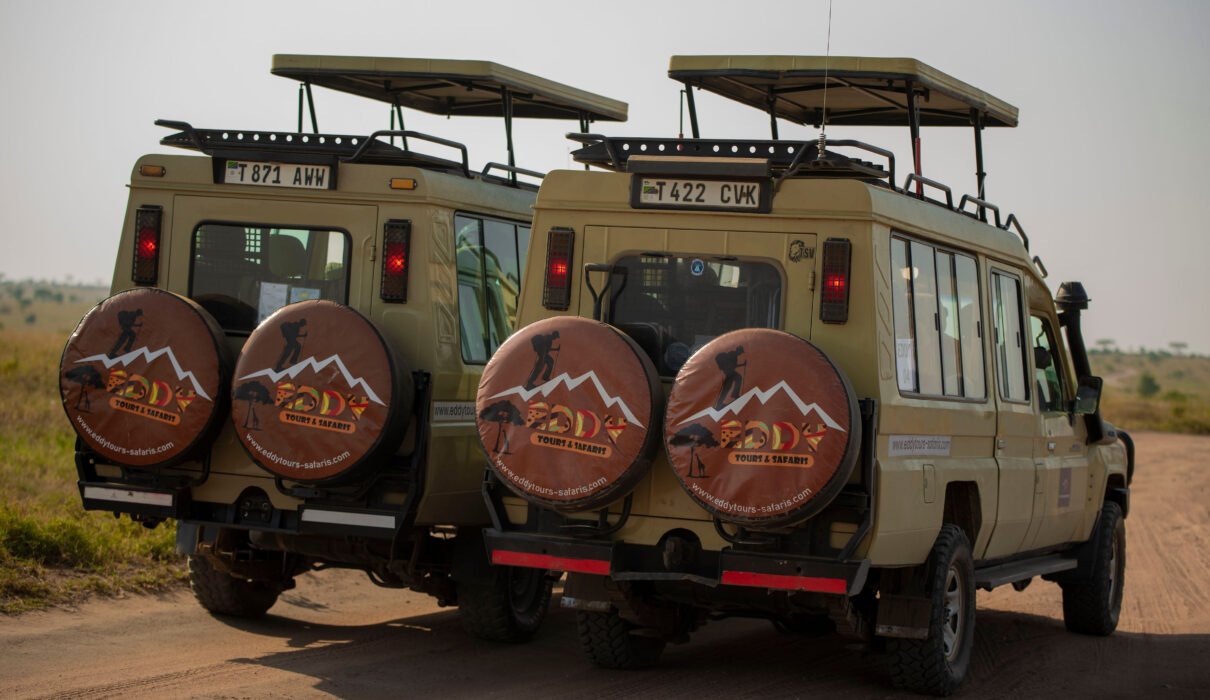
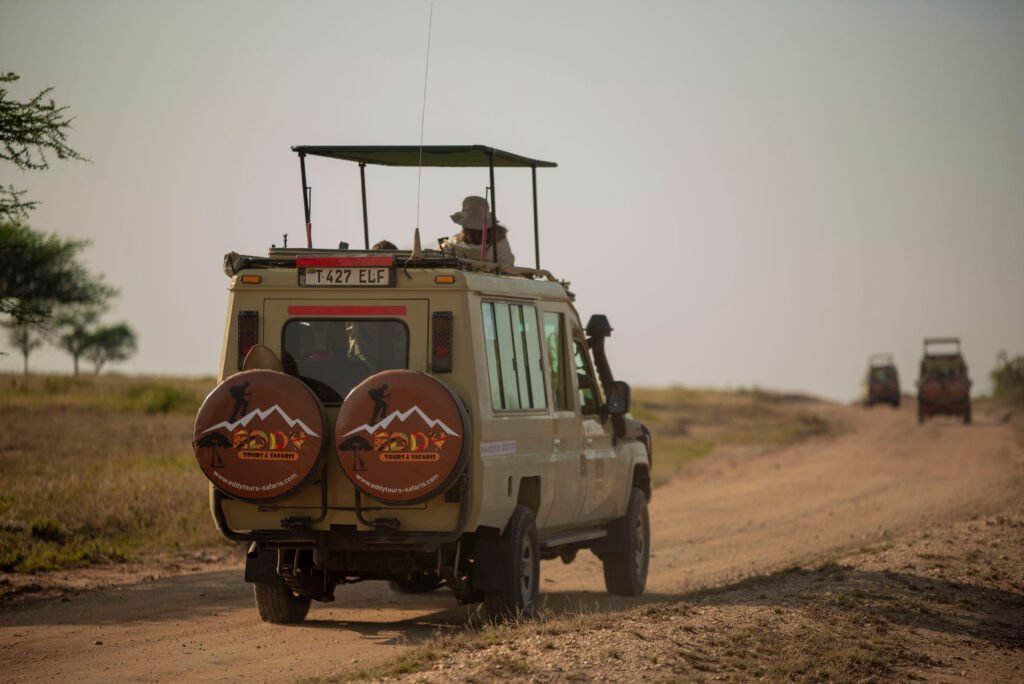
Safari vehicles usually include pop-up roofs for wildlife viewing and photography, while professional guides help interpret animal behavior and ecosystems during game drives. Conservation insights from UNEP and National Geographic emphasize that guided safaris provide deeper understanding of wildlife interactions and conservation challenges compared to independent travel.
Another important part of planning a Tanzania Safari from Arusha: The Most Complete Guide experience is seasonality. Different months create different safari conditions, wildlife concentrations, and weather patterns. June to October is considered the dry season with excellent wildlife visibility, while January to March often attracts travelers interested in the wildebeest calving season. April and May bring heavier rains but also lower prices and fewer crowds.
Detailed Itinerary ( Tanzania Safari from Arusha: The Most Complete Guide )
Day 1: Arrival in Arusha
Your safari experience usually begins with arrival at Kilimanjaro International Airport followed by transfer to Arusha town. This first day allows travelers to recover from international flights while preparing for the safari ahead. Many hotels in Arusha offer peaceful gardens, swimming pools, and views of Mount Meru, creating a relaxing atmosphere before entering the wilderness.
Travelers often spend time reviewing safari plans, checking camera equipment, and learning about wildlife destinations before departure. According to Britannica, Arusha’s location near major conservation areas has made it one of the most important tourism gateways in East Africa.
Day 2: Tarangire National Park Safari
Tarangire National Park is usually one of the first destinations visited during a Tanzania Safari from Arusha: The Most Complete Guide itinerary because it lies relatively close to the city while offering exceptional wildlife experiences. The park is especially famous for elephants and baobab trees, though lions, giraffes, zebras, wildebeests, and leopards are also common.
During dry seasons, the Tarangire River becomes a vital water source, attracting animals from surrounding areas. Wildlife researchers from ScienceDaily frequently highlight the ecological importance of water systems in maintaining East African wildlife migration patterns.
Day 3: Serengeti National Park
The drive toward Serengeti introduces travelers to one of Africa’s most legendary wildlife destinations. Endless plains stretch across the horizon while wildlife appears almost constantly along the route. Serengeti is home to one of the largest predator populations in Africa and remains closely associated with the Great Wildebeest Migration.
Travelers booking through Serengeti safari tours often describe this destination as the emotional highlight of their entire Tanzania experience because of its scale and wildlife density. Experts from Smithsonian Magazine continue to recognize Serengeti as one of the world’s most extraordinary natural ecosystems.
Day 4: Full-Day Serengeti Exploration
A full day in Serengeti allows deeper exploration of different wildlife areas depending on season and migration movement. Early morning drives often reveal predators returning from night hunts while afternoons provide opportunities to observe grazing animals across open plains.
Private guides carefully adjust routes based on wildlife sightings and current park activity. Many travelers appreciate this flexibility because it transforms each game drive into a unique experience instead of following fixed tourist patterns. Additional travel insights and safari combinations can also be explored through Kilimanjaro Climb Specialist.
Day 5: Ngorongoro Crater Safari
Ngorongoro Crater delivers one of the most concentrated wildlife experiences in Africa because animals remain inside a natural volcanic enclosure. Lions, buffaloes, zebras, hippos, hyenas, flamingos, and black rhinos are frequently observed during crater game drives.
UNESCO conservation experts from UNESCO continue to emphasize the crater’s ecological importance because of its unique balance between wildlife conservation and local Maasai communities.
Day 6: Return to Arusha
Most northern circuit safaris eventually return travelers to Arusha where the journey ends. Some travelers continue toward Zanzibar while others depart internationally through Kilimanjaro Airport. Travelers considering longer adventures often combine safari experiences with mountain trekking through combined Tanzania itineraries.
Inclusions ( Tanzania Safari from Arusha: The Most Complete Guide )
- Professional safari guide and driver
- 4×4 safari vehicle with pop-up roof
- Park entrance fees and conservation charges
- Accommodation during safari
- Meals during safari activities
- Airport transfers in Arusha
- Bottled drinking water during game drives
- Government taxes and VAT
Exclusions ( Tanzania Safari from Arusha: The Most Complete Guide )
- International flights
- Tanzania visa fees
- Travel insurance
- Personal expenses
- Alcoholic beverages
- Tips for safari crew
- Optional activities not listed
Pricing Range of the Package ( Tanzania Safari from Arusha: The Most Complete Guide )
- Budget Camping Safari: USD 180 – 300 per day
- Mid-Range Lodge Safari: USD 350 – 700 per day
- Luxury Safari Experience: USD 800 – 2,500+ per day
FAQ’S OF THE PACKAGE ( Tanzania Safari from Arusha: The Most Complete Guide )
- What is the best safari from Arusha? Serengeti, Ngorongoro, and Tarangire combination safaris are among the most popular.
- How many days are enough? Most travelers choose between 4–7 days for northern Tanzania safaris.
- Is Arusha safe for tourists? Yes, especially within tourist areas and organized safari arrangements.
- Can I do a safari and Zanzibar together? Yes, many travelers combine both experiences.
- Do I need vaccinations? Travelers should consult health professionals before visiting Tanzania.
Why Choose This Package ( Tanzania Safari from Arusha: The Most Complete Guide )
The biggest advantage of using a Tanzania Safari from Arusha: The Most Complete Guide approach is preparation. Instead of booking blindly, travelers gain a realistic understanding of safari styles, destinations, seasons, pricing, and expectations before arriving in Tanzania. This reduces confusion while helping travelers select experiences that genuinely match their interests and budgets.
Another important advantage is convenience. Arusha simplifies logistics by connecting travelers directly to major northern parks through organized safari operations. Travelers searching for smoother safari experiences often explore well-organized safari departures because proper planning significantly improves the overall travel experience.
Additionally, Tanzania remains one of Africa’s strongest safari destinations because of its enormous protected areas and wildlife populations. Reports from Conservation International, WWF, and IUCN continue to emphasize the ecological significance of Tanzania’s northern safari circuit, making every safari both exciting and meaningful.
Whether you are planning your first African safari or returning for another wildlife adventure, Arusha provides the perfect starting point. The city combines accessibility, safari infrastructure, and proximity to iconic parks in a way few destinations can match.
Book This Tour
If you are ready to experience wildlife, landscapes, and authentic safari adventures in one of Africa’s greatest destinations, this Tanzania Safari from Arusha: The Most Complete Guide gives you the foundation to plan confidently for 2026, 2027, or 2028. From private safaris to luxury journeys and affordable group experiences, Arusha opens the door to unforgettable adventures across northern Tanzania.
Travelers can begin planning today through Tanzania safari booking experts while gathering additional travel insights through Google. With the right planning and guidance, your Tanzania safari can become far more than a holiday — it can become one of the most memorable experiences of your life.