
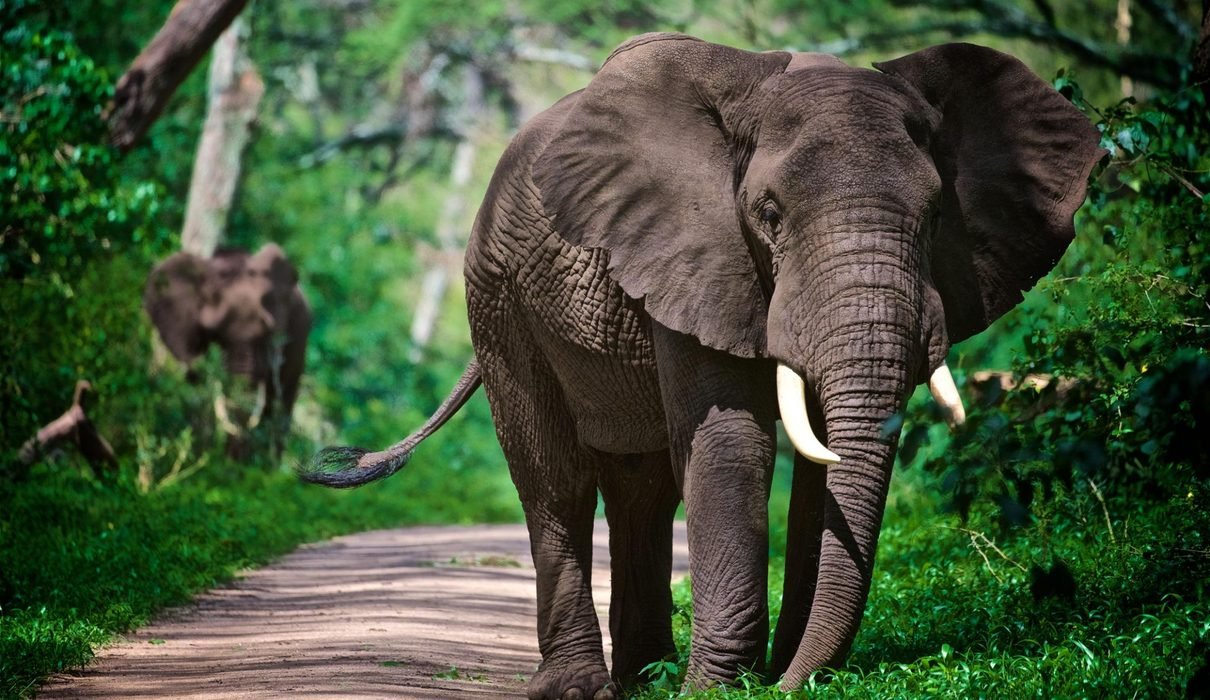
Tanzania is one of Africa’s most popular safari destinations, attracting travelers who want to see wild animals in their natural environment. From the open plains of the Serengeti to the wildlife-filled Ngorongoro Crater, the country offers some of the best opportunities to experience African wildlife. Visitors can watch elephants moving through the woodlands, lions resting on the grasslands, giraffes feeding on acacia trees, and thousands of wildebeest traveling across the Serengeti ecosystem.
Planning a Tanzania safari in 2027 or 2028 involves several important decisions. You need to choose which national parks to visit, how many days to spend on safari, what type of accommodation suits your budget, and which season offers the wildlife experiences you are most interested in. Tanzania has many excellent safari destinations, but the best itinerary depends on your available time, interests, and travel budget.
One of the greatest advantages of visiting Tanzania is the variety of experiences available. You can spend several days exploring the Serengeti, descend into the Ngorongoro Crater, watch elephants in Tarangire National Park, or enjoy the scenery around Lake Manyara. Travelers with more time can visit quieter southern parks, combine their safari with a Mount Kilimanjaro climb, or finish their holiday on the beaches of Zanzibar.
At Eddy Tours & Safaris, we help travelers organize private and group Tanzania safaris with carefully planned itineraries, comfortable accommodation, and experienced local safari guides. This updated Tanzania safari guide explains everything you need to know about planning a wildlife holiday in 2027 and 2028, from the best national parks and travel seasons to safari costs, accommodation, packing, and practical travel advice.
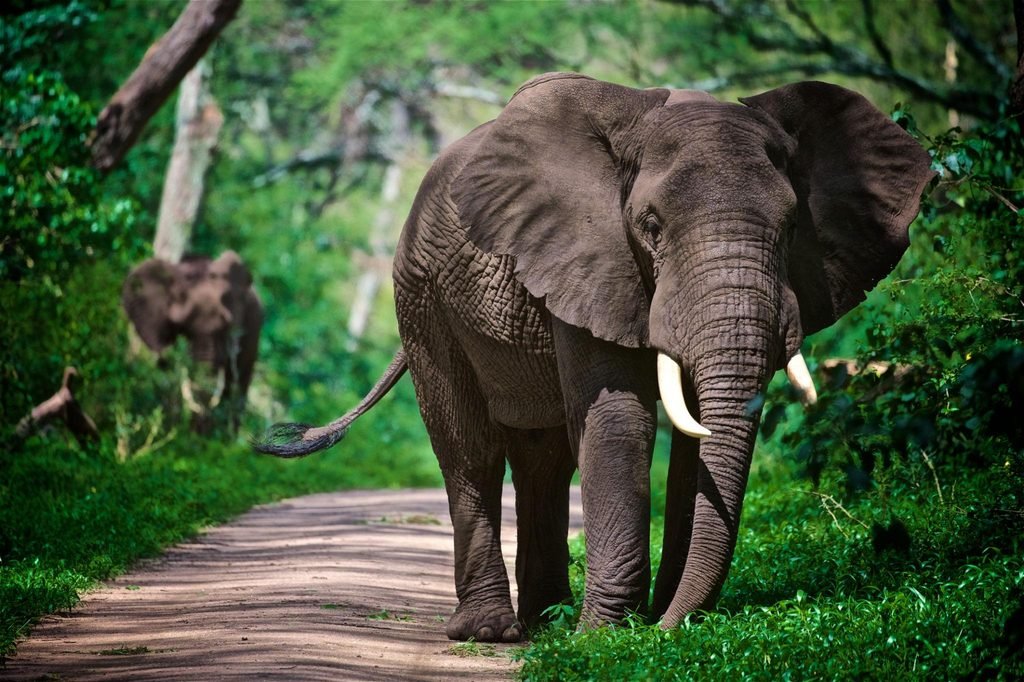
Tanzania Safari Overview
| Safari information | Details |
|---|---|
| Destination | Tanzania, East Africa |
| Recommended travel years | 2027 and 2028 |
| Main safari departure cities | Arusha and Moshi |
| Popular national parks | Serengeti, Tarangire, Lake Manyara, Ngorongoro Crater |
| Other wildlife destinations | Nyerere, Ruaha, Mikumi, Katavi |
| Recommended safari duration | 5–10 days for a multi-park northern safari |
| Best general wildlife season | June to October |
| Popular migration calving period | January to March |
| Safari accommodation | Camping, budget lodges, mid-range lodges and luxury camps |
| Safari transport | Customized 4×4 safari vehicles |
| Safari styles | Private, group joining, family, honeymoon and luxury safaris |
| Optional extensions | Kilimanjaro climbing and Zanzibar beach holidays |
Why Choose Tanzania for an African Safari?
Tanzania offers an exceptional combination of wildlife, landscapes, and protected natural areas. Its national parks include wide grasslands, volcanic highlands, forests, rivers, lakes, and large wilderness areas. These different habitats support many animal species and allow visitors to enjoy varied wildlife experiences during a single holiday.
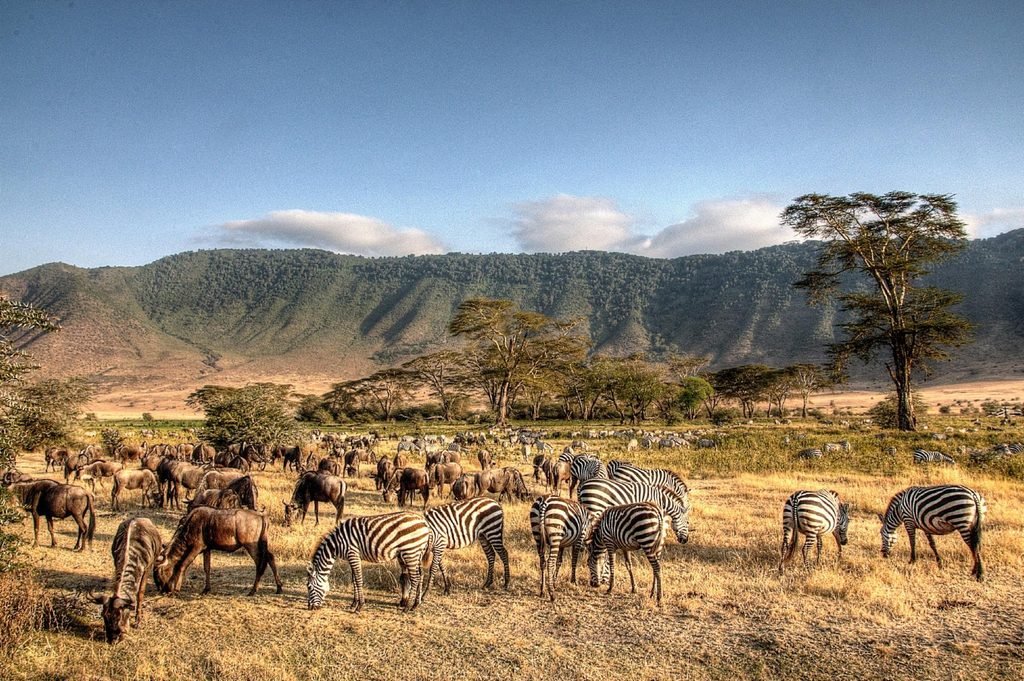
The Serengeti is especially famous for its large populations of grazing animals and predators. Lions, cheetahs, leopards, elephants, buffaloes, giraffes, zebras, and many antelope species can be found within the wider ecosystem. The annual Great Wildebeest Migration adds another attraction, although the location of the migrating herds changes throughout the year.
Tanzania is also suitable for travelers with different budgets. Some visitors prefer public camping and shared safari arrangements, while others choose comfortable lodges or luxury tented camps. Private safaris allow greater flexibility with daily activities and travel schedules, making them particularly attractive for couples, families, photographers, and small groups.
Another advantage is the opportunity to combine wildlife viewing with other activities. Travelers can climb Mount Kilimanjaro before their safari, visit cultural attractions around Arusha, or continue to Zanzibar for a relaxing beach holiday. This makes Tanzania a practical destination for visitors who want to experience several sides of East Africa during one trip.
Best National Parks to Visit in Tanzania
Tanzania has numerous national parks and wildlife conservation areas, but some destinations are particularly popular among international safari travelers. Each park has its own character, wildlife attractions, and recommended visiting periods.
1. Serengeti National Park – Best for Wildlife and the Great Migration
Serengeti National Park is one of the most famous wildlife destinations in Africa. Its name is closely associated with vast grasslands, large concentrations of animals, and the annual Great Wildebeest Migration. The park covers approximately 14,750 square kilometres and forms part of a much larger ecosystem that extends into Kenya’s Maasai Mara.
The Serengeti is an excellent destination for travelers interested in predators. Lions are regularly encountered in suitable habitats, while cheetahs are often associated with open grasslands where they can search for prey. Leopards are more difficult to spot because they frequently rest in trees or remain hidden in vegetation. Elephants, buffaloes, giraffes, zebras, gazelles, and numerous bird species also contribute to the park’s wildlife diversity.
One of the most important things to understand is that the Serengeti offers wildlife viewing throughout the year. Although the migrating wildebeest move between different regions, many animals remain within the park regardless of the season. The central Serengeti, particularly the Seronera area, is a popular destination because of its resident wildlife and relatively reliable year-round game viewing.
For travelers planning a safari in 2027 or 2028, the Serengeti deserves at least two or three nights, although longer stays provide more time to explore different areas. Visitors interested in the Great Migration should choose their accommodation according to the expected seasonal location of the herds rather than simply booking any lodge within the national park.
2. Ngorongoro Crater – Best for Wildlife Viewing in a Compact Area
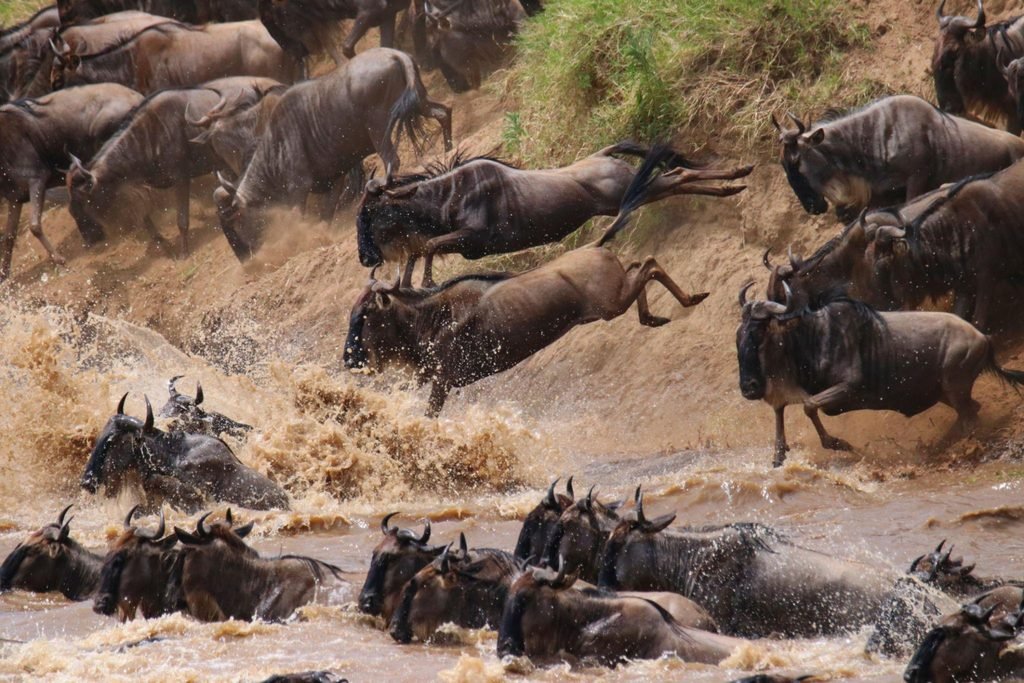
The Ngorongoro Crater is one of Tanzania’s most remarkable natural attractions. Located within the Ngorongoro Conservation Area, the crater is a large volcanic caldera surrounded by steep highland walls. Its floor contains grasslands, woodland, wetlands, and a seasonal lake, creating habitats for a wide variety of wildlife.
A game drive inside the crater offers opportunities to see buffaloes, zebras, wildebeest, hippos, elephants, lions, hyenas, and several antelope species. The crater is also known as one of the places in Tanzania where visitors may have an opportunity to see the endangered black rhinoceros. However, rhino sightings are never guaranteed because these animals can be difficult to locate.
Most visitors descend into the crater early in the morning to take advantage of cooler conditions and active wildlife. The descent road offers views of the crater floor before the vehicle reaches the grasslands below. During the game drive, your guide searches different habitats while explaining the animals, vegetation, and natural history of the area.
Ngorongoro is often included in northern Tanzania safari itineraries because it lies along the route between Arusha and the Serengeti. One full crater game drive is usually sufficient for a first visit, although travelers interested in the wider conservation area may choose to spend additional time exploring the highlands.
3. Tarangire National Park – Best for Elephants and Baobab Trees
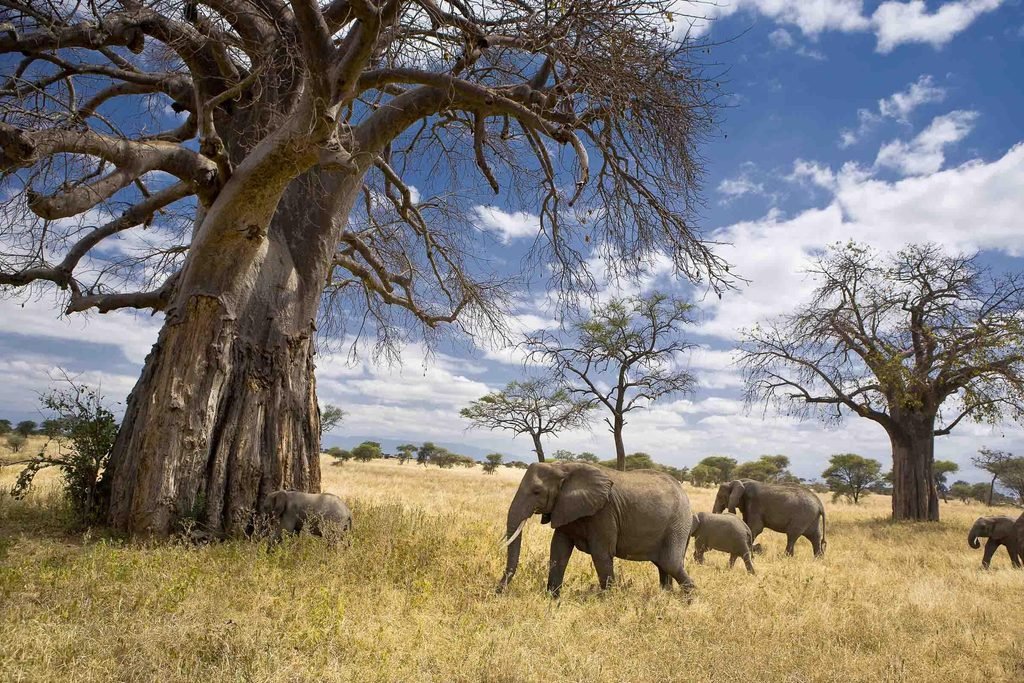
Tarangire National Park is particularly well known for its elephant populations, impressive baobab trees, and seasonal wildlife concentrations. Located southwest of Arusha, the park offers a different landscape from the Serengeti, with woodland, open plains, river habitats, and large baobabs that are among its most recognizable features.
During the dry season, the Tarangire River becomes an important water source for wildlife. Elephants, zebras, wildebeest, buffaloes, and various antelope species may gather around the river and other remaining water sources. Predators such as lions and leopards are also present, although their visibility depends on habitat conditions and animal movements.
Tarangire is an excellent destination for travelers who enjoy observing elephants. Visitors may encounter family groups feeding, moving between woodland areas, or drinking near the river. The park is also attractive to birdwatchers because of its varied habitats and extensive birdlife.
A single day in Tarangire can provide an enjoyable introduction to Tanzania’s wildlife, but spending two days allows more time to explore the park beyond the busiest areas. Tarangire is commonly included in three-day, four-day, and longer northern circuit safari itineraries.
4. Lake Manyara National Park – Best for Scenery and Birdwatching
Lake Manyara National Park is located beneath the dramatic escarpment of the Great Rift Valley. Although smaller than the Serengeti and Tarangire, it offers an interesting combination of groundwater forest, woodland, open grassland, and lakeshore habitats.
The park is home to elephants, giraffes, buffaloes, hippos, monkeys, and several antelope species. It is also known for its birdlife, including waterbirds that use the lake and surrounding wetlands. Flamingos may be present when water and feeding conditions are suitable, but their numbers change with seasonal conditions.
Lake Manyara is sometimes associated with tree-climbing lions. These animals can occasionally be observed resting in trees, although sightings are unpredictable and should not be promised as part of a safari package.
The park is often visited as part of a shorter northern Tanzania itinerary because it is conveniently located between Arusha and the Ngorongoro highlands. A day trip provides an opportunity to experience its scenery and wildlife, while visitors with additional time may explore nearby cultural and natural attractions.
5. Nyerere National Park – Best for a Southern Tanzania Safari
Nyerere National Park is one of Tanzania’s major southern wildlife destinations. It forms part of the wider Selous ecosystem and offers a different safari experience from the popular northern circuit. The landscape includes rivers, lakes, woodland, grasslands, and extensive wilderness areas.
Wildlife in the park includes elephants, giraffes, buffaloes, hippos, crocodiles, lions, and African wild dogs. The Rufiji River system is particularly important because it supports a wide variety of aquatic and terrestrial wildlife. Depending on the location and permitted activities, visitors may be able to enjoy boat-based wildlife viewing in addition to traditional game drives.
Nyerere is attractive to travelers who prefer a safari focused on wilderness and a less heavily visited environment. It can be combined with other southern destinations or visited independently from Dar es Salaam, depending on the itinerary.
6. Ruaha National Park – Best for Remote Wildlife Experiences
Ruaha National Park is another excellent destination for travelers interested in southern Tanzania. The park is known for its rugged landscapes, river systems, baobab trees, and large wilderness areas. Its habitats support elephants, buffaloes, giraffes, antelope species, lions, leopards, and other wildlife.
Ruaha is particularly appealing to experienced safari travelers who want to explore a different part of Tanzania. Its remote location and extensive landscapes create opportunities for longer game drives and a quieter safari atmosphere.
The dry season is generally a popular time to visit because wildlife often concentrates around remaining water sources. However, animal movements and viewing conditions vary throughout the year.
Understanding the Great Wildebeest Migration
The Great Wildebeest Migration is one of Tanzania’s most famous wildlife events. Large herds of wildebeest move through the Serengeti ecosystem in search of fresh grazing and water, accompanied by zebras and other grazing animals. Their movements follow changing rainfall and vegetation conditions rather than a fixed calendar.
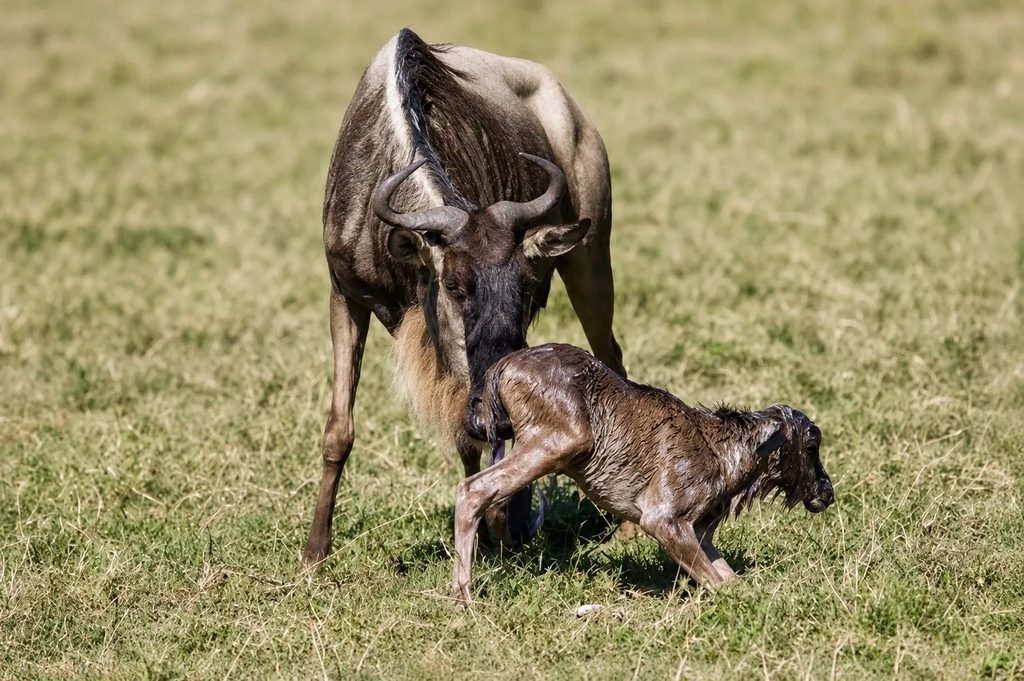
Many travelers associate the migration only with dramatic river crossings, but the annual cycle includes several different stages. During the early months of the year, large numbers of wildebeest are often found on the southern plains, where calving takes place. As conditions change, the herds move through the central and western Serengeti before reaching northern areas later in the year.
The Mara River crossings are particularly famous, but their timing cannot be guaranteed. Herds may gather near a river for hours or days before crossing, and some groups may move away without entering the water. Travelers should therefore avoid planning their entire safari around the expectation of witnessing a crossing at a particular time.
Serengeti Great Migration Calendar
| Months | Typical migration location | Main wildlife experience |
|---|---|---|
| January–March | Southern Serengeti and Ndutu area | Calving season and predator activity |
| April–May | Southern and central Serengeti | Herd movements through greener plains |
| June–July | Western and northern migration corridors | Large herds and possible river crossings |
| August–September | Northern Serengeti and Mara River region | Possible Mara River crossings |
| October | Northern Serengeti and surrounding ecosystem | Herd movements influenced by rainfall |
| November–December | Central and southern movement corridors | Herds returning toward southern grazing areas |
These are general seasonal patterns, not guaranteed dates. Rainfall can change the migration’s timing and location from one year to another.
Best Time to Visit Tanzania for a Safari
The best time for a Tanzania safari depends on the wildlife experiences you want and the parks you plan to visit. Tanzania offers excellent wildlife viewing throughout the year, but seasonal rainfall influences vegetation, animal movements, road conditions, and accommodation demand.
June to October: Dry Season
The dry season is generally one of the most popular periods for a Tanzania safari. Rainfall is often lower, vegetation becomes less dense in many areas, and animals may gather around rivers and permanent water sources. These conditions can make wildlife easier to observe, particularly in parks such as Tarangire and Ruaha.
June through October is also a popular period for travelers interested in the northern Serengeti migration. However, because this is a busy travel season, accommodation in popular wildlife areas can fill quickly. Travelers planning to visit during these months should consider booking well in advance.
November to December: Short Rains
November and December often bring seasonal rainfall, although the amount and timing vary. The landscape becomes greener, and some areas offer excellent opportunities for photography and birdwatching.
Wildlife viewing remains possible, particularly in the central Serengeti and Ngorongoro Crater. Travelers who are comfortable with occasional rain may enjoy the greener scenery and a different atmosphere from the dry season.
January to March: Calving Season
January to March is an attractive period for travelers interested in the southern Serengeti and Ndutu region. Large numbers of wildebeest often gather on the short-grass plains, and many calves are born during the peak calving period, usually around February.
The concentration of young animals may attract predators, creating opportunities to observe natural interactions between herbivores and carnivores. However, wildlife behavior is unpredictable, and sightings of births or hunts cannot be guaranteed.
April to May: Green Season
April and May are generally associated with heavier rainfall in much of northern Tanzania. The landscapes become green, and some safari areas receive fewer visitors than during peak season.
The green season can be attractive to photographers and travelers who prefer quieter surroundings. However, muddy roads and heavy rainfall may affect driving conditions, and some seasonal accommodation facilities may close temporarily.
How Many Days Do You Need for a Tanzania Safari?
The number of days you should spend on safari depends on how many destinations you want to visit and how much time you are willing to spend traveling between parks. Tanzania’s wildlife areas are large, and some journeys involve several hours of driving. Choosing an itinerary with enough time in each park is generally better than trying to visit too many destinations in a short period.
A three-day safari can provide an introduction to northern Tanzania, particularly when visiting Tarangire and Ngorongoro Crater. Four or five days allow more flexibility and may include the Serengeti. For travelers who want to spend meaningful time exploring several parks, six to eight days is often a practical choice.
Longer safaris of nine or ten days provide additional opportunities for wildlife photography, relaxed game drives, and visits to more remote areas. Travelers interested in the Great Migration may also benefit from extra nights in the Serengeti because animal movements cannot be predicted precisely.
Recommended Safari Duration
| Safari duration | Suggested destinations | Suitable for |
|---|---|---|
| 2 days | Tarangire and Ngorongoro Crater | Travelers with limited time |
| 3 days | Tarangire, Lake Manyara and Ngorongoro | Short wildlife holidays |
| 4 days | Serengeti and Ngorongoro | Travelers prioritizing major wildlife areas |
| 5 days | Tarangire, Serengeti and Ngorongoro | First-time safari visitors |
| 6 days | Tarangire, Serengeti, Ngorongoro and optional Lake Manyara | Balanced northern circuit safari |
| 7–8 days | Extended Serengeti and northern circuit parks | Wildlife enthusiasts and photographers |
| 9–10 days | Northern circuit with additional Serengeti time | Travelers wanting a relaxed safari |
Recommended 7-Day Tanzania Safari Itinerary
A seven-day northern Tanzania safari is a good option for travelers who want to visit several major wildlife destinations without rushing through every park. The following itinerary provides a practical example of how a wildlife holiday can be organized.
Day 1: Arrival in Arusha
Your safari begins with arrival at Kilimanjaro International Airport or another agreed location, where your driver meets you and transfers you to your accommodation in Arusha. Depending on your arrival time, you may have an opportunity to relax, explore part of the city, or prepare for the following day’s safari. Your guide can explain the planned itinerary, travel arrangements, and important wildlife viewing guidelines before the journey begins.
Arusha is a convenient starting point for northern Tanzania safaris because it provides access to Tarangire, Lake Manyara, Ngorongoro, and the Serengeti. Spending the first night in the city allows travelers to recover from their international journey and begin the safari the following morning.
Day 2: Arusha to Tarangire National Park
After breakfast, you depart Arusha and travel toward Tarangire National Park. The drive passes through rural landscapes and settlements before reaching the park entrance. Once registration is complete, you begin your first game drive, exploring areas known for elephants, baobab trees, and a variety of grazing animals.
Your guide searches for wildlife along the park’s roads and explains the behavior of animals encountered during the day. Depending on the season, you may see elephants near the river, giraffes feeding among the trees, or herds of zebras and antelope moving across the landscape. After the game drive, you continue to your accommodation in the Tarangire or Karatu area for dinner and overnight rest.
Day 3: Tarangire Area to Serengeti National Park
Following breakfast, you begin the journey toward Serengeti National Park, traveling through the Ngorongoro highlands and continuing toward the open plains. The scenery changes significantly along the route, moving from cultivated highland areas to wide grasslands and wildlife habitats.
After entering the Serengeti, your guide begins searching for animals while traveling toward the selected accommodation. Depending on the time available, you may encounter zebras, giraffes, antelope, elephants, or predators during the afternoon game drive. The day ends at your lodge or tented camp, where you can enjoy dinner and prepare for further exploration of the park.
Day 4: Full-Day Serengeti Safari
You spend the day exploring the Serengeti with your professional safari guide. An early morning game drive is often rewarding because temperatures are cooler and some animals are more active. Your guide may search for lions, cheetahs, leopards, elephants, and other wildlife in areas where recent sightings have been reported.
The day’s route depends on wildlife movements, road conditions, and the location of your accommodation. You may explore river valleys, open plains, or woodland habitats while learning about the park’s ecology and animal behavior. A picnic lunch can be arranged at an appropriate designated location before continuing the game drive.
Spending a full day in the Serengeti provides more time to observe wildlife without constantly traveling between destinations. It also allows the guide to adjust the route according to conditions rather than following a rigid schedule.
Day 5: Serengeti to Ngorongoro Highlands
After breakfast, you enjoy a final game drive in the Serengeti before beginning the journey toward the Ngorongoro Conservation Area. Depending on the departure time and route, you may encounter additional wildlife while leaving the park.
The journey continues through the highlands, where the landscape becomes greener and the elevation increases. You eventually reach your accommodation near the Ngorongoro Crater or in Karatu. The evening provides time to rest before the following day’s crater game drive.
Day 6: Ngorongoro Crater Safari
After an early breakfast, you travel to the Ngorongoro Crater entrance and descend toward the crater floor for a game drive. The crater contains several habitats within a relatively compact area, making it possible to encounter different wildlife species during one visit.
Your guide searches for lions, elephants, buffaloes, zebras, wildebeest, hippos, and other animals while explaining the crater’s volcanic history and ecology. Black rhinos are also present, although sightings are uncommon and cannot be guaranteed. After completing the crater visit, you ascend to the highlands and continue to your accommodation in Karatu or the surrounding area.
Day 7: Return to Arusha
After breakfast, you begin the journey back to Arusha, passing through the highland landscapes and settlements of northern Tanzania. Depending on your departure schedule, you may stop for lunch or visit selected local attractions along the route.
Upon arrival in Arusha, your driver transfers you to your hotel or the airport according to the confirmed travel arrangements. Travelers who wish to extend their holiday can continue to Zanzibar or organize additional activities in Tanzania.
How Much Does a Tanzania Safari Cost in 2027 and 2028?
The cost of a Tanzania safari depends on the number of travel days, accommodation category, group size, park fees, transportation, and season. A private safari for two travelers generally has a higher per-person cost than a shared group safari because the vehicle and guide expenses are divided between fewer people.
Accommodation is another major factor. Public camping is usually the most affordable option, while mid-range lodges and permanent tented camps offer additional comfort. Luxury lodges and exclusive safari camps can cost considerably more, particularly in the Serengeti during popular travel months.
The following figures are broad planning estimates rather than confirmed package quotations.
| Safari category | Approximate budget per person per day |
|---|---|
| Budget group safari | USD 200–350 |
| Budget private safari | USD 250–450 |
| Mid-range safari | USD 350–650 |
| Luxury safari | USD 650–1,200+ |
| High-end exclusive safari | USD 1,200+ |
Actual prices may fall outside these ranges. They should not be treated as guaranteed 2027 or 2028 rates.
When comparing quotations, check whether the price includes national park fees, Ngorongoro conservation charges, accommodation, meals, drinking water, safari vehicle, professional guide, and airport transfers. Some packages may exclude international flights, visas, travel insurance, optional activities, and tips.
For accurate pricing, request a detailed quotation from Eddy Tours & Safaris based on your preferred dates, group size, accommodation category, and destinations.
Budget, Mid-Range or Luxury Safari: Which Is Best?
Choosing the right safari category depends on how much comfort you want and how you prefer to spend your travel budget. All three options can provide excellent wildlife viewing because animals move freely within the parks and do not distinguish between expensive and affordable accommodation.
Budget Tanzania Safaris
Budget safaris are suitable for travelers who want to focus on wildlife while keeping accommodation costs manageable. Depending on the itinerary, travelers may stay at public campsites or affordable lodges outside the national parks.
Camping safaris generally provide a more basic experience, but they can also create a strong connection with the natural environment. Shared group arrangements may reduce costs further, although departure schedules and daily activities are usually less flexible than on private safaris.
Mid-Range Tanzania Safaris
Mid-range safaris offer a balance between comfort and affordability. Accommodation may include comfortable lodges, permanent tented camps, and selected properties located inside or near the national parks.
This category is popular with couples, families, and first-time safari visitors who want private facilities and comfortable accommodation without paying for high-end luxury properties. A well-planned mid-range itinerary can provide an excellent wildlife experience while maintaining a reasonable travel budget.
Luxury Tanzania Safaris
Luxury safaris focus on comfortable accommodation, personalized service, and carefully selected locations. Travelers may stay at high-end lodges or luxury tented camps with spacious rooms, private bathrooms, quality dining, and additional services.
Some luxury properties are located in areas that provide convenient access to wildlife viewing, reducing travel time between accommodation and game-drive locations. However, choosing an expensive lodge does not guarantee better wildlife sightings. The quality of the itinerary, guide, and time spent in the right habitats remains important.
What Is Included in a Tanzania Safari Package?
A professionally organized Tanzania safari commonly includes transportation in a suitable safari vehicle, the services of a professional driver-guide, accommodation, meals according to the itinerary, and the applicable park entry fees. Many packages also include bottled or filtered drinking water during game drives and airport transfers when specified.
The exact inclusions depend on the selected package. Some safaris include accommodation before or after the wildlife itinerary, while others begin directly from Arusha or Moshi. Optional activities such as hot-air balloon safaris, cultural visits, and additional excursions may require separate payment.
Before booking, ask for a written quotation that clearly identifies all included and excluded services. This makes it easier to compare different packages and understand the full cost of your holiday.
What to Pack for a Tanzania Safari
Packing for a Tanzania safari is relatively straightforward, but travelers should prepare for changing temperatures and long periods outdoors. Lightweight, comfortable clothing is suitable for daytime game drives, while a warm jacket or fleece can be useful during early morning departures and evenings, especially around Ngorongoro and the northern highlands.
Neutral-colored clothing is practical for safari activities, although special clothing is not required for ordinary vehicle-based game drives. Comfortable walking shoes, a hat, sunglasses, sunscreen, and insect repellent are useful throughout the trip.
A camera with a suitable zoom lens can help you photograph wildlife from a respectful distance. Binoculars are also valuable because some animals may be far from the road. Travelers should bring charging equipment, personal medication, travel documents, and a small daypack for items needed during game drives.
Tanzania Safari Packing Checklist
| Category | Recommended items |
|---|---|
| Clothing | Lightweight shirts, trousers, warm jacket |
| Footwear | Comfortable walking shoes |
| Sun protection | Hat, sunglasses, sunscreen |
| Wildlife viewing | Camera, binoculars |
| Personal essentials | Medication, toiletries, insect repellent |
| Electronics | Phone, charger, power bank |
| Travel documents | Passport, visa where required, insurance |
| Day-trip supplies | Reusable water bottle, small daypack |
Is Tanzania Safe for Safari Travelers?
Tanzania is an established international tourism destination, and many visitors enjoy safaris each year. However, travelers should take normal travel precautions and follow the instructions provided by their safari guides and accommodation staff.
During game drives, visitors should remain inside the vehicle unless their guide confirms that leaving is permitted in a designated area. Wild animals can behave unpredictably, even when they appear calm. Feeding animals, approaching them too closely, or making unnecessary noise can create dangerous situations and disturb wildlife.
Travelers should also consider personal health preparations before departure. A healthcare professional can advise on malaria prevention, recommended vaccinations, and any other medical considerations relevant to the planned itinerary. Appropriate travel insurance is strongly recommended.
When moving through towns and airports, keep valuables secure, use reliable transport, and avoid displaying large amounts of cash. Your safari operator can provide practical advice about arrival procedures and local travel arrangements.
Tanzania Safari with Children and Families
Tanzania can be an excellent destination for families who want to experience wildlife together. Children often enjoy seeing elephants, giraffes, zebras, and lions in their natural habitats, while knowledgeable guides can explain animal behavior in an engaging and educational way.
However, family safaris should be planned according to the children’s ages, interests, and ability to manage long driving days. A private safari can be particularly suitable because it allows the itinerary to be adjusted for rest breaks and shorter game drives.
Families should also confirm accommodation policies, child-related park fees, and any age restrictions that may apply to selected activities. Choosing comfortable accommodation and avoiding an overly rushed itinerary can make the holiday more enjoyable for everyone.
Tanzania Honeymoon and Romantic Safaris
A Tanzania safari can be combined with a romantic holiday, particularly for couples who want to experience wildlife before spending time on Zanzibar’s beaches. Private game drives, comfortable lodges, and carefully planned travel schedules can create a relaxed and memorable honeymoon experience.
The Serengeti and Ngorongoro are popular choices for couples because they offer excellent wildlife viewing and a range of accommodation options. Some lodges provide private dining arrangements or other special services, subject to availability and additional charges.
For travelers who want to combine adventure and relaxation, a five- to seven-day safari followed by several nights in Zanzibar is a practical option. This allows enough time to explore northern Tanzania before continuing to the coast.
Combining a Tanzania Safari with Zanzibar
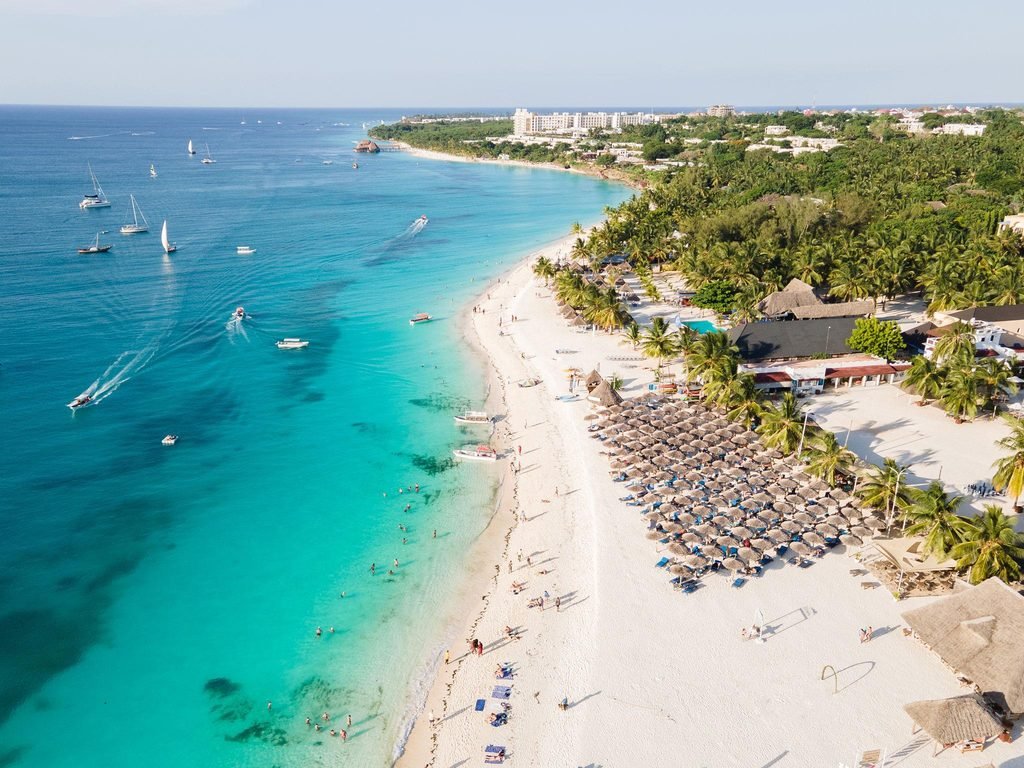
Zanzibar is one of the most popular extensions to a Tanzania safari. After several days of wildlife viewing, travelers can fly to the island and enjoy its beaches, historical attractions, and coastal atmosphere.
Popular activities include visiting Stone Town, relaxing on the beaches, snorkeling, and taking boat excursions where available. Accommodation ranges from affordable guesthouses to luxury beachfront resorts.
A safari and Zanzibar holiday can be arranged as one package, with domestic flights, airport transfers, accommodation, and selected activities included according to the quotation. Travelers should allow sufficient time for flight connections and avoid planning very tight transfers between the mainland and the island.
Combining a Tanzania Safari with Mount Kilimanjaro
Travelers who enjoy hiking can combine their safari with a Mount Kilimanjaro expedition. This is a popular choice for visitors who want to experience both Tanzania’s highest mountain and its famous wildlife destinations.
Kilimanjaro climbing itineraries commonly range from five to nine trekking days, depending on the selected route. Longer itineraries generally provide more time for acclimatization, which is particularly important because the mountain reaches 5,895 metres above sea level.
After completing the climb, travelers can continue to Tarangire, Serengeti, and Ngorongoro. However, adequate recovery time should be included, especially after a physically demanding summit attempt.
How to Choose the Right Tanzania Safari Company
Choosing a safari operator is an important part of planning your holiday. A good company should provide clear information about the itinerary, accommodation, transport, park fees, and payment arrangements before you confirm your booking.
An experienced driver-guide can make a significant difference to the safari experience. Guides help visitors understand animal behavior, identify wildlife, and explore suitable areas within the national parks. They also manage daily travel arrangements and explain the rules that protect both visitors and animals.
Before booking, ask for a detailed itinerary showing the number of nights in each destination. Check whether accommodation is inside or outside the parks, how much driving is required, and which services are included in the total price.
It is also sensible to review the company’s booking terms, cancellation conditions, and payment procedures. A clear written agreement helps avoid misunderstandings and allows travelers to prepare with confidence.
Frequently Asked Questions About Tanzania Safaris
1. What is the best time to visit Tanzania for a safari?
June to October is generally popular for wildlife viewing because conditions are often drier. However, Tanzania offers excellent safari opportunities throughout the year.
2. Which is the best national park in Tanzania?
The Serengeti is one of the most popular choices because of its wildlife diversity and the Great Migration. However, the best park depends on your interests.
3. How many days are enough for a Tanzania safari?
Five to seven days is a practical duration for visiting several northern Tanzania wildlife destinations.
4. Can I visit the Serengeti in three days?
Yes, although travel time should be considered carefully. Additional days provide more opportunities for wildlife viewing.
5. Is the Serengeti worth visiting?
Yes. The Serengeti is one of Africa’s major wildlife destinations and offers opportunities to observe a wide variety of animals.
6. When is the Great Wildebeest Migration?
The migration takes place throughout the year, with herds moving between different areas according to rainfall and grazing conditions.
7. When can I see the Mara River crossings?
River crossings are often associated with the northern migration season, particularly July to October, but their timing cannot be guaranteed.
8. When is the Serengeti calving season?
The main calving period generally occurs around January to March, with February often being a particularly important month.
9. Can I see the Big Five in Tanzania?
Tanzania is home to lions, leopards, elephants, buffaloes, and black rhinos. However, seeing all five animals during one safari is not guaranteed.
10. Is Ngorongoro Crater worth visiting?
Yes. Its varied habitats and wildlife concentrations make it one of northern Tanzania’s most popular safari attractions.
11. Is Tarangire good for elephants?
Yes. Tarangire is particularly well known for its elephants, especially during the dry season.
12. Is Lake Manyara worth visiting?
Yes. The park offers attractive scenery, forest habitats, birdlife, and opportunities to observe different wildlife species.
13. How much does a Tanzania safari cost?
Costs vary according to the duration, accommodation, season, and group size. Request a detailed quotation for accurate pricing.
14. Are budget safaris available in Tanzania?
Yes. Budget camping and group joining safaris are available through selected operators.
15. Is a private safari better than a group safari?
Private safaris offer greater flexibility, while group safaris can reduce shared costs. Both can provide excellent wildlife experiences.
16. Can children join a Tanzania safari?
Yes. Family safaris can be arranged, although itineraries should be suitable for the children’s ages and interests.
17. Do I need a visa to visit Tanzania?
Visa requirements depend on nationality. Check the official Tanzania immigration requirements before traveling.
18. Do I need travel insurance?
Travel insurance is strongly recommended, particularly for medical emergencies, cancellations, and other unexpected situations.
19. Can I combine a safari with Zanzibar?
Yes. Many travelers enjoy a wildlife safari followed by several days on Zanzibar’s beaches.
20. Can I combine a safari with Kilimanjaro climbing?
Yes. Kilimanjaro climbing and wildlife safaris can be organized as one holiday, allowing sufficient recovery time.
21. What should I wear on a Tanzania safari?
Comfortable lightweight clothing, neutral colors, a warm layer, and suitable sun protection are practical choices.
22. Are safari vehicles comfortable?
Most organized safaris use customized vehicles designed for wildlife viewing. The exact vehicle specifications should be confirmed with your operator.
23. Can I take photographs of wild animals?
Yes. Wildlife photography is one of the main safari activities, provided visitors follow park rules and avoid disturbing animals.
24. How early should I book a Tanzania safari for 2027?
Booking several months in advance is useful, especially for popular travel periods and accommodation in the Serengeti.
25. Can I book a Tanzania safari for 2028?
Yes. You can request a customized itinerary for 2028, although future prices and availability require confirmation.
Book Your Tanzania Safari for 2027 and 2028 with Eddy Tours & Safaris
Tanzania offers some of the most rewarding wildlife experiences in Africa. Whether you want to explore the Serengeti, descend into the Ngorongoro Crater, watch elephants in Tarangire, or enjoy a quieter safari in southern Tanzania, the country provides a wide range of destinations and travel options.
The best safari is not necessarily the longest or most expensive. A carefully planned itinerary that matches your interests, budget, and available time can provide an excellent experience. Choosing suitable accommodation, allowing enough time in the parks, and traveling with a knowledgeable guide are important parts of a successful holiday.
At Eddy Tours & Safaris, we organize Tanzania wildlife safaris for couples, families, friends, solo travelers, and private groups. Our team can help you plan a budget, mid-range, or luxury safari for 2027 or 2028, with accommodation and destinations selected according to your travel preferences.
You can also combine your wildlife holiday with Mount Kilimanjaro climbing or a Zanzibar beach extension.
Contact Eddy Tours & Safaris to plan your Tanzania safari.
Website: eddytours-safaris.com
Email: sales@eddytours-safaris.com
WhatsApp: +255 711 906 664
Tell us your preferred travel dates, number of travelers, accommodation category, and destinations you would like to visit. We will help you explore suitable safari arrangements and provide a detailed quotation.