

Tanzania Safari Parks Overview is the best place to start if you want to understand what truly makes Tanzania one of the most respected wildlife destinations in Africa and why the country remains a global reference point for conservation, protected area management and responsible nature-based tourism. From vast open plains to volcanic highlands and wetland systems, Tanzania’s park network protects some of the most biologically rich landscapes on the continent, while also supporting research, conservation funding and local community livelihoods.
This Tanzania Safari Parks Overview explains how the national park system works, why different parks protect different ecosystems, and how visitors can plan meaningful and ethical safaris without harming wildlife or fragile habitats. If you are planning your journey with a reliable local operator such as Eddy Tours & Safaris, this overview will help you match your expectations with the right park locations, travel routes and conservation priorities.
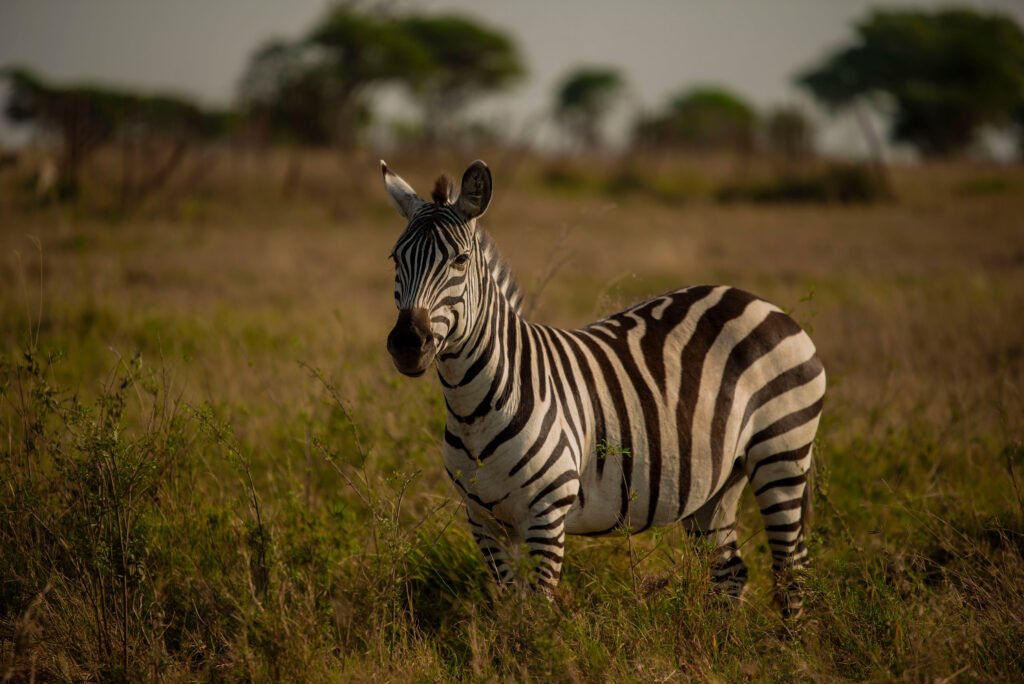
Tanzania Safari Parks Overview and the national conservation system
The foundation of any serious Tanzania Safari Parks Overview begins with understanding how protected areas are designed and managed. Tanzania’s parks are part of an international conservation framework supported by the International Union for Conservation of Nature and protected landscape standards recognized by UNESCO. These organizations promote science-based management that balances tourism, biodiversity protection and long-term ecosystem stability.
Environmental policy guidance provided by the United Nations Environment Programme and biodiversity assessment platforms such as IPBES help governments and conservation partners monitor wildlife trends, habitat change and ecosystem health across protected regions, including Tanzania’s most famous safari landscapes.
Tanzania Safari Parks Overview of wildlife diversity and ecological value
A complete Tanzania Safari Parks Overview must highlight the extraordinary biodiversity found inside these protected areas. Conservation organizations such as World Wide Fund for Nature, African Wildlife Foundation and Wildlife Conservation Society confirm that Tanzania protects some of the largest remaining populations of large mammals in East Africa.
Species protection initiatives led by Panthera focus on large carnivores, while bird conservation programs coordinated by BirdLife International highlight the global importance of Tanzanian wetlands, forests and grasslands for migratory and resident bird species.
Tanzania Safari Parks Overview of major park landscapes
Any meaningful Tanzania Safari Parks Overview shows that each park protects a different ecological zone. Open savannah systems, woodland mosaics, volcanic craters, montane forests and seasonal wetlands create unique wildlife patterns and visitor experiences. Scientific habitat mapping produced by the United States Geological Survey demonstrates how geological structure, soil types and rainfall influence vegetation distribution and animal movement.
Long-term ecological research supported by National Geographic Society helps explain predator–prey dynamics, migration routes and climate-driven changes across Tanzania’s protected landscapes.
Tanzania Safari Parks Overview and climate influence on wildlife viewing
The climate dimension is an essential part of every Tanzania Safari Parks Overview. Climate monitoring and environmental modeling by NASA Climate and scientific assessments from the Intergovernmental Panel on Climate Change show that rainfall timing, temperature variation and drought cycles strongly influence wildlife movement and habitat quality.
Environmental resilience studies coordinated by the Food and Agriculture Organization demonstrate how protected landscapes contribute to water regulation, soil protection and climate adaptation for surrounding communities and ecosystems.
Tanzania Safari Parks Overview and research-based conservation planning
Scientific collaboration is central to the credibility of a Tanzania Safari Parks Overview. Conservation research published through Nature Research and peer-reviewed field studies available via ScienceDirect help park authorities understand wildlife population trends, disease dynamics and habitat fragmentation risks.
Open-access biodiversity data platforms supported by the Global Biodiversity Information Facility allow scientists and conservation planners to share species records and improve management decisions across East Africa.
Tanzania Safari Parks Overview and sustainable tourism practices
A responsible Tanzania Safari Parks Overview must clearly explain how tourism can either protect or harm wildlife. Organizations such as Conservation International and environmental management programs supported by the World Bank Environment Program show that properly managed tourism finances conservation, ranger operations and community projects.
Environmental impact control and visitor management frameworks developed by the International Organization for Standardization promote structured service quality and environmental responsibility in nature-based tourism operations.
Tanzania Safari Parks Overview and community conservation benefits
Community involvement is a core pillar of a modern Tanzania Safari Parks Overview. Development and labour standards promoted by the International Labour Organization and social protection initiatives led by Oxfam International demonstrate that fair employment and community benefit-sharing improve conservation outcomes.
Local communities that benefit from tourism are more motivated to protect wildlife corridors, reduce illegal activities and support long-term park sustainability.
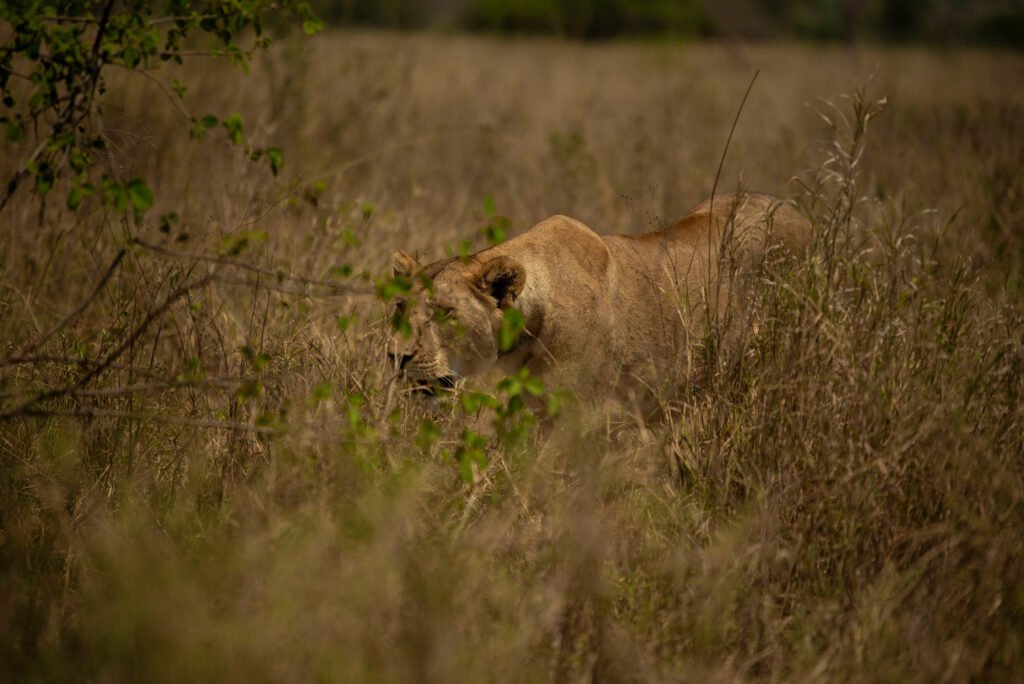
Tanzania Safari Parks Overview and visitor safety standards
Visitor safety is another important part of the Tanzania Safari Parks Overview. Health and travel guidance provided by the World Health Organization and emergency preparedness standards from the International Federation of Red Cross and Red Crescent Societies support park authorities and tour operators in risk management, emergency response and public health protection.
These standards guide professional safari operators in vehicle safety, medical readiness and communication systems across remote wildlife regions.
Tanzania Safari Parks Overview and ethical wildlife viewing
Ethical wildlife encounters form an essential part of any honest Tanzania Safari Parks Overview. Conservation education programs coordinated by Earthwatch Institute and wildlife behavior research promoted by Save the Rhino International emphasize respectful viewing distances and minimal disturbance to animals.
Professional safari operators train guides to interpret animal behavior responsibly and to avoid chasing wildlife or disrupting breeding and feeding activities.
Tanzania Safari Parks Overview and choosing the right park for your trip
Every traveler’s expectations are different, which is why a practical Tanzania Safari Parks Overview focuses on matching park characteristics with visitor interests. Some parks are best for wide open landscapes and large herds, others offer dense wildlife concentrations in compact areas, while some protect rare ecosystems and forest species that appeal to specialized wildlife enthusiasts.
If you want help selecting the right parks and travel routes, professionally designed programs are available through Tanzania safari itineraries that balance wildlife diversity, travel time and conservation values.
Tanzania Safari Parks Overview and combining parks with mountain and cultural travel
A flexible Tanzania Safari Parks Overview also considers how safari travel can be combined with mountain trekking and cultural experiences. Many visitors integrate wildlife safaris with climbing or hiking adventures and community visits to better understand Tanzania’s landscapes and people.
Travelers interested in combining safari and mountain experiences can explore responsible travel options through Kilimanjaro trekking programs designed to respect both natural ecosystems and local communities.
Tanzania Safari Parks Overview and transparent planning support
Planning a safari across multiple protected areas requires clear communication, realistic driving times and well-organized logistics. A reliable Tanzania Safari Parks Overview always encourages travelers to work with professional operators who understand park regulations, seasonal access conditions and conservation guidelines.
You can request personalized and transparent planning assistance through local safari planning support provided by experienced Tanzanian specialists who operate directly inside the destination.
Why Tanzania’s safari parks remain globally important
In summary, Tanzania Safari Parks Overview reveals why these protected landscapes continue to attract researchers, conservationists and responsible travelers from around the world. Strong ecological diversity, well-established conservation institutions and growing community partnerships make Tanzania one of Africa’s most important wildlife strongholds.
For visitors who care about wildlife protection, cultural respect and meaningful travel experiences, Tanzania’s park system offers far more than sightseeing. It provides an opportunity to directly support conservation science, habitat protection and community development while enjoying some of the most remarkable natural environments on Earth.