
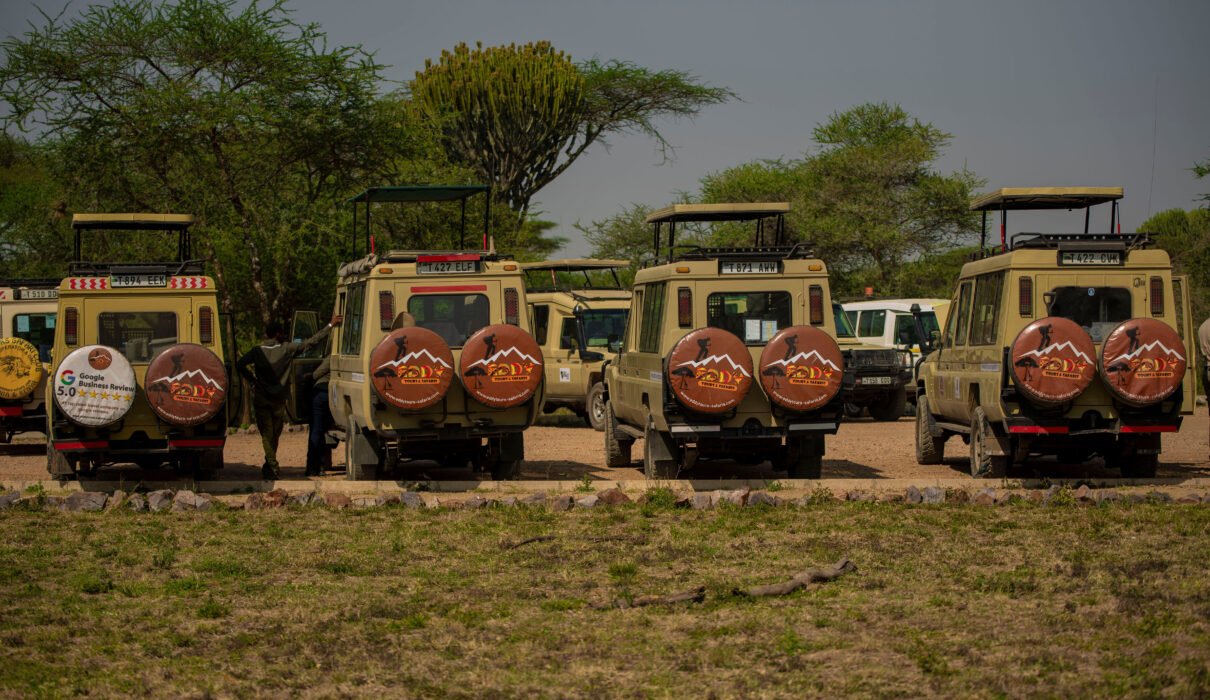
Tanzania Travel and Tourism News brings together the most important developments shaping wildlife protection, community-based tourism, safety standards, and responsible travel across the country, offering travellers clear and reliable insight into how Tanzania continues to grow as one of Africa’s most trusted and inspiring destinations for safaris and mountain adventures.
Behind every successful journey are quiet but meaningful changes taking place in conservation policy, community partnerships, park management, and visitor safety systems. These changes rarely appear in travel advertisements, yet they directly influence the quality of your safari experience, the wellbeing of local people, and the long-term protection of Tanzania’s extraordinary natural heritage.

Tanzania Travel and Tourism News and conservation progress across national parks
Across northern and southern Tanzania, conservation programmes continue to strengthen wildlife protection and ecosystem management. Global guidance from the International Union for Conservation of Nature supports park authorities in applying science-based conservation planning, while environmental coordination from the United Nations Environment Programme promotes sustainable land-use and tourism impact control across protected landscapes. Field research and wildlife monitoring supported by the Wildlife Conservation Society, habitat protection initiatives led by the African Wildlife Foundation, and ecosystem resilience programmes developed by Conservation International are helping maintain strong wildlife populations and stable habitats in key safari regions.
Specialised species protection work from BirdLife International and large carnivore research coordinated by Panthera continue to influence how tourism zones are managed near sensitive breeding and migration areas. Biodiversity data platforms operated by the Global Biodiversity Information Facility further strengthen research collaboration and long-term species monitoring throughout East Africa.
Tanzania Travel and Tourism News and climate awareness in travel operations
Environmental change is now one of the most discussed topics in the tourism sector, especially for destinations that depend directly on healthy ecosystems. Climate assessments published by the Intergovernmental Panel on Climate Change confirm that African ecosystems are particularly sensitive to warming and rainfall variability, while biodiversity risk evaluations coordinated by the Intergovernmental Science-Policy Platform on Biodiversity and Ecosystem Services underline the urgency of strengthening habitat protection in tourism-driven regions.
Forest conservation strategies promoted by the Center for International Forestry Research and landscape monitoring programmes managed by the UN Environment Programme World Conservation Monitoring Centre now play an increasing role in how tourism corridors and buffer zones are planned around national parks. For travellers, this means better-managed landscapes, improved visitor regulation, and stronger environmental protection systems that directly support long-term safari quality.
Tanzania Travel and Tourism News and community-based tourism growth
Tourism in Tanzania continues to expand its focus on community participation and local economic benefit. Development studies published by the World Bank demonstrate that well-structured tourism employment contributes directly to household stability in rural areas, while labour protection standards promoted by the International Labour Organization help strengthen fair working conditions across safari operations, guiding services, and mountain support teams.
Cultural preservation frameworks supported by UNESCO encourage respectful visitor engagement with local traditions and heritage sites, and social development research coordinated by the UN Department of Economic and Social Affairs highlights how community inclusion improves long-term destination resilience. Travellers who choose carefully designed programmes through Eddy Tours and Safaris official travel services directly support these community-driven models while enjoying authentic and meaningful cultural experiences.
Tanzania Travel and Tourism News and health and safety improvements for visitors
Visitor wellbeing remains a growing priority within the tourism industry. Health guidance published by the World Health Organization continues to inform medical preparedness for safari travel and high-altitude trekking, while food and supply chain safety frameworks developed by the Food and Agriculture Organization support improved hygiene practices in remote camps and lodges.
Environmental safety and disaster response principles promoted by the American Red Cross also guide emergency preparedness across field operations, particularly in mountain environments and wildlife areas. Guests preparing for Kilimanjaro or safari journeys frequently review detailed safety and route information through professional safari and Kilimanjaro planning support, helping them travel with greater confidence and realistic expectations.
Tanzania Travel and Tourism News and protected-area governance reforms
Protected area management remains central to Tanzania’s tourism success. Governance principles outlined by the Convention on Biological Diversity continue to influence park zoning, visitor regulation, and habitat restoration policies, while scientific publications available through ScienceDirect support evidence-based approaches to balancing tourism growth with ecological protection.
Habitat connectivity and ecosystem resilience strategies promoted by The Nature Conservancy further strengthen landscape-level conservation planning, helping ensure that wildlife movement corridors remain functional despite increasing human activity. These governance improvements directly benefit travellers by protecting scenic landscapes, reducing overcrowding in sensitive areas, and maintaining the natural behaviour of wildlife.
Tanzania Travel and Tourism News and responsible booking choices for travellers
Responsible tourism now plays a stronger role in travel decisions than ever before. Research from the Overseas Development Institute shows that ethical tourism models generate more stable local benefits than short-term mass tourism, especially in wildlife-dependent economies. Visitors who explore customised safari itineraries through tailor-made safari programmes in Tanzania increasingly request experiences that combine conservation learning, community visits, and responsible wildlife viewing.
Clear travel information, transparent pricing, and ethical guiding practices help guests build trust long before arrival. Many travellers now begin their journey planning by browsing trusted local operators such as locally operated Tanzania travel services, where itineraries are designed to support conservation initiatives and community partnerships rather than short-term profit alone.
Tanzania Travel and Tourism News and a positive future for visitors and communities
Looking ahead, tourism development in Tanzania continues to be shaped by scientific research, conservation leadership, and community collaboration. Wildlife research organisations such as the Wildlife Conservation Society and regional conservation partners including the African Wildlife Foundation continue to strengthen protection strategies across major ecosystems, while sustainable land-use and food security initiatives coordinated by the Food and Agriculture Organization support healthy communities living alongside protected areas.
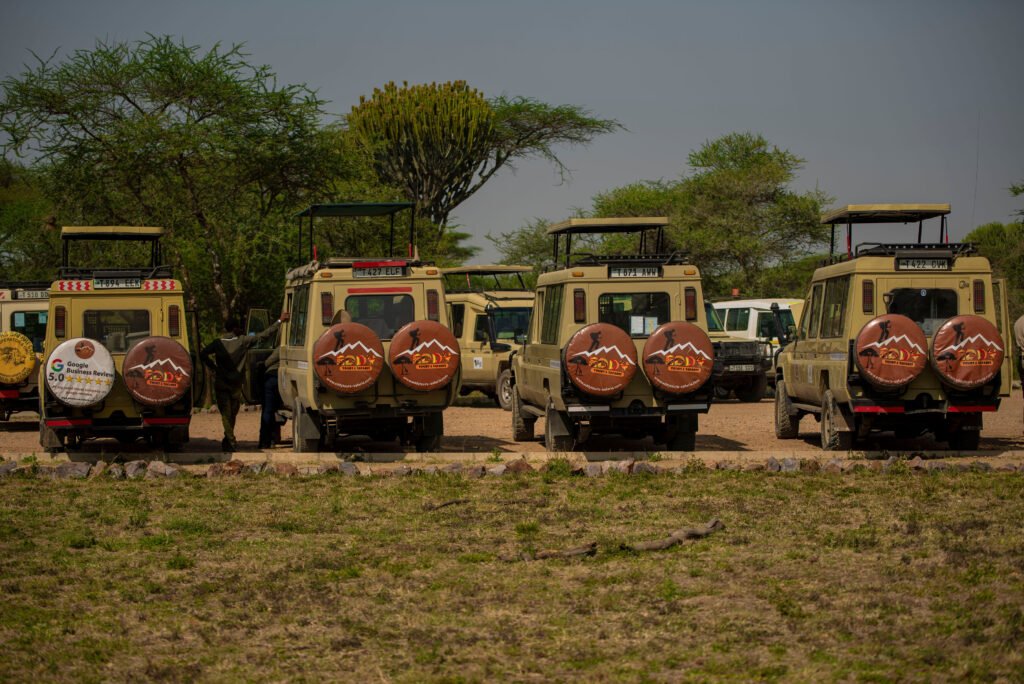
For travellers, these developments mean safer journeys, richer cultural interaction, better wildlife encounters, and the reassurance that their travel choices contribute to long-term conservation success. Tanzania Travel and Tourism News ultimately reflects a simple message – when visitors choose responsible operators, respect nature, and support community-based tourism, they become part of a much larger story of protection, opportunity, and shared future across Tanzania.