
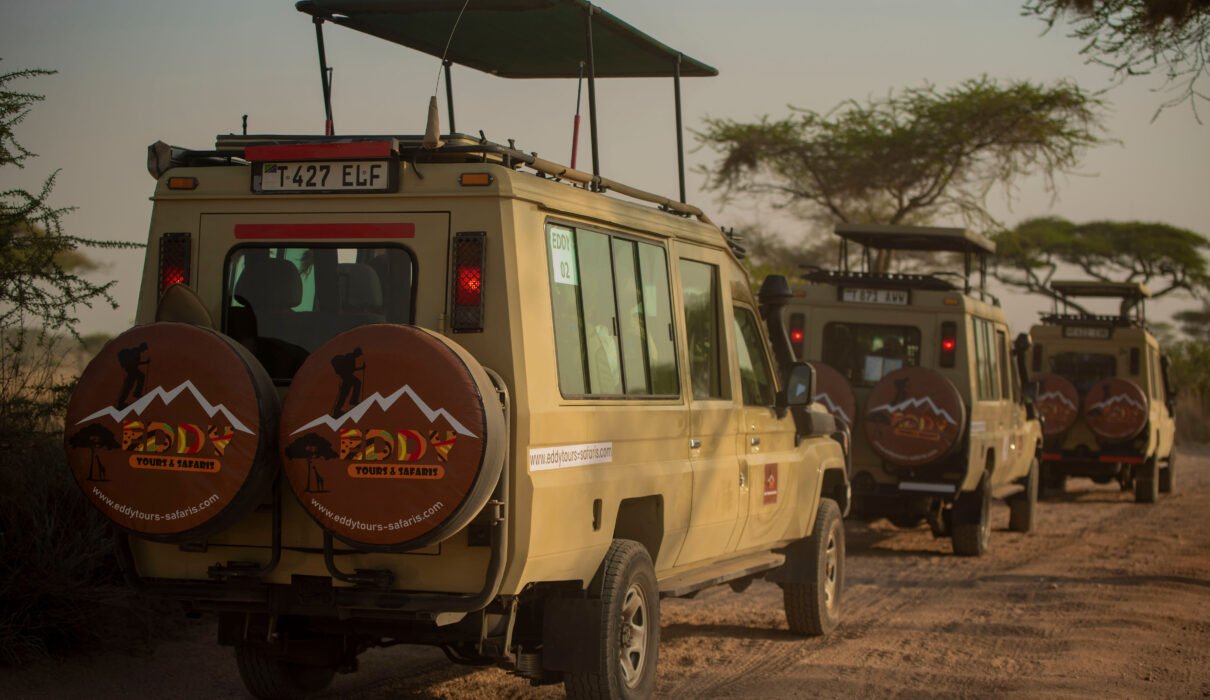
Tanzania Travel: Avoiding Tourist Traps is one of the most important topics for anyone planning a safari, cultural visit, or mountain adventure in East Africa, because small mistakes in planning can quietly turn a dream trip into an expensive and disappointing experience. Many visitors lose money, miss real wildlife moments, or unknowingly support harmful practices simply because they do not understand how tourism really works inside protected areas and local communities.
This practical guide explains how to recognize common tourist traps, how to protect yourself, and how to travel responsibly while still enjoying Tanzania’s world-class landscapes and wildlife. The advice is based on global conservation standards, research institutions and ethical travel frameworks, and it is written to help you make better decisions when choosing guides, transport, activities and accommodation. Travelers who plan with experienced local professionals such as Eddy Tours & Safaris often avoid these problems from the very beginning.
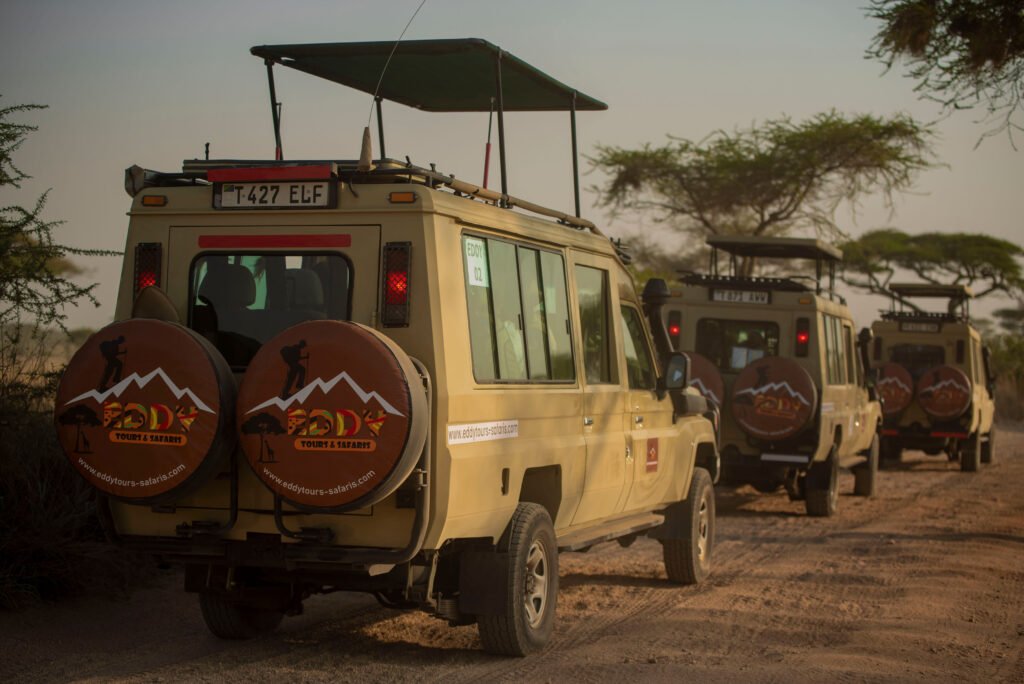
Tanzania Travel: Avoiding Tourist Traps by choosing legal and ethical operators
The first and most powerful step in Tanzania Travel: Avoiding Tourist Traps is understanding whether the company you book with is operating legally and ethically inside protected areas. Tanzania’s national parks and wildlife corridors are part of globally significant conservation systems supported by organizations such as the International Union for Conservation of Nature and the UNESCO World Heritage programme. These institutions promote strict management rules to protect ecosystems, wildlife behaviour and visitor safety.
Operators who ignore park regulations, drive off designated tracks or promise unrealistic animal encounters directly damage fragile habitats. Global environmental policy frameworks promoted by the United Nations Environment Programme and biodiversity governance supported by the Intergovernmental Science-Policy Platform on Biodiversity and Ecosystem Services clearly show that responsible tourism must operate within scientific and legal limits.
Tanzania Travel: Avoiding Tourist Traps linked to wildlife exploitation
Another major risk in Tanzania Travel: Avoiding Tourist Traps involves activities that quietly exploit wildlife. Conservation organisations such as the World Wide Fund for Nature, the African Wildlife Foundation and the Wildlife Conservation Society consistently explain how close animal interactions, feeding wildlife or forcing animals into view causes long-term stress and disrupts natural behaviour.
Ethical safari operations follow viewing distance rules and respect breeding and hunting activities. When visitors unknowingly support irresponsible operators, tourism becomes part of the problem rather than part of the solution.
Tanzania Travel: Avoiding Tourist Traps by understanding real conservation goals
Many travelers misunderstand what conservation tourism truly means, which makes Tanzania Travel: Avoiding Tourist Traps even more important. Organisations such as Conservation International and the National Geographic Society highlight that protected landscapes depend on controlled visitor movement, community partnerships and long-term ecological planning.
Environmental monitoring programmes coordinated by the United States Geological Survey and land-use research promoted by the Food and Agriculture Organization show how poorly managed tourism increases erosion, water contamination and habitat fragmentation.
Tanzania Travel: Avoiding Tourist Traps and misleading cultural visits
Cultural tourism can become a serious trap if it is poorly managed. In the context of Tanzania Travel: Avoiding Tourist Traps, organizations such as UNESCO and social research institutions including Harvard University research programmes emphasize that authentic cultural exchange must be community-led and respectful.
Some visits are arranged without community consent, fair compensation or cultural sensitivity. Responsible operators prepare visitors properly, explain appropriate behaviour and ensure that communities benefit directly and fairly from tourism activities.
Tanzania Travel: Avoiding Tourist Traps through guide professionalism
Guide quality is one of the strongest indicators in Tanzania Travel: Avoiding Tourist Traps. Scientific communication and wildlife interpretation standards promoted by BirdLife International and research initiatives supported by Panthera show how knowledgeable guides help protect wildlife by educating visitors about behaviour, migration and habitat pressures.
Untrained guides often focus only on quick sightings and tips, while professional guides explain ecological relationships and help visitors understand conservation challenges facing Tanzania’s protected areas.
Tanzania Travel: Avoiding Tourist Traps and personal safety risks
Health and safety are also part of Tanzania Travel: Avoiding Tourist Traps. International travel health guidance from the World Health Organization and emergency preparedness standards promoted by the International Federation of Red Cross and Red Crescent Societies stress the importance of trained staff, communication equipment and emergency procedures in remote environments.
Tour operators should apply risk-management approaches aligned with the World Bank Disaster Risk Management programme, including vehicle safety, driver training and evacuation planning.
Tanzania Travel: Avoiding Tourist Traps created by climate and environmental ignorance
A growing challenge in Tanzania Travel: Avoiding Tourist Traps is the impact of climate change on wildlife movement and infrastructure. Climate research published by NASA Climate and assessments by the Intergovernmental Panel on Climate Change demonstrate that rainfall shifts and temperature extremes affect water availability, grazing areas and road access.
Responsible operators adapt routes and schedules to reduce environmental pressure and ensure visitor safety, while poorly prepared operators continue to sell unrealistic programmes that ignore environmental conditions.
Tanzania Travel: Avoiding Tourist Traps and financial transparency
Hidden charges and unclear pricing remain common traps, making Tanzania Travel: Avoiding Tourist Traps a financial as well as ethical concern. Governance and accountability research promoted by Transparency International highlights how clear contracts, open pricing and honest communication protect consumers and service providers.
Professional operators clearly explain park fees, conservation contributions, accommodation standards and optional activities before arrival.
Tanzania Travel: Avoiding Tourist Traps and community welfare
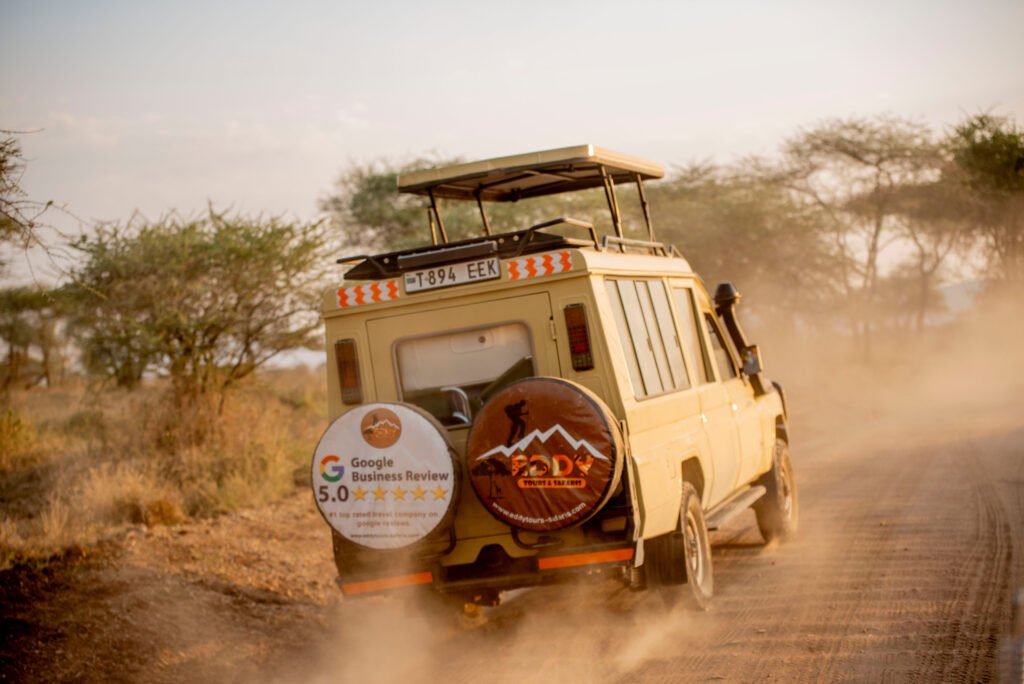
Community impact is a central pillar of Tanzania Travel: Avoiding Tourist Traps. Labour standards promoted by the International Labour Organization and community development initiatives supported by Oxfam International show that fair employment and safe working conditions strengthen conservation partnerships.
Tourism that supports local livelihoods creates strong incentives for wildlife protection and long-term land stewardship.
Tanzania Travel: Avoiding Tourist Traps and scientific credibility
Scientific collaboration is often overlooked in Tanzania Travel: Avoiding Tourist Traps. Biodiversity research published through Nature Research and ecological field studies available via ScienceDirect rely on controlled access to protected areas and accurate interpretation of wildlife observations.
Tour operators who respect research activities help maintain long-term monitoring of animal populations and ecosystem health.
Tanzania Travel: Avoiding Tourist Traps by choosing the right travel structure
Many travelers fall into rushed itineraries that reduce enjoyment and increase fatigue. In practical terms, Tanzania Travel: Avoiding Tourist Traps means allowing realistic driving distances, proper rest time and meaningful wildlife observation periods.
You can explore professionally structured journeys through Tanzania safari programmes that prioritize wildlife protection, visitor comfort and responsible pacing.
Tanzania Travel: Avoiding Tourist Traps in adventure and mountain travel
For travelers combining safari with mountain activities, Tanzania Travel: Avoiding Tourist Traps also applies to trekking and adventure tourism. Responsible outdoor operations follow international safety and environmental standards.
High-altitude or trekking programmes should be designed through experienced professionals such as Kilimanjaro climbing specialists who integrate medical screening, acclimatization schedules and environmental protection practices.
Tanzania Travel: Avoiding Tourist Traps through local expertise
One of the simplest ways to practice Tanzania Travel: Avoiding Tourist Traps is working directly with knowledgeable local professionals instead of distant resellers. Local teams understand wildlife movement, seasonal road conditions and park regulations far better than overseas agents.
Personal consultation with experienced local planners is available through local travel experts, allowing you to design a journey that fits your expectations, budget and ethical values.
Plan your journey wisely and protect what makes Tanzania special
At its heart, Tanzania Travel: Avoiding Tourist Traps is about protecting your experience, protecting wildlife and respecting the people who live alongside these extraordinary landscapes. Responsible travel creates lasting memories while supporting conservation and community well-being.
If you want a smooth, honest and professionally guided journey, you can also explore verified local services through trusted Tanzanian travel specialists who operate with transparency, conservation awareness and strong local partnerships.