
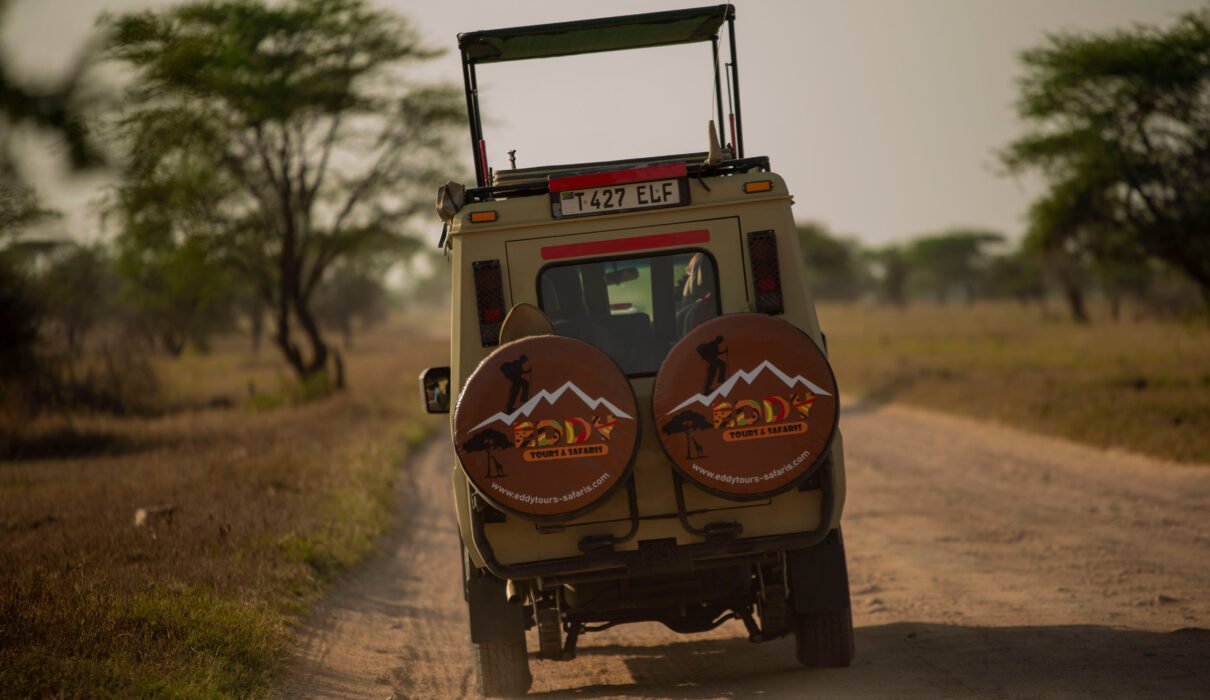
Tanzania Travel Safety : may include wildlife drives, mountain trekking, busy towns and time beside the ocean. Each setting brings different practical considerations, so useful preparation should match the journey you are actually taking.
Travel safety is not about expecting every part of the trip to go wrong. It is about making clear arrangements, understanding relevant requirements and knowing what to do when circumstances change.
These Tanzania travel safety tips from Eddy Tours & Safaris cover ten areas worth reviewing before departure and during your stay. They apply differently to a short safari, a Kilimanjaro expedition and a Zanzibar holiday.
Entry requirements, health guidance and regional advisories can change. Use the official links throughout this article to check information again close to departure.
1. Check Official Advice for Your Exact Route
Avoid treating Tanzania as one uniform travel environment.
A northern safari itinerary, a coastal holiday and travel near an international border require different assessments. Read your government’s current advice and compare it with your proposed destinations.
For example, the UK’s Tanzania travel advice includes regional warnings. Its safety guidance also advises avoiding demonstrations and monitoring local developments. Check the current geographical scope rather than assuming a warning applies equally everywhere.
Ask your operator whether local conditions affect transfers or planned activities. Subscribe to official updates where available.
If disruption occurs, follow local instructions and avoid approaching crowds to observe or photograph events.
Practical action: Review advice when booking and again shortly before travelling. Keep important telephone numbers available offline in case communications are interrupted.
2. Confirm Your Entry Documents Before Booking Final Arrangements
Visa requirements depend on nationality and circumstances. Advice given to another traveller may not apply to you.
Use the Tanzania Immigration Department and the relevant Tanzanian embassy or high commission to confirm the requirements for your passport and purpose of travel.
Check passport validity, blank pages, visa category and any supporting documents requested. Do not assume every nationality can use the same application process or obtain a visa on arrival.
Allow time for the applicable procedure before committing to non-refundable arrangements.
Keep copies of your passport identification page, visa and booking documents. Store them securely and make sure you can retrieve the originals when required.
Practical action: Prepare a document checklist for every member of the group, including children. Check names carefully against flight bookings and other reservations.
3. Arrange Health Advice for the Actual Itinerary
Book a travel-health consultation with enough time to complete any recommended preparation.
Explain where you will go, how long you will stay and whether you plan to climb Kilimanjaro or travel in remote areas.
The CDC recommends prescription malaria prevention for travellers visiting relevant areas of Tanzania. The appropriate medicine and timing should be discussed with a clinician. Its Tanzania destination page also provides vaccination and other health information.
Do not assume that yellow fever vaccination is required for every visitor. Entry requirements and clinical recommendations are separate matters, and your origin and transit itinerary can affect the assessment.
Use insect repellent and suitable clothing as advised, and ask about protection at your accommodation.
Practical action: Carry your usual medication with appropriate documentation and discuss what to do if you become unwell during or after the trip.
4. Choose Insurance That Covers Your Activities
Insurance should fit the itinerary, not simply the destination name.
Check medical treatment, evacuation, cancellation, luggage and any relevant existing conditions. Read exclusions and contact the insurer where wording is unclear.
For Kilimanjaro, confirm cover for the summit elevation and the specific trekking activity. For diving or other specialist activities, check those separately.
Visitors to Zanzibar should also check its mandatory inbound insurance requirements. The official Visit Zanzibar website links to the required insurance arrangements. Do not assume your existing policy automatically replaces this requirement.
Mandatory destination cover should still be reviewed alongside your broader travel policy. Compare benefits and exclusions rather than assuming they are identical.
Practical action: Save policy numbers, emergency assistance contacts and claim instructions offline. Make sure a travelling companion knows where to find them.
5. Use Clearly Arranged Transport
A transfer should have an agreed provider, pickup location and price.
For airport arrivals, request meeting instructions and a contact number in advance. If someone approaches claiming to be your driver, verify the arrangement rather than following them solely because they know the hotel name.
Use an established transport service and confirm the total fare before departure where it is not prepaid.
Wear a seat belt where provided and speak up if driving makes you uncomfortable. Do not encourage a driver to hurry because your itinerary is running late.
For longer transfers, favour practical schedules that reduce unnecessary night driving. The UK’s Tanzania safety guidance advises avoiding driving outside major towns and cities at night.
Practical action: Build realistic transfer time into the itinerary, including arrival procedures and possible delays. Check aviation advisories if booking domestic flights.
6. Protect Valuables and Verify Payments
Carry only the cash and valuables needed for the activity.
Avoid displaying expensive jewellery or leaving a phone, camera or bag unattended. Use secure accommodation storage where available and appropriate.
Choose ATMs carefully, preferably in secure locations, and protect your PIN. Do not accept unsolicited assistance with a transaction.
When paying for a tour, verify the business identity, quotation and payment instructions. If bank details change unexpectedly, confirm them through a contact channel you already trust.
Keep receipts and written confirmations. Agree on prices before accepting services, rather than relying on an informal explanation afterwards.
If a crime occurs, prioritise personal safety rather than confronting the person involved. Contact local authorities, your operator, insurer or consular service as appropriate.
Practical action: Separate essential documents, cards and funds so losing one item does not remove every means of accessing them.
7. Follow Wildlife and Camp Instructions
Wild animals do not become predictable because they are frequently photographed.
During a safari, stay within authorised areas and follow the guide’s instructions about remaining in the vehicle. A designated stop or guided walk is different from stepping out beside a sighting.
Do not feed animals, call them closer or ask the driver to block their movement for a photograph.
TANAPA’s Serengeti visitor guide instructs visitors to respect park rules, remain in designated areas and follow ranger guidance.
At camp, ask about movement after dark and whether an escort is required. Follow food-storage instructions and supervise children closely.
Practical action: Listen to the briefing even if you have been on safari before. Arrangements can differ between properties and activities.
8. Treat Mountain and Water Activities Separately
A good general holiday plan does not automatically cover the demands of every excursion.
For Kilimanjaro, review the ascent schedule, equipment and guiding arrangements. Report symptoms promptly rather than hiding them to preserve a summit attempt.
The CDC advises against further ascent with altitude illness symptoms. Worsening illness requires descent; confusion, difficulty walking or breathlessness at rest require urgent attention. See its high-altitude travel guidance.
For boat trips, ask about the provider, weather decisions, passenger arrangements and suitable life jackets. For swimming, check local conditions and supervision rather than assuming clear water is safe.
Never feel obliged to participate because the activity is prepaid.
Practical action: Ask what preparation and cancellation arrangements apply to each activity, and keep an alternative available where possible.
9. Respect Local Laws, Customs and Photography Restrictions
Understand the rules that apply to visitors rather than assuming familiar practices from home are accepted.
Dress appropriately for towns and religious sites. Beach clothing may be suitable at a resort but inappropriate elsewhere.
Ask permission before photographing people, and follow restrictions at official or sensitive locations. Do not assume a public setting makes every photograph permissible.
Check rules for drones before bringing or using one. Park permission and aviation requirements may both be relevant.
Some travellers face additional legal considerations. For example, UK guidance notes that same-sex sexual activity is illegal in Tanzania, including Zanzibar. Travellers should review the implications in current official advice.
Practical action: Read the laws-and-customs section of your government’s advice and ask locally when an activity or location is unclear.
10. Keep an Emergency and Communication Plan
Save the contact details for your accommodation, operator, insurer, airline and embassy or consulate.
Keep an offline copy as well as a phone contact list. A flat battery, lost device or network interruption can make online information unavailable.
Share the itinerary with a trusted person at home and agree on reasonable check-ins. Explain when you expect limited connectivity, particularly during a mountain climb or remote safari.
If you need assistance, give precise information: your location, what happened, who is affected and the number where you can be reached.
Ask your operator how communication works during the trip. Emergency arrangements should be understood before an incident.
Practical action: Carry a charged phone, suitable charging equipment and essential written details. Do not rely entirely on one device or mobile connection.
A Tanzania Travel Safety Checklist
| Before departure | During the trip |
|---|---|
| Review current regional advice | Follow local instructions and avoid demonstrations |
| Confirm entry requirements | Keep document copies accessible |
| Obtain itinerary-specific health advice | Use recommended health precautions |
| Check activity and evacuation insurance | Know how to contact assistance |
| Confirm transport arrangements | Verify the provider and use seat belts |
| Review payment instructions | Keep valuables discreet and retain receipts |
| Understand excursion requirements | Decline activities that do not feel appropriate |
| Save emergency contacts offline | Communicate changes to your plans |
The checklist supports preparation, but it cannot predict every situation. Remain adaptable and ask for help early.
Travelling With Children or Independently
Families should explain children’s ages, health needs and activity experience when planning.
Confirm suitable transport restraints, room arrangements and the demands of excursions. Keep children within close supervision around wildlife, pools and the ocean.
Independent travellers should arrange arrivals carefully, particularly after dark. Ask accommodation staff about suitable transport and routes, and avoid accepting unfamiliar invitations without checking the circumstances.
For any traveller, alcohol can affect judgement. Keep control of your drink and maintain a workable return plan.
These are practical habits rather than a reason to avoid interaction. Clear arrangements leave more room to enjoy the trip.
Choosing a Tanzania Tour Operator
Ask for a written itinerary, identified accommodation and clear inclusions.
Verify who provides transport and guiding, especially when booking through an intermediary. Review relevant registration and licensing details and understand the payment and cancellation terms.
For activities requiring specialist support, ask about qualifications and procedures specific to that activity.
Good communication before departure should include limitations as well as possibilities. No operator can guarantee wildlife sightings, perfect weather or a completely risk-free holiday.
Frequently Asked Questions
Is Tanzania safe for tourists?
Conditions differ by location, activity and current events. Review official advice for your route and organise the trip with suitable precautions rather than relying on a blanket answer.
Do all visitors need malaria medication?
That requires an itinerary-specific clinical assessment. Consult a qualified healthcare professional using current destination guidance.
Is yellow fever vaccination required for everyone?
No universal answer applies. Check requirements for your nationality, departure country and transit itinerary, alongside medical advice.
Is Zanzibar insurance the same as my existing travel policy?
Not necessarily. Check the mandatory inbound requirement and compare its cover with your own policy.
Can I walk around independently?
Ask for current local advice about routes, timing and transport. Avoid assuming every area is equally suitable, especially after dark.
Is ordinary insurance enough for Kilimanjaro?
Do not assume so. Confirm the activity, maximum elevation, medical cover and evacuation arrangements explicitly.
Plan Your Tanzania Trip With Eddy Tours & Safaris
A well-prepared trip begins with an itinerary you understand, clear service arrangements and current information.
Contact Eddy Tours & Safaris with your travel dates, group size, destinations and planned activities. Request a detailed proposal and ask about transfers, guiding and practical preparation.
Website: eddytours-safaris.com
Email: eddytoursandsafaris@gmail.com
Sales enquiries: sales@eddytours-safaris.com
Phone and WhatsApp: +255 711 906 664