
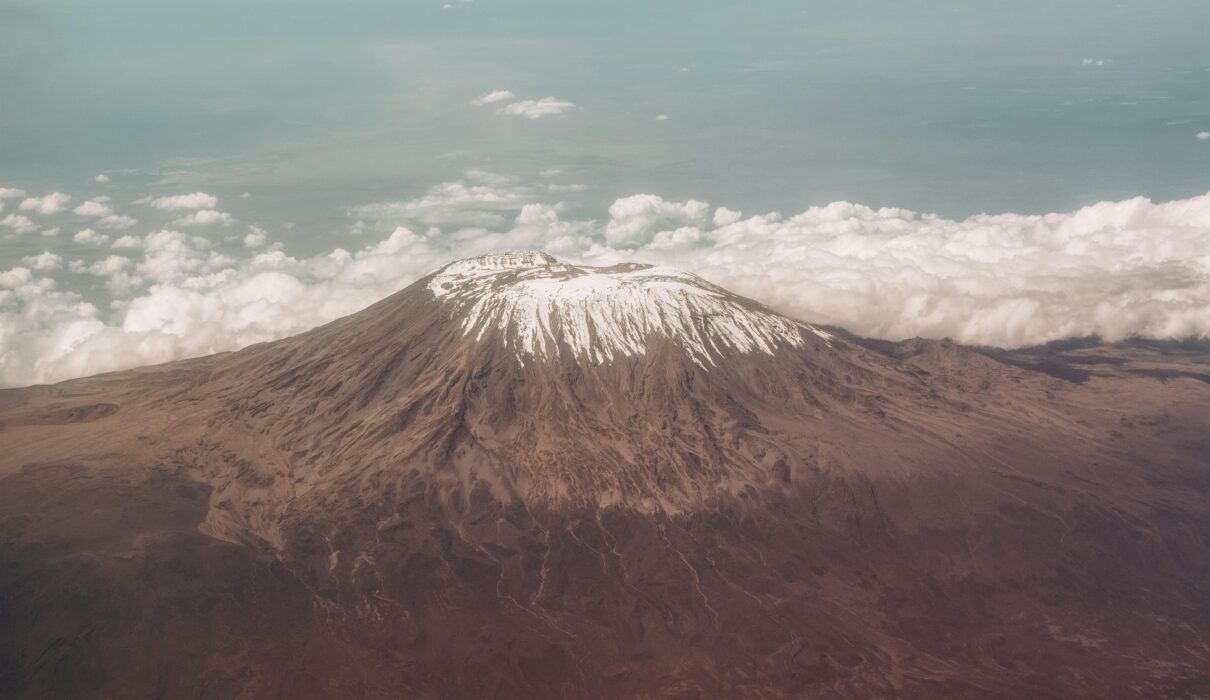
Tanzania’s Volcanoes: A Cultural Perspective is not only about geology or dramatic landscapes. It is about how people have lived with fire mountains, craters and lava fields for generations, and how these places still guide spiritual life, identity and daily decisions for communities living near them. Across northern Tanzania, volcanoes are seen as guardians, teachers and symbols of balance between humans and nature.
This article explores Tanzania’s volcanic landscapes through culture, history and local belief systems, while connecting these traditions to modern conservation and responsible travel. If you are planning a meaningful journey with a trusted local operator such as Eddy Tours & Safaris, understanding the cultural depth of these landscapes adds real value to your experience beyond wildlife viewing.
Tanzania’s Volcanoes: A Cultural Perspective and the meaning of sacred mountains
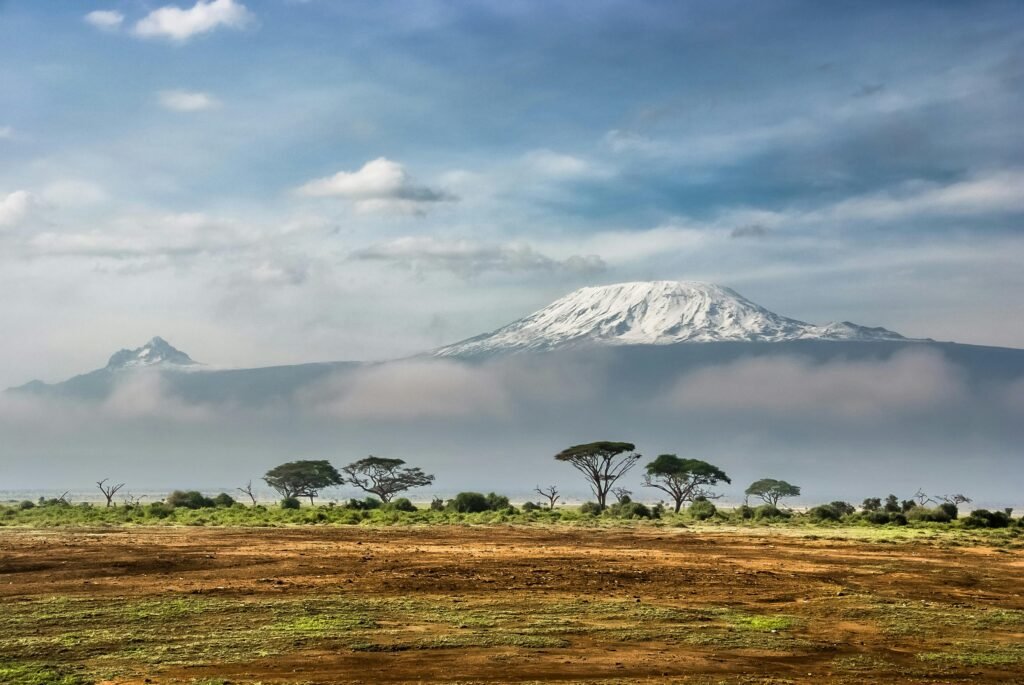
When we speak about Tanzania’s Volcanoes: A Cultural Perspective, the first idea shared by many elders is that mountains are not empty land. They are living spaces where ancestors, spirits and nature meet. Cultural heritage frameworks supported by UNESCO explain that sacred landscapes play an important role in shaping community identity and traditional governance systems.
In northern Tanzania, volcanic mountains such as Mount Meru, Kilimanjaro and Ol Doinyo Lengai are deeply woven into oral traditions. Research and heritage documentation supported by the British Museum and academic cultural studies promoted by the Smithsonian Institution show that spiritual narratives are often used to protect sensitive environments long before formal conservation policies existed.
Tanzania’s Volcanoes: A Cultural Perspective and Ol Doinyo Lengai
One of the strongest examples of Tanzania’s Volcanoes: A Cultural Perspective is Ol Doinyo Lengai, known among the Maasai as the Mountain of God. The mountain is central to prayer, blessing ceremonies and seasonal rituals. Cultural landscape research supported by the International Union for Conservation of Nature highlights how sacred sites often become natural conservation zones through cultural respect rather than legal enforcement.
Volcanic studies provided by the United States Geological Survey and environmental documentation by the National Geographic Society explain the rare carbonatite lava of Ol Doinyo Lengai. For local communities, however, scientific explanation does not replace spiritual meaning. Both knowledge systems exist together and strengthen respect for the mountain.
Tanzania’s Volcanoes: A Cultural Perspective and Maasai cultural identity
The heart of Tanzania’s Volcanoes: A Cultural Perspective is strongly linked to Maasai cultural identity. Traditional belief systems recognise volcanic mountains as centres of rain, pasture renewal and social harmony. Cultural sustainability research supported by Oxfam International shows how cultural heritage strengthens resilience in rural communities facing environmental change.
Community-based conservation studies promoted by the African Wildlife Foundation and the Wildlife Conservation Society demonstrate that cultural respect is essential when managing landscapes where people and wildlife share space. Cultural values help guide grazing patterns and seasonal movement in volcanic rangelands.
Tanzania’s Volcanoes: A Cultural Perspective and Mount Kilimanjaro traditions
Another important chapter of Tanzania’s Volcanoes: A Cultural Perspective comes from the slopes of Mount Kilimanjaro. Among Chagga communities, volcanic soils are seen as blessings that support banana and coffee farming. Agricultural research supported by the Food and Agriculture Organization confirms that volcanic soils are among the most fertile in East Africa.
Environmental governance studies published by the United Nations Environment Programme and biodiversity assessments coordinated by IPBES also recognise the role of traditional land management in protecting fragile mountain ecosystems. Cultural farming systems contribute to forest protection and water security on Kilimanjaro’s slopes.
Travelers who explore the cultural side of Kilimanjaro with Kilimanjaro climbing programs often discover that the mountain is not only a summit destination, but a living cultural landscape.
Tanzania’s Volcanoes: A Cultural Perspective and Ngorongoro Crater communities
Understanding Tanzania’s Volcanoes: A Cultural Perspective also requires looking inside the Ngorongoro volcanic system. The crater is one of the world’s most famous calderas, but it is also home to pastoral communities whose traditions are closely connected to the land. Cultural and social research supported by World Bank Social Development explains how community participation strengthens protected area governance.
Long-term conservation research conducted with support from World Wide Fund for Nature and habitat monitoring projects coordinated by Conservation International demonstrate that respecting cultural land-use practices can improve biodiversity protection inside volcanic landscapes.
Tanzania’s Volcanoes: A Cultural Perspective and Mount Meru traditions
Mount Meru is another powerful symbol within Tanzania’s Volcanoes: A Cultural Perspective. For communities around Arusha, the mountain is associated with protection, fertility and continuity of life. Cultural landscape research published through Nature Research and regional studies accessible via ScienceDirect describe how volcanic mountains influence settlement patterns and ritual locations.
Ecological research institutions such as the BirdLife International also highlight how sacred forest patches on volcanic slopes serve as important refuges for endemic bird species and pollinators.
Tanzania’s Volcanoes: A Cultural Perspective and oral history
Oral storytelling remains central to Tanzania’s Volcanoes: A Cultural Perspective. Elders pass down knowledge about eruptions, droughts and migrations through songs and narratives. Cultural documentation supported by UNESCO Intangible Cultural Heritage shows how oral traditions preserve historical memory in communities with limited written records.
Anthropological research promoted by the South African History Online and African cultural studies networks demonstrates that oral histories also function as environmental education, guiding younger generations on how to live responsibly in sensitive volcanic landscapes.
Tanzania’s Volcanoes: A Cultural Perspective and climate change challenges
Today, Tanzania’s Volcanoes: A Cultural Perspective must also consider climate change. Rainfall variability and shifting grazing seasons affect both wildlife and cultural practices. Climate research provided by NASA Climate and global assessments from the Intergovernmental Panel on Climate Change show increasing pressure on mountain ecosystems.
Community adaptation research supported by the International Food Policy Research Institute demonstrates how traditional knowledge helps communities adjust farming and grazing practices in volcanic regions affected by changing weather patterns.
Tanzania’s Volcanoes: A Cultural Perspective and education for future generations
Education plays a key role in protecting the values behind Tanzania’s Volcanoes: A Cultural Perspective. Environmental education frameworks promoted by the Global Partnership for Education and cultural heritage learning programs supported by United Nations Academic Impact encourage schools to integrate local landscapes into teaching.
Young people who learn both scientific and cultural knowledge develop stronger attachment to their land and become future custodians of volcanic ecosystems.
Tanzania’s Volcanoes: A Cultural Perspective and responsible travel
For visitors, experiencing Tanzania’s Volcanoes: A Cultural Perspective means travelling with humility and respect. Cultural tourism guidelines promoted by Responsible Tourism Partnership and sustainable destination research supported by the United Nations Sustainable Development Goals emphasize that respectful visitor behaviour protects cultural dignity and environmental balance.
When you explore volcanic landscapes through Tanzania safari programs, you have the opportunity to engage with communities, local guides and cultural stories that bring meaning to the scenery you see.
Tanzania’s Volcanoes: A Cultural Perspective and community livelihoods
Livelihoods are deeply connected to Tanzania’s Volcanoes: A Cultural Perspective. From farming to livestock herding and cultural guiding, volcanic landscapes support thousands of households. Labour and social protection research published by the International Labour Organization highlights how ethical tourism and cultural enterprises create safer income opportunities in rural areas.
Visitors who choose culturally responsible travel options support local economies and strengthen the long-term protection of sacred landscapes.
Tanzania’s Volcanoes: A Cultural Perspective and your journey
Your personal experience of Tanzania’s Volcanoes: A Cultural Perspective becomes more meaningful when you understand the stories behind the land. Volcanic craters, lava flows and mountain ridges are not only natural wonders. They are living classrooms of history, belief and resilience.
If you would like to explore Tanzania’s volcanic landscapes in a respectful and well-organised way, you can speak directly with local specialists through personal travel consultation. Responsible planning ensures that your visit supports both cultural heritage and environmental protection.
By choosing experiences designed and guided by local professionals, you become part of a journey that respects people, protects nature and celebrates the cultural soul of Tanzania’s volcanic landscapes.