
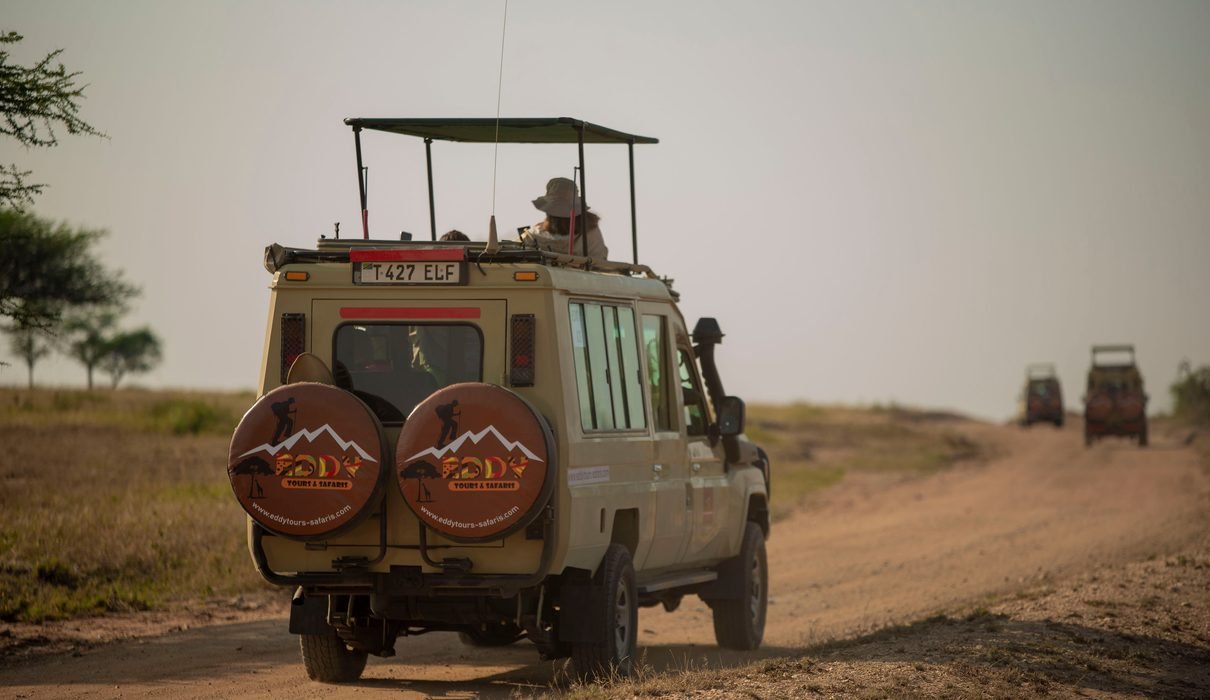
A Tarangire safari is one of the best ways to experience Tanzania’s wildlife, especially if you love elephants, beautiful landscapes and peaceful game drives. Located in northern Tanzania, Tarangire National Park is famous for its large elephant herds, ancient baobab trees and the Tarangire River, which attracts many animals during the dry season. Whether you are visiting Tanzania for the first time or returning for another safari, Tarangire offers a wonderful opportunity to see wildlife in its natural habitat.
Unlike some of Tanzania’s larger and busier safari destinations, Tarangire has a relaxed atmosphere that makes it particularly appealing to travelers who enjoy watching animals without rushing from one sighting to another. You might spend time observing elephants moving through the woodland, giraffes feeding on acacia trees or zebras gathering near a water source. Every game drive is different, and the changing seasons create new opportunities for wildlife viewing and photography.
Tarangire is also one of the most convenient national parks to visit from Arusha. It can be explored on a day trip, included in a short two- or three-day safari or combined with the Serengeti and Ngorongoro Crater on a longer northern Tanzania itinerary. This flexibility makes it a good choice for families, couples, photographers and travelers who have limited time.
At Eddy Tours & Safaris, we help visitors plan private and customized Tanzania safaris, including trips to Tarangire National Park. This guide explains what makes Tarangire special, which animals you may see, the best months to visit, how much time to spend in the park and what to consider before booking your safari.
Tarangire National Park at a Glance
| Safari information | Details |
|---|---|
| Destination | Tarangire National Park, Tanzania |
| Location | Northern Tanzania |
| Park size | Approximately 2,850 square kilometres |
| Famous for | Large elephant herds and baobab trees |
| Main water source | Tarangire River |
| Best general wildlife viewing | June to October, often extending into November |
| Birdwatching | More than 550 recorded bird species |
| Typical drive from Arusha | Approximately 2.5–3 hours, depending on conditions |
| Recommended visit | 1–3 days |
| Safari activities | Game drives, photography, birdwatching and authorized guided activities |
| Accommodation | Lodges, tented camps and camping options |
| Suitable for | Families, couples, groups and wildlife photographers |
Why Tarangire Is One of Tanzania’s Best Safari Destinations
Tarangire National Park is special because of the combination of its wildlife and natural scenery. The park covers approximately 2,850 square kilometres and contains a mixture of open grassland, acacia woodland, seasonal swamps and riverine habitats. These different environments support a wide variety of animals, making the park interesting even when wildlife is spread across different areas.
The Tarangire River is central to the park’s wildlife activity. During the dry season, many temporary water sources in the surrounding ecosystem disappear, encouraging animals to move toward the river and other remaining water sources. This can bring elephants, zebras, wildebeest, buffalo and various antelope species into areas where visitors have good opportunities to observe them during game drives.
Another reason to visit Tarangire is its scenery. Large baobab trees stand across the landscape, sometimes surrounded by elephants or other wildlife. The trees have enormous trunks and unusual shapes that make them easy to recognize. They also provide food and shelter for different animals, adding another interesting feature to the park’s ecosystem.
For travelers planning a longer holiday, Tarangire fits naturally into a Tanzania safari with Eddy Tours & Safaris. You can visit the park at the beginning of your trip before continuing toward Lake Manyara, Ngorongoro Crater and the Serengeti.
1. See Tarangire’s Famous Elephant Herds
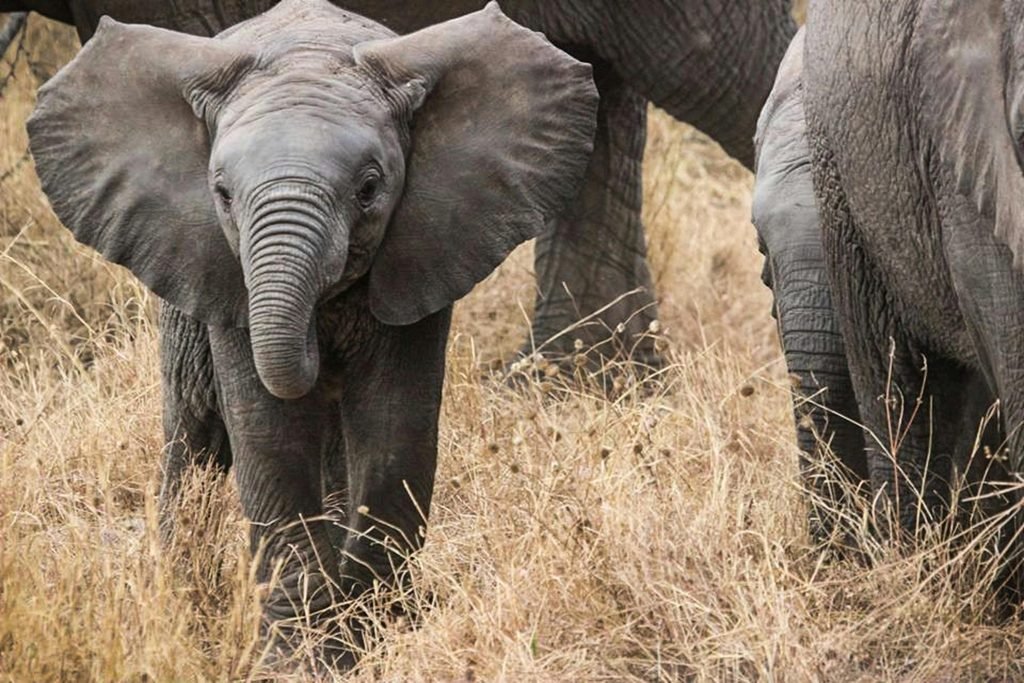
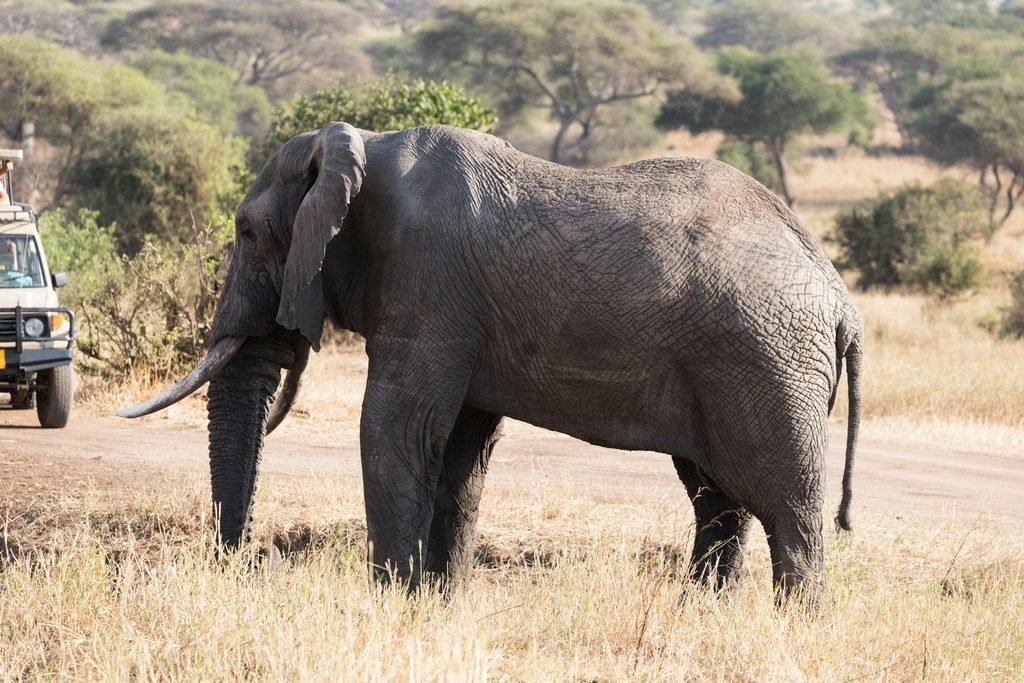
Elephants are the main attraction for many people visiting Tarangire National Park. The park is widely known for its large elephant population, and during the dry season visitors may encounter family groups feeding, walking across the plains or gathering near the river. Watching these animals in their natural environment is one of the most interesting parts of a Tarangire safari.
Elephants live in social groups, and observing their behavior can be just as enjoyable as taking photographs. You may see young calves walking close to their mothers, adults using their trunks to collect food or family members communicating through body movements and sounds. When elephants gather near water, visitors sometimes have the opportunity to watch them drinking, bathing or covering themselves with mud.
The best sightings often happen when your guide allows enough time to observe the animals rather than moving immediately to the next location. A knowledgeable safari guide can explain elephant behavior, help identify different age groups and position the vehicle at a safe distance without disturbing the animals.
Elephant encounters are never guaranteed, and their locations change according to rainfall, food availability and movement patterns. However, Tarangire remains one of Tanzania’s strongest destinations for travelers whose main interest is seeing African elephants.
2. Discover the Ancient Baobab Trees of Tarangire
Tarangire’s baobab trees are almost as famous as its elephants. These large trees have thick trunks, unusual branches and a distinctive appearance that makes them stand out across the savannah. Some are centuries old, and their presence gives the park a landscape that looks very different from the wide open plains of the Serengeti.
Baobabs are important to the local ecosystem because they provide food, shelter and nesting opportunities for various animals. Elephants sometimes feed on baobab bark, while birds and smaller animals use openings in the trunks. The trees are also interesting subjects for photography, particularly when the morning or afternoon sunlight creates strong shadows across the landscape.
A Tarangire game drive gives visitors many opportunities to appreciate these trees alongside the wildlife. You might see a giraffe moving past a baobab, elephants feeding nearby or birds resting in its branches. These simple scenes are part of what makes Tarangire different from other national parks in northern Tanzania.
3. Wildlife You Can See on a Tarangire Safari
Although elephants receive much of the attention, Tarangire supports many other animal species. During a game drive, you may encounter giraffes, zebras, wildebeest, buffalo, impalas, waterbucks, elands and different smaller antelopes. Their distribution changes throughout the year, with dry-season conditions often bringing larger concentrations of animals toward reliable water sources.
Predators are also present in Tarangire. Lions may be seen resting in shaded areas, watching grazing animals or moving through the grassland. Leopards are more difficult to find because they are secretive and often spend time in trees or dense vegetation. Spotted hyenas are another important predator and scavenger in the ecosystem, while cheetahs may occasionally be encountered in suitable open habitats.
Visitors should remember that a safari takes place in a natural environment, not a zoo. Animals move freely, and sightings depend on many factors, including weather, vegetation, time of day and the experience of your guide. A good safari focuses on enjoying the animals that are present rather than promising sightings of particular species.
Common and Notable Animals in Tarangire
| Animal | What makes it interesting |
|---|---|
| African elephant | Large family groups and social behavior |
| Lion | Predators found in woodland and grassland |
| Giraffe | Often seen browsing among trees |
| Plains zebra | Common grazing animal, especially around open areas |
| Wildebeest | Seasonal movements linked to grazing and water |
| African buffalo | May gather in large herds |
| Impala | Frequently seen in woodland habitats |
| Eland | Large antelope that may be seen in open areas |
| Waterbuck | Often associated with areas near water |
| Leopard | Secretive predator that is difficult to spot |
| Spotted hyena | Predator and scavenger active across the ecosystem |
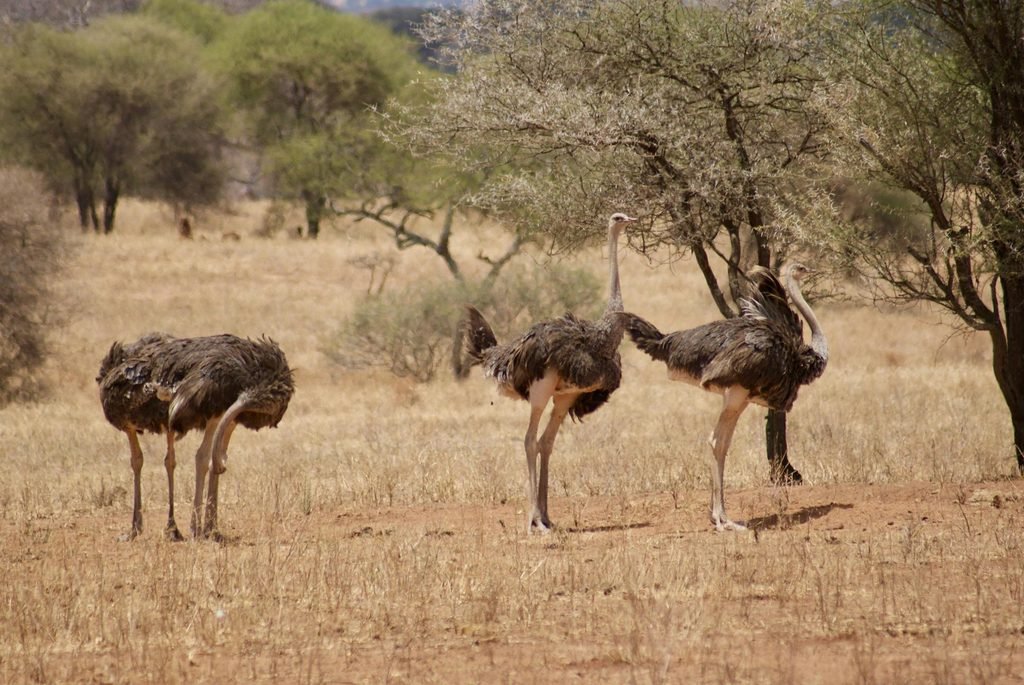
| Ostrich | Large flightless bird found in open habitats |
4. The Tarangire River and Its Importance to Wildlife
The Tarangire River is one of the most important natural features of the park. During the dry season, it provides a dependable source of water for animals living within the park and those moving in from surrounding areas. As temporary pools and seasonal water sources dry up, wildlife becomes more concentrated around the river system.
This seasonal movement creates good opportunities for game viewing. Elephants may gather along the riverbanks, zebras and wildebeest may arrive to drink, and predators may move through nearby areas in search of prey. The river also supports vegetation that provides shade and feeding opportunities for different species.
A game drive near the river can be particularly interesting because visitors may observe several types of animals within a relatively small area. However, wildlife concentrations change throughout the year, and the exact experience depends on current conditions. Your safari guide can choose suitable routes based on recent observations and the time available.
5. Birdwatching in Tarangire National Park
Tarangire is an excellent destination for birdwatchers, with more than 550 bird species recorded in the park. Its combination of woodland, grassland, riverine habitats and seasonal swamps provides suitable environments for many different birds. Visitors do not need to be experienced birdwatchers to enjoy this part of the safari, because several species are large, colorful or easy to observe from a vehicle.
Birds that visitors may encounter include ostriches, kori bustards, hornbills, bee-eaters, lovebirds, rollers and different birds of prey. Eagles and other raptors may be seen perched in trees or flying over the landscape, while waterbirds are often associated with wetlands and river areas.
The green season can be particularly attractive for birdwatching because seasonal rains encourage plant growth and bring migratory species into the region. During this period, the park may also offer beautiful photographic opportunities, with green vegetation and changing cloud formations providing a different background from the dry season.
6. Best Time to Visit Tarangire National Park
The best time for a Tarangire safari depends on the type of experience you want. For travelers mainly interested in large concentrations of mammals, the dry season from June to October is generally the strongest period. As water becomes less available across the surrounding landscape, many animals move toward the Tarangire River and other reliable water sources.
July, August, September and October are particularly popular for wildlife viewing. Vegetation is often thinner during these months, making animals easier to see in some areas. However, the park can also receive more visitors during the peak safari season, and accommodation should be arranged early when possible.
The wetter months offer a different experience. Rainfall brings greener scenery, fresh vegetation and attractive conditions for birdwatching. Wildlife may become more widely dispersed because water and grazing are available across a larger area, but visitors can still enjoy game drives and observe resident species.
Tarangire Safari by Season
| Months | General conditions | Safari experience |
|---|---|---|
| January–February | Often relatively dry and warm | Green landscapes and resident wildlife |
| March–May | Main rainy period | Lush scenery, birdwatching and potentially muddy roads |
| June–July | Beginning of the main dry season | Improving wildlife concentrations |
| August–October | Strong dry-season conditions | Excellent opportunities for elephant and general wildlife viewing |
| November–December | Seasonal short rains | Greener landscapes and birdwatching opportunities |
Weather patterns can vary from year to year, so these periods should be treated as general guidance rather than fixed guarantees.
7. How Many Days Do You Need for a Tarangire Safari?
One of Tarangire’s advantages is that it can be visited on a day trip from Arusha. Travelers with limited time can leave early in the morning, spend several hours exploring the park and return in the evening. This option is especially practical for visitors who are already staying in Arusha or Moshi and want to add a wildlife experience to their Tanzania holiday.
However, spending two days in Tarangire allows more time for wildlife viewing. Rather than completing a single game drive, you can explore different areas of the park and enjoy morning and afternoon wildlife activities. This can be particularly useful for photographers who want to observe animal behavior and take pictures under different lighting conditions.
A three-day Tarangire safari offers an even more relaxed experience. With additional time, you may be able to visit less-traveled sections of the park, enjoy longer game drives and include authorized activities where available. The right duration depends on your interests, budget and whether Tarangire is part of a longer Tanzania safari.
Sample 2-Day Tarangire Safari Itinerary
Day 1: Arusha to Tarangire National Park
Your safari begins with a morning departure from Arusha toward Tarangire National Park. After arriving at the park entrance and completing the necessary procedures, you begin your first game drive through woodland, open plains and areas near the Tarangire River. Your guide will look for elephants, giraffes, zebras, buffalo and other wildlife while explaining the park’s different habitats and seasonal animal movements.
During the day, you stop for lunch at an appropriate picnic area or according to your accommodation arrangements. The afternoon continues with further wildlife viewing before traveling to your selected lodge or tented camp. After checking in, you can relax, enjoy dinner and discuss the next day’s game drive with your guide.
Day 2: Morning Game Drive and Return to Arusha
After breakfast, you continue exploring Tarangire National Park during the morning. This provides another opportunity to look for wildlife and visit areas that may not have been covered on the first day. Early morning can be a good time for observing animals before temperatures rise, although the actual sightings depend on conditions.
After the game drive and lunch arrangements, you begin the return journey to Arusha, arriving later in the afternoon or evening depending on your route and departure time. Travelers continuing to another destination can arrange an alternative transfer as part of their confirmed itinerary.
8. Tarangire Safari Accommodation: Budget, Mid-Range and Luxury
Tarangire offers different accommodation styles, making it possible to plan a safari around your budget and preferred level of comfort. Budget travelers may choose suitable campsites or more affordable accommodation outside the park, while mid-range visitors can stay in established safari lodges and tented camps. Luxury travelers may prefer high-end properties with spacious rooms, private facilities and views of the surrounding landscape.
Staying inside the park can reduce travel time between accommodation and game-drive areas, depending on the lodge’s location. However, properties outside the park may offer more affordable rates and can be practical for shorter itineraries. Your choice should consider the distance to the park entrance, meal arrangements, comfort, accessibility and the total cost of the safari.
Accommodation availability changes throughout the year, particularly during the peak dry season. For travelers planning a safari in 2027 or 2028, it is advisable to request a quotation showing the proposed accommodation before making a booking.
9. How Much Does a Tarangire Safari Cost?
The cost of a Tarangire safari depends on several factors, including the number of travelers, safari duration, accommodation category, transport arrangements and applicable national park fees. A private safari for two people will generally have a different per-person cost from a trip shared by a larger group because vehicle and guide expenses are divided among fewer travelers.
A one-day safari normally costs less overall than a multi-day package, but it may offer less time for wildlife viewing. Overnight safaris include additional expenses such as accommodation and meals, while luxury properties can increase the total price considerably. Seasonal changes, currency movements and future park fee adjustments may also affect quotations.
When comparing offers, check whether the price includes a private safari vehicle, professional driver-guide, park entry fees, meals, drinking water, accommodation and transfers. It is better to compare complete packages rather than selecting the lowest advertised price without understanding what is included.
For an accurate quotation, contact Eddy Tours & Safaris with your preferred travel dates, number of travelers, safari duration and accommodation preferences.
10. Tarangire Safari Versus Serengeti Safari: Which Is Better?
Tarangire and Serengeti are both excellent wildlife destinations, but they offer different experiences. Tarangire is especially famous for its elephants, baobab trees and dry-season wildlife concentrations around the river. It is also relatively easy to reach from Arusha, making it suitable for short safaris and travelers who do not have enough time for a longer journey.
The Serengeti is much larger and is widely known for the Great Wildebeest Migration, open grasslands and predator viewing. A Serengeti safari usually benefits from more time because of the size of the ecosystem and the distances between different wildlife areas. Travelers who want to explore both destinations can combine them in a longer northern Tanzania itinerary.
| Feature | Tarangire | Serengeti |
|---|---|---|
| Main attraction | Elephants and baobab landscapes | Great Migration and open plains |
| Ideal short visit | 1–3 days | Usually 2–4 or more days |
| Access from Arusha | Relatively convenient | Longer road journey or flight |
| Wildlife viewing | Strong dry-season concentrations | Excellent year-round opportunities |
| Landscape | Woodland, river valleys and baobabs | Vast plains, woodland and river systems |
| Best for | Elephant lovers, short safaris and photography | Migration-focused and extended wildlife safaris |
For travelers with enough time, visiting both parks is a good way to experience the variety of Tanzania’s northern safari circuit.
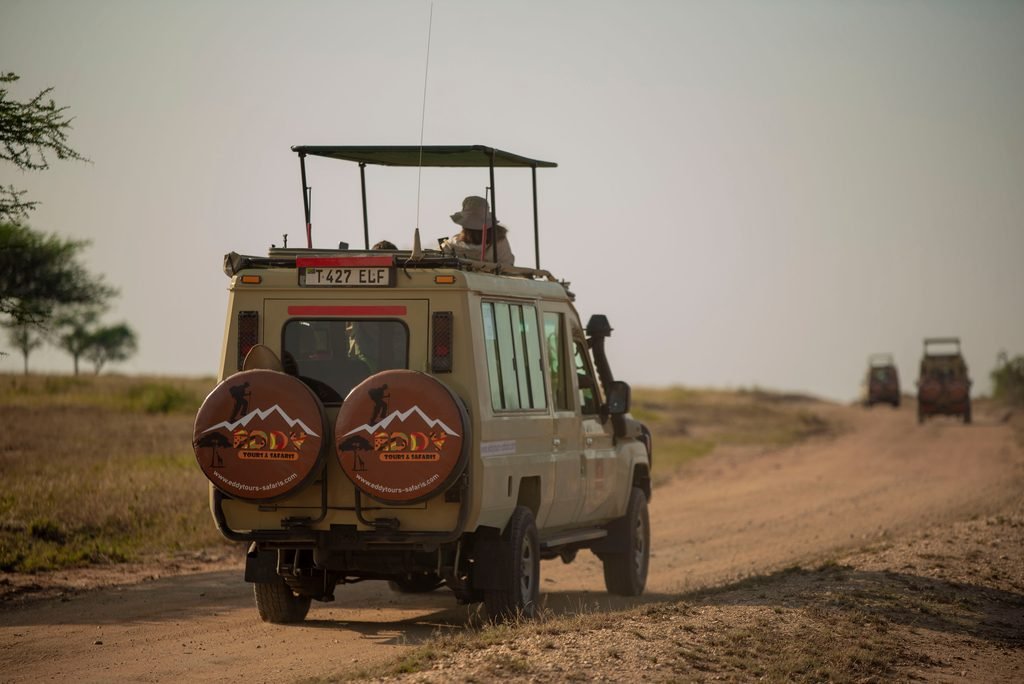
11. Combining Tarangire with Ngorongoro Crater and Lake Manyara
Tarangire is often included in multi-day Tanzania safari packages because of its location along the northern safari circuit. Visitors can combine it with Lake Manyara National Park, Ngorongoro Crater and Serengeti National Park, depending on their available time and budget.
Lake Manyara offers forest habitats, lake scenery and birdwatching opportunities, while Ngorongoro Crater is known for its concentration of wildlife within a volcanic caldera. Serengeti provides a much larger landscape and opportunities to explore different wildlife habitats over several days. Including Tarangire in the itinerary adds its famous elephant herds and baobab scenery to the overall experience.
A three-day safari can combine Tarangire with Ngorongoro Crater, while a four- or five-day itinerary may allow time for Lake Manyara or additional game drives. Travelers interested in the Serengeti should consider a longer schedule so they do not spend most of their holiday traveling between destinations.
12. What to Pack for a Tarangire Safari
Packing for Tarangire is generally straightforward, but a few essential items can make the trip more comfortable. Lightweight clothing in neutral colors is practical for daytime game drives, while a warm jacket or fleece can be useful during cooler mornings. Comfortable closed shoes are suitable for vehicle-based safaris, and sun protection is important because much of the day may be spent outdoors.
A camera with a suitable zoom lens is useful for wildlife photography, although a smartphone can also capture beautiful landscapes and nearby animals. Binoculars are particularly valuable for observing birds and wildlife at a distance. You should also bring sunscreen, a hat, insect repellent, personal medication and a reusable water bottle where appropriate.
During the rainy season, a light waterproof jacket can be useful, while dust protection may be helpful during the dry months. Your safari operator can provide additional advice based on your travel dates and accommodation arrangements.
13. Important Tarangire Safari Rules and Wildlife Safety
Wildlife safety is an important part of every safari. Elephants, buffalo, lions and other wild animals can be dangerous when disturbed or approached too closely. Visitors should remain inside the safari vehicle except at designated areas and follow the instructions provided by their guide.
Never feed wildlife, attempt to attract animals toward the vehicle or ask your guide to approach too closely for photographs. Animals need space to move naturally, especially when they are feeding, caring for young or approaching water sources. A responsible safari experience respects wildlife behavior and park regulations.
Tarangire’s roads may also become muddy or difficult during periods of heavy rainfall. Professional safari guides understand how to manage changing road conditions and choose suitable routes. Walking safaris and other specialized activities must follow the applicable park authorization and guiding requirements.
Frequently Asked Questions About Tarangire Safari
1. Is Tarangire National Park worth visiting?
Yes. Tarangire is one of Tanzania’s best destinations for elephants, baobab trees and dry-season wildlife viewing.
2. What is Tarangire National Park famous for?
It is best known for its large elephant herds, ancient baobab trees and the Tarangire River.
3. Where is Tarangire National Park located?
Tarangire is located in northern Tanzania, southwest of Arusha.
4. How far is Tarangire from Arusha?
The journey generally takes around 2.5–3 hours by road, depending on traffic, road conditions and the park entrance used.
5. What is the best month to visit Tarangire?
July through October is generally excellent for wildlife viewing, although conditions vary each year.
6. Can I visit Tarangire in January?
Yes. January can offer pleasant scenery and wildlife viewing, although animals may be more dispersed than during the main dry season.
7. Is Tarangire good for elephants?
Yes. Tarangire is one of Tanzania’s best-known elephant destinations.
8. Are there lions in Tarangire?
Yes. Lions live in Tarangire, but sightings cannot be guaranteed.
9. Can I see leopards in Tarangire?
Leopards are present, although they are secretive and can be difficult to find.
10. Are there giraffes in Tarangire?
Yes. Giraffes are among the animals visitors may encounter during game drives.
11. Does Tarangire have the Big Five?
Tarangire has elephants, lions, buffalo and leopards, but it is not a reliable destination for seeing rhinoceroses.
12. How many days should I spend in Tarangire?
One day is possible, but two or three days provide more time to explore the park.
13. Can I visit Tarangire on a day trip?
Yes. Day trips from Arusha are a popular option.
14. Is Tarangire good for families?
Yes. Vehicle-based game drives can be suitable for families, subject to the children’s ages and travel arrangements.
15. Is Tarangire good for photography?
Yes. The combination of elephants, baobab trees and varied landscapes creates excellent photographic opportunities.
16. Is Tarangire good for birdwatching?
Yes. More than 550 bird species have been recorded in the park.
17. Can I visit Tarangire during the rainy season?
Yes, although wildlife may be more dispersed and some roads may become muddy.
18. Is Tarangire cheaper than Serengeti?
A shorter Tarangire safari can cost less overall because of the shorter travel distance from Arusha, but actual prices depend on the package.
19. Can I combine Tarangire and Ngorongoro Crater?
Yes. The two destinations are commonly included in short northern Tanzania safaris.
20. Can I combine Tarangire and Serengeti?
Yes. Both parks can be included in a longer safari itinerary.
21. Are walking safaris available in Tarangire?
Authorized guided walking activities may be available, subject to park rules and arrangements.
22. Are there luxury lodges in Tarangire?
Yes. Tarangire has luxury safari lodges and tented camps, as well as other accommodation categories.
23. What should I wear on a Tarangire safari?
Comfortable, lightweight clothing in neutral colors, with sun protection and a warm layer for cooler mornings.
24. Can I book a private Tarangire safari?
Yes. Private safaris can be arranged according to your preferred dates, group size and accommodation needs.
25. How do I book a Tarangire safari with Eddy Tours & Safaris?
Contact Eddy Tours & Safaris with your preferred travel dates, number of travelers and desired safari duration to request a quotation.
Book Your Tarangire Safari with Eddy Tours & Safaris
A Tarangire safari offers an excellent opportunity to explore one of Tanzania’s most interesting wildlife destinations. From large elephant families and ancient baobab trees to the Tarangire River and the park’s rich birdlife, there is plenty to enjoy whether you visit for a single day or spend several nights exploring the area.
The park is particularly rewarding during the dry season, when wildlife often gathers near reliable water sources. However, Tarangire also has much to offer during the greener months, especially for visitors who enjoy birdwatching, landscape photography and quieter game drives. Choosing the right time and duration depends on your interests and the overall Tanzania holiday you want to experience.
At Eddy Tours & Safaris, we organize private and customized Tanzania safaris, including Tarangire day trips, overnight safaris and longer itineraries combining Tarangire with Serengeti, Ngorongoro Crater and Lake Manyara. Our team can help you choose suitable accommodation, plan your travel arrangements and prepare a detailed quotation based on your preferred dates and group size.
Request Your Tarangire Safari Quotation
Chat with Eddy Tours & Safaris on WhatsApp
Email: sales@eddytours-safaris.com
Contact our team to plan a Tarangire safari that gives you enough time to enjoy the wildlife, explore the park and discover the natural beauty of northern Tanzania.