
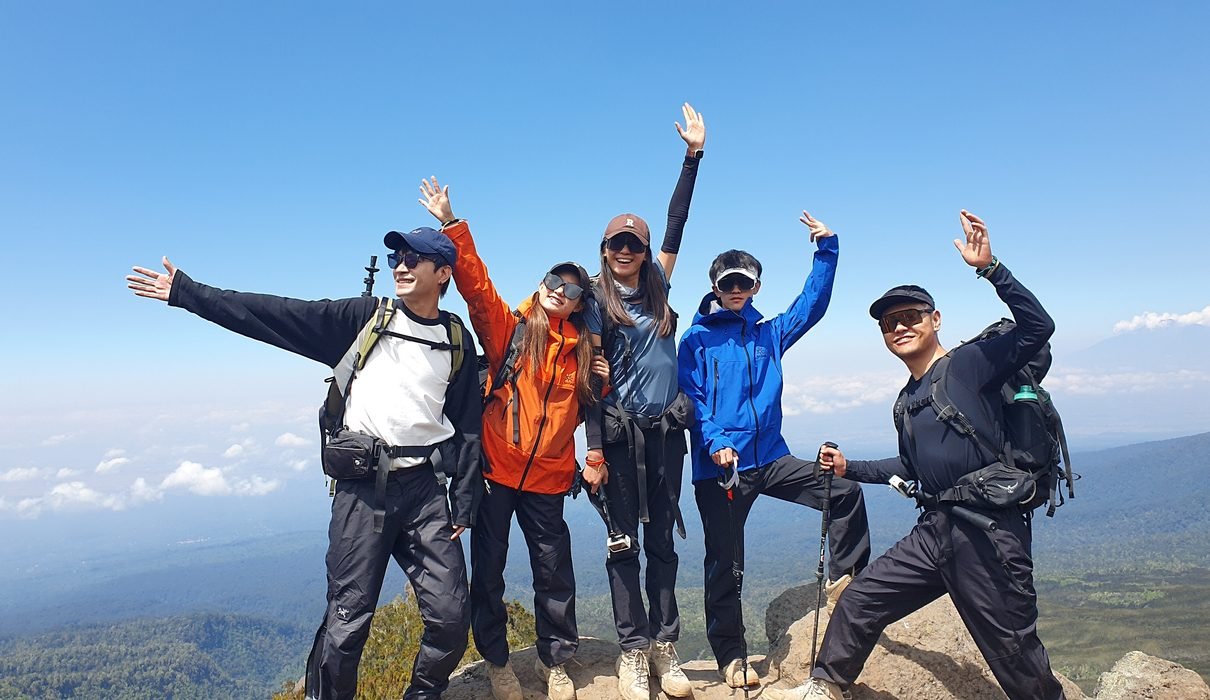
Climbing Mount Kilimanjaro through the Lemosho Route is one of the best ways to experience Africa’s highest mountain. For travelers planning a Kilimanjaro climb in 2027, 2028, or 2029, the seven-day Lemosho Route offers beautiful mountain scenery, a challenging trekking experience, and the opportunity to reach Uhuru Peak at 5,895 metres above sea level. The route begins on the western side of Kilimanjaro, passing through thick rainforest, open moorland, the Shira Plateau, and rocky alpine landscapes before reaching the summit. It is a good choice for reasonably fit travelers who want to experience different sides of the mountain within seven trekking days.
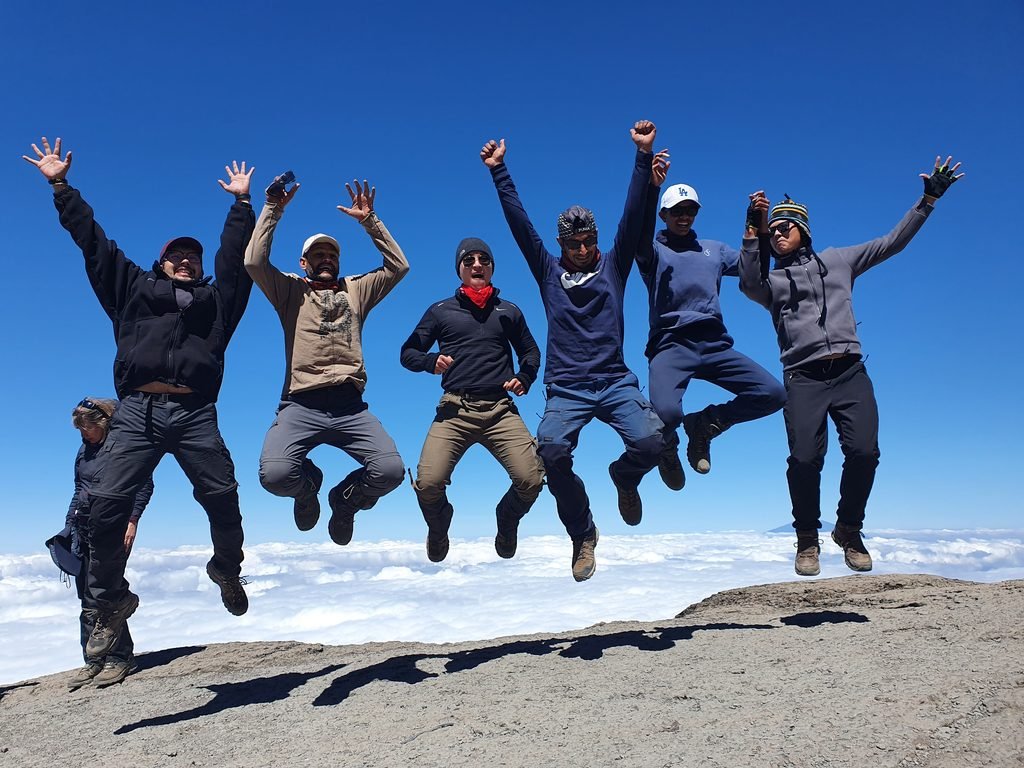
At Eddy Tours & Safaris, we organize guided Kilimanjaro climbing trips for individuals, couples, families, and small groups visiting Tanzania. Our seven-day Lemosho climbing package is designed for travelers who want a well-organized mountain expedition with experienced guides, camping arrangements, meals, and support throughout the climb. Although seven days provides useful acclimatization opportunities, the eight-day version offers a more gradual ascent and is generally a better choice for travelers concerned about altitude. You can also explore additional climbing information through Kilimanjaro Climbing Specialist, which provides route descriptions and preparation advice.
7-Day Kilimanjaro Lemosho Route Package Overview
| Package information | Details |
|---|---|
| Tour name | 7-Day Kilimanjaro Lemosho Route |
| Destination | Mount Kilimanjaro, Tanzania |
| Travel period | 2027, 2028 and 2029 |
| Duration | 7 trekking days, 6 mountain nights |
| Maximum altitude | 5,895 metres – Uhuru Peak |
| Starting point | Londorossi Gate / Lemosho Trailhead |
| Ending point | Mweka Gate |
| Accommodation | Mountain camping |
| Difficulty | Challenging |
| Summit approach | Barafu Camp – Stella Point – Uhuru Peak |
| Suitable for | Fit beginners with preparation and experienced hikers |
| Departure | Private departures on request |
| Package price | Available upon quotation |
Why Choose the 7-Day Lemosho Route for Kilimanjaro Climbing?
The Lemosho Route is particularly popular because of its scenery and the different landscapes encountered during the climb. Unlike some routes that begin at higher elevations, Lemosho starts with a walk through the western rainforest, where climbers may see colobus monkeys, birds, and other wildlife. As the trail continues upward, the forest gradually disappears and gives way to open vegetation, volcanic rocks, and views across the Shira Plateau. On clear days, climbers can see the summit of Kibo rising above the surrounding landscape, providing a good sense of the mountain’s size and the distance still to be covered.
Another reason travelers choose Lemosho is its approach to acclimatization. The route includes opportunities to walk to higher elevations before descending to sleep at lower camps, particularly around Lava Tower and Barranco Camp. This helps the body adjust to reduced oxygen levels, although it does not remove the risk of altitude sickness. The seven-day itinerary requires some long trekking days, so climbers should arrive physically prepared and understand that the pace will be determined by mountain conditions and their health. Travelers who have more time available may prefer an eight-day Lemosho climb for additional acclimatization.
What Is the 7-Day Lemosho Route Summit Success Rate in 2027, 2028 and 2029?
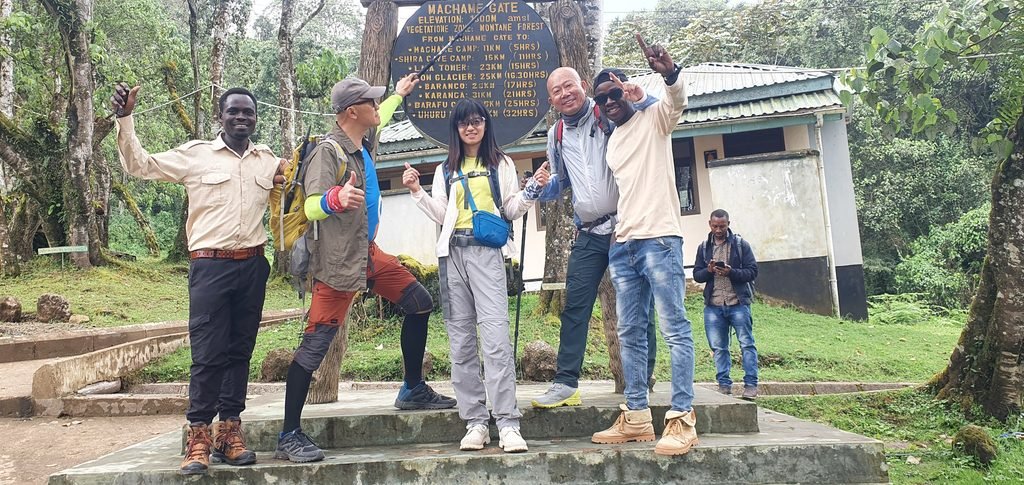
The seven-day Lemosho Route has a reputation for offering reasonable summit opportunities, but there is no single verified success rate that applies to every climbing company. Some operators advertise success rates above 90%, while others report lower figures based on their own climbing records. For example, one published operator dataset reported approximately 84% summit success for its seven-day Lemosho climbs and a higher rate for its eight-day version. These are operator-specific results rather than official figures for all Kilimanjaro expeditions, and they should not be treated as guaranteed outcomes for 2027, 2028, or 2029.
For travelers planning to reach Uhuru Peak, the most important factors include sufficient acclimatization time, physical preparation, weather conditions, proper hydration, and following the mountain guide’s instructions. Reaching the summit should never take priority over personal safety. At Eddy Tours & Safaris, we encourage travelers to choose a climbing duration that matches their fitness, experience, and available time rather than selecting a route based only on an advertised success percentage. Additional route comparisons are available from Kilimanjaro Climbing Specialist.
Complete 7-Day Kilimanjaro Lemosho Route Itinerary 2027–2029
Day 1: Londorossi Gate to Mti Mkubwa Camp – Beginning the Lemosho Climb
- Starting elevation: Approximately 2,100–2,400 metres
- Sleeping elevation: Approximately 2,650–2,800 metres
- Hiking distance: Approximately 6 km
- Hiking duration: 3–4 hours
- Accommodation: Mti Mkubwa Camp
- Meals: Lunch and dinner
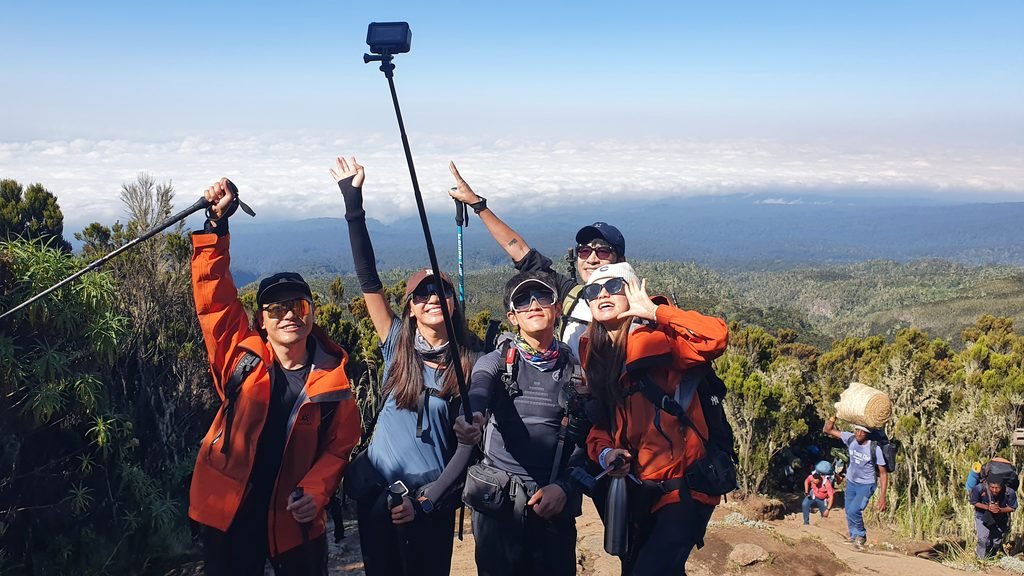
Your Kilimanjaro climbing experience begins with a morning transfer from your accommodation in Moshi or Arusha to Londorossi Gate on the western side of Mount Kilimanjaro. At the gate, your guides complete the necessary park registration procedures while the mountain crew prepares the equipment and supplies. Depending on the road conditions and park arrangements, you will continue by vehicle toward the Lemosho trailhead before starting your first walk. The trail passes through a thick mountain rainforest with tall trees, green vegetation, and a cool atmosphere. This section is usually quieter than the more established southern approaches, making it a pleasant introduction to Kilimanjaro.
The first day’s walk is relatively manageable, allowing you to become familiar with the mountain environment and the pace recommended by your guide. Along the way, you may encounter black-and-white colobus monkeys or hear birds calling from the forest canopy. After reaching Mti Mkubwa Camp, also known as Big Tree Camp, the crew will prepare your sleeping tents and evening meal. Your guide will explain the following day’s trekking plan and check how everyone is feeling before the first night on the mountain.
Day 2: Mti Mkubwa Camp to Shira 2 Camp – Crossing the Shira Plateau
- Starting elevation: Approximately 2,650–2,800 metres
- Sleeping elevation: Approximately 3,850 metres
- Hiking distance: Approximately 15–17 km
- Hiking duration: 7–9 hours
- Accommodation: Shira 2 Camp
- Meals: Breakfast, lunch and dinner
The second day is one of the longer stages of this seven-day Lemosho itinerary. After breakfast, you leave the rainforest behind and begin climbing through an area of giant heather, open moorland, and volcanic rock formations. The trail gradually becomes steeper as you approach Shira Ridge, where the surrounding landscape opens up and offers wide views of the mountain. You will pass through the Shira 1 area before continuing across the plateau toward Shira 2 Camp. Weather conditions can change quickly here, with warm sunshine during the day and cold temperatures once the sun begins to set.
This section provides some of the most attractive scenery on the western side of Kilimanjaro, but it also involves a considerable increase in sleeping altitude. Your mountain guide will encourage a slow walking pace and regular breaks to monitor how your body responds. By the time you arrive at Shira 2 Camp, you will be camping at approximately 3,850 metres above sea level, where the air is noticeably thinner. Because this is a demanding stage, travelers who prefer a more gradual ascent should consider the eight-day Lemosho itinerary, which normally includes an overnight stay at Shira 1 Camp.
Day 3: Shira 2 Camp to Lava Tower and Barranco Camp – Important Acclimatization Day
- Starting elevation: Approximately 3,850 metres
- Highest point: Lava Tower, approximately 4,600 metres
- Sleeping elevation: Approximately 3,900–3,960 metres
- Hiking distance: Approximately 10 km
- Hiking duration: 6–8 hours
- Accommodation: Barranco Camp
- Meals: Breakfast, lunch and dinner
After breakfast at Shira 2 Camp, the trail continues toward Lava Tower, one of the well-known landmarks on Mount Kilimanjaro. The vegetation becomes sparse as you enter the alpine desert zone, where volcanic rocks and open mountain slopes dominate the landscape. The climb toward Lava Tower is gradual in some sections and steep in others, and the higher altitude can make walking more tiring than on previous days. Depending on the weather and the group’s condition, your guide will arrange suitable rest and lunch breaks before beginning the descent toward Barranco Valley.
The main benefit of this day’s route is the opportunity to climb higher before returning to a lower sleeping elevation. This approach is commonly described as climb high, sleep low and is an important part of many Kilimanjaro acclimatization plans. After descending from Lava Tower, you will reach Barranco Camp, surrounded by giant groundsels and dramatic mountain scenery. The famous Barranco Wall rises above the campsite, giving you a clear view of the challenge waiting the following morning. More details about the mountain’s western approach can be found in the seven-day Lemosho climbing guide.
Day 4: Barranco Camp to Karanga Valley and Barafu Camp – Preparing for Summit Night
- Starting elevation: Approximately 3,900 metres
- Sleeping elevation: Approximately 4,670 metres
- Hiking distance: Approximately 9 km
- Hiking duration: 7–9 hours
- Accommodation: Barafu Camp
- Meals: Breakfast, lunch and dinner
The fourth day begins with the climb up Barranco Wall, one of the most recognizable sections of the Kilimanjaro trekking routes. Although the wall looks steep when viewed from the campsite, the established trail does not require technical mountaineering skills. There are sections where you will need to use your hands for balance while moving over large rocks, and your guide will help you navigate the more difficult areas. Once you reach the top, the route continues through rocky terrain and eventually descends toward Karanga Valley, where the group can stop for a rest and lunch.
From Karanga Valley, the trail climbs again toward Barafu Camp, which serves as the base for the final summit attempt. The landscape becomes increasingly dry and exposed, with limited vegetation and strong winds possible at any time. Upon arrival, the mountain crew will prepare an early meal while your guide explains the summit schedule, clothing requirements, and expected conditions. Because the climb normally begins around midnight, you will need to rest during the evening and prepare your headlamp, warm layers, gloves, water, and other essential equipment. This is a long and demanding day, making the shorter seven-day itinerary less suitable for travelers who need extra time to adjust to altitude.
Day 5: Barafu Camp to Uhuru Peak and Descent to Mweka Camp – Kilimanjaro Summit Day
- Starting elevation: Approximately 4,670 metres
- Summit elevation: 5,895 metres
- Sleeping elevation: Approximately 3,100 metres
- Hiking distance: Approximately 16–17 km
- Hiking duration: 12–16 hours
- Accommodation: Mweka Camp
- Meals: Breakfast, lunch and dinner
Summit day begins late at night, usually around midnight, when your mountain guide leads the group away from Barafu Camp toward Stella Point. The climb is slow and physically demanding because of the steep terrain, cold temperatures, and reduced oxygen levels. Most of the ascent takes place in darkness, with climbers using headlamps to follow the trail across loose volcanic gravel and rocky sections. Your guide will monitor the group carefully, arrange short breaks when appropriate, and assess whether it is safe for each climber to continue. The journey to Stella Point can take several hours, depending on the group’s pace and the mountain conditions.
After reaching Stella Point at approximately 5,756 metres, the trail follows the crater rim toward Uhuru Peak, the highest point in Africa. On a clear morning, climbers can see the surrounding glaciers, the volcanic crater, and the landscape stretching far below. Reaching Uhuru Peak is a major achievement, but time at the summit is normally limited because of the extreme altitude and cold. After taking photographs, you will descend toward Barafu Camp for a short rest and then continue down to Mweka Camp. The descent is long and can be tiring on the knees, so trekking poles and careful footing are particularly helpful. Your guide may require an earlier turnaround if weather, altitude symptoms, or other safety concerns make continuing unsafe.
Day 6: Mweka Camp to Mweka Gate – Completion of the Kilimanjaro Climb
- Starting elevation: Approximately 3,100 metres
- Finishing elevation: Approximately 1,640 metres
- Hiking distance: Approximately 10 km
- Hiking duration: 3–5 hours
- Accommodation: Hotel in Moshi or Arusha, if included in your booking
- Meals: Breakfast and lunch as arranged
After breakfast at Mweka Camp, you begin the final descent through the mountain rainforest toward Mweka Gate. The lower elevation brings warmer temperatures and thicker vegetation, although the trail may be slippery after rainfall. The walk is generally easier than the previous day’s summit climb, but tired legs and muddy sections mean that careful walking is still necessary. During the descent, you will have time to appreciate the forest environment and reflect on the different landscapes you have crossed during the expedition.
Upon reaching Mweka Gate, the mountain team completes the necessary exit procedures, and eligible climbers receive their Kilimanjaro summit certificates. You will then meet your transfer vehicle for the journey back to Moshi or Arusha. After several days of mountain camping, returning to a comfortable hotel and having a proper shower will be especially welcome. Depending on your travel arrangements, the evening can be spent resting, enjoying a meal, or preparing for the next part of your Tanzania holiday.
Day 7: Post-Climb Recovery and Departure Arrangements
The seventh day in this package schedule is reserved for recovery, hotel check-out, and onward travel arrangements. After the physical demands of climbing Kilimanjaro, many travelers appreciate having time to rest before boarding an international flight or continuing with other activities. If your confirmed booking includes hotel accommodation and airport transfers, our team will arrange these services according to your departure schedule. Travelers who want to spend additional time in Tanzania can also consider extending their holiday with a wildlife safari or a visit to Zanzibar.
Important itinerary clarification: The day-by-day schedule above includes six trekking days and one recovery day. Travelers booking a true seven-day mountain trek should instead use a seven-day itinerary with an additional overnight stop, such as Shira 1 Camp, and six mountain nights. Eddy Tours & Safaris can confirm the exact camp sequence and number of trekking days before booking.
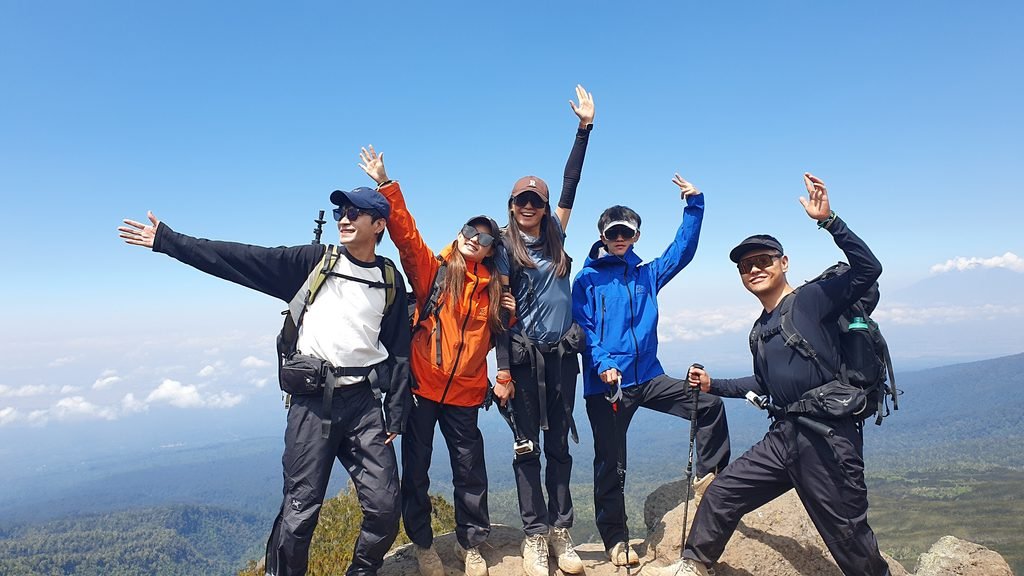
7-Day Kilimanjaro Lemosho Route Package Inclusions
The following services form the standard basis of the guided climbing package. Exact arrangements will be confirmed in your written quotation.
- Kilimanjaro National Park entry fees.
- Required mountain camping fees.
- Park rescue fees.
- Professional mountain guides.
- Mountain porters for equipment and permitted luggage.
- Mountain cook and meal preparation services.
- Breakfast, lunch, and dinner during the climb as specified.
- Safe drinking water during the mountain expedition.
- Mountain sleeping tents and sleeping mattresses.
- Dining tent with tables and chairs where provided.
- Transport from Moshi or Arusha to the starting gate.
- Return transfer from Mweka Gate to Moshi or Arusha.
- Mountain crew wages.
- Required park-related taxes and government charges.
- Pre-climb briefing and equipment checks.
- Emergency oxygen and first-aid equipment carried by the mountain team.
- Assistance with mountain registration and exit procedures.
7-Day Kilimanjaro Lemosho Route Package Exclusions
- International and domestic flights.
- Tanzania tourist visa fees.
- Personal travel and medical insurance covering high-altitude trekking and evacuation.
- Tips for mountain guides, cooks, and porters.
- Personal climbing equipment, including boots, sleeping bags, and clothing.
- Equipment rental unless included in the quotation.
- Personal expenses such as laundry, telephone calls, and shopping.
- Alcoholic drinks, soft drinks, and bottled beverages.
- Meals outside the mountain itinerary.
- Accommodation before and after the climb unless specifically included.
- Airport transfers unless specifically included.
- Optional safari tours, Zanzibar holidays, and additional excursions.
- Additional hotel nights resulting from personal travel changes.
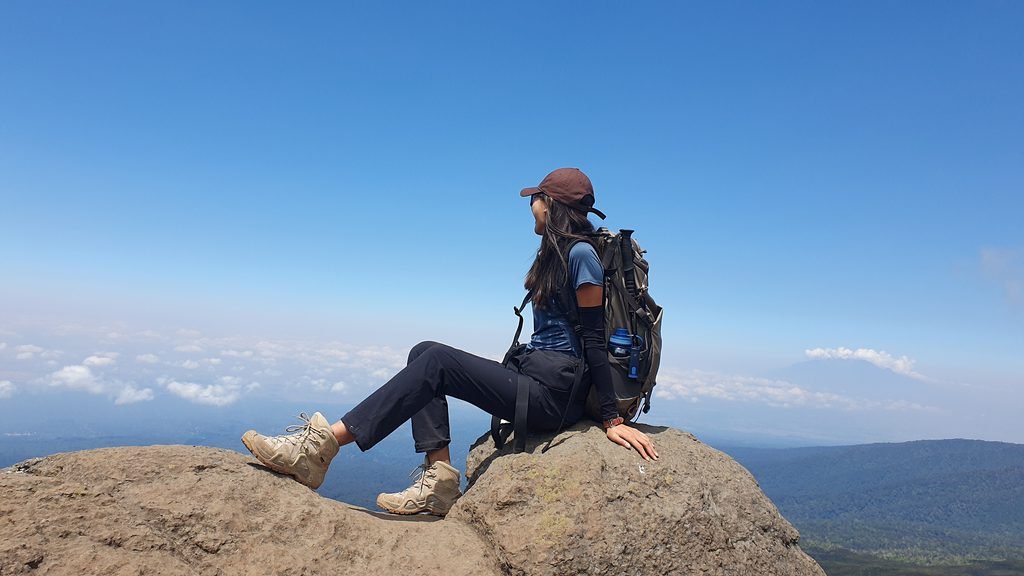
Best Time to Climb Kilimanjaro via Lemosho in 2027, 2028 and 2029
Mount Kilimanjaro can be climbed throughout the year, but some months generally provide more favorable trekking conditions than others. January to early March and June to October are commonly preferred because they tend to offer better chances of relatively dry weather. January and February often provide clear mornings and comparatively mild conditions at lower elevations, while June through October is popular with travelers planning their holidays during the northern summer. However, mountain weather is never guaranteed, and climbers should prepare for rain, strong winds, freezing temperatures, and possible snow near the summit regardless of the month.
Travelers planning a Kilimanjaro climb in 2027, 2028, or 2029 should also consider the number of visitors during popular climbing periods. The Lemosho Route begins on a relatively quiet western section, but it eventually joins other established trails, so some camps can become busy. Booking early can help with arranging preferred departure dates, accommodation, and suitable mountain support. You can combine your climbing holiday with a Tanzania safari to visit wildlife destinations such as Tarangire, Serengeti, and Ngorongoro after completing your trek.
How Difficult Is the Seven-Day Lemosho Route?
The seven-day Lemosho Route is a challenging trek, mainly because of the altitude and the physical effort required over several consecutive days. It does not normally involve technical climbing with ropes, but it includes steep ascents, rocky trails, long walking hours, and an overnight summit attempt. Climbers should be comfortable walking for several hours while carrying a small daypack and should have suitable clothing for changing mountain conditions. Previous mountain trekking experience can be helpful, although it is not compulsory for every traveler.
Preparation should begin several weeks or months before departure, depending on your current fitness. Regular walking, hiking on hills, cardiovascular exercise, and strength training can help prepare your body for the expedition. Training with the boots and backpack you intend to use on the mountain is also advisable. However, fitness alone does not prevent altitude sickness, and even experienced hikers can develop serious symptoms. If you have medical concerns or previous problems at high altitude, seek advice from a qualified healthcare professional before booking. Your guide’s safety instructions should always be followed during the climb.
What Should You Pack for the Lemosho Route?
Packing properly makes a considerable difference to comfort during a Kilimanjaro climb. Temperatures can be warm in the lower rainforest and extremely cold near the summit, so a layering system is important. A waterproof jacket and trousers, insulated clothing, warm gloves, a hat, and suitable hiking boots should be among your priorities. You will also need a comfortable daypack, water containers, a headlamp with spare batteries, sunglasses, sunscreen, and personal toiletries. Your main luggage is normally transported by porters within the applicable weight limits, while you carry essential items needed during each day’s walk.
For summit night, warm clothing is particularly important because temperatures can fall well below freezing, especially when wind is present. A suitable sleeping bag, insulated gloves, warm socks, and reliable lighting will help you manage the conditions. Before departure, Eddy Tours & Safaris can provide a detailed packing checklist and explain which equipment may be available for rental in Moshi or Arusha.
Can You Combine Kilimanjaro Climbing with a Tanzania Safari?
Many international visitors choose to combine Mount Kilimanjaro with a wildlife safari because the mountain is located within reach of Tanzania’s northern safari destinations. After completing the Lemosho Route, travelers can continue to Tarangire National Park, Lake Manyara, Ngorongoro Crater, or Serengeti National Park. A short safari of two or three days can provide a change of pace after the climb, while a longer itinerary allows more time to explore the national parks and observe wildlife.
At Eddy Tours & Safaris, we can help arrange a combined Kilimanjaro climbing and Tanzania safari itinerary based on your travel dates, group size, and available budget. Travelers with additional holiday time may also consider Zanzibar for a few days of relaxation after the mountain and safari activities. Combining these experiences into one travel plan can make transport arrangements easier and reduce the need to coordinate several separate bookings.
Frequently Asked Questions About the 7-Day Lemosho Route
Is the 7-day Lemosho Route suitable for beginners?
Yes, the seven-day Lemosho Route can be suitable for beginners who have prepared physically and understand the demands of high-altitude trekking. However, the route includes some long walking days and a significant increase in altitude. For first-time climbers with enough time available, the eight-day version is generally a better option because it allows a more gradual ascent.
What is the highest point reached during the Lemosho climb?
The highest point is Uhuru Peak, standing at 5,895 metres above sea level. It is the highest summit on Mount Kilimanjaro and the highest point on the African continent.
How many nights will I spend camping on Kilimanjaro?
A true seven-day Lemosho mountain trek normally includes six nights of camping. The number of hotel nights before and after the climb depends on your confirmed package arrangements.
Is the Lemosho Route better than the Machame Route?
Both routes offer excellent scenery and opportunities to reach Uhuru Peak. Lemosho approaches from the western side of the mountain and includes the Shira Plateau, while Machame begins on the southern side. The better choice depends on your preferred duration, budget, fitness, and acclimatization needs.
What is the success rate of the 7-day Lemosho Route?
There is no universal, independently verified success percentage for every seven-day Lemosho departure. Published operator results vary, and reaching the summit depends on acclimatization, weather, health, and other factors. An additional climbing day can improve acclimatization opportunities.
Can I book a private Lemosho climb for 2027, 2028 or 2029?
Yes. Private climbing arrangements can be requested for individuals, couples, families, and groups. Departure dates, mountain crew arrangements, hotel accommodation, and additional services will be confirmed when preparing your quotation.
How much does the 7-day Kilimanjaro Lemosho Route cost?
The total cost depends on the number of climbers, departure dates, accommodation arrangements, included transfers, equipment requirements, and other services. Rather than advertising a price that may not reflect your actual booking, Eddy Tours & Safaris can prepare a detailed quotation showing the total package cost and the services included.
Book Your 7-Day Kilimanjaro Lemosho Route Climb for 2027, 2028 or 2029
Planning your Kilimanjaro climb in advance gives you time to prepare physically, choose the right route, and organize the equipment and travel arrangements needed for the mountain. Whether you are traveling alone, with friends, or as a private group, choosing an itinerary that matches your experience and available time is an important part of planning a successful trip. The Lemosho Route offers varied scenery and a rewarding mountain experience, but proper preparation and sensible acclimatization remain essential.
Eddy Tours & Safaris welcomes inquiries for Kilimanjaro climbing departures in 2027, 2028, and 2029. We can help you compare seven-day and eight-day Lemosho options, arrange mountain services, and plan additional Tanzania safari activities after your climb.
Contact Eddy Tours & Safaris to Request Your Kilimanjaro Climbing Quote