
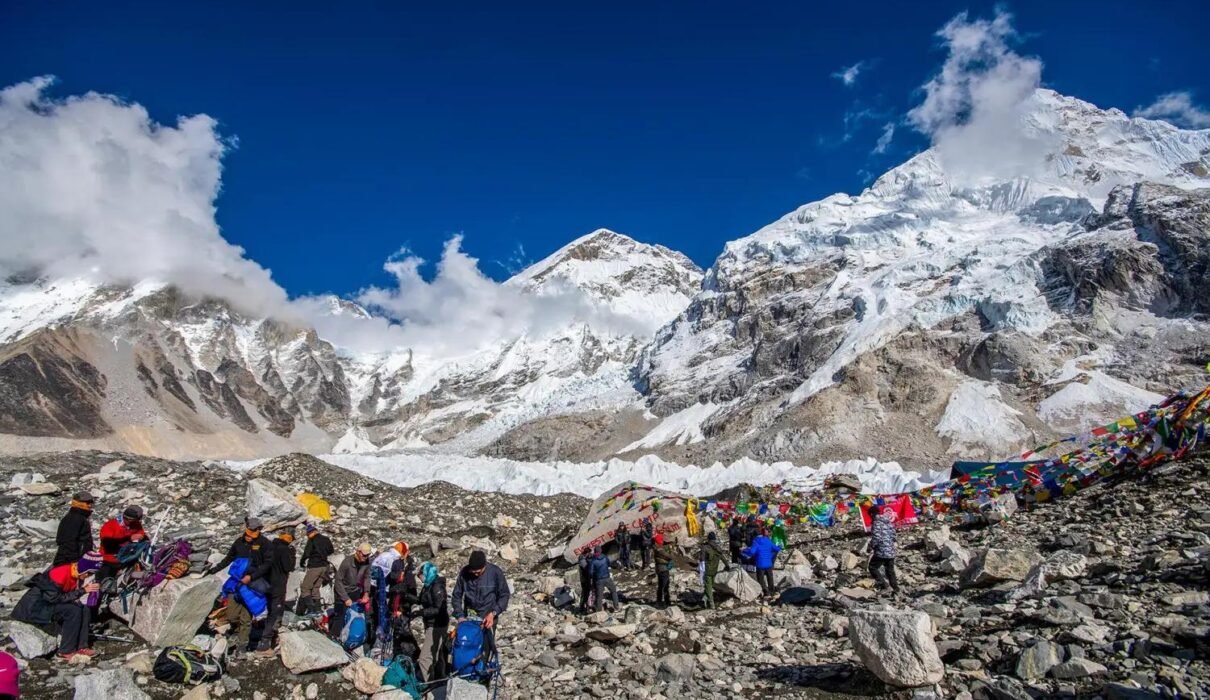
Mountains have always attracted people who enjoy travelling, exploring unfamiliar places and challenging themselves in the outdoors. Some mountains are famous for their extraordinary height, while others are known for their difficult climbing conditions, remarkable landscapes and cultural importance. From the snow-covered Himalayas in Asia to Mount Kilimanjaro in Tanzania, these natural landmarks continue to attract climbers, researchers, photographers and travellers from around the world.
For anyone interested in mountain climbing in 2027, 2028 or 2029, understanding the world’s highest mountains is a useful starting point. Although Mount Everest remains the highest mountain above sea level, several other peaks rise above 8,000 metres, each presenting different geographical features and mountaineering challenges. Most of these mountains require advanced climbing experience, specialized equipment and considerable preparation. However, travellers who want to experience high-altitude trekking without undertaking a technical Himalayan expedition can consider destinations such as Mount Kilimanjaro in Tanzania.
This updated guide examines the 14 highest widely recognized mountains in the world, their elevations, locations, climbing histories and important characteristics. It also explains the difference between mountain height and prominence, identifies the highest mountains on each continent and provides practical information for travellers interested in climbing Africa’s highest mountain with Eddy Tours & Safaris.
The 14 Tallest Mountains in the World Ranked by Height
The world’s 14 highest widely recognized independent mountains all rise above 8,000 metres above sea level. They are commonly called the eight-thousanders and are located in Asia’s Himalayan and Karakoram mountain ranges. The International Climbing and Mountaineering Federation (UIAA) recognizes these 14 classic peaks, although discussions continue about whether certain subsidiary summits should receive separate recognition.
| Rank | Mountain | Height (Metres) | Country or Countries |
|---|---|---|---|
| 1 | Mount Everest | 8,848.86 m | Nepal / China |
| 2 | K2 | 8,611 m | Pakistan / China |
| 3 | Kangchenjunga | 8,586 m | Nepal / India |
| 4 | Lhotse | 8,516 m | Nepal / China |
| 5 | Makalu | 8,485 m | Nepal / China |
| 6 | Cho Oyu | 8,188 m | Nepal / China |
| 7 | Dhaulagiri I | 8,167 m | Nepal |
| 8 | Manaslu | 8,163 m | Nepal |
| 9 | Nanga Parbat | 8,126 m | Pakistan |
| 10 | Annapurna I | 8,091 m | Nepal |
| 11 | Gasherbrum I | 8,080 m | Pakistan / China |
| 12 | Broad Peak | 8,051 m | Pakistan / China |
| 13 | Gasherbrum II | 8,035 m | Pakistan / China |
| 14 | Shishapangma | 8,027 m | China |
These elevations represent the commonly accepted measurements available when this guide was prepared in November 2026. They are provided for travellers researching the 2027–2029 period rather than as measurements taken in those future years. Differences in surveying methods, snow conditions and official measurements can occasionally produce small variations in published figures.
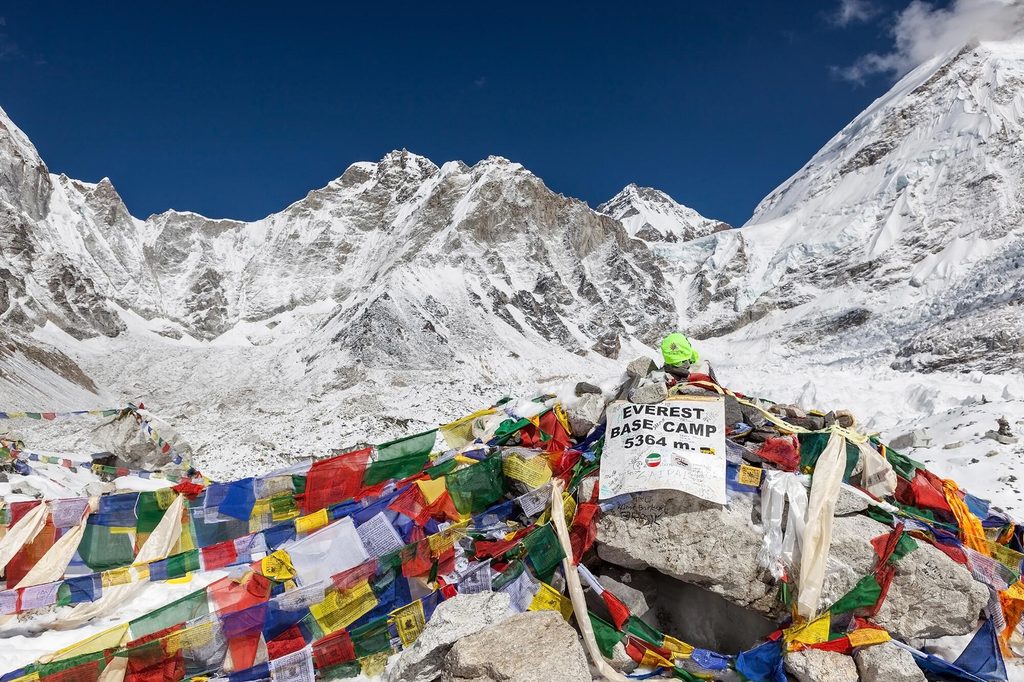
1. Mount Everest – 8,848.86 Metres (Nepal and China)
Mount Everest is the highest mountain in the world when measured from sea level, reaching approximately 8,848.86 metres. Located in the Himalayan mountain range along the border between Nepal and China’s Tibet Autonomous Region, Everest has become one of the most recognized geographical landmarks on Earth. The mountain is known as Sagarmatha in Nepal and Chomolungma in Tibet, names that reflect its cultural importance to communities living around the Himalayas.
The first confirmed successful ascent took place on 29 May 1953, when Edmund Hillary of New Zealand and Tenzing Norgay, a Sherpa mountaineer, reached the summit. Since then, Everest has attracted climbers from many countries, although reaching its summit remains a serious undertaking. Extreme altitude, unstable weather, avalanches, crevasses and the physical effects of reduced oxygen make Everest an exceptionally demanding expedition. Climbers normally spend several weeks acclimatizing and preparing for the final ascent, often using supplemental oxygen and extensive support teams.
2. K2 – 8,611 Metres (Pakistan and China)
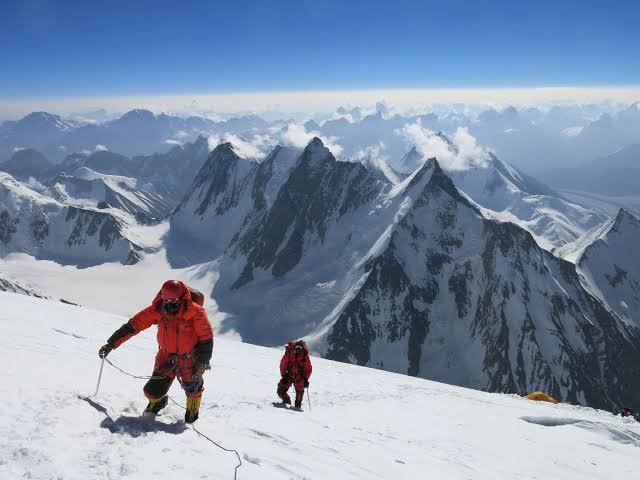
K2 is the second-highest mountain in the world and is located in the Karakoram mountain range along the border between Pakistan and China. Standing at 8,611 metres, it is widely regarded as one of the most technically difficult of the world’s highest mountains. Unlike Everest, where established commercial expedition routes receive considerable attention, K2 is particularly known for its steep climbing sections, exposed terrain and unpredictable weather conditions.
The mountain was first successfully climbed in 1954 by Italian mountaineers Achille Compagnoni and Lino Lacedelli. Its climbing routes involve serious technical challenges, including steep ice, snow and rock sections. The combination of difficult terrain and rapidly changing weather has made K2 a respected objective among experienced high-altitude mountaineers. Expeditions require advanced technical skills, careful planning and a strong understanding of mountain hazards.
3. Kangchenjunga – 8,586 Metres (Nepal and India)
Kangchenjunga is the third-highest mountain in the world, reaching 8,586 metres above sea level. It lies along the border between Nepal and the Indian state of Sikkim and forms part of the eastern Himalayas. The mountain is particularly important to local communities, who associate it with traditional beliefs and cultural heritage. Its name is commonly interpreted as referring to five treasures of the great snow, reflecting the mountain’s five prominent summits.
The first successful ascent was completed in 1955 by British climbers Joe Brown and George Band. In recognition of local religious traditions, they stopped just short of the highest point, establishing a practice followed by many subsequent expeditions. Kangchenjunga remains a demanding mountain because of its remote location, considerable height, avalanche exposure and complicated climbing routes. The surrounding landscape includes deep valleys, glaciers and mountain forests that support a variety of Himalayan wildlife.
4. Lhotse – 8,516 Metres (Nepal and China)
Lhotse is the fourth-highest mountain in the world, with an elevation of 8,516 metres. It stands close to Mount Everest in the Mahalangur Himal section of the Himalayas and is connected to Everest by the South Col. Although it is often mentioned alongside Everest, Lhotse is a separate mountain with its own climbing history and distinctive summit.
The first successful ascent was made in 1956 by Swiss climbers Fritz Luchsinger and Ernst Reiss. Lhotse is particularly famous for the steep Lhotse Face, a large wall of ice that forms part of the standard route used by many Everest climbers. The mountain presents serious challenges involving steep ice climbing, extreme altitude and unpredictable conditions. Its proximity to Everest has made it an important part of Himalayan mountaineering history.
5. Makalu – 8,485 Metres (Nepal and China)
Makalu is the fifth-highest mountain in the world, standing at 8,485 metres along the Nepal–China border. It is recognized for its striking pyramid-shaped summit, which rises prominently above the surrounding Himalayan landscape. Compared with some other high mountains, Makalu has a particularly steep and exposed upper section that requires strong technical climbing skills.
The first successful ascent took place in 1955, when French mountaineers Lionel Terray and Jean Couzy reached the summit. Makalu is considered a challenging expedition because of its sharp ridges, exposed climbing sections and demanding weather conditions. The surrounding Makalu Barun region is also known for its varied ecosystems, ranging from lower mountain forests to high-altitude alpine environments.
6. Cho Oyu – 8,188 Metres (Nepal and China)
Cho Oyu is the sixth-highest mountain in the world, reaching 8,188 metres above sea level. Located near the border between Nepal and Tibet, it is one of the better-known Himalayan peaks among experienced climbers attempting their first expedition above 8,000 metres. Certain routes are considered less technically complicated than those on mountains such as K2 or Makalu, although this does not make Cho Oyu an easy or safe climb.
The first successful ascent occurred in 1954, when Herbert Tichy, Joseph Jöchler and Pasang Dawa Lama reached the summit. Cho Oyu remains a serious high-altitude undertaking because climbers must contend with extreme cold, reduced oxygen, crevasses and changing weather conditions. Access arrangements and climbing permits can also vary, making advance planning important for expeditions.
7. Dhaulagiri I – 8,167 Metres (Nepal)
Dhaulagiri I is the seventh-highest mountain in the world, standing at 8,167 metres in north-central Nepal. Its name is commonly associated with the idea of a white or beautiful mountain, reflecting the enormous snow-covered slopes that dominate the surrounding landscape. The Dhaulagiri massif rises dramatically above nearby valleys and is one of the most impressive mountain formations in the Himalayas.
The mountain was first successfully climbed in 1960 by members of a Swiss-Austrian-Nepali expedition. Dhaulagiri is known for its steep slopes, significant avalanche exposure and difficult weather conditions. Climbers attempting its summit must prepare for extended periods at high altitude and challenging terrain. The mountain’s dramatic relief also makes it an important geographical landmark in Nepal.
8. Manaslu – 8,163 Metres (Nepal)
Manaslu is the eighth-highest mountain in the world, reaching 8,163 metres above sea level. Located in Nepal’s Gorkha District, it is part of the Mansiri Himal range. The name Manaslu is often associated with the Sanskrit word for mind or spirit, and the mountain holds cultural significance for communities living in the surrounding region.
The first successful ascent was achieved in 1956 by Japanese climber Toshio Imanishi and Gyalzen Norbu. Today, Manaslu attracts experienced mountaineers as well as trekkers exploring the surrounding Manaslu Circuit. Although the trekking route does not reach the mountain’s summit, it provides opportunities to experience Himalayan villages, mountain scenery and high-altitude landscapes. Summit expeditions remain demanding because of avalanche hazards, severe weather and the effects of altitude.
9. Nanga Parbat – 8,126 Metres (Pakistan)
Nanga Parbat is the ninth-highest mountain in the world, standing at 8,126 metres in Pakistan’s Gilgit-Baltistan region. It forms part of the western Himalayas and is known for its enormous mountain faces and steep elevation changes. The mountain has a long and difficult climbing history, with numerous early expeditions encountering serious challenges.
The first successful ascent took place in 1953 when Austrian mountaineer Hermann Buhl reached the summit. Nanga Parbat is particularly famous for the Rupal Face, one of the tallest mountain faces in the world. Its steep terrain, exposed ridges and unpredictable weather make it a major undertaking even for highly experienced climbers. The mountain is also an important landmark in northern Pakistan’s mountainous landscape.
10. Annapurna I – 8,091 Metres (Nepal)
Annapurna I is the tenth-highest mountain in the world, reaching 8,091 metres in central Nepal. It forms part of the Annapurna massif, a mountain region known for its impressive scenery, deep valleys and popular trekking routes. The mountain has an important place in mountaineering history because it became the first 8,000-metre peak to be successfully climbed.
French mountaineers Maurice Herzog and Louis Lachenal reached the summit in 1950, three years before the first confirmed ascent of Everest. Despite its historical importance, Annapurna I remains an extremely dangerous climbing objective, particularly because of avalanche exposure and difficult snow and ice conditions. The surrounding Annapurna Conservation Area offers trekking experiences that allow visitors to appreciate the mountain landscape without attempting the technically demanding summit.
11. Gasherbrum I – 8,080 Metres (Pakistan and China)
Gasherbrum I is the eleventh-highest mountain in the world, standing at 8,080 metres in the Karakoram range. It is also known as Hidden Peak because of its position within a remote mountain group. The mountain lies near the Pakistan–China border and is surrounded by glaciers, steep ridges and several other high peaks.
The first successful ascent was completed in 1958 by American mountaineers Pete Schoening and Andy Kauffman. Gasherbrum I is a demanding mountain that requires advanced expedition experience, technical climbing ability and careful preparation. Its remote location adds considerable logistical challenges, with climbers often travelling through difficult mountain terrain before reaching base camp.
12. Broad Peak – 8,051 Metres (Pakistan and China)
Broad Peak is the twelfth-highest mountain in the world, reaching 8,051 metres in the Karakoram range near K2. The mountain received its English name because of the considerable length of its summit ridge. Although Broad Peak is sometimes considered less technically demanding than K2, its altitude, exposed terrain and difficult weather still present serious risks.
The first successful ascent took place in 1957 when an Austrian expedition led by Marcus Schmuck reached the summit. Broad Peak has become an important destination for experienced climbers exploring the Karakoram region. Reaching the true summit requires careful navigation along the upper ridge, and climbers must remain prepared for changing snow conditions and limited visibility.
13. Gasherbrum II – 8,035 Metres (Pakistan and China)
Gasherbrum II is the thirteenth-highest mountain in the world, standing at 8,035 metres. It belongs to the Gasherbrum group in the Karakoram mountain range and is located near the Pakistan–China border. Its summit rises above a landscape of glaciers, high ridges and remote mountain valleys.
The first successful ascent was completed in 1956 by Austrian climbers Fritz Moravec, Josef Larch and Hans Willenpart. Gasherbrum II is sometimes selected by experienced climbers seeking an 8,000-metre expedition with comparatively less technical terrain on certain established routes. Nevertheless, the mountain requires considerable physical preparation, high-altitude experience and an understanding of the risks associated with glacier travel and extreme weather.
14. Shishapangma – 8,027 Metres (China)
Shishapangma is the fourteenth-highest widely recognized mountain in the world, reaching 8,027 metres above sea level. Unlike the other mountains on this list, it lies entirely within China’s Tibet Autonomous Region. It is the lowest of the classic eight-thousanders but remains an extremely high mountain requiring serious preparation and mountaineering experience.
The first successful ascent was completed in 1964 by a Chinese expedition led by Xu Jing. Shishapangma is known for its broad mountain structure and the distinction between its central summit and true main summit. Climbers attempting the mountain must consider access regulations, weather conditions and the technical challenges of reaching the highest point.
Where Does Mount Kilimanjaro Rank Among the World’s Highest Mountains?
Although Mount Kilimanjaro does not appear among the world’s 14 highest mountains, it remains one of the most important climbing destinations internationally. Located in northern Tanzania, Kilimanjaro reaches 5,895 metres above sea level at Uhuru Peak, making it the highest mountain in Africa and the highest free-standing mountain above sea level in the commonly used geographical sense.
Kilimanjaro differs from the Himalayan eight-thousanders because its established trekking routes generally do not require technical rock or ice climbing skills under normal conditions. This makes it a realistic objective for many physically prepared travellers who have limited mountaineering experience. However, reaching nearly 6,000 metres remains physically demanding, and climbers must take altitude sickness, cold temperatures and long walking days seriously.
Travellers planning to climb Kilimanjaro in 2027, 2028 or 2029 can explore the 8-Day Kilimanjaro Climbing Packages offered by Eddy Tours & Safaris. Longer routes, including the 9-Day Northern Circuit Route, provide additional time on the mountain and opportunities for gradual acclimatization.
For further climbing information, travellers can also consult Kilimanjaro Climb Specialist, alongside the official guidance available through Kilimanjaro National Park.
The Highest Mountains on Each Continent
While Asia contains the world’s highest mountains, every continent has its own highest summit. These mountains are collectively known as the Seven Summits and have become a recognized challenge among mountaineers who aim to climb the highest peak on each continent. The exact list can vary depending on whether Australia or the wider Oceania region is used for geographical classification.
| Continent | Highest Mountain | Elevation | Location |
|---|---|---|---|
| Asia | Mount Everest | 8,848.86 m | Nepal / China |
| South America | Aconcagua | 6,961 m | Argentina |
| North America | Denali | 6,190 m | United States |
| Africa | Mount Kilimanjaro | 5,895 m | Tanzania |
| Europe | Mount Elbrus | 5,642 m | Russia |
| Antarctica | Mount Vinson | Approximately 4,892 m | Antarctica |
| Oceania | Puncak Jaya | Approximately 4,884 m | Indonesia |
These mountains differ greatly in accessibility, technical difficulty, climate and expedition requirements. Mount Everest, Denali and Mount Vinson involve serious logistical and environmental challenges, while Kilimanjaro is commonly approached as a guided high-altitude trek. For travellers considering their first major mountain expedition, the choice should depend on physical fitness, available time, previous hiking experience and the type of climbing involved.
Why Mount Kilimanjaro Is Popular Among International Travellers
Mount Kilimanjaro attracts climbers because it combines high-altitude trekking with landscapes that change considerably as visitors ascend. A typical climb begins in lower mountain forests before continuing through heathland, moorland, alpine desert and the cold summit environment. This variety allows climbers to experience several ecological zones during a single expedition.
Another important advantage is the availability of different established trekking routes. The Machame Route is popular for its scenery and varied terrain, while Lemosho approaches from the western side of the mountain and provides a longer journey through several landscapes. Rongai approaches from the northern side, Marangu uses mountain huts for accommodation, and the Northern Circuit offers a longer itinerary around the mountain’s quieter northern slopes.
For those preparing a climb in 2027, 2028 or 2029, Eddy Tours & Safaris offers guided Kilimanjaro trekking arrangements with local mountain crews and route planning support. Travellers can also review the 9-Day Lemosho Route Kilimanjaro Climb to understand how a longer mountain itinerary is organized.
Understanding Mountain Height: Everest Versus Mauna Kea
An interesting geographical distinction concerns the difference between the highest mountain above sea level and the tallest mountain measured from its base. Mount Everest holds the record for the highest summit above sea level, but Mauna Kea in Hawaii is taller when measured from its underwater base to its summit.
Mauna Kea rises approximately 4,205 metres above sea level, while much of the mountain extends beneath the Pacific Ocean. When its underwater portion is included, its total height from base to summit exceeds 10,000 metres. This distinction demonstrates why the method used to measure a mountain matters when comparing geographical records.
According to Guinness World Records, Everest remains the highest mountain above sea level, while Mauna Kea is recognized for its greater base-to-summit measurement. For standard mountaineering rankings, elevation above sea level remains the most widely used comparison.
How to Prepare for Mountain Climbing in 2027, 2028 and 2029
Preparing for a mountain climb requires more than selecting a destination and booking a departure date. Travellers should first understand the altitude, terrain, weather conditions and technical requirements of their chosen mountain. An expedition above 8,000 metres involves a very different level of preparation from a guided trek on Kilimanjaro, and these activities should not be treated as interchangeable.
For Kilimanjaro, preparation should include regular walking, cardiovascular exercise, strength training and practice hikes on uneven terrain. Travellers should also select an itinerary that allows sufficient time for acclimatization and discuss altitude-related health risks with a qualified medical professional before departure. Appropriate clothing, reliable hiking boots, sleeping equipment and weather protection are important because temperatures can vary considerably between the lower slopes and the summit.
Climbing seasons also deserve careful consideration. Kilimanjaro is commonly climbed during the relatively drier periods from January to early March and from June to October, although weather conditions can vary from year to year. Travellers interested in visiting Tanzania during these periods may also consider combining their climb with a wildlife safari in destinations such as Serengeti National Park, Tarangire National Park or the Ngorongoro Conservation Area.
Combining a Kilimanjaro Climb With a Tanzania Safari
One of the advantages of climbing Mount Kilimanjaro is the opportunity to explore other destinations in northern Tanzania before or after the mountain expedition. Arusha and Moshi provide convenient starting points for trekking arrangements, while Tanzania’s northern safari circuit offers wildlife experiences in several internationally recognized protected areas.
After completing a Kilimanjaro climb, travellers may choose to visit Tarangire National Park, known for its elephants and baobab trees, or continue towards the Serengeti to explore its open plains and wildlife populations. The Ngorongoro Crater is another popular destination because of its remarkable landscape and opportunities to observe wildlife within a relatively concentrated area.
Combining trekking and safari activities allows visitors to experience two different sides of Tanzania within one holiday. Eddy Tours & Safaris can assist with planning suitable travel arrangements, including Kilimanjaro climbing itineraries, northern Tanzania safaris and additional travel days for rest and sightseeing.
Frequently Asked Questions About the Tallest Mountains in the World
What is the tallest mountain in the world in 2027, 2028 and 2029?
Mount Everest is the world’s highest mountain above sea level, with an officially agreed elevation of 8,848.86 metres. It is expected to remain the highest-ranked mountain during 2027, 2028 and 2029, although future measurements may refine published elevations. The mountain lies along the border between Nepal and China and continues to attract international mountaineering expeditions.
How many mountains in the world are higher than 8,000 metres?
There are 14 classic, widely recognized independent mountains above 8,000 metres. These mountains are located in the Himalayas and Karakoram ranges of Asia. Discussions about recognizing additional subsidiary summits continue, but the traditional list of 14 remains the established international mountaineering reference.
Is Mount Kilimanjaro among the world’s ten highest mountains?
No. Mount Kilimanjaro reaches 5,895 metres above sea level and is not among the world’s ten highest mountains. However, it is the highest mountain in Africa and one of the Seven Summits, making it an important destination for international trekkers and mountaineers.
Can beginners climb Mount Kilimanjaro?
People without technical mountaineering experience can attempt Kilimanjaro through established guided trekking routes, provided they are physically prepared and understand the risks associated with altitude. A longer itinerary may provide additional acclimatization time, but reaching the summit is never guaranteed. Climbers should follow the advice of qualified guides and seek medical advice when appropriate.
Which is the most difficult mountain to climb?
There is no universally agreed single most difficult mountain because climbing difficulty depends on the route, season, weather conditions and technical demands. K2, Annapurna I and Nanga Parbat are frequently discussed among the most challenging high-altitude mountains because of their difficult terrain and serious objective hazards.
What is the best time to climb Mount Kilimanjaro?
The commonly preferred climbing periods are January to early March and June to October, when conditions are often relatively drier. However, Kilimanjaro can experience cold temperatures, rainfall, strong winds and changing weather at any time of year. Travellers should plan according to their preferred route, available time and individual circumstances.
Plan Your Kilimanjaro Climb With Eddy Tours & Safaris
The world’s highest mountains represent some of the most remarkable geographical features on Earth, from the enormous Himalayan summits to the steep peaks of the Karakoram. While reaching the summit of an eight-thousander requires extensive mountaineering experience and specialized preparation, travellers who want to experience a major mountain climb can consider Mount Kilimanjaro in Tanzania.
At Eddy Tours & Safaris, we organize guided Kilimanjaro climbing trips and Tanzania safari experiences for travellers planning their holidays in 2027, 2028 and 2029. Our team can help you compare climbing routes, choose a suitable itinerary, understand the equipment required and plan additional safari activities around your mountain adventure.
Whether you are interested in the scenic Lemosho Route, the popular Machame Route or the longer Northern Circuit, you can explore our Kilimanjaro climbing options and discuss your travel plans with our local team.
Contact Eddy Tours & Safaris: Request Your Kilimanjaro Climbing Quote
Email: sales@eddytours-safaris.com
Location: Arusha, Tanzania