
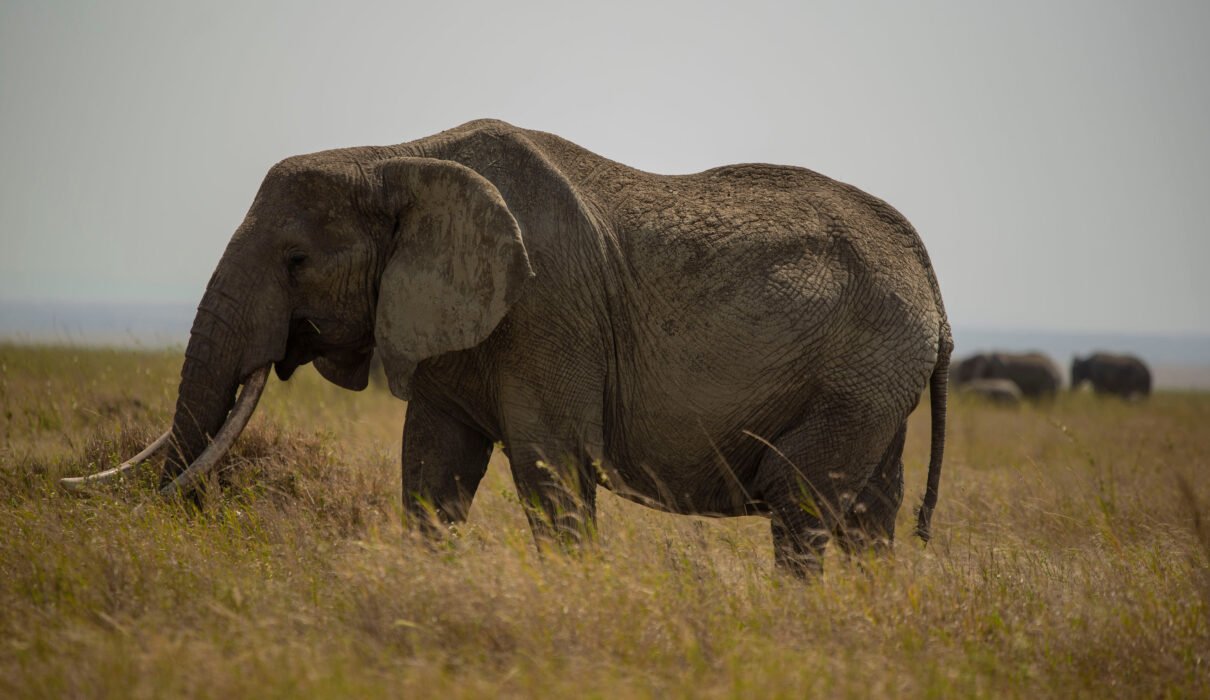
The Big Five Animals of Tanzania represent the true heart of African safari travel, bringing together the lion, leopard, elephant, buffalo and rhinoceros into one powerful story of survival, conservation and unforgettable encounters in some of the most protected and carefully managed wildlife landscapes on the continent.
For many travellers, seeing these animals in the wild is not just about ticking a list. It is about feeling the silence before a lion roars, watching elephants move gently across open plains, and understanding that every single sighting depends on strong protection systems, community involvement and responsible tourism choices.
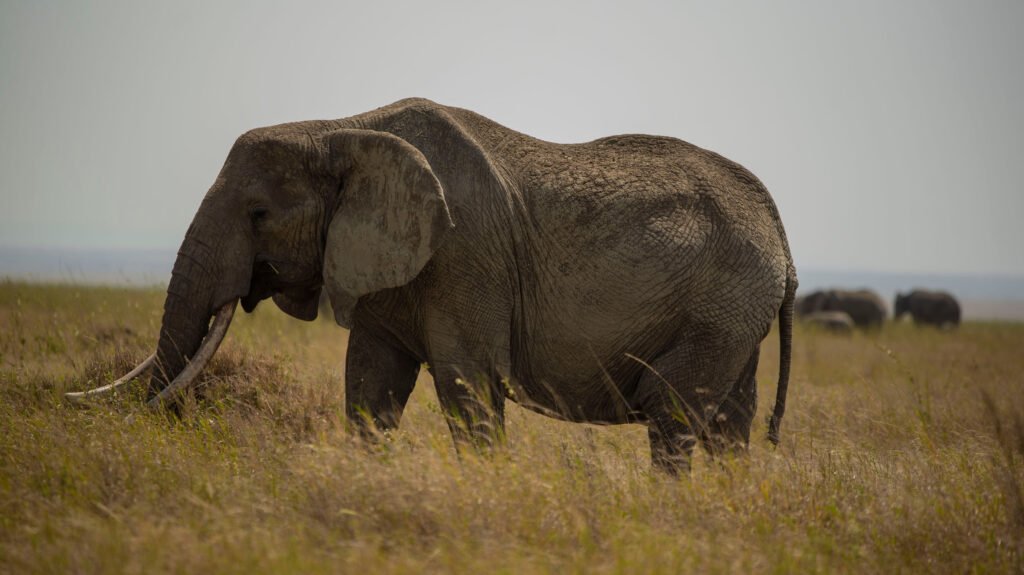
The Big Five Animals of Tanzania and why these species became global icons
The Big Five Animals of Tanzania originally became famous because of their strength, intelligence and ability to survive in difficult environments, but today they are recognised as symbols of conservation success and environmental responsibility. International conservation leadership from the International Union for Conservation of Nature plays a central role in assessing the threat levels facing each of these species, while global environmental coordination by the United Nations Environment Programme supports countries such as Tanzania in strengthening wildlife policies and protected area management. Research and long-term wildlife monitoring by the Wildlife Conservation Society and habitat protection initiatives from the African Wildlife Foundation continue to guide how these iconic animals are protected both inside and outside national parks.
In modern conservation, the Big Five are no longer seen only as impressive animals. They are key species that help maintain ecological balance and attract international attention and funding that supports wider biodiversity protection.
The Big Five Animals of Tanzania and the science behind their protection
The survival of The Big Five Animals of Tanzania depends heavily on science, data collection and long-term ecological research. Biodiversity information systems managed by the Global Biodiversity Information Facility allow scientists to track species distribution and population trends across East Africa, while conservation assessments supported by the Intergovernmental Science-Policy Platform on Biodiversity and Ecosystem Services guide governments on how to respond to declining wildlife numbers. Big cat research and protection programmes led by Panthera focus specifically on lions and leopards, while elephant and habitat protection initiatives from Conservation International and ecosystem restoration projects from The Nature Conservancy strengthen entire landscapes, not only individual species.
Climate change now adds a serious layer of risk to wildlife survival. Scientific assessments published by the Intergovernmental Panel on Climate Change confirm that increasing drought and changing rainfall patterns affect migration routes, food availability and breeding success for many large mammals in Tanzania.
The Big Five Animals of Tanzania and the landscapes that keep them alive
The Big Five Animals of Tanzania cannot survive without strong and healthy ecosystems that include grasslands, rivers, woodlands and migration corridors. Landscape and forest research led by the Center for International Forestry Research helps governments and park authorities understand how land-use change affects wildlife movement, while protected area monitoring coordinated by the UN Environment Programme World Conservation Monitoring Centre supports better planning of wildlife corridors and buffer zones. Sustainable land and ecosystem management guidance from the Food and Agriculture Organization further strengthens how communities and wildlife can share landscapes without conflict.
River systems, seasonal wetlands and forest edges are especially important for elephants, buffalo and rhinoceros, making landscape-level protection just as important as anti-poaching patrols.
The Big Five Animals of Tanzania and community conservation partnerships
One of the strongest conservation tools protecting The Big Five Animals of Tanzania is community involvement. Development research published by the World Bank clearly shows that wildlife tourism can improve livelihoods when local people are partners in conservation rather than excluded from it. Labour and employment standards promoted by the International Labour Organization help ensure that rangers, guides, drivers and support teams benefit fairly from wildlife-based tourism.
Cultural heritage and traditional land knowledge are also essential. Protection frameworks supported by UNESCO and community development research coordinated by the UN Department of Economic and Social Affairs highlight how respecting local culture strengthens long-term conservation and reduces conflict between people and wildlife.
The Big Five Animals of Tanzania and wildlife corridors beyond parks
The Big Five Animals of Tanzania depend on large, connected landscapes that extend far beyond national park boundaries. Landscape connectivity research conducted by the Wildlife Conservation Society and corridor protection strategies supported by the African Wildlife Foundation help maintain migration routes used by elephants, buffalo and predators that follow seasonal prey movements. These wildlife corridors reduce isolation of populations and help animals adapt to environmental change.
Scientific publishing platforms such as ScienceDirect support global sharing of research findings that guide how roads, farms and settlements can be planned without blocking animal movement.
The Big Five Animals of Tanzania and responsible safari tourism
Responsible tourism has become one of the most important funding sources for protecting The Big Five Animals of Tanzania. Research from the Overseas Development Institute confirms that well-managed tourism can support conservation budgets, ranger training and community projects while reducing reliance on unsustainable land use. Visitors who choose professionally guided safaris through Eddy Tours and Safaris directly support conservation education and local employment around major wildlife areas.
Many travellers design wildlife-focused journeys through custom safari itineraries in Tanzania, which allow them to explore multiple ecosystems while respecting park regulations and wildlife behaviour guidelines.
The Big Five Animals of Tanzania and visitor health and safety
High-quality wildlife experiences must also protect visitors and communities. Health and travel guidance published by the World Health Organization helps tourism operators strengthen medical preparedness and hygiene standards in remote areas, while emergency response and field safety frameworks promoted by the American Red Cross improve readiness for outdoor and wilderness environments.
Clear safety procedures protect people and reduce unnecessary disturbance to animals, creating a better experience for both wildlife and visitors.
The Big Five Animals of Tanzania and international wildlife law
Long-term protection of The Big Five Animals of Tanzania also depends on strong legal frameworks. Conservation planning and biodiversity policy supported by the Convention on Biological Diversity guide how countries design protected areas, control land conversion and support species recovery programmes. These international agreements help ensure that wildlife conservation is supported at national and regional levels.
The Big Five Animals of Tanzania as a life-changing travel experience
Seeing The Big Five Animals of Tanzania in their natural environment remains one of the most emotional and meaningful wildlife experiences in the world. Whether it is watching elephants protect their calves, observing a leopard resting in a tree, or hearing a lion call across open plains, these moments connect people deeply to nature and inspire long-term respect for wildlife.
Travellers who plan responsible journeys through professional local safari planning services are able to enjoy these encounters while supporting conservation, ranger operations and community partnerships. Many guests also prefer to continue their exploration through responsible wildlife travel programmes in Tanzania, where wildlife viewing is combined with cultural visits and conservation learning.
In simple words, The Big Five Animals of Tanzania are not only symbols of African wilderness. They are living proof that conservation, science, community partnerships and responsible tourism can work together to protect wildlife and create unforgettable experiences for travellers who care about the future of nature.