
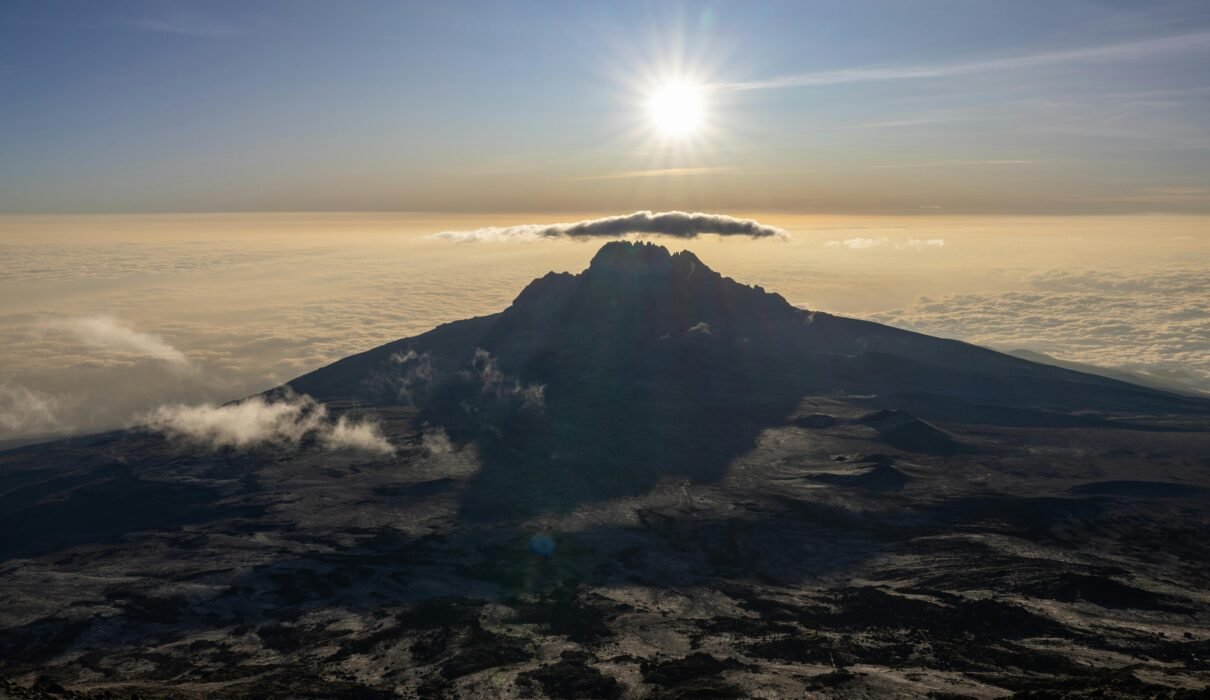
The Chagga Tribe: Indigenous People of Kilimanjaro is a story of resilience, deep environmental knowledge and a long relationship between people and one of Africa’s most powerful natural landmarks. For centuries, Chagga communities have lived on the fertile slopes of Mount Kilimanjaro, developing unique farming systems, social structures and cultural traditions that continue to shape daily life in northern Tanzania today. Understanding this history adds real meaning to any journey around the mountain.
This guide explains who the Chagga people are, how their culture developed, and why their traditional knowledge still matters for conservation and sustainable tourism today. Visitors who travel with trusted local specialists such as Eddy Tours & Safaris often discover that meeting local communities is just as powerful as seeing wildlife or reaching high altitude viewpoints.
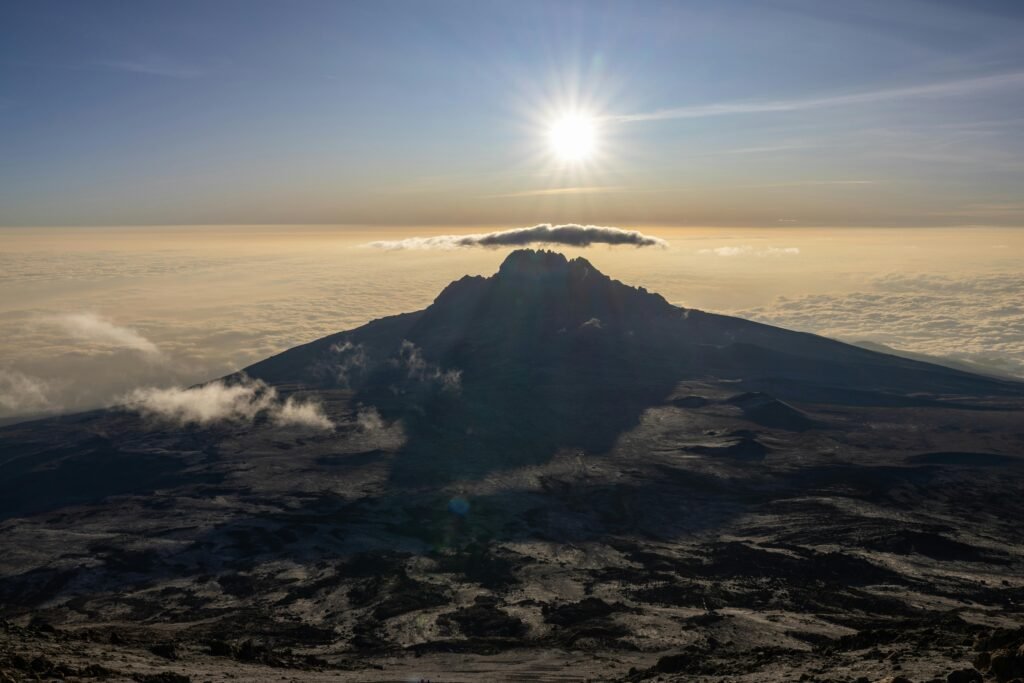
The Chagga Tribe: Indigenous People of Kilimanjaro and early settlement on the mountain slopes
When learning about The Chagga Tribe: Indigenous People of Kilimanjaro, it is important to begin with how settlement developed around the mountain. Archaeological and historical research shows that people were drawn to the lower and middle slopes of Kilimanjaro because of rich volcanic soils, reliable rainfall and permanent water streams. Human settlement patterns in East Africa are documented by institutions such as the British Museum and long-term regional studies coordinated through JSTOR.
Scholars working through the Smithsonian Institution and academic research programs supported by University of Cambridge research initiatives show that early communities developed permanent homesteads supported by intensive farming rather than seasonal migration. This stability allowed the Chagga to build strong social systems, land inheritance traditions and local leadership structures that still influence modern village organization.
The Chagga Tribe: Indigenous People of Kilimanjaro and traditional farming systems
A central feature of The Chagga Tribe: Indigenous People of Kilimanjaro is the famous home-garden farming system, locally known as the Chagga agroforestry system. Environmental research published by the Food and Agriculture Organization and ecological studies supported by the Center for International Forestry Research describe this system as one of the most sustainable indigenous land-use models in Africa.
This layered system combines banana plants, coffee, fruit trees, vegetables and shade trees in one integrated landscape. Scientific assessments published through the United Nations Environment Programme and land-use research coordinated by the International Union for Conservation of Nature show that such systems improve soil fertility, protect water catchments and increase resilience to climate stress.
The Chagga Tribe: Indigenous People of Kilimanjaro and water management knowledge
Another important part of The Chagga Tribe: Indigenous People of Kilimanjaro is their traditional irrigation system, which channels water from mountain streams to farms and homesteads. Hydrological studies published through the UNESCO water and culture programs and research by the International WaterCentre highlight how indigenous water management supports food security while protecting fragile mountain catchments.
Environmental monitoring by the United States Geological Survey and regional climate studies from NASA Climate show that mountain water systems are increasingly sensitive to rainfall variability, making Chagga knowledge more relevant today than ever before.
The Chagga Tribe: Indigenous People of Kilimanjaro and cultural identity
Culture remains a living part of The Chagga Tribe: Indigenous People of Kilimanjaro. Language, oral history, family lineage and traditional ceremonies continue to connect generations. Cultural documentation initiatives supported by the UNESCO Intangible Cultural Heritage programme and social research published through the Harvard University research programmes show how cultural continuity strengthens social resilience and identity.
Storytelling, traditional music and communal ceremonies are still used to pass on ethical values, land stewardship responsibilities and social rules that help communities manage shared resources peacefully.
The Chagga Tribe: Indigenous People of Kilimanjaro and environmental stewardship
Environmental care is deeply connected to The Chagga Tribe: Indigenous People of Kilimanjaro. Conservation organizations such as the World Wide Fund for Nature, the Conservation International and the African Wildlife Foundation recognize that indigenous land management plays a key role in protecting biodiversity around mountain ecosystems.
Scientific field studies published through Nature Research and ecological assessments shared on ScienceDirect show that traditional agroforestry supports bird diversity, insect populations and natural soil regeneration.
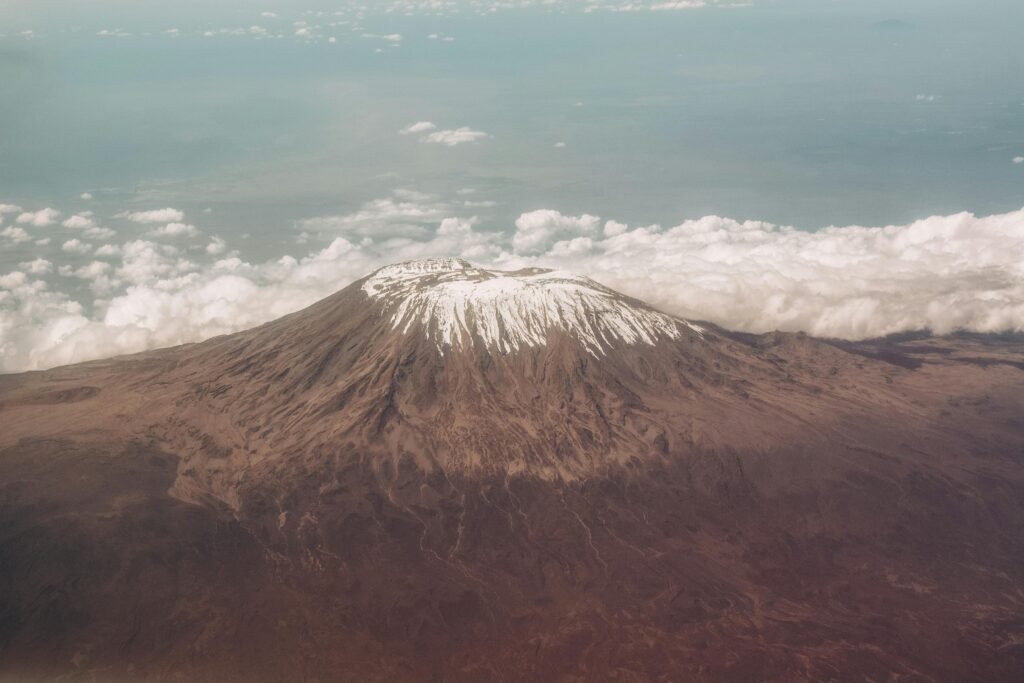
The Chagga Tribe: Indigenous People of Kilimanjaro and climate adaptation
Climate change is now reshaping many aspects of life connected to The Chagga Tribe: Indigenous People of Kilimanjaro. Global climate assessments by the Intergovernmental Panel on Climate Change and regional environmental monitoring by the United Nations Environment Programme show that changes in rainfall patterns and temperature affect both agriculture and water supply on Kilimanjaro’s slopes.
Local adaptation strategies, including crop diversification and soil conservation methods, closely align with sustainability principles promoted by the Food and Agriculture Organization and climate resilience programs supported by the World Bank Climate Change initiatives.
The Chagga Tribe: Indigenous People of Kilimanjaro and education
Education is becoming a powerful bridge between tradition and modern development for The Chagga Tribe: Indigenous People of Kilimanjaro. Research on indigenous education and sustainability published by the Organisation for Economic Co-operation and Development and social innovation studies supported by the United Nations Academic Impact highlight the value of combining traditional knowledge with modern science.
Local schools and community programs increasingly integrate environmental education, farming innovation and cultural heritage protection to prepare younger generations for both local and global challenges.
The Chagga Tribe: Indigenous People of Kilimanjaro and health and wellbeing
Traditional diets and active lifestyles remain an important part of The Chagga Tribe: Indigenous People of Kilimanjaro. Public health research shared by the World Health Organization and nutritional studies published through the U.S. National Library of Medicine emphasize how diverse plant-based diets support long-term health.
Local food systems built around bananas, beans, vegetables and fruits naturally support balanced nutrition and food security when combined with sustainable farming practices.
The Chagga Tribe: Indigenous People of Kilimanjaro and responsible tourism
Responsible tourism now plays a growing role in supporting The Chagga Tribe: Indigenous People of Kilimanjaro. Ethical tourism frameworks promoted by the International Labour Organization and community empowerment principles supported by Oxfam International highlight how fair employment and cultural respect strengthen community livelihoods.
Visitors who explore community experiences through professionally designed trips such as Tanzania safari and cultural programs help create income that supports education, conservation and local entrepreneurship.
The Chagga Tribe: Indigenous People of Kilimanjaro and conservation partnerships
Long-term protection of Kilimanjaro’s ecosystems increasingly depends on partnerships that include The Chagga Tribe: Indigenous People of Kilimanjaro. Conservation research coordinated by the Wildlife Conservation Society and community-based natural resource management initiatives promoted by the International Institute for Environment and Development show that conservation is most effective when local communities are fully involved.
Indigenous participation improves land-use planning, wildlife corridor protection and environmental monitoring across the mountain landscape.
The Chagga Tribe: Indigenous People of Kilimanjaro and modern livelihoods
Today, The Chagga Tribe: Indigenous People of Kilimanjaro combine agriculture, education, business and tourism services to support modern livelihoods. Entrepreneurship research supported by the International Finance Corporation shows how small enterprises contribute to rural economic resilience.
Many families now participate in tourism as guides, drivers, cooks and cultural interpreters, strengthening links between visitors and local communities.
Experience Chagga culture with respect and local guidance
Learning about The Chagga Tribe: Indigenous People of Kilimanjaro becomes more meaningful when visitors engage respectfully and with local guidance. Cultural experiences combined with wildlife and mountain activities allow travelers to see the full social and environmental story of Kilimanjaro.
You can explore culturally sensitive itineraries through Kilimanjaro travel programs or speak directly with local specialists using personal travel consultation to design a journey that supports communities while protecting the mountain environment.
Why the Chagga story matters for every visitor
Understanding The Chagga Tribe: Indigenous People of Kilimanjaro helps travelers see the mountain not only as a physical landmark, but as a living cultural landscape shaped by generations of care, innovation and resilience.
When your journey respects people, traditions and ecosystems, your experience becomes deeper and more responsible, creating positive impact long after your visit ends.