
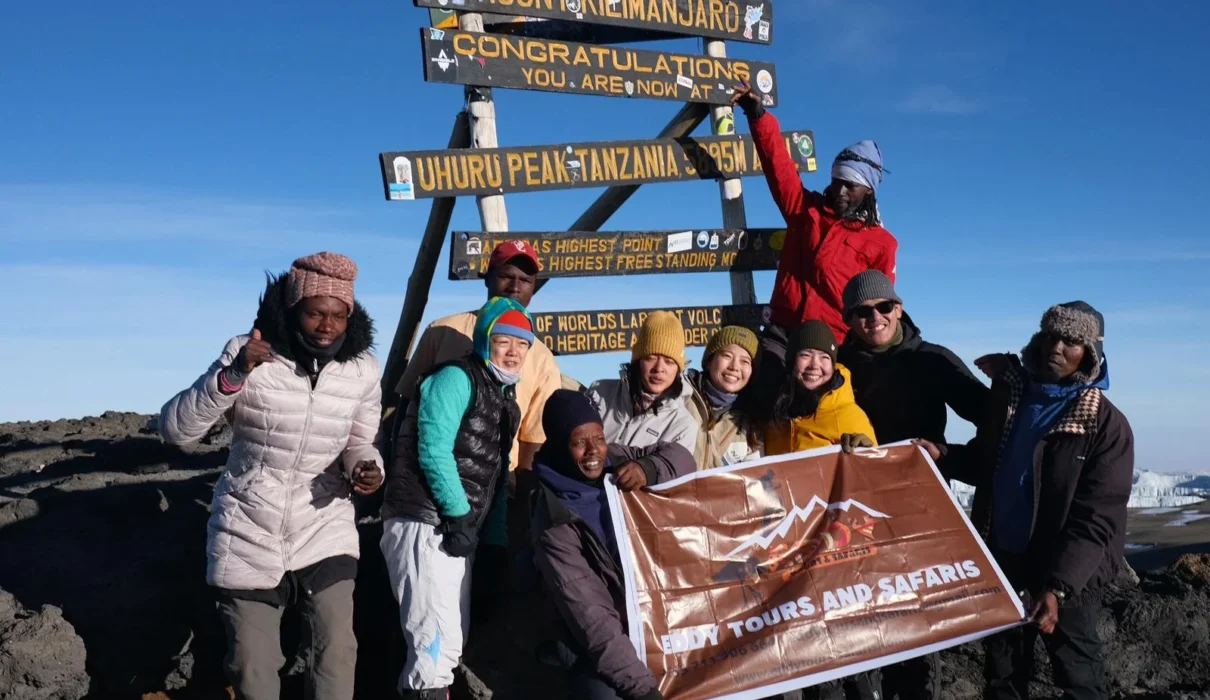
The Complete Mount Kilimanjaro Guide: Location, Climbing Routes, Costs & Tips for 2026–2028;Mount Kilimanjaro is one of those places that seems almost too iconic to be real. Its snow-capped summit rises above the plains of northern Tanzania, while elephants, giraffes and other wildlife can be found across the wider region. At 5,895 metres (19,341 feet), Kilimanjaro is the highest mountain in Africa and one of the most famous trekking destinations on the planet.
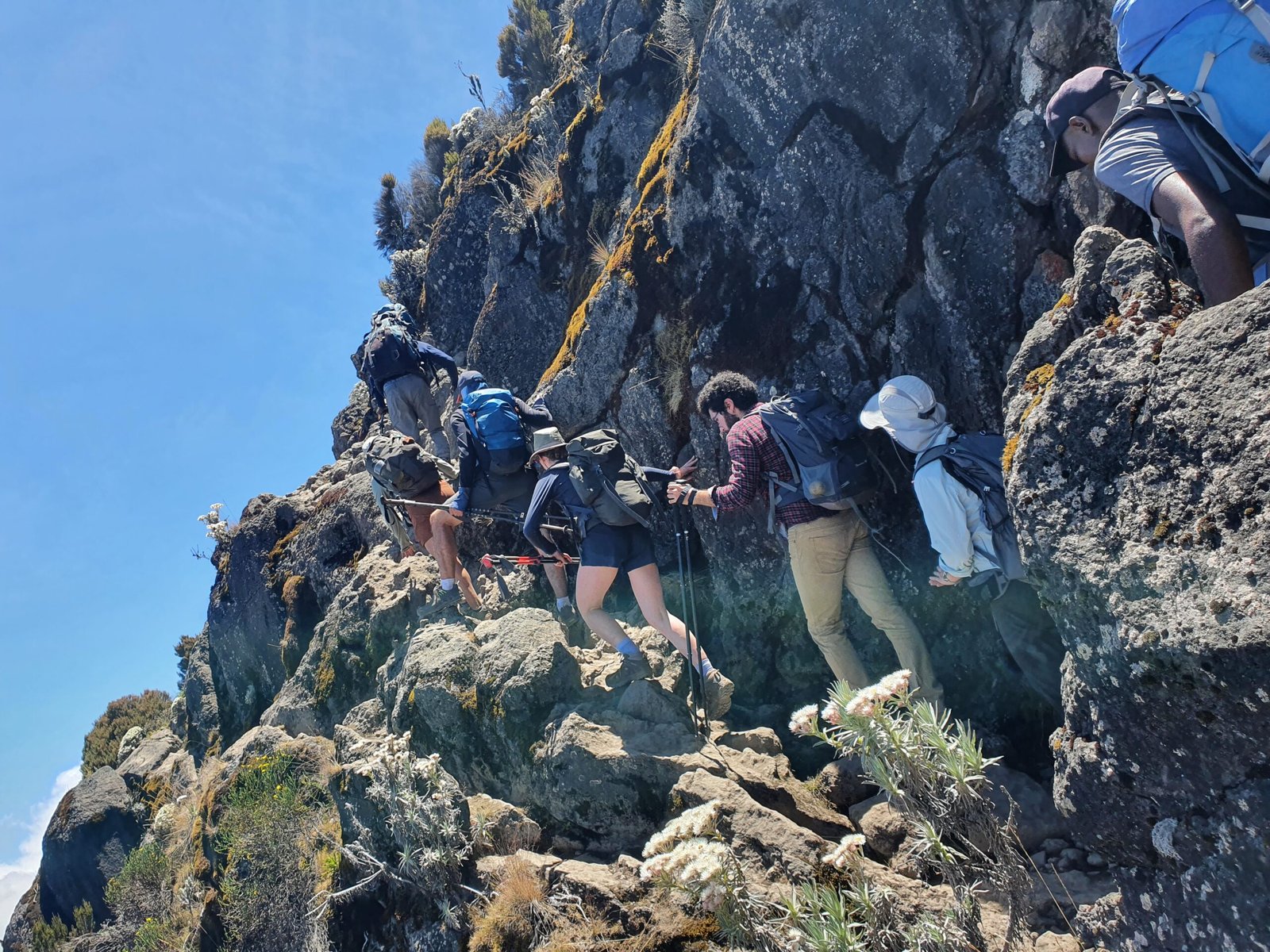
The good news is that you do not need to be a professional mountaineer to climb it. The standard routes do not require technical rock climbing or advanced mountaineering skills. But Kilimanjaro should never be confused with an easy hike. The altitude, cold, long trekking days and demanding summit night can test even experienced hikers.
If you are planning your adventure for 2026, 2027 or 2028, this complete guide covers what you need to know from where Kilimanjaro is and how to get there to the different climbing routes, expected costs, preparation, accommodation, weather, altitude and practical tips for giving yourself the best possible chance of reaching Uhuru Peak.
Where Is Mount Kilimanjaro?
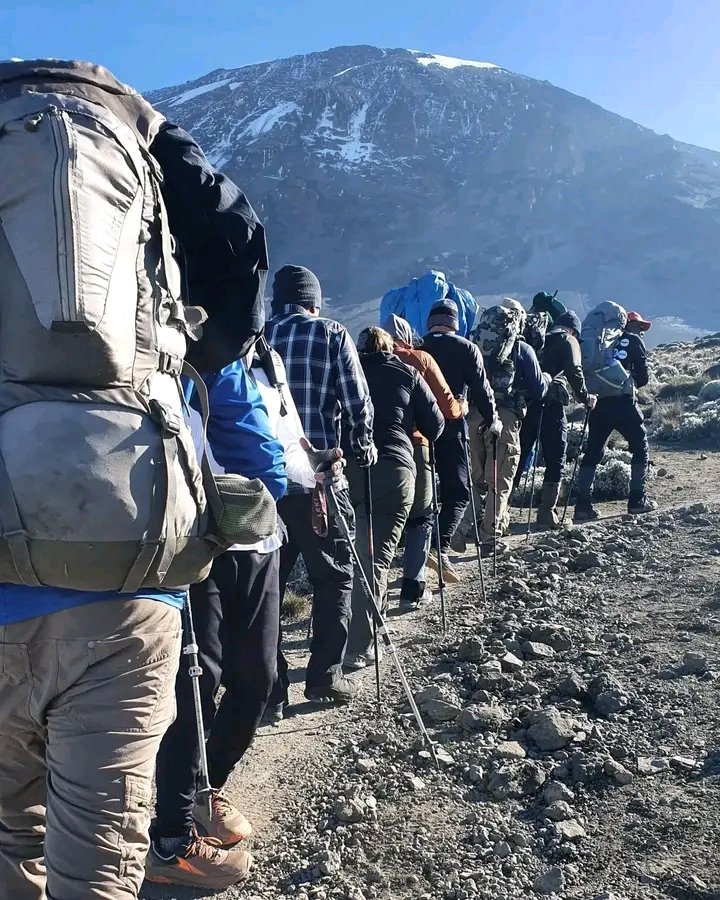
Mount Kilimanjaro is located in northern Tanzania, East Africa, close to Tanzania’s border with Kenya.
The mountain is protected within Kilimanjaro National Park, which is managed by Tanzania National Parks, commonly known as TANAPA. TANAPA describes Kilimanjaro National Park as home to Africa’s highest peak, at approximately 5,895 metres.
The closest major towns are:
- Moshi – the traditional base for Kilimanjaro climbs
- Arusha – a larger tourism hub and gateway to northern Tanzania
- Marangu – an important access point for the Marangu Route
- Hai – the district surrounding Kilimanjaro International Airport
Kilimanjaro is actually a volcanic massif made up of three major volcanic cones:
- Kibo – the highest cone and location of Uhuru Peak
- Mawenzi – rugged and technically more difficult
- Shira – the lower western cone
When most travellers say they are climbing Kilimanjaro, they mean trekking to Uhuru Peak on Kibo.
Why Is Kilimanjaro So Special?
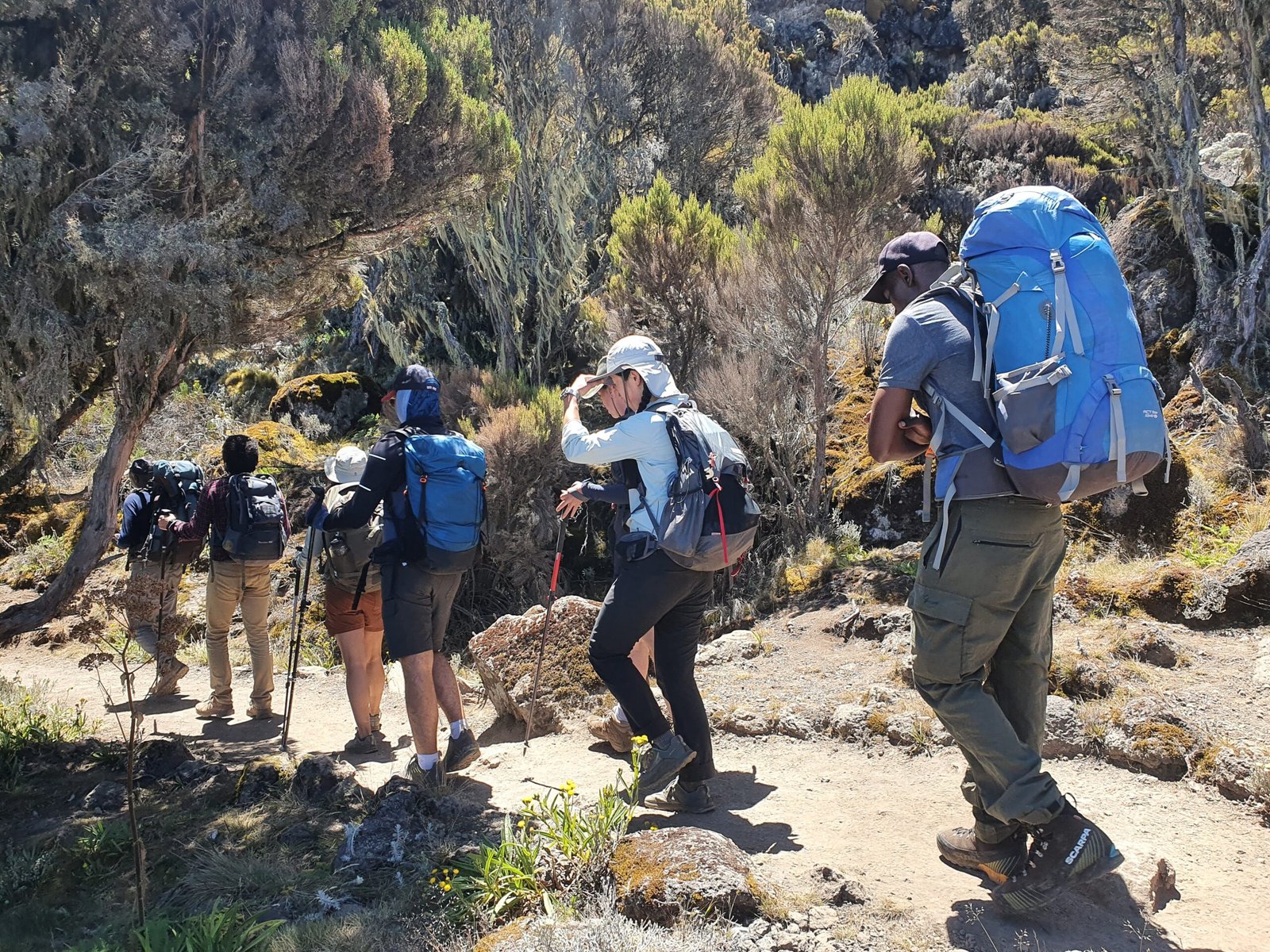
Kilimanjaro is unusual because you can experience several dramatically different environments during one climb.A typical ascent takes you through:Cultivated land – Rainforest –Moorland –Alpine desert- Arctic/high-altitude summit zone
You can begin your trek surrounded by lush vegetation and finish several days later walking across volcanic terrain where almost nothing grows.
That contrast is part of the magic,But the mountain’s biggest challenge is not technical climbing,It is altitude.
At nearly 5,900 metres, there is considerably less available oxygen than at sea level. This is why someone who can comfortably run a marathon can still struggle on Kilimanjaro .Fitness helps.Experience helps.But acclimatization is critical.
How Do You Get to Mount Kilimanjaro?
For most international visitors, the easiest gateway is Kilimanjaro International Airport (JRO).
The airport is located in the Kilimanjaro region between Moshi and Arusha and is specifically designed to serve the northern Tanzania tourism circuit.From JRO, you can arrange a private transfer to Moshi or Arusha through your climbing company.
The Tanzania Airports Authority provides official airport information and identifies Kilimanjaro International Airport as being in Hai, Kilimanjaro, Tanzania.
The easiest travel arrangement
For a typical international traveller, the journey looks like:
International flight – Kilimanjaro International Airport – Moshi – Hotel – Mountain briefing – Kilimanjaro National Park
Moshi is especially convenient because many climbing operators are based there.
Can You Fly Through Nairobi?
Yes.Another option is to fly to Nairobi, Kenya, and then travel overland toward northern Tanzania.
This can sometimes make financial sense if flights to Nairobi are significantly cheaper than flights to Kilimanjaro International Airport.
However, it adds another part to your journey, including road transportation and border formalities.
If convenience is your priority, flying directly into JRO is usually the simpler choice.
If you are combining Kenya and Tanzania in one East African holiday, however, arriving through Nairobi can make more sense.
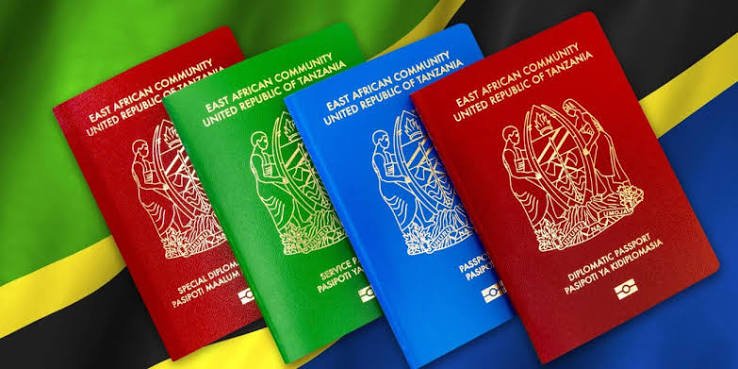
Tanzania Visa Requirements for Kilimanjaro
Visa requirements depend on your nationality, so always check the current requirements before travelling.
Tanzania Immigration operates an official online visa system. The government advises applicants to use the official Tanzania Immigration website rather than third-party visa websites.
The current official guidance states that applicants should generally have a passport valid for at least six months and at least one unused visa page. Visitors may also need to show a return ticket.
For tourism, Tanzania’s current guidance lists the Ordinary Visa at US$50, while U.S. citizens travelling for tourism generally require a Multiple Entry Visa listed at US$100. Visa requirements and fees can change, so confirm the rules applicable to your nationality before booking.
The safest approach is to start with the official Tanzania Immigration portal.
When Should You Climb Kilimanjaro?
Kilimanjaro can be climbed throughout much of the year, but some months generally provide better trekking conditions.The traditional preferred periods are:
January to early March
This is one of the popular dry-season windows.You can experience relatively good trekking conditions, although weather at high altitude remains unpredictable.
Late June to October
This is another major climbing season and is particularly popular with international visitors.July, August and September can be busy.
March to May
This period generally receives heavier rainfall, particularly during the long rains.Climbing is still possible, but conditions can be wetter and trails may be more challenging.
October to November
The short rains can affect conditions, although some climbers deliberately choose these shoulder-season periods because they can be quieter.
What about 2026–2028?
For planning purposes, the broad seasonal pattern should remain useful for all three years:2026: January–early March and late June–October are popular choices.2027: The same general pattern applies.2028: Again, January–early March and late June–October are traditionally attractive.
But remember: weather forecasts cannot guarantee perfect conditions on Kilimanjaro.
A dry-season climb can still involve rain, wind, cloud, snow and freezing temperatures.
The Main Kilimanjaro Climbing Routes
Choosing the right route may be the most important decision you make after choosing a reputable operator.
The major routes include:
- Machame
- Lemosho
- Marangu
- Rongai
- Northern Circuit
- Umbwe
TANAPA’s official materials and visitor information cover Kilimanjaro’s routes, park procedures and climbing arrangements.
Let’s look at what makes each route different.
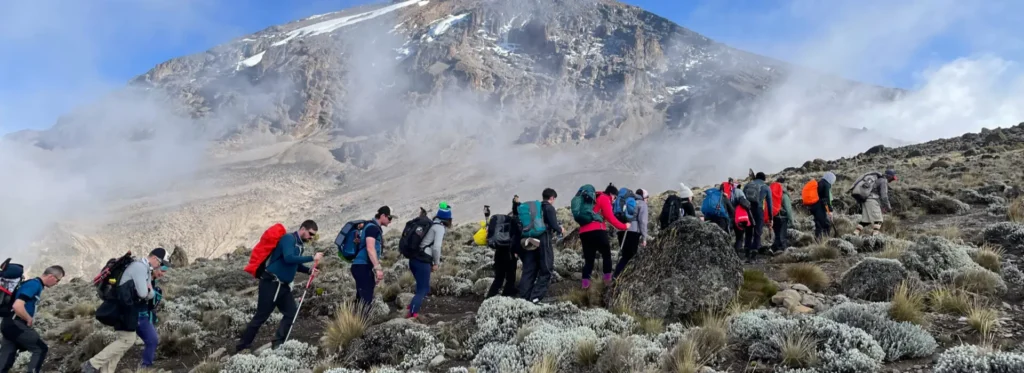
1. Machame Route
The Machame Route is one of the most popular Kilimanjaro routes.
It is sometimes called the Whiskey Route, and it offers beautiful scenery as it climbs through different ecological zones.
A typical itinerary lasts around 6–7 days, although adding time for acclimatization can make the experience more comfortable.
Advantages
- Excellent scenery
- Strong acclimatization profile on longer itineraries
- Popular and well established
- Good option for first-time climbers
Disadvantages
- Can be crowded during peak seasons
- Camping rather than hut accommodation
- Some sections involve steep climbs
Who should choose Machame?
If you want a classic Kilimanjaro experience with beautiful scenery and don’t mind camping, Machame is a strong option.
2. Lemosho Route
The Lemosho Route is often one of the best choices for travellers who have enough time.
It approaches Kilimanjaro from the west and provides a longer, more gradual experience before joining the southern circuit.
A typical itinerary is approximately 7–8 days, although longer versions are possible.
Advantages
- Excellent scenery
- More gradual approach
- More time for acclimatization
- Strong choice for first-time climbers
Disadvantages
- More expensive than shorter routes
- More days required
Who should choose Lemosho?
If your priority is giving yourself a good acclimatization opportunity rather than finding the cheapest or shortest climb, Lemosho deserves serious consideration.
3. Marangu Route
Marangu is often called the Coca-Cola Route.
It is famous because it uses huts rather than tents for accommodation.
This makes it attractive to people who don’t like camping.
However, the route is sometimes offered in shorter itineraries, and that can be a disadvantage when it comes to acclimatization.
Advantages
- Hut accommodation
- Straightforward logistics
- Often less expensive than longer routes
- Familiar route with established infrastructure
Disadvantages
- Shorter itineraries can be tough on acclimatization
- Same ascent and descent route
- Can become busy
Who should choose Marangu?
It is particularly attractive if sleeping in huts is important to you.
But don’t choose it simply because it is shorter.
On Kilimanjaro, more time is often better than less.
4. Rongai Route
The Rongai Route approaches Kilimanjaro from the northeastern side near the Kenyan border.
It offers a different perspective of the mountain and can sometimes feel quieter than the most heavily travelled southern routes.
Advantages
- Different scenery
- Often quieter
- Good alternative for repeat climbers
Disadvantages
- Less dramatic rainforest experience on some itineraries
- Longer logistics depending on the starting point
Rongai is worth considering if you want something slightly different from the classic Machame experience.
5. Northern Circuit
The Northern Circuit is the longest major Kilimanjaro route.
It circles around the northern side of Kibo before heading toward the summit.
The major attraction is simple:
More time on the mountain can mean better acclimatization.
Advantages
- Excellent acclimatization opportunity
- Beautiful scenery
- Quieter sections
- Long itinerary
Disadvantages
- More expensive
- Requires more vacation time
If you have the budget and time, the Northern Circuit can be an excellent choice.
6. Umbwe Route
Umbwe is considered one of the steeper and more demanding approaches.
It is generally not the route I would recommend to a first-time climber simply looking for the easiest path to Uhuru Peak.
It can suit experienced trekkers who specifically want a more challenging approach.
But if your main goal is maximizing your chance of summiting, a longer acclimatization-focused route is usually a more sensible strategy.
How Much Does It Cost to Climb Kilimanjaro in 2026–2028?
This is one of the most common questions, and there is no single answer.
A Kilimanjaro trip consists of many different costs.
Your total budget can include:
- Park fees
- Camping or hut fees
- Guide fees
- Porter wages
- Food
- Transport
- Hotel accommodation
- Airport transfers
- Equipment
- Tips
- Visa
- Travel insurance
- International flights
- Optional safari
- Optional Zanzibar holiday
TANAPA publishes official park tariffs, but the tariff currently displayed online is based on the 2023/2024 financial year, so it should not be treated as a guaranteed 2026–2028 price. TANAPA itself provides the current tariff system and notes that park fees are part of its published fee structure.
For example, the published TANAPA tariff shows a non-resident Kilimanjaro conservation fee of US$70.80 per adult per day under that tariff period, while camping and accommodation charges are separate.
That is why a package advertised as “US$1,500” should not automatically be compared with another operator advertising “US$2,500.”
They may include completely different things.
What Is a Realistic Overall Budget?
For international travellers, a practical planning range for a professionally organized Kilimanjaro climb is often around:
Budget level
Approximately US$1,800–US$2,500+ per person
Usually involves a shorter route or larger group and fewer extras.
Mid-range
Approximately US$2,500–US$3,500+ per person
Often provides a better route, more days, stronger logistics and comfortable accommodation.
Premium/private
US$3,500–US$5,000+ per person
May include a private climb, longer route, higher-quality hotels, private transfers and additional services.
These are planning ranges, not official fixed prices. Actual 2026–2028 quotations will depend on the operator, route, group size, season and the applicable park tariffs.
Flights and optional safari or Zanzibar extensions can increase the overall trip cost considerably.
Why Are Some Kilimanjaro Packages So Cheap?
If you find a package dramatically cheaper than competing operators, ask questions.
The low price may mean:
- Fewer climbing days
- Larger groups
- Basic accommodation
- Excluded park fees
- Excluded transfers
- Equipment rental not included
- Tips excluded
- Limited food service
- Reduced porter support
- Other hidden charges
Don’t choose a Kilimanjaro operator based on price alone.
A professional mountain crew is part of your safety system.
What Should a Good Kilimanjaro Package Include?
Before paying a deposit, ask for a detailed written quotation.
Ideally, your package should explain whether it includes:
Before climbing
- Airport pickup
- Hotel accommodation
- Breakfast
- Pre-climb briefing
- Equipment inspection
- Transport to the mountain gate
During climbing
- Park entrance fees
- Camping or hut fees
- Professional mountain guide
- Porters
- Cook
- Tents
- Sleeping arrangements
- Meals
- Drinking water
- Park registration
- Emergency procedures
- Transfers
After climbing
- Transport from the mountain
- Hotel accommodation
- Breakfast
- Airport transfer
Then ask what is not included.
This second question is just as important.
How Many Days Should You Spend on Kilimanjaro?
This is one area where saving money can work against you.
Yes, you can find shorter itineraries.
But if your primary goal is to reach Uhuru Peak, I would generally favor approximately 7–9 days on the mountain where your schedule and budget allow.
Why?
Because your body needs time to adjust.
The higher you go, the more important acclimatization becomes.
A rushed itinerary can leave you exhausted before the most difficult part of the climb even begins.
What Is Summit Night Like?
Summit night is unlike anything else on the trek.
You usually leave your high camp around midnight or in the early hours.
It is dark.
It is cold.
The air is thin.
You walk slowly.
Very slowly.
Your guide may set a pace that initially feels almost ridiculously slow.
That’s intentional.
You don’t want to burn through your energy during the first few hours.
The climb continues through the darkness toward the crater rim.
Depending on your route and conditions, you may reach Stella Point, then continue along the crater rim toward Uhuru Peak.
Eventually, the sky begins to brighten.
And then you see the summit.
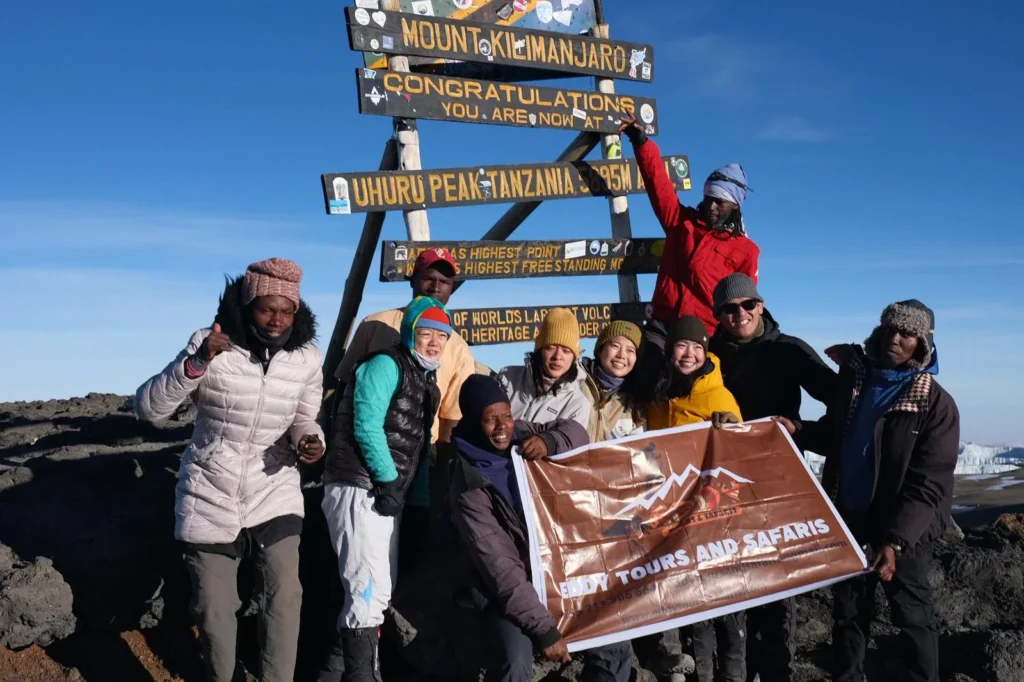
Reaching Uhuru Peak
Uhuru Peak is the highest point of Mount Kilimanjaro and the highest point in Africa.
The moment you arrive can be emotional.
Some people cry.
Some laugh.
Some simply stand there staring at the landscape.
After days of walking, altitude, cold, dust and exhaustion, you finally reach the summit.
But don’t stay longer than necessary.
At nearly 5,900 metres, your body is under considerable stress.
Take your photographs.
Enjoy the moment.
Then begin your descent according to your guide’s instructions.
How Difficult Is Kilimanjaro?
Kilimanjaro is physically demanding but does not normally require technical climbing skills on its standard trekking routes.
The biggest challenges are:
Altitude
This is number one.
Altitude affects people differently.
Being fit does not guarantee that you will acclimatize well.
Long trekking days
You may spend many hours walking.
Summit night
The final ascent combines cold, darkness, altitude and fatigue.
Weather
Conditions can change quickly.
Mental endurance
There will probably be moments when you wonder why you ever decided to climb the mountain.
That is normal.
How Do You Train for Kilimanjaro?
You don’t need to become a professional athlete.
Instead, focus on endurance.
Cardio
Walking, hiking, cycling, swimming, running and stair climbing can all help.
Strength
Train:
- Squats
- Lunges
- Step-ups
- Calf raises
- Core exercises
Hiking
If possible, do regular long hikes.
Practice carrying the backpack you will use.
Downhill training
This is often overlooked.
Descending can be surprisingly hard on your thighs and knees.
Train consistently
Six months of sensible training is much better than trying to become extremely fit three weeks before your trip.
The Most Important Kilimanjaro Rule: Pole Pole
During your climb, you will probably hear your guide say:
Pole pole.
It means slowly, slowly.
Take it seriously.
The goal isn’t to be first to camp.
The goal is to arrive at camp with enough energy to continue tomorrow.
Fast walkers often discover that the mountain eventually catches up with them.
Slow and steady is not weakness on Kilimanjaro.
It is strategy.
What Should You Pack?
Your exact packing list will depend on the season and route, but your essential equipment should generally include:
- Quality hiking boots
- Waterproof hiking jacket
- Waterproof trousers
- Warm fleece
- Insulated/down jacket
- Thermal base layers
- Warm trekking trousers
- Summit trousers
- Warm gloves
- Hat or beanie
- Sun hat
- Sunglasses
- Headlamp
- Spare batteries
- Trekking poles
- Sleeping bag
- Daypack
- Duffel bag
- Water bottles
- Water purification system if required
- Sunscreen
- Lip balm
- Personal toiletries
- Personal medication
- Basic first-aid supplies
- Snacks
- Passport
- Travel documents
- Insurance documents
Your tour operator should provide a route-specific equipment list.
What Should You Eat on Kilimanjaro?
Food becomes important because you are burning energy every day.
A good mountain menu usually includes a mixture of:
- Rice
- Pasta
- Potatoes
- Vegetables
- Fruit
- Eggs
- Meat
- Soup
- Bread
- Porridge
- Tea
- Coffee
- High-energy snacks
Don’t wait until you’re starving before eating.
Small, regular meals and snacks can be easier at altitude.
Hydration Matters
Drink regularly throughout the day.
You may not feel as thirsty in cold conditions, but your body is still losing fluid through breathing and exertion.
Your guide or operator should advise you on the mountain’s water arrangements.
A hydration bladder can be convenient during the day, although bottles are useful backups because hydration systems can freeze during summit night.
Altitude Sickness: Take It Seriously
Altitude sickness is one of the most important safety issues on Kilimanjaro.
Possible symptoms can include:
- Headache
- Nausea
- Dizziness
- Loss of appetite
- Fatigue
- Difficulty sleeping
- Shortness of breath
More serious symptoms can occur at high altitude and require immediate attention.
The most important thing you can do is tell your guide how you feel.
Do not hide symptoms because you are determined to summit.
If your guide believes you need to descend, listen.
No summit photograph is worth risking your life.
Travel Insurance for Kilimanjaro
Travel insurance is essential.
But don’t simply buy a generic travel policy.
Check the fine print.
Your policy should specifically address:
- High-altitude trekking
- Trekking up to approximately 6,000 metres
- Emergency medical treatment
- Evacuation
- Repatriation
- Trip cancellation
- Lost baggage
- Delays
Some insurers exclude high-altitude activities unless you purchase additional coverage.
Read the policy before you leave home.
Can Beginners Climb Kilimanjaro?
Absolutely.
Thousands of people with no previous high-altitude climbing experience attempt Kilimanjaro.
The key is preparation.
You should be reasonably fit, choose a sensible route, allow adequate acclimatization time and work with a reputable operator.
You do not need to know how to use ropes or climb technical rock on the normal trekking routes.
But you do need to respect the mountain.
What Is the Best Kilimanjaro Route for Beginners?
There is no single answer, but if I were advising a first-time climber whose priority was a good chance of reaching Uhuru Peak, I would look closely at:
Lemosho
Excellent scenery and a longer acclimatization opportunity.
Machame
Classic scenery and a strong overall Kilimanjaro experience.
Northern Circuit
Excellent if you have enough time and budget.
Marangu
Good if hut accommodation is important, but choose an itinerary that allows sufficient acclimatization rather than simply selecting the shortest version.
Sample 8-Day Kilimanjaro Adventure
A longer itinerary might look roughly like this:
Day 1 – Arrival
Arrive in Tanzania and transfer to Moshi.
Check into your hotel and rest.
Day 2 – Briefing
Meet your guide.
Check equipment.
Review the itinerary.
Day 3 – Begin the climb
Enter Kilimanjaro National Park and begin your ascent.
Day 4 – Continue upward
The vegetation and landscape begin to change.
Walk slowly and settle into your mountain rhythm.
Day 5 – Acclimatization
Continue climbing while allowing your body to adjust.
Day 6 – High camp
Move toward the high-altitude zone.
Prepare mentally and physically for summit night.
Day 7 – Uhuru Peak
Wake around midnight.
Begin the summit attempt.
Reach the crater rim and continue toward Uhuru Peak.
Celebrate.
Descend.
Day 8 – Final descent
Complete the descent and return to your hotel.
Enjoy a proper shower.
Eat a big meal.
Sleep.
You earned it.
Kilimanjaro and Safari: The Perfect Combination
One of the great advantages of climbing Kilimanjaro is that it can easily be combined with a northern Tanzania safari.
After your climb, you could visit:
- Serengeti National Park
- Ngorongoro Conservation Area
- Tarangire National Park
- Lake Manyara area
A typical extended trip could look like:
Kilimanjaro – Arusha – Tarangire – Serengeti -Ngorongoro – Arusha
Or you can continue to Zanzibar for a few days of beach time.That combination gives you mountains, wildlife and Indian Ocean beaches in one trip.
Kilimanjaro Budget Example
For planning purposes, imagine a traveller arranging an 8-day climb.
Your budget might look something like:
| Expense | Approximate Planning Range |
|---|---|
| Kilimanjaro climb package | US$2,000–US$3,500+ |
| International flights | US$700–US$1,500+ |
| Tanzania visa | Often US$50–US$100 depending on nationality |
| Travel insurance | US$50–US$200+ |
| Equipment rental/purchases | US$100–US$500+ |
| Tips | Budget separately |
| Safari extension | US$500–US$2,000+ |
| Zanzibar extension | US$400–US$1,500+ |
These are planning estimates rather than official quotations. Your actual costs will depend on your nationality, departure country, season, route, group size, operator and accommodation choices.
TANAPA’s official tariff system should be checked when your operator prepares your final quotation because park fees can change between financial years.
How to Choose a Kilimanjaro Tour Operator
This decision deserves serious attention.
Before booking, ask:
Is the company properly registered?
How experienced are the guides?
What is the guide-to-client ratio?
How many porters are included?
What happens in an emergency?
How are altitude problems handled?
What equipment is supplied?
What happens if I cannot summit?
Are park fees included?
Are airport transfers included?
Are tips included?
What happens if the weather disrupts the itinerary?
A professional operator should answer these questions clearly.
TANAPA also publishes information on tour-operator registration and visitor procedures, which is useful when checking the credibility of a company.
Responsible Tourism on Kilimanjaro
Kilimanjaro isn’t just a tourist attraction.It is a protected natural environment and a source of livelihood for many people.As a visitor, you can help by:
- Carrying out your waste
- Avoiding unnecessary plastic
- Staying on designated trails
- Following park rules
- Respecting local communities
- Treating guides and porters fairly
- Avoiding irresponsible operators
- Not taking natural objects from the mountain
- Using water responsibly
TANAPA provides visitor guidelines and environmental protection procedures for national parks.
Your choices as a traveller matter.
Kilimanjaro Planning Calendar
6–12 months before
Choose your travel dates.
Choose your route.
Research operators.
Compare packages.
Book the climb.
Arrange international flights.
3–6 months before
Confirm accommodation.
Check your passport.
Review visa requirements.
Purchase suitable travel insurance.
Begin serious training.
1–2 months before
Break in your hiking boots.
Complete long-distance hikes.
Test your clothing.
Check your backpack.
Confirm airport transfers.
1–2 weeks before
Review the weather.
Confirm your hotel.
Confirm your climbing operator.
Check your documents.
Pack carefully.
Arrival in Tanzania
Rest.
Hydrate.
Attend your briefing.
Check equipment.
Don’t try to do too much immediately after a long international flight.
Frequently Asked Questions
Is Kilimanjaro difficult?
Yes, but the difficulty is mainly physical endurance and altitude rather than technical climbing.
Can someone with no climbing experience summit Kilimanjaro?
Yes. Beginners successfully climb Kilimanjaro every year.
What is the highest point?
Uhuru Peak, approximately 5,895 metres above sea level.
How long does climbing Kilimanjaro take?
Common itineraries range from about five days to nine or more days, depending on the route. Longer itineraries generally provide more acclimatization time.
Which route is best?
For many first-time climbers, Lemosho and Machame are excellent choices. The Northern Circuit is especially attractive if you have more time.
Is January a good month?
Yes. January through early March is traditionally one of the preferred climbing windows.
Is August a good month?
Yes. August falls within a popular dry-season climbing period.
Can I climb in November?
Yes, but you should be prepared for potentially wetter conditions associated with the short rains.
Do I need a guide?
Kilimanjaro climbs are conducted under national-park procedures and guiding arrangements. Always confirm the current rules and your operator’s credentials before travelling.
How much money should I budget?
For the climb alone, a broad planning range of roughly US$2,000–US$3,500+ is reasonable for many professionally organized itineraries, but actual prices vary substantially.
Is tipping expected?
Tipping is an important part of the Kilimanjaro trekking culture and contributes significantly to the income of guides, porters and other crew members. Ask your operator for its current recommended tipping structure.
Final Kilimanjaro Advice
If there is one message I would want every future Kilimanjaro climber to remember, it is this,Don’t rush the mountain.Choose enough days.Choose a route that gives you time to acclimatize.
Train before you arrive.
Invest in good equipment.
Choose a responsible operator.
Walk slowly.
Eat even when you don’t feel hungry.
Drink regularly.
Listen to your guide.
And don’t be afraid to turn around if your health requires it.
The summit is important, but getting there safely is more important.
Mount Kilimanjaro is one of those rare adventures where the journey itself becomes part of the reward. You begin among green forests, climb through changing landscapes, watch the world below become smaller, and eventually find yourself walking through darkness toward the highest point in Africa.
When the sun finally rises over Tanzania and you are standing near Uhuru Peak, you will understand why people return to this mountain again and again.