
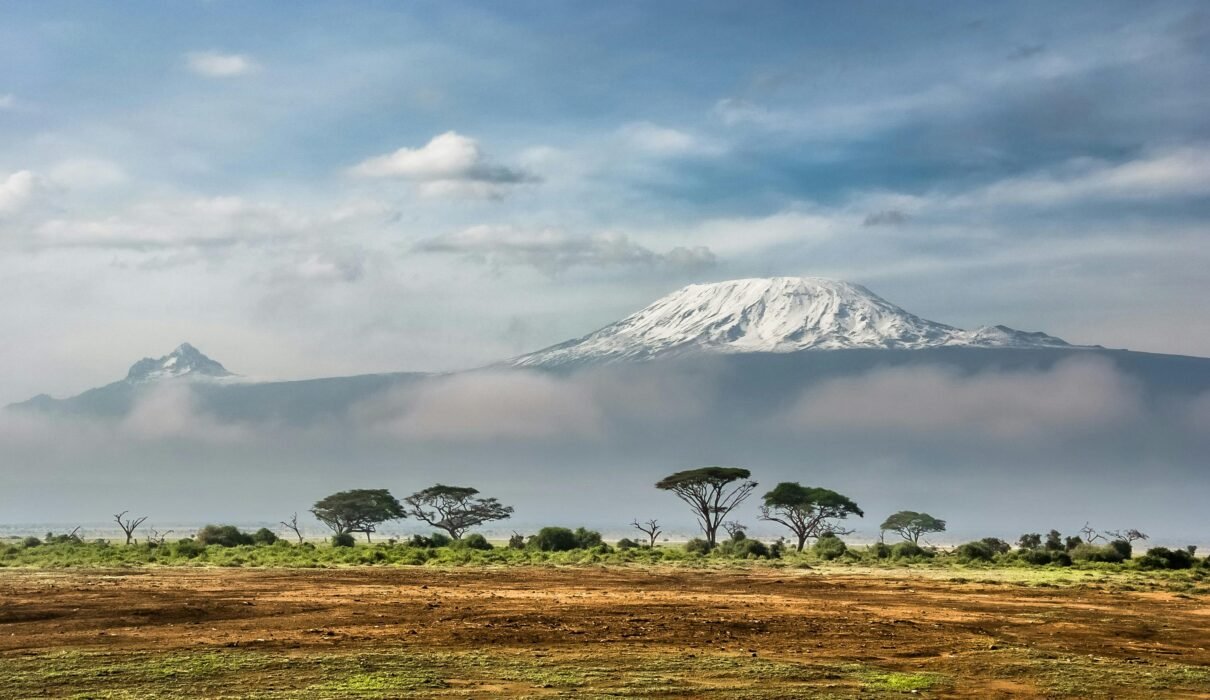
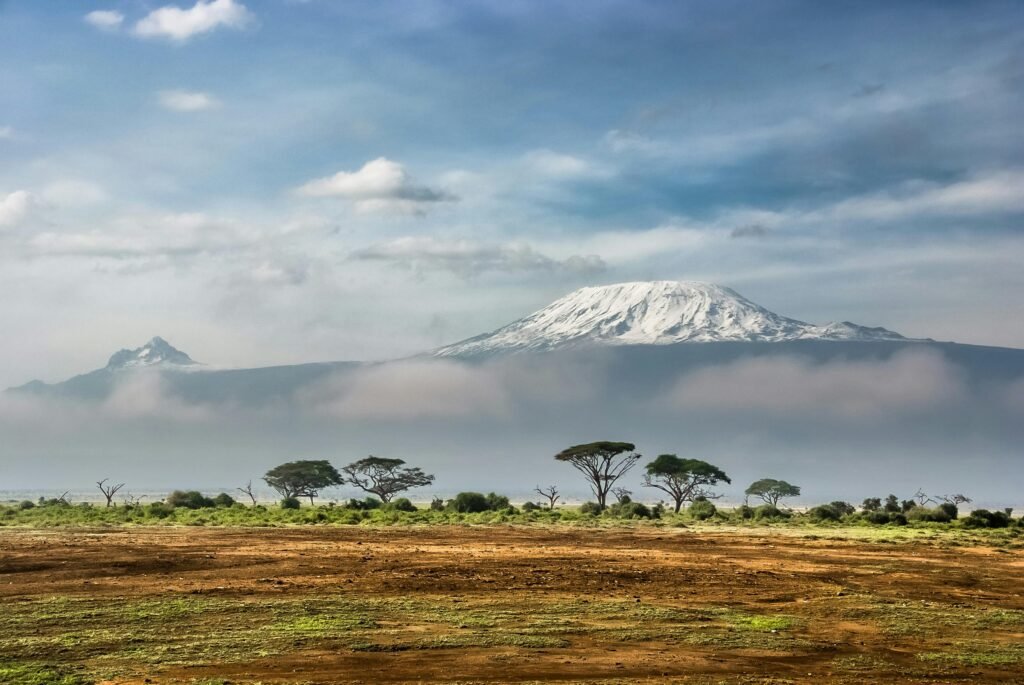
The Furtwängler Glacier: Kilimanjaro’s Last Ice Cap stands as one of the most powerful and emotional natural symbols on Mount Kilimanjaro, representing both the long geological history of the mountain and the dramatic environmental changes shaping high-altitude ecosystems in East Africa. Located close to the summit crater of Kibo, this small but historically important glacier has become a living classroom for climate science, conservation research and environmental awareness, drawing attention from scientists and responsible travelers across the world.
Understanding this glacier is not only about ice and altitude. It is about how tropical mountains respond to global environmental pressure, how scientific monitoring helps protect fragile landscapes, and how responsible travel can support conservation and education. Travelers planning their journey with experienced local specialists such as Eddy Tours & Safaris often discover that learning the story behind Kilimanjaro’s ice creates a deeper connection to the mountain and a stronger respect for its future.
The Furtwängler Glacier: Kilimanjaro’s Last Ice Cap and its scientific importance
The global attention surrounding The Furtwängler Glacier: Kilimanjaro’s Last Ice Cap comes from its unique role in tropical glaciology. Unlike polar or alpine glaciers found in colder regions, Kilimanjaro’s ice exists under very different atmospheric and solar conditions. Long-term glaciological research published by the National Snow and Ice Data Center and climate datasets provided by NASA Climate demonstrate how tropical glaciers respond more rapidly to temperature shifts and changes in moisture patterns.
Scientific assessments coordinated by the World Meteorological Organization and climate analysis produced by the Intergovernmental Panel on Climate Change consistently identify tropical mountain glaciers as sensitive indicators of atmospheric change. The glacier’s position near the crater rim allows researchers to observe interactions between radiation, wind exposure and ice loss under extreme high-altitude conditions.
The Furtwängler Glacier: Kilimanjaro’s Last Ice Cap in mountain geography
From a geographical and geological perspective, The Furtwängler Glacier: Kilimanjaro’s Last Ice Cap is directly connected to the volcanic history of Mount Kilimanjaro. Geological mapping and volcanic research conducted by the United States Geological Survey explain how the structure of Kibo crater and surrounding lava formations influence surface stability and ice retention.
High-altitude geomorphology studies published through ScienceDirect and peer-reviewed earth science research shared by Frontiers in Earth Science show that crater rim locations such as this glacier are ideal sites for studying erosion processes, rock exposure and long-term landscape transformation on stratovolcanoes.
The Furtwängler Glacier: Kilimanjaro’s Last Ice Cap and climate evidence
One of the strongest messages behind The Furtwängler Glacier: Kilimanjaro’s Last Ice Cap is its role as physical evidence of environmental change. Climate monitoring programs supported by NOAA Climate and environmental observation frameworks developed by the United Nations Environment Programme highlight how warming temperatures and shifting cloud cover patterns affect ice survival in tropical regions.
Long-term assessments conducted by the UN Environment World Conservation Monitoring Centre and climate risk studies supported by the World Bank Climate Change Program confirm that high-altitude ecosystems such as Kilimanjaro are among the most vulnerable to environmental instability.
The Furtwängler Glacier: Kilimanjaro’s Last Ice Cap and glacier research history
Research into The Furtwängler Glacier: Kilimanjaro’s Last Ice Cap has contributed to a broader understanding of tropical ice behavior. Scientific publications shared by Nature Research and global cryosphere reviews presented through Science journals demonstrate how ice cores and surface measurements provide insight into atmospheric composition and historical climate patterns.
Data collected through collaborative projects supported by the International Union for Conservation of Nature also highlight the conservation implications of glacier loss for downstream ecosystems and water balance in surrounding landscapes.
The Furtwängler Glacier: Kilimanjaro’s Last Ice Cap and environmental protection
The protection of The Furtwängler Glacier: Kilimanjaro’s Last Ice Cap cannot be separated from broader ecosystem management. Conservation organizations including the World Wide Fund for Nature, the African Wildlife Foundation and Conservation International emphasize that mountain environments are deeply connected to biodiversity corridors, forest stability and water regulation far below the summit zone.
Ecological research coordinated by BirdLife International further explains how alpine and sub-alpine habitats play supporting roles in species migration and ecosystem balance across East Africa.
The Furtwängler Glacier: Kilimanjaro’s Last Ice Cap and human learning
Educational value forms an essential part of The Furtwängler Glacier: Kilimanjaro’s Last Ice Cap. Environmental education programs promoted by National Geographic Society and global heritage awareness frameworks supported by UNESCO encourage the use of iconic natural sites as outdoor classrooms for sustainability and climate awareness.
Academic research networks such as Harvard University research programs and international learning initiatives coordinated by the United Nations Academic Impact demonstrate how experiential learning strengthens public understanding of environmental challenges.
The Furtwängler Glacier: Kilimanjaro’s Last Ice Cap and health at high altitude
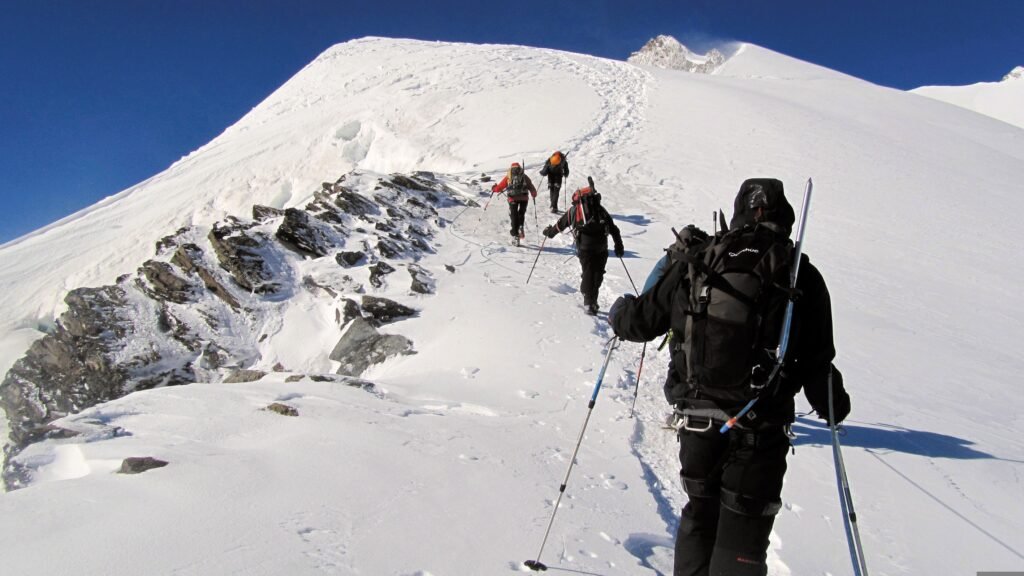
The environment surrounding The Furtwängler Glacier: Kilimanjaro’s Last Ice Cap is also used in medical and physiological studies focusing on human performance in extreme conditions. Guidance from the Centers for Disease Control and Prevention and research coordinated by the International Society for Mountain Medicine explains how oxygen limitation and cold exposure influence physical and cognitive performance near summit elevations.
Clinical research published through PubMed and health guidance from Johns Hopkins Medicine confirm that gradual acclimatization and careful monitoring remain essential for safe movement in this altitude zone.
The Furtwängler Glacier: Kilimanjaro’s Last Ice Cap and responsible tourism
Responsible access plays a growing role in preserving The Furtwängler Glacier: Kilimanjaro’s Last Ice Cap. Labour and ethical employment standards promoted by the International Labour Organization and community-focused development principles supported by Oxfam International help ensure that tourism benefits local workers while protecting fragile environments.
Professionally designed trekking itineraries that follow environmental limits are increasingly chosen by climbers using structured programs such as Kilimanjaro climbing experiences developed with safety, conservation and fair employment in mind.
The Furtwängler Glacier: Kilimanjaro’s Last Ice Cap and scientific collaboration
International cooperation continues to expand the knowledge behind The Furtwängler Glacier: Kilimanjaro’s Last Ice Cap. Environmental modelling and ecosystem assessments published by Frontiers in Environmental Science and conservation field programs coordinated by the Wildlife Conservation Society rely on protected access and responsible field logistics.
Risk management frameworks developed through the World Bank Disaster Risk Management Programme further support safe research operations in remote and high-risk environments such as Kilimanjaro’s summit zone.
The Furtwängler Glacier: Kilimanjaro’s Last Ice Cap for modern climbers
For today’s visitors, The Furtwängler Glacier: Kilimanjaro’s Last Ice Cap represents a quiet but powerful moment of reflection on the summit landscape. Many travelers now choose to combine their climb with educational interpretation and environmental awareness offered by experienced local teams such as Tanzania travel specialists, allowing them to better understand the connection between wildlife, forests, water systems and climate.
Responsible travelers increasingly recognize that protecting the glacier also means supporting community livelihoods, conservation education and scientific research.
Plan your journey with respect for Kilimanjaro’s last ice
The story of The Furtwängler Glacier: Kilimanjaro’s Last Ice Cap is not only about loss. It is also about knowledge, responsibility and the opportunity to protect what remains through informed travel and conservation-minded decisions.
If you would like local guidance on responsible climbing routes, safety planning and environmental best practice, you can speak directly with local specialists through personal Kilimanjaro consultation support. A journey that respects science, community and conservation helps ensure that this remarkable glacier continues to educate and inspire future generations.