
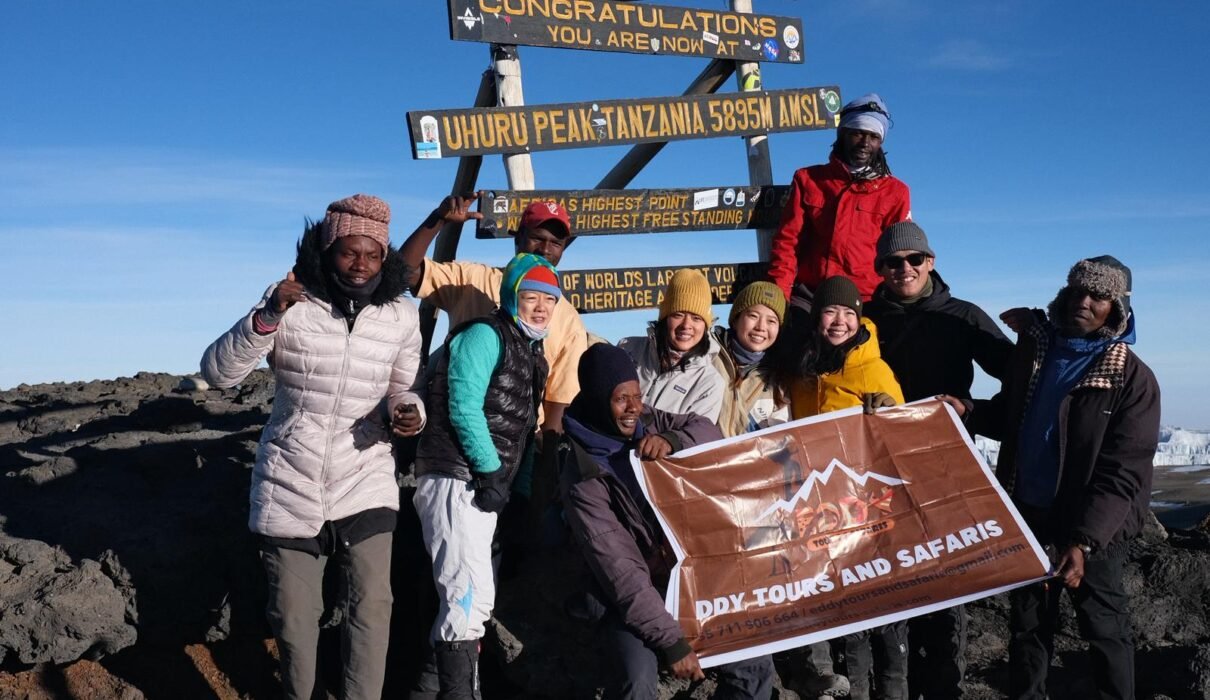
The Journey to Mount Kilimanjaro is more than just a trek—it is a life-changing adventure that blends nature, culture, and personal achievement into one unforgettable experience. Rising proudly above the plains of Tanzania, Mount Kilimanjaro is Africa’s tallest peak and one of the world’s most iconic natural wonders. Each year, travelers from across the globe set out to conquer its summit, drawn by its beauty, accessibility, and the promise of standing on the “Roof of Africa.”
Whether you are an experienced climber or a first-time adventurer, Kilimanjaro trekking experiences offer something unique for everyone. With diverse routes, stunning ecosystems, and rich cultural encounters, the journey becomes as meaningful as reaching the summit itself.
Why The Journey to Mount Kilimanjaro Stands Out
The appeal of Mount Kilimanjaro lies in its unmatched diversity. Unlike other high peaks that require technical climbing skills, Kilimanjaro offers a non-technical trek, making it accessible to many travelers. However, do not mistake accessibility for simplicity—the challenge is real, and the reward is even greater.
As you ascend, you pass through five distinct climate zones, from lush rainforests to alpine deserts and icy summits. This natural progression feels like traveling across continents in just a few days. Scientific research from National Geographic highlights Kilimanjaro as one of the most ecologically diverse mountains in the world.
Choosing a trusted operator such as Eddy Tours & Safaris ensures your journey is safe, well-organized, and deeply enriching.
The Unique Ecosystems Along the Way
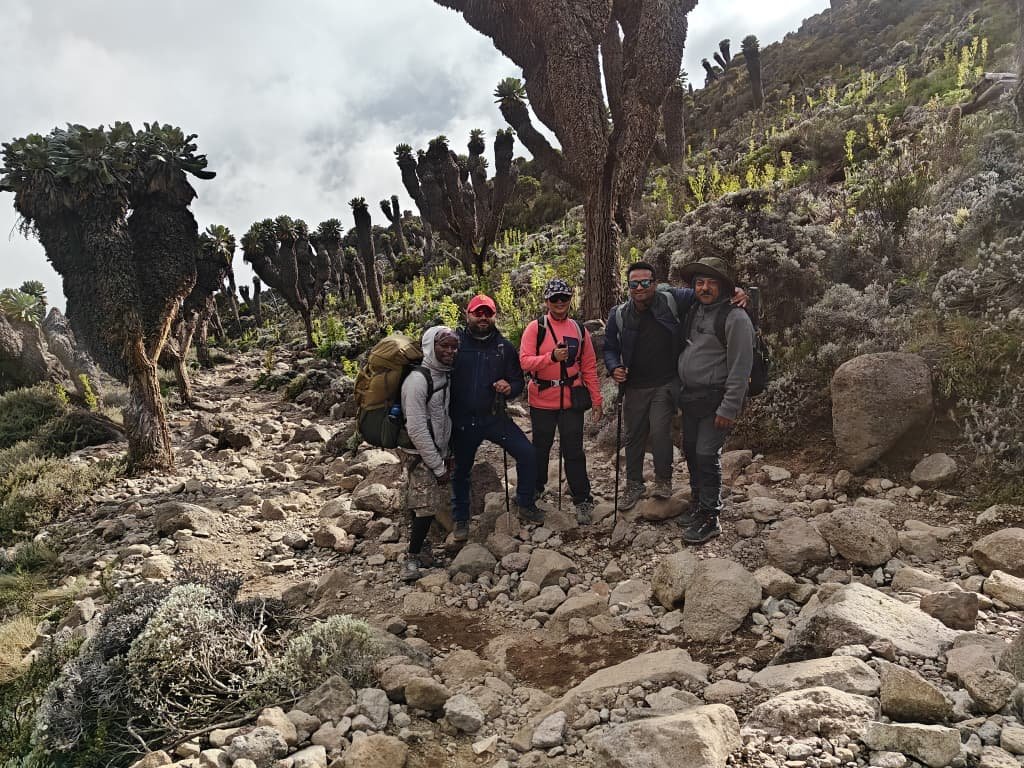
The Journey to Mount Kilimanjaro takes you through breathtaking ecological zones that change dramatically with altitude. Starting in the rainforest, you are surrounded by towering trees, exotic birds, and curious monkeys. As you climb higher, the landscape transforms into moorland filled with giant lobelias and senecios, plants found nowhere else on Earth.
Further up, the alpine desert introduces a stark yet beautiful terrain, where temperatures drop and vegetation becomes scarce. Finally, the arctic summit zone greets you with glaciers and snowfields, offering a surreal contrast to the warm plains below.
Organizations like World Wildlife Fund emphasize the importance of preserving these fragile ecosystems, making responsible trekking practices essential.
The Cultural Experience Behind the Climb
Beyond its natural beauty, The Journey to Mount Kilimanjaro is deeply rooted in local culture. The Chagga people, who live on the mountain’s slopes, have a long history connected to Kilimanjaro. Their traditions, stories, and hospitality add a rich human dimension to the adventure.
Guides and porters play a crucial role in every climb. Their expertise, encouragement, and resilience often determine the success of the journey. Supporting ethical tour operators like responsible Kilimanjaro tours ensures fair wages and proper working conditions for these essential team members.
Research from UNESCO highlights Kilimanjaro as not only a natural wonder but also a cultural treasure worth protecting.
Connection With Local Communities
Travelers often find that their interactions with local communities become one of the most memorable parts of the journey. Visiting nearby villages, learning traditional farming techniques, or tasting local cuisine creates a deeper connection to Tanzania.
Organizations like Oxfam emphasize the importance of sustainable tourism in supporting local livelihoods, making your journey both meaningful and impactful.
The Physical and Mental Challenge
The Journey to Mount Kilimanjaro is not just a physical trek; it is a test of mental strength and determination. The gradual ascent allows your body to adapt to altitude, but the challenge remains significant. Each step requires focus, patience, and perseverance.
Altitude sickness is a real concern, and proper acclimatization is key. Studies from Centers for Disease Control and Prevention provide valuable insights into safe trekking practices and altitude awareness.
Climbing Kilimanjaro teaches resilience. It pushes you beyond your comfort zone and rewards you with a sense of accomplishment that lasts a lifetime.
Summit Night: The Ultimate Test
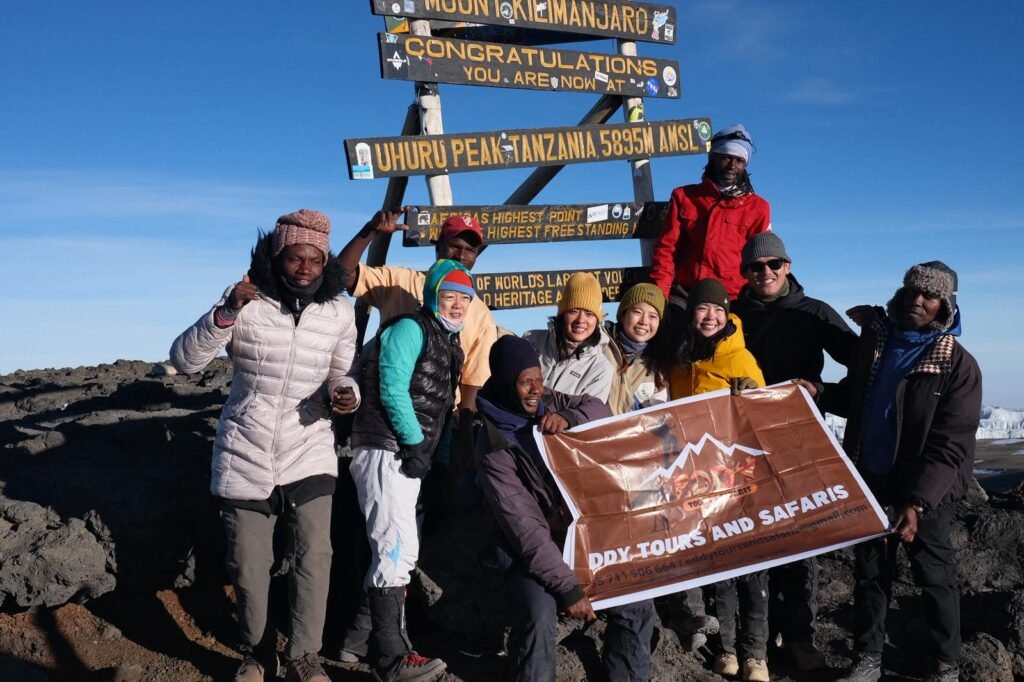
Summit night is often described as the most challenging part of the journey. Starting in the dark, climbers make their way to Uhuru Peak under freezing conditions. The slow, steady pace becomes a mantra—“pole pole,” meaning “slowly slowly” in Swahili.
Reaching the summit at sunrise is a moment of pure magic. As the sun rises over Africa, the sense of achievement is overwhelming, making every step worthwhile.
Routes That Shape The Journey to Mount Kilimanjaro
There are several routes to the summit, each offering a unique experience. Popular options include Machame, Marangu, Lemosho, and Rongai. Each route varies in scenery, difficulty, and duration.
Choosing the right route is crucial for success. Resources from Kilimanjaro Climb Specialist provide detailed comparisons to help travelers make informed decisions.
Booking through expert Kilimanjaro guides ensures you select the route that best matches your fitness level and goals.
Best Route for First-Time Climbers
The Machame Route is often recommended for beginners due to its scenic beauty and higher success rate. It allows better acclimatization and offers diverse landscapes.
Meanwhile, the Marangu Route provides hut accommodations, making it a comfortable option for those who prefer not to camp.
Best Time to Experience The Journey to Mount Kilimanjaro
Timing plays a significant role in the success of your climb. The best months are January to March and June to October, when weather conditions are more stable.
Climate data from National Oceanic and Atmospheric Administration supports these seasonal trends, helping climbers plan effectively.
Booking early with Kilimanjaro travel experts ensures availability during peak seasons.
Weather and Climate Considerations
Weather on Kilimanjaro can change rapidly. While the base may be warm, the summit can be freezing. Proper gear and preparation are essential for a safe and comfortable journey.
Environmental Importance of Kilimanjaro
Mount Kilimanjaro is not just a tourist destination; it is a vital ecological and environmental resource. Its glaciers, though shrinking, are an important indicator of climate change.
Organizations like NASA Climate and IPCC have studied the mountain’s changing conditions, highlighting the need for conservation efforts.
Responsible tourism helps protect this natural wonder for future generations.
Conservation Efforts
Efforts by groups such as International Union for Conservation of Nature focus on preserving Kilimanjaro’s biodiversity and ecosystems. Travelers can contribute by following Leave No Trace principles.
Preparation Tips for a Successful Climb
Preparation is key to enjoying The Journey to Mount Kilimanjaro. Physical training, proper gear, and mental readiness all play a role in your success.
Fitness programs recommended by Mayo Clinic can help you build endurance and strength before your trip.
Essential Gear Checklist
From warm clothing to hiking boots, having the right gear ensures comfort and safety. Investing in quality equipment makes a significant difference during the climb.
FAQs About The Journey to Mount Kilimanjaro
1. How difficult is The Journey to Mount Kilimanjaro?
It is challenging but achievable with proper preparation and guidance.
2. Do I need prior climbing experience?
No technical skills are required, but good fitness is important.
3. How long does the climb take?
Most routes take between 5 to 9 days.
4. What is the success rate?
Success depends on the route and acclimatization, typically 60–85%.
5. Is altitude sickness common?
Yes, but it can be managed with proper pacing and hydration.
6. When should I book my trip?
Booking 6–12 months in advance is recommended.
Conclusion: A Journey Worth Taking
The Journey to Mount Kilimanjaro is more than a climb—it is a transformative experience that stays with you forever. From its diverse landscapes to its cultural richness and personal challenges, every aspect of the journey makes it truly special.
With the right preparation and a trusted partner like Eddy Tours & Safaris, your adventure becomes safe, meaningful, and unforgettable. Whether you aim to reach the summit or simply explore its beauty, Kilimanjaro offers an experience unlike any other.