
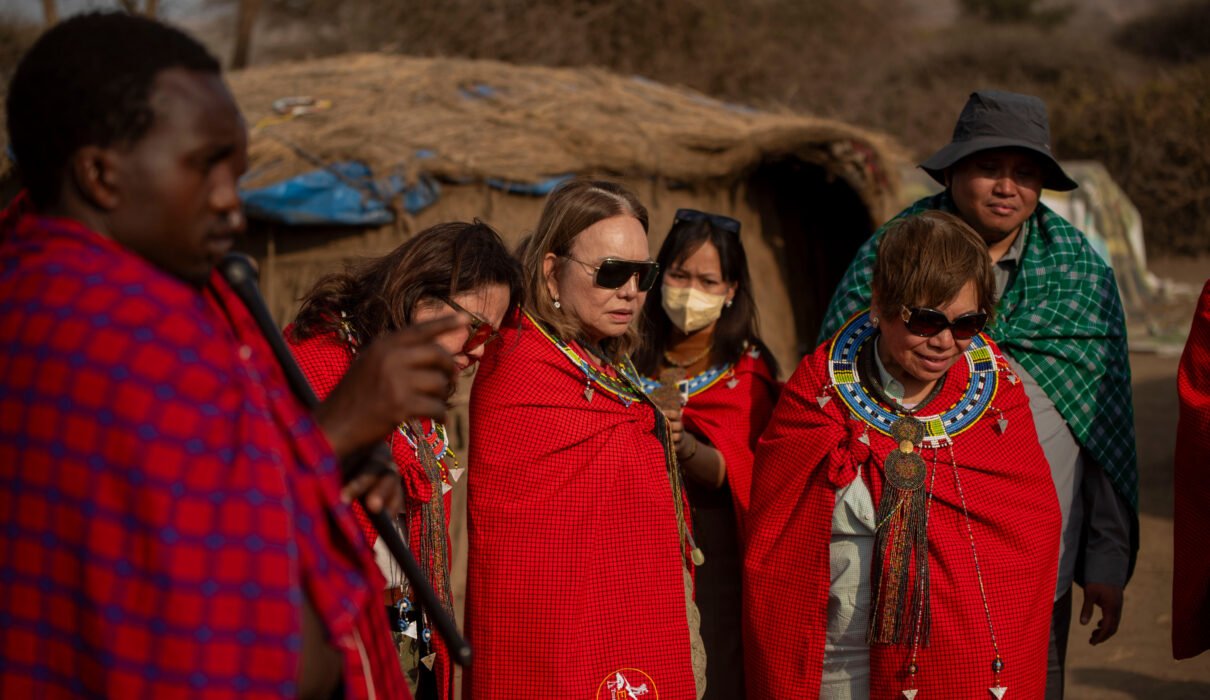
The Maasai Tribe: Culture, Traditions, and History is one of the most meaningful stories in East Africa because it explains how a proud pastoral society has protected its identity, land knowledge and social systems while living side by side with some of the most important wildlife landscapes on the continent. For visitors travelling through northern Tanzania and southern Kenya, learning about the Maasai is not only a cultural experience, it is also a powerful lesson about coexistence between people, livestock, and wildlife in fragile ecosystems.
This article presents The Maasai Tribe: Culture, Traditions, and History using reliable academic research, conservation organisations and cultural heritage institutions. If you plan to include cultural experiences in your journey with a responsible local company such as Eddy Tours & Safaris, understanding the deeper meaning of Maasai life helps you visit with respect and genuine appreciation instead of simple curiosity.
The Maasai Tribe: Culture, Traditions, and History and the origins of the Maasai people
The Maasai Tribe: Culture, Traditions, and History begins with long-distance migration and settlement across the East African savannahs. Linguistic and anthropological research published by the British Museum research programmes and the Smithsonian Institution shows that the Maasai belong to Nilotic-speaking communities whose movements shaped pastoral societies across modern Tanzania and Kenya. Their historical relationship with land was never based on permanent farming but on seasonal movement following grazing and water, a system that allowed ecosystems to regenerate naturally.
Academic field studies documented through JSTOR and social science publications distributed by ScienceDirect explain how Maasai territorial organisation developed around shared access rather than private land ownership. This flexible land use system later became a reference model for rangeland sustainability research in dry ecosystems.
The Maasai Tribe: Culture, Traditions, and History and social structure
Understanding The Maasai Tribe: Culture, Traditions, and History also means understanding its age-set system, which organises social responsibility, leadership, and knowledge transfer. Anthropological research shared by UNESCO and cultural heritage studies published through Cambridge University Press describe how age groups guide education, conflict management, and community protection.
Community leadership, respect for elders and collective decision-making remain central today. These systems help maintain social cohesion, even when communities face modern pressures such as land subdivision, climate change and expanding infrastructure.
The Maasai Tribe: Culture, Traditions, and History and traditional livelihoods
The Maasai Tribe: Culture, Traditions, and History is inseparable from pastoralism. Livestock remains the foundation of wealth, social identity and food security. Rangeland research supported by the Food and Agriculture Organization of the United Nations and dryland ecosystem studies published by the International Livestock Research Institute show how Maasai grazing practices contribute to grassland regeneration when properly managed.
Ecological studies coordinated by the International Union for Conservation of Nature highlight that mobile grazing helps prevent bush encroachment and maintains open wildlife corridors, supporting both livestock production and biodiversity conservation.
The Maasai Tribe: Culture, Traditions, and History and dress, symbols, and identity
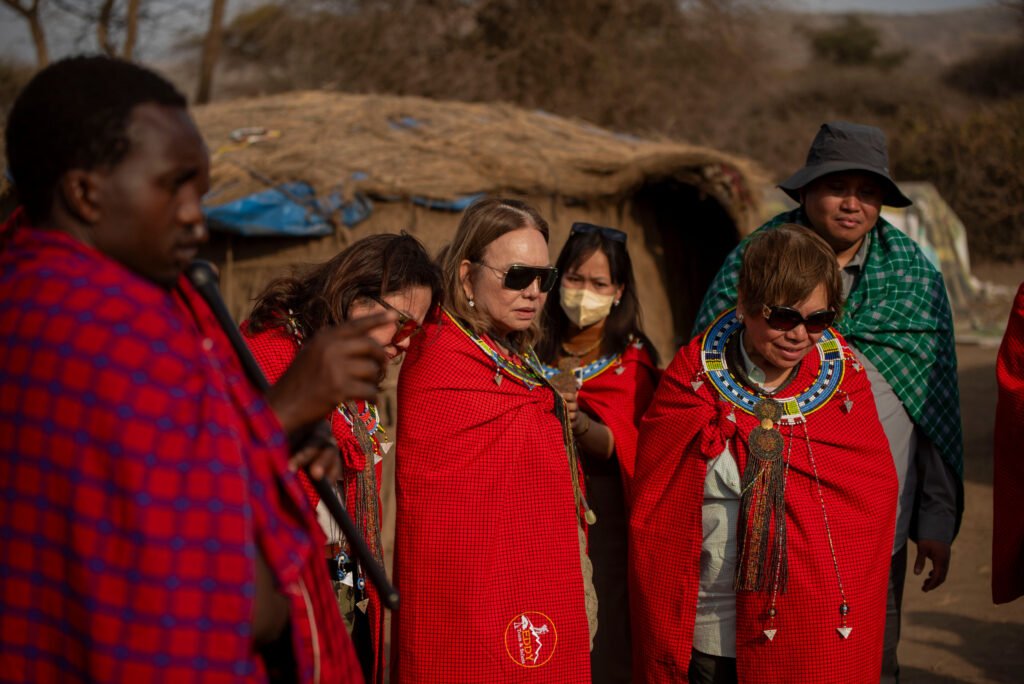
When visitors think about The Maasai Tribe: Culture, Traditions, and History, colourful clothing and beadwork are often the first images that come to mind. Cultural documentation projects supported by The Metropolitan Museum of Art research and the Victoria and Albert Museum research collections show that colours, patterns and jewellery communicate age, marital status and social responsibility.
Each ornament carries meaning linked to spiritual beliefs, protection and identity. Beadwork is also a powerful economic activity for women, supporting household income and community development.
The Maasai Tribe: Culture, Traditions, and History and spiritual beliefs
The Maasai Tribe: Culture, Traditions, and History is deeply connected to spiritual views of nature. Anthropological and religious studies available through Oxford Academic describe how Maasai belief systems emphasise harmony between people, livestock and the natural world. Sacred trees, open landscapes and seasonal cycles form part of daily spiritual awareness.
This worldview strongly influences how land is treated, reinforcing conservation values that modern environmental programmes increasingly recognise.
The Maasai Tribe: Culture, Traditions, and History and wildlife coexistence
The Maasai Tribe: Culture, Traditions, and History offers one of the strongest examples of long-term coexistence with wildlife. Conservation organisations such as the African Wildlife Foundation, the World Wide Fund for Nature and the Wildlife Conservation Society show that Maasai rangelands form some of the most important wildlife dispersal areas outside protected parks.
Landscape connectivity studies published by Conservation International and habitat mapping research supported by the United States Geological Survey confirm that community lands are essential for migration routes and predator movement.
The Maasai Tribe: Culture, Traditions, and History and conservation partnerships
Modern conservation increasingly recognises that The Maasai Tribe: Culture, Traditions, and History is part of sustainable land management. Collaborative conservation models promoted by the United Nations Environment Programme and global biodiversity assessments coordinated by the Intergovernmental Science-Policy Platform on Biodiversity and Ecosystem Services highlight the importance of Indigenous knowledge.
Community conservancies supported by research institutions such as Nature Research demonstrate that traditional grazing systems can complement wildlife protection when supported by fair governance structures.
The Maasai Tribe: Culture, Traditions, and History and education today
The Maasai Tribe: Culture, Traditions, and History is also shaped by education and youth leadership. Development studies supported by United Nations Academic Impact and social research published by Harvard University research programmes show that access to education strengthens health outcomes, gender inclusion and environmental awareness while still preserving cultural identity.
Many Maasai youth now combine formal education with traditional knowledge, creating new leadership models for community development and conservation.
The Maasai Tribe: Culture, Traditions, and History and land challenges
The Maasai Tribe: Culture, Traditions, and History cannot be told without acknowledging land pressure and development challenges. Policy research published by the World Bank land governance programmes and legal studies supported by the United Nations Development Programme show how land tenure security is central to community resilience.
Without fair land policies, grazing systems and wildlife corridors become fragmented, affecting both livelihoods and conservation outcomes.
The Maasai Tribe: Culture, Traditions, and History and responsible cultural tourism
Responsible cultural tourism plays a growing role in protecting The Maasai Tribe: Culture, Traditions, and History. Labour standards promoted by the International Labour Organization and community empowerment principles supported by Oxfam International emphasise fair payment, informed consent and respectful engagement.
Visitors who experience Maasai culture through professionally managed itineraries such as those available via Tanzania cultural and safari programmes help support local schools, women’s groups and community projects.
The Maasai Tribe: Culture, Traditions, and History and your travel experience
Learning about The Maasai Tribe: Culture, Traditions, and History transforms a normal safari into a deeply meaningful journey. Cultural interpretation becomes richer when guides understand both ecological systems and social traditions.
Many travelers combine wildlife viewing with respectful cultural visits organised through local safari specialists who work directly with community leaders to ensure authentic and ethical encounters.
The Maasai Tribe: Culture, Traditions, and History and ethical travel planning
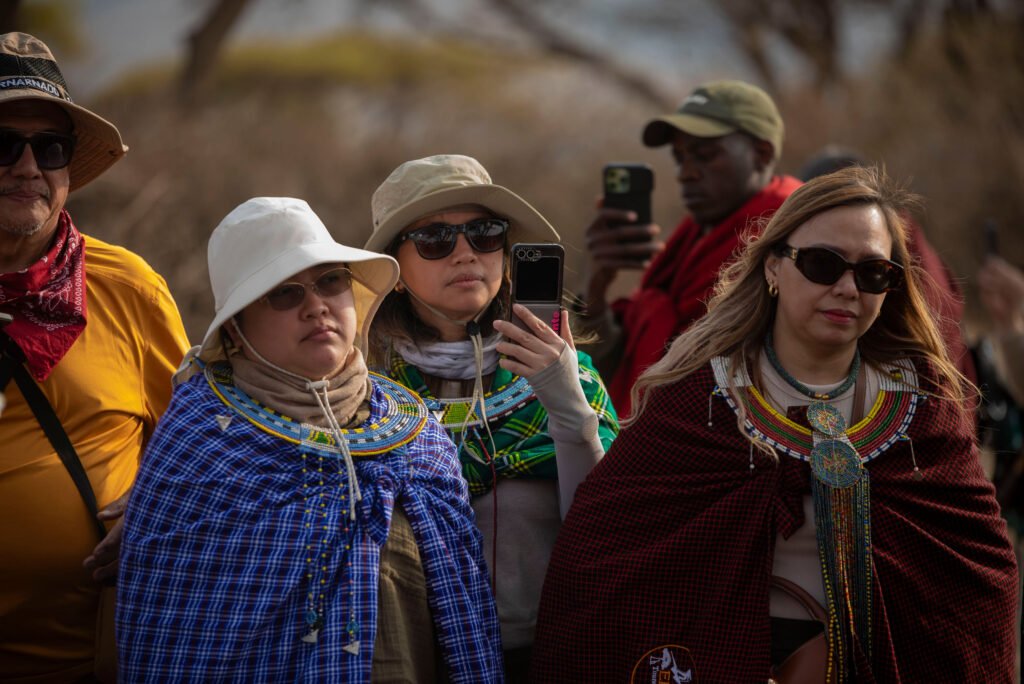
Planning responsibly protects The Maasai Tribe: Culture, Traditions, and History for future generations. Ethical itineraries ensure communities maintain control over cultural presentation and benefit fairly from tourism activities.
For travellers seeking meaningful interaction and honest advice, direct support from local travel experts helps design cultural journeys that respect traditions and protect community dignity.
The Maasai Tribe: Culture, Traditions, and History and why it matters today
The Maasai Tribe: Culture, Traditions, and History is not a story of the past. It is a living system of knowledge that continues to guide land stewardship, social responsibility and environmental care across East Africa. In a world facing climate change, biodiversity loss and cultural erosion, Maasai knowledge offers valuable lessons for sustainable living.
By choosing ethical travel and learning directly from communities, visitors become partners in preserving both cultural heritage and the landscapes that support wildlife and people alike.