
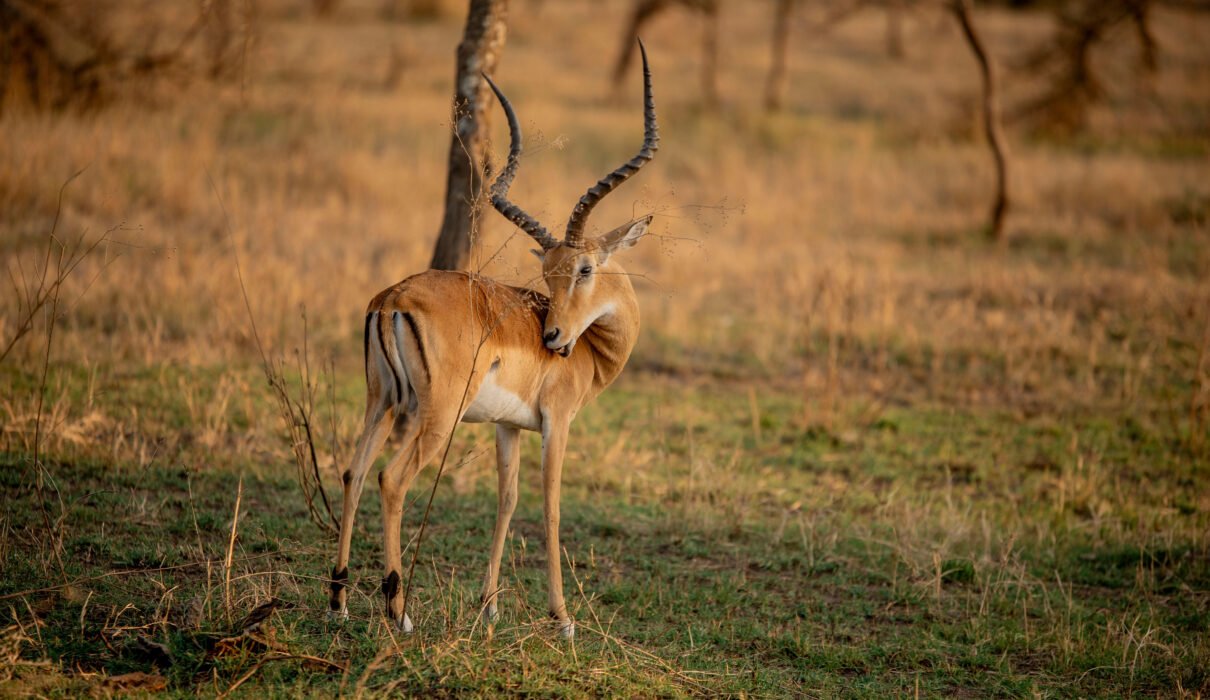
The Most Photogenic Tanzania Safari Locations for Wildlife Lovers 2026, 2027 & 2028 is a perfect guide for travelers who want more than ordinary safari photos. Tanzania is filled with golden savannahs, dramatic craters, flamingo lakes, elephant-filled landscapes, endless Serengeti plains, and unforgettable wildlife moments that look beautiful through every camera lens.
For many travelers, a safari is not only about seeing animals. It is about capturing moments that stay alive forever: a lion walking through sunrise grass, elephants crossing a dusty road, giraffes standing against an orange sky, or wildebeest moving across the Serengeti plains. That is why The Most Photogenic Tanzania Safari Locations for Wildlife Lovers 2026, 2027 & 2028 is one of the best topics for visitors planning a safari with photography in mind.
Tanzania offers some of the most beautiful safari photography locations in Africa. From the world-famous Serengeti to the breathtaking Ngorongoro Crater, every destination has its own mood, light, scenery, and wildlife character. Whether you are using a professional camera, a phone, or a simple travel camera, Tanzania gives you endless chances to capture magical images.
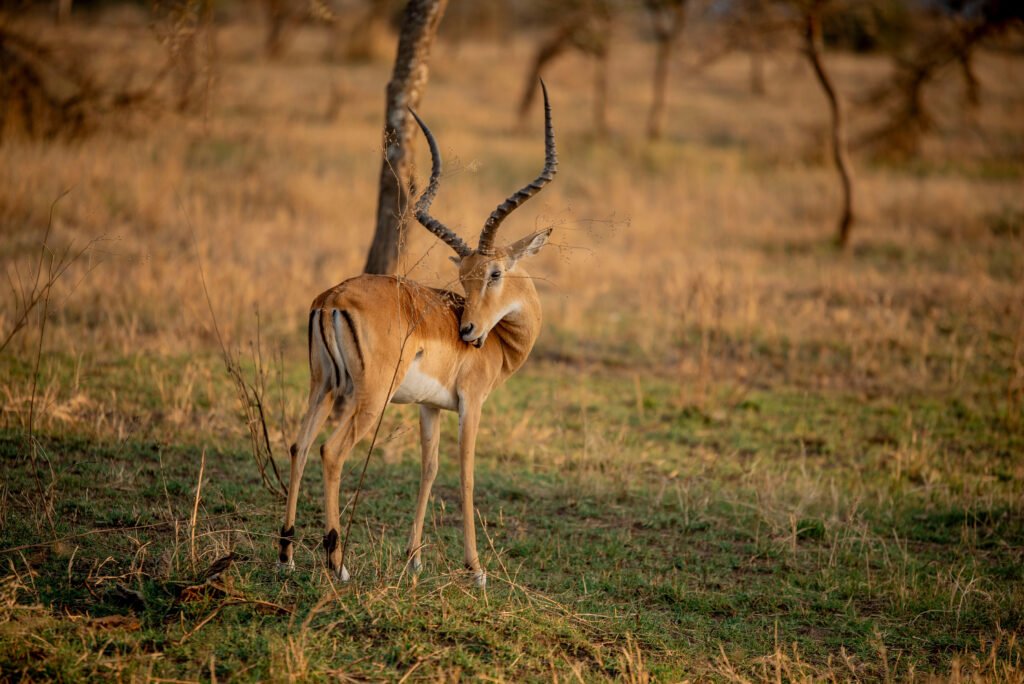
Why Tanzania Is Perfect for Wildlife Photography
Tanzania is one of Africa’s top safari destinations because it combines rich wildlife, open landscapes, beautiful light, and diverse national parks. The country is home to lions, elephants, leopards, cheetahs, buffaloes, rhinos, giraffes, zebras, wildebeest, flamingos, hippos, crocodiles, and many bird species. This variety makes The Most Photogenic Tanzania Safari Locations for Wildlife Lovers 2026, 2027 & 2028 ideal for first-time visitors, photographers, honeymooners, families, and serious wildlife lovers.
The best safari photos often come from a combination of patience, good guiding, perfect timing, and beautiful scenery. A professional guide helps you understand animal behavior, choose the right viewing angle, and visit the best locations at the right time of day. Early morning and late afternoon are usually the best hours for photography because the light is softer, warmer, and more dramatic.
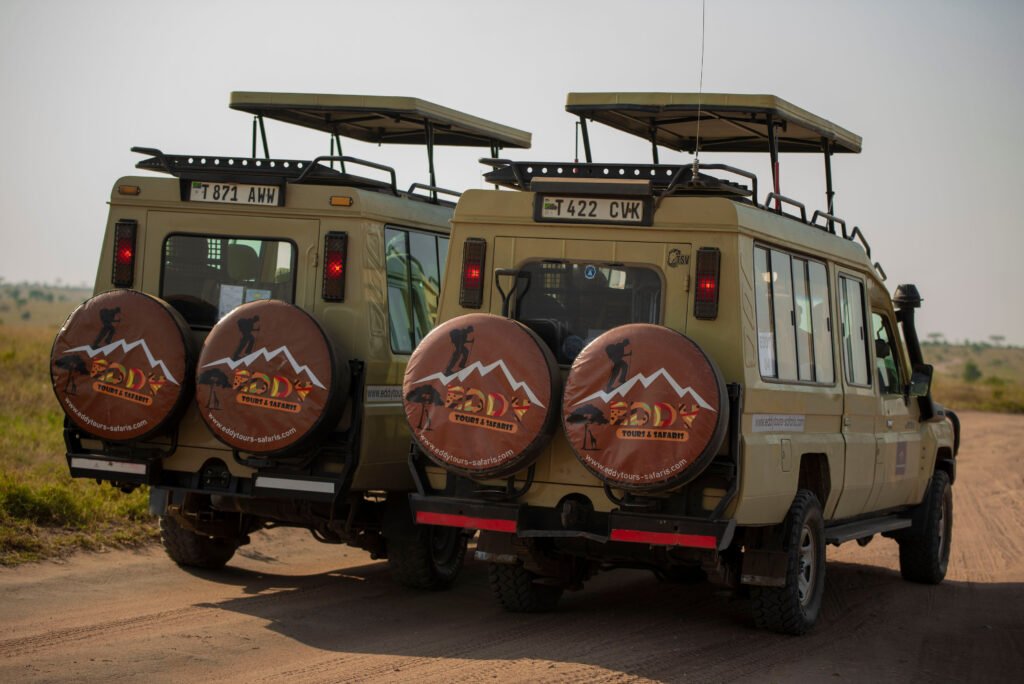
If you are planning a full Tanzania safari, you can explore more safari options through Eddy Tours and Safaris, where different Tanzania safari experiences can be customized depending on your travel style, season, and budget.
1. Serengeti National Park – The Classic Safari Photography Paradise
Serengeti National Park is one of the most photogenic safari locations in the world. Its endless plains, golden light, rocky kopjes, big cats, and seasonal migration herds make it a dream destination for wildlife photographers. For travelers searching for The Most Photogenic Tanzania Safari Locations for Wildlife Lovers 2026, 2027 & 2028, Serengeti should always be at the top of the list.
The Serengeti is famous for lions, cheetahs, leopards, elephants, giraffes, hyenas, zebras, wildebeest, gazelles, and countless bird species. The open plains make it easier to capture clean wildlife images with beautiful backgrounds. A lion standing on a kopje, a cheetah scanning the horizon, or a herd of wildebeest crossing the plains can create powerful safari photographs.
The Serengeti also offers different photography experiences depending on the season. From January to March, the southern Serengeti and Ndutu area are excellent for calving season photos. From June to October, the western and northern Serengeti become important areas for migration movement and possible river crossing images. Every season has its own beauty.
2. Ngorongoro Crater – Dramatic Landscapes and Big Five Photography
Ngorongoro Crater is one of the most visually impressive safari destinations in Tanzania. The crater floor is surrounded by high walls, creating a natural amphitheater filled with wildlife. This makes it one of the strongest locations in The Most Photogenic Tanzania Safari Locations for Wildlife Lovers 2026, 2027 & 2028.
The crater is a great place to photograph lions, buffaloes, elephants, zebras, wildebeest, hippos, hyenas, flamingos, and the rare black rhino. The landscape changes beautifully throughout the day. In the morning, mist may sit along the crater rim. By midday, the wide grasslands, lakes, and wetlands become clear and bright. In the afternoon, the light softens and creates dramatic scenery.
For first-time safari travelers, Ngorongoro is especially rewarding because wildlife is often easier to see within a smaller area. This gives photographers more opportunities to capture different animals in one day. The crater also provides excellent wide-angle landscape shots, especially from the viewpoints along the rim.
3. Tarangire National Park – Elephants, Baobabs and Golden Dust
Tarangire National Park is a beautiful destination for travelers who love elephants and dramatic landscapes. The park is famous for large elephant herds, ancient baobab trees, dry-season wildlife concentrations, and warm golden scenery. It deserves a special place in The Most Photogenic Tanzania Safari Locations for Wildlife Lovers 2026, 2027 & 2028.
One of the most iconic images from Tarangire is an elephant walking below a giant baobab tree. The scenery feels wild, ancient, and deeply African. During the dry season, animals gather around the Tarangire River, creating excellent opportunities for wildlife photography. You may see elephants drinking, zebras moving in groups, giraffes feeding, lions resting, and birds flying above the riverbanks.
Tarangire is also less crowded than some other famous parks, which makes photography more peaceful. Fewer vehicles can mean better angles, cleaner backgrounds, and more relaxed wildlife moments. For photographers who enjoy atmosphere, texture, dust, and warm light, Tarangire is a wonderful choice.
4. Lake Manyara National Park – Scenic Beauty and Bird Photography
Lake Manyara National Park is smaller than Serengeti and Tarangire, but it is very photogenic. The park sits below the Great Rift Valley escarpment and combines forest, lake views, open grassland, hot springs, and birdlife. For visitors interested in The Most Photogenic Tanzania Safari Locations for Wildlife Lovers 2026, 2027 & 2028, Lake Manyara adds soft scenery and beautiful variety.
This park is excellent for photographing monkeys, elephants, giraffes, hippos, flamingos, pelicans, storks, and other birds. The groundwater forest near the entrance creates a green and shaded photography environment, while the lake area offers wide scenic views. During some seasons, flamingos gather along the lake, creating colorful images against the water.
Lake Manyara is also famous for tree-climbing lions, although sightings are not guaranteed. Even without lions, the park remains a lovely photography stop because of its landscapes and peaceful atmosphere. It works very well as part of a northern Tanzania safari route.
5. Ndutu Area – Calving Season and Predator Action
The Ndutu area, located between the southern Serengeti and Ngorongoro Conservation Area, is one of the best places for wildlife photography from January to March. During this time, thousands of wildebeest calves are born, attracting predators such as lions, cheetahs, hyenas, and jackals. This makes Ndutu one of the most exciting places in The Most Photogenic Tanzania Safari Locations for Wildlife Lovers 2026, 2027 & 2028.
Photographers love Ndutu because the landscape is open, the wildlife action can be intense, and off-road driving may be possible in certain allowed areas. This can help photographers position themselves better without disturbing the animals. The combination of newborn animals, predators, dust, grassland, and dramatic skies creates unforgettable safari images.
Ndutu is especially recommended for travelers who want emotional wildlife photography. A newborn wildebeest standing for the first time, a cheetah moving through short grass, or a lioness watching the plains can create powerful images that tell a real safari story.
6. Northern Serengeti – River Crossings and Remote Wilderness
Northern Serengeti is one of the best safari photography areas for travelers visiting between July and October. This region is famous for the Mara River, where wildebeest and zebras may attempt dramatic crossings during the Great Migration. For many photographers, this is one of the ultimate scenes in The Most Photogenic Tanzania Safari Locations for Wildlife Lovers 2026, 2027 & 2028.
The northern Serengeti has rolling hills, river valleys, open plains, and fewer crowds compared to some central safari areas. It is excellent for photographing migration herds, crocodiles, lions, elephants, giraffes, and beautiful landscapes. Even when river crossings are not happening, the region remains very rewarding for wildlife photography.
River crossing photography requires patience. The animals may gather near the river for hours before crossing, or they may suddenly move when conditions feel right. A good guide is very important because positioning, timing, and patience make a big difference.
7. Central Serengeti – Big Cats and Year-Round Wildlife
Central Serengeti is one of the most reliable wildlife photography areas in Tanzania. It is known for resident animals, big cats, open plains, and beautiful kopjes. This area is excellent throughout the year and is an important part of The Most Photogenic Tanzania Safari Locations for Wildlife Lovers 2026, 2027 & 2028.
The Seronera Valley in Central Serengeti is especially famous for lions, leopards, cheetahs, elephants, hippos, giraffes, and many herbivores. Leopards are often seen resting in trees, while lions may be found near kopjes or river areas. The open plains provide excellent photography opportunities, especially in the soft morning light.
Central Serengeti is also a strong choice for first-time visitors because it offers dependable wildlife sightings. If you want beautiful safari images without depending only on migration timing, Central Serengeti is one of the safest choices.
Best Time for Safari Photography in Tanzania
The best time for photography depends on what you want to capture. June to October is excellent for dry-season wildlife, clear skies, and easier animal sightings. January to March is best for Ndutu calving season and predator action. April and May offer green landscapes, dramatic clouds, fewer crowds, and beautiful light for creative photographers.
For The Most Photogenic Tanzania Safari Locations for Wildlife Lovers 2026, 2027 & 2028, early booking is important if you want the best camps near key photography areas. Migration camps, crater lodges, and Serengeti tented camps can fill early during peak seasons.
Photography Tips for Tanzania Safari Travelers
- Start game drives early for soft light and active predators.
- Carry extra batteries and memory cards.
- Use a zoom lens for wildlife and a wide lens for landscapes.
- Keep your camera ready because sightings can happen quickly.
- Listen to your guide’s advice about animal behavior.
- Be patient and avoid rushing from one sighting to another.
- Respect wildlife and never pressure your guide to get too close.
You can also use Google to check general travel inspiration, maps, photography examples, and seasonal safari planning ideas before your trip. If your Tanzania adventure also includes Mount Kilimanjaro, you can explore climbing information through Kilimanjaro Climb Specialist.
Suggested Safari Route for Photographers
A strong photography route can begin in Arusha, continue to Tarangire National Park, visit Lake Manyara or Karatu, spend several nights in Serengeti, and finish with Ngorongoro Crater. This route gives travelers access to the main places listed in The Most Photogenic Tanzania Safari Locations for Wildlife Lovers 2026, 2027 & 2028.
If you are traveling for migration photography, your Serengeti location should change based on the season. For calving season, stay near Ndutu or southern Serengeti. For river crossings, choose northern Serengeti. For year-round big cats, central Serengeti is a strong option. This flexibility helps you capture the best possible wildlife images.
Who Should Choose This Safari?
- Wildlife photographers
- First-time safari travelers
- Couples and honeymooners
- Families who love nature
- Travelers planning safaris in 2026, 2027, or 2028
- Guests who want beautiful safari photos and unforgettable memories
Frequently Asked Questions
What is the most photogenic safari park in Tanzania?
Serengeti National Park is often considered the most photogenic because of its endless plains, big cats, migration herds, kopjes, and beautiful golden light. However, Ngorongoro Crater and Tarangire are also excellent for photography.
Is Tanzania good for beginner wildlife photographers?
Yes. Tanzania is excellent for beginners because wildlife viewing is strong, landscapes are open, and professional guides can help position the vehicle for better viewing and photography angles.
When is the best time for wildlife photography in Tanzania?
June to October is best for dry-season wildlife viewing, while January to March is excellent for calving season and predator action in Ndutu and southern Serengeti.
Can I take good safari photos with a phone?
Yes. A phone can capture beautiful landscape, sunset, lodge, and close wildlife photos. For distant animals, a camera with a zoom lens is better, but phones are still useful for travel storytelling.
How many days are enough for a photography safari?
Seven to ten days is ideal for a photography safari because it gives enough time to visit Tarangire, Serengeti, Ngorongoro Crater, and other scenic locations without rushing.
Book The Most Photogenic Tanzania Safari Locations for Wildlife Lovers 2026, 2027 & 2028
The Most Photogenic Tanzania Safari Locations for Wildlife Lovers 2026, 2027 & 2028 gives travelers the perfect inspiration for planning a safari filled with beauty, wildlife, emotion, and unforgettable images. From Serengeti’s endless plains to Ngorongoro’s dramatic crater, from Tarangire’s elephants to Lake Manyara’s birdlife, Tanzania offers photography moments that stay with you forever.
Start planning your Tanzania safari today and choose the best locations, seasons, lodges, and routes for your dream wildlife photography adventure. Whether you want a private safari, luxury safari, family trip, honeymoon journey, or Great Migration experience, Tanzania is ready to give you memories worth capturing.