
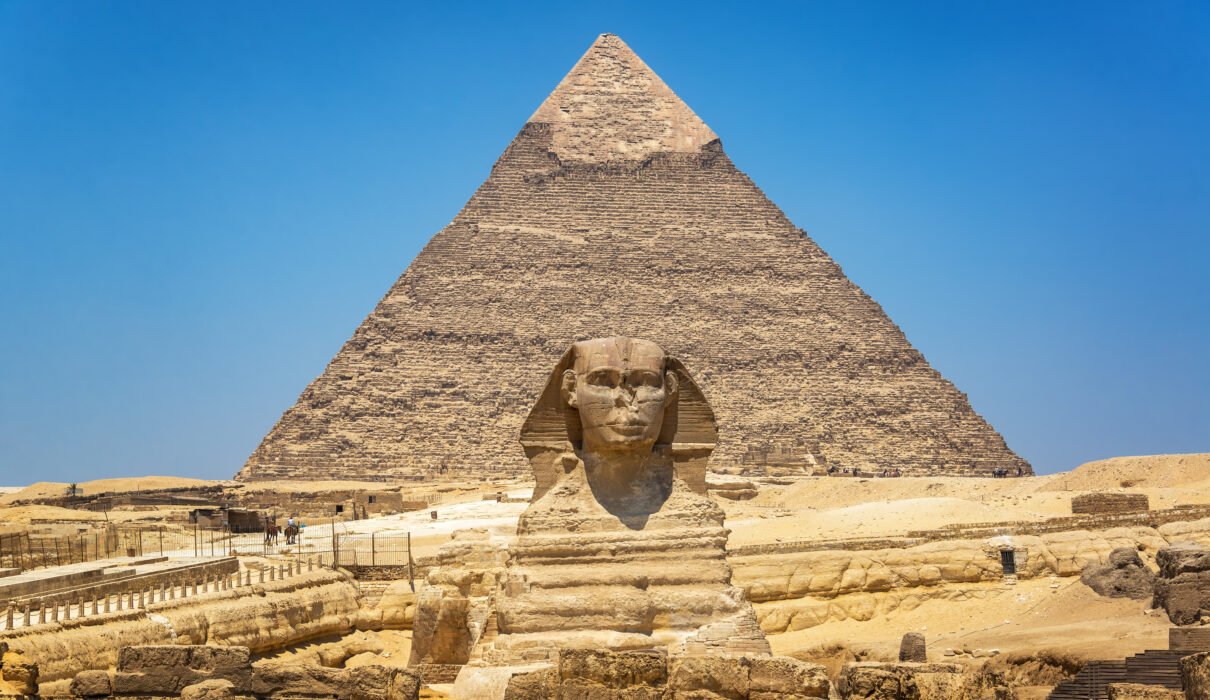
The Oldest Countries in Africa hold stories that stretch back thousands of years, shaping civilizations, culture, language, and governance across the continent. From ancient kingdoms to enduring cultural identities, these nations stand as living proof of Africa’s deep historical foundation. Understanding their origins is not just about dates and timelines, but about heritage, resilience, and influence that continue to shape modern Africa.
The Oldest Countries in Africa and Their Deep Historical Foundations
When exploring The Oldest Countries in Africa, it is important to look beyond modern borders and consider ancient kingdoms, empires, and early state formations. Africa is home to some of the world’s earliest organized societies, many of which influenced global trade, religion, architecture, and scholarship. Institutions like UNESCO and research bodies such as National Geographic have documented how African civilizations were among the first to build structured governments, develop writing systems, and create monumental architecture.
Scholars from Encyclopaedia Britannica and World History Encyclopedia explain that African kingdoms established trade networks that connected the continent to Europe, Asia, and the Middle East. Research supported by JSTOR and Cambridge University Press shows how early African states built complex political systems long before colonial influence reshaped borders.
Egypt: A Civilization That Defined Early Statehood
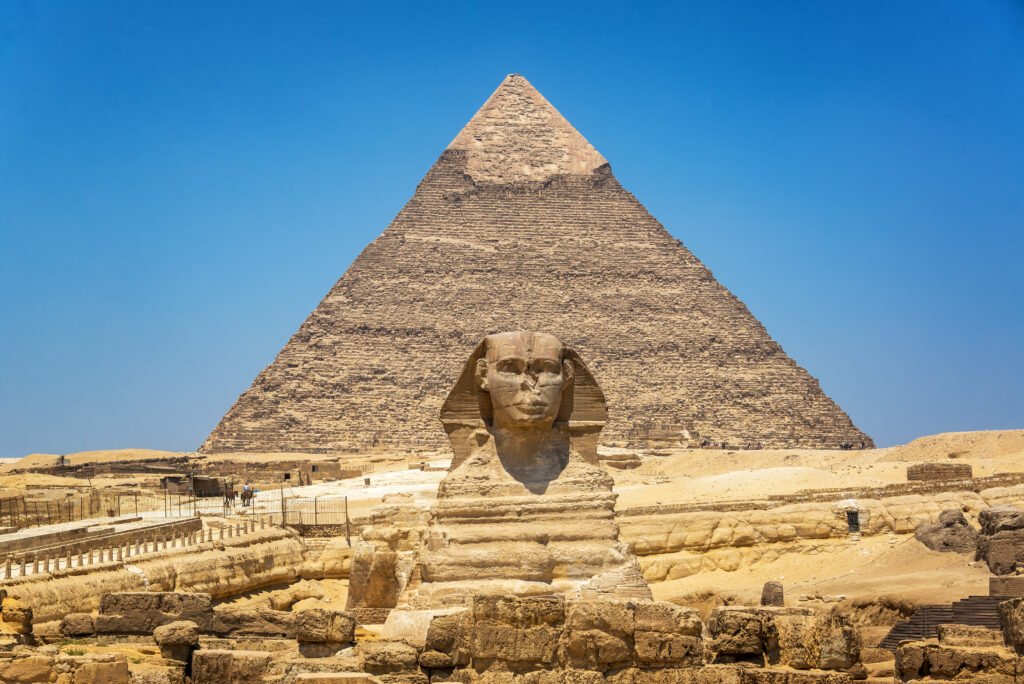
Egypt stands at the heart of discussions about The Oldest Countries in Africa. Ancient Egypt developed centralized governance, monumental pyramids, and a writing system known as hieroglyphics. Institutions like The Metropolitan Museum of Art and Smithsonian Magazine have documented how Egyptian civilization influenced architecture and science across continents.
The Nile River supported agriculture and trade, creating stability and prosperity. Modern conservation groups such as World Wildlife Fund and IUCN also emphasize the ecological importance of the Nile basin, which helped sustain one of Africa’s earliest continuous states.
Ethiopia: An Unbroken Historical Identity
Ethiopia is often highlighted among The Oldest Countries in Africa due to its long-standing independence and ancient kingdom of Aksum. The country developed early Christian traditions and maintained a strong cultural identity. Academic research from Harvard University and University of Oxford discusses Ethiopia’s role in early trade routes linking Africa to Arabia and Asia.
Ethiopia’s landscapes, protected by organizations such as African Parks and Conservation International, also reflect how geography shaped its resilience. Visitors exploring Ethiopia often combine cultural tours with regional safaris through trusted operators like Eddy Tours & Safaris.
The Oldest Countries in Africa and Their Cultural Influence
The cultural impact of The Oldest Countries in Africa can still be seen in language, religion, music, and art. Countries such as Sudan, Morocco, and Ghana trace their roots to ancient kingdoms like Kush and the Ghana Empire. Research institutions including Library of Congress and British Library preserve manuscripts and artifacts that show how knowledge traveled across the Sahara.
Trade routes were protected by powerful empires, and archaeological findings supported by National Geographic Society reveal structured cities and universities that existed centuries ago. Ghana’s early governance systems influenced leadership structures across West Africa, and cultural historians working with United Nations agencies recognize the importance of preserving these legacies.
Sudan and the Kingdom of Kush
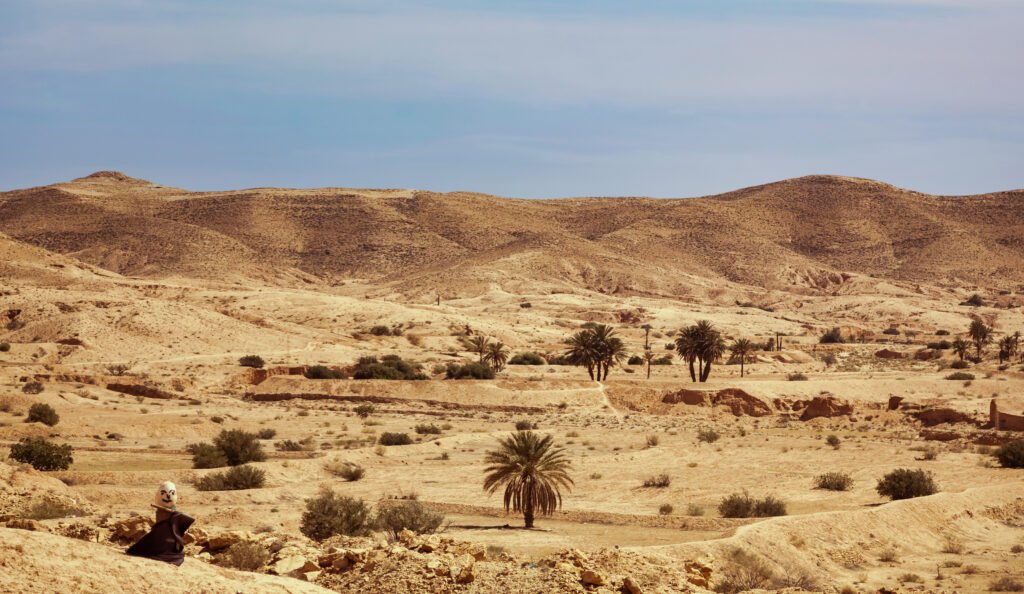
Sudan, home to the ancient Kingdom of Kush, played a vital role in shaping regional power dynamics. Archaeological projects supported by Getty Research Institute have uncovered pyramids and temples that demonstrate advanced engineering. Sudan’s historical connections to Egypt highlight how civilizations influenced one another across borders.
Morocco and Early North African States
Morocco’s history includes Phoenician settlements and powerful Islamic dynasties that shaped North Africa and parts of Europe. Academic resources from Al Jazeera and BBC often explore how Morocco’s early governance systems helped define regional identity. Today, its preserved medinas and cultural landscapes remain central to African heritage tourism, often included in broader African travel experiences curated by Eddy Tours & Safaris.
Wildlife, Geography, and the Survival of The Oldest Countries in Africa
The survival of The Oldest Countries in Africa was closely tied to geography and natural resources. Rivers like the Nile and Niger supported farming, while savannahs and forests provided food and trade goods. Environmental research from The Nature Conservancy and IPCC shows how climate patterns influenced settlement and migration.
In East Africa, ecosystems studied by African Wildlife Foundation demonstrate how biodiversity shaped community development. Travelers exploring these regions today often extend their historical journeys into wildlife safaris organized by Eddy Tours & Safaris, blending education with unforgettable adventure.
Why The Oldest Countries in Africa Still Matter Today
The Oldest Countries in Africa continue to influence politics, education, and continental unity. Organizations like African Union work to strengthen cooperation among nations with deep historical backgrounds. Studies from World Bank and International Monetary Fund highlight how historical stability can contribute to modern development.
Tourism also plays a role in preserving heritage. Responsible travel companies, including Eddy Tours & Safaris, promote cultural understanding while supporting conservation. For those planning mountain adventures near historical regions, resources like Kilimanjaro Climb Specialist provide guidance on safe expeditions.
Frequently Asked Questions About The Oldest Countries in Africa
What defines The Oldest Countries in Africa?
The Oldest Countries in Africa are defined by continuous cultural identity, early state formation, and documented ancient civilizations that shaped governance and society.
Is Egypt the oldest nation in Africa?
Egypt is widely recognized as one of the earliest centralized states, but Ethiopia and Sudan also have ancient roots that place them among Africa’s earliest civilizations.
Why is Ethiopia considered historically unique?
Ethiopia maintained long-term sovereignty and developed early Christian traditions, making it culturally distinct among African nations.
How did geography influence early African states?
Rivers, fertile land, and trade routes allowed agriculture and commerce to flourish, strengthening early kingdoms and ensuring survival.
Can travelers explore historical sites safely?
Yes, with experienced operators like Eddy Tours & Safaris, visitors can explore historical landmarks while enjoying guided safaris.
Where can I learn more about African history?
Reliable educational resources include Google, academic institutions, global museums, and international heritage organizations.
Conclusion: Preserving the Legacy of The Oldest Countries in Africa
The Oldest Countries in Africa are more than names on a map; they are living symbols of endurance, wisdom, and innovation. Their ancient kingdoms laid the groundwork for governance, trade, and culture across the continent. Today, preservation efforts supported by global institutions and responsible tourism ensure that future generations can experience this extraordinary heritage firsthand. Exploring these nations offers not only historical knowledge but also a deeper appreciation of Africa’s powerful legacy.