
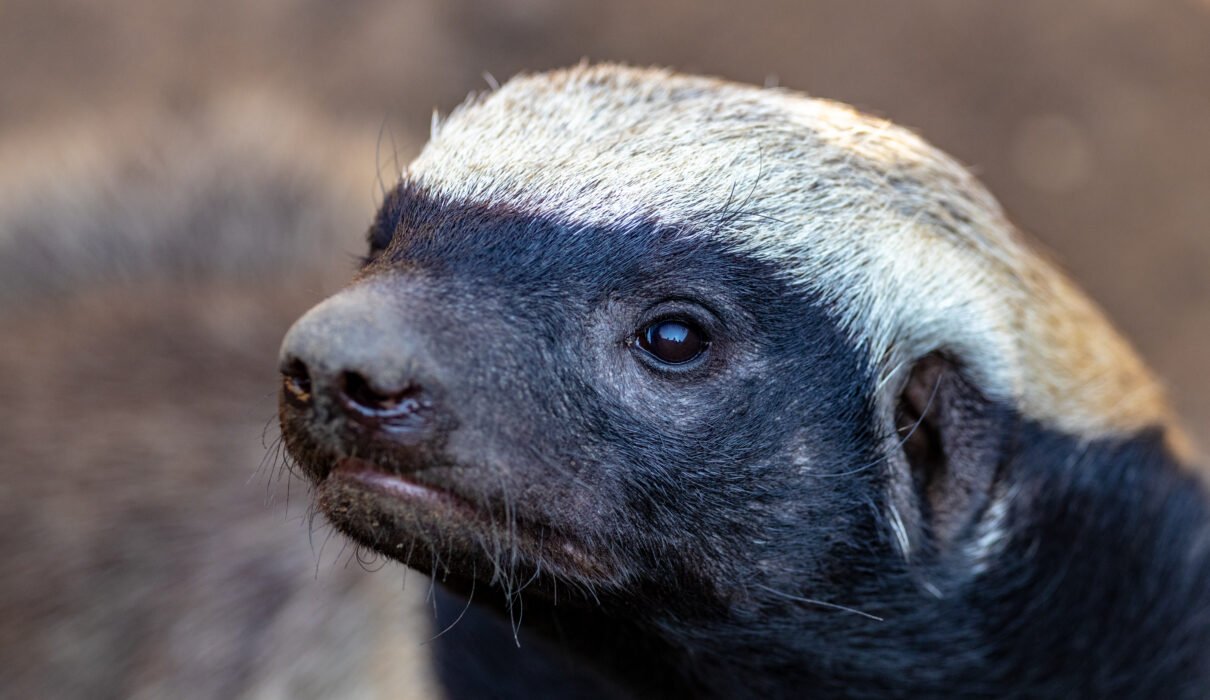
The Secret Life of Tanzania’s Honey Badgers reveals one of Africa’s most misunderstood and resilient creatures roaming the wild plains, rocky escarpments, and woodlands of Tanzania. Often feared for their aggression yet admired for their intelligence, honey badgers remain largely unseen despite thriving in iconic ecosystems such as the Serengeti and Ruaha. Visitors exploring Tanzania with Eddy Tours & Safaris may not always spot one, but knowing their hidden world transforms every safari drive into a deeper wildlife experience.
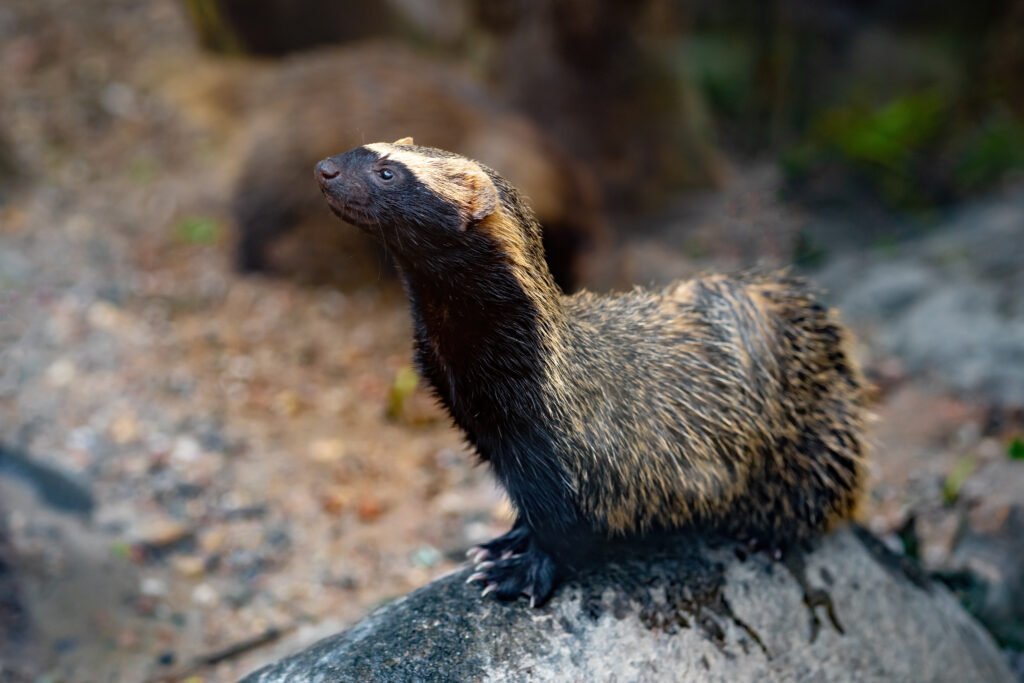
The Secret Life of Tanzania’s Honey Badgers in the Wild
The Secret Life of Tanzania’s Honey Badgers is shaped by adaptability, intelligence, and raw survival instinct. Scientifically known as Mellivora capensis, this member of the mustelid family is related to otters and weasels, yet it stands alone in personality and toughness. According to the IUCN Red List, honey badgers are listed as Least Concern, but their elusive behavior makes research challenging and sightings rare.
Across Tanzania’s savannahs and miombo woodlands, honey badgers roam vast territories, often covering long distances in search of food. Organizations such as the African Wildlife Foundation and the World Wildlife Fund emphasize the importance of protecting predator ecosystems where species like honey badgers maintain ecological balance. Their presence indicates healthy biodiversity, particularly in protected regions like those managed by Tanzania National Parks.
Unlike many carnivores, honey badgers are not tied to one specific habitat. Research shared by the National Geographic Society and the Encyclopaedia Britannica highlights their ability to thrive in deserts, forests, and grasslands. In Tanzania, this flexibility allows them to inhabit both remote wilderness and areas near rural settlements, where conflict sometimes arises.
Fearless Behavior and Extraordinary Survival Skills
The Secret Life of Tanzania’s Honey Badgers is built on boldness. These animals are famous for confronting much larger predators, including lions and hyenas. Scientific insights from the National Geographic Education platform and behavioral studies from the Smithsonian Institution describe honey badgers as highly intelligent problem solvers capable of escaping traps and opening enclosures.
Their thick, loose skin provides protection against bites and stings. According to data from the ScienceDirect database, honey badgers possess resistance to venom that would incapacitate many other mammals. This explains their ability to raid beehives and even survive encounters with venomous snakes. Conservation researchers affiliated with Zoological Society of London note that such adaptations make them one of Africa’s most resilient small predators.
Tourists visiting Tanzania’s remote reserves through curated wildlife expeditions offered by Serengeti safari experiences often learn that honey badgers are primarily nocturnal. This nocturnal nature contributes to their mystery and explains why even seasoned guides rarely encounter them during daylight game drives.
Diet and Hunting Strategy in Tanzania
The Secret Life of Tanzania’s Honey Badgers includes an incredibly diverse diet. They are opportunistic feeders, consuming insects, rodents, reptiles, birds, and honey. Research published through the Nature Research platform and findings shared by the Natural History Museum indicate that dietary flexibility is key to their survival across changing landscapes.
Honey badgers use their powerful claws to dig out prey hidden underground. Studies referenced by University of Cambridge wildlife departments explain that digging also provides shelter and temporary dens. In Tanzania’s dry season, this ability becomes critical when surface prey becomes scarce.
Visitors combining wildlife safaris with conservation-focused journeys through Ruaha National Park tours may explore landscapes where honey badgers forage after dark. Although rarely seen, signs such as dug burrows often reveal their presence.
Role in Tanzania’s Ecosystem
The Secret Life of Tanzania’s Honey Badgers plays a subtle but essential role in maintaining ecological balance. As mid-level predators, they regulate populations of rodents and reptiles, preventing overpopulation that could harm vegetation and agricultural areas. Conservation insights from the Conservation International organization emphasize how predator diversity strengthens ecosystem resilience.
By raiding beehives, honey badgers indirectly influence pollination patterns. While they consume honey, bees rebuild and continue pollinating surrounding flora. Research collaborations involving the United Nations Environment Programme highlight the importance of predator-prey relationships in African savannah ecosystems.
Travelers interested in responsible wildlife tourism can learn more about conservation initiatives during guided adventures arranged by walking safari programs, where ecological education is a core focus.
Human Interaction and Conservation Challenges
The Secret Life of Tanzania’s Honey Badgers sometimes overlaps with rural communities, particularly when livestock or beehives are involved. Reports from the Food and Agriculture Organization and the World Bank discuss human-wildlife conflict mitigation strategies across sub-Saharan Africa.
Innovative beehive fencing methods promoted by the Save the Elephants organization and research groups such as the Royal Botanic Gardens Kew demonstrate how community-based solutions reduce conflict while supporting biodiversity. Sustainable tourism operators, including Eddy Tours & Safaris, work alongside local partners to promote ethical wildlife viewing that minimizes disturbance to nocturnal species.
The Secret Life of Tanzania’s Honey Badgers and Safari Tourism
The Secret Life of Tanzania’s Honey Badgers adds mystery to Tanzania’s wildlife narrative. While lions and elephants dominate headlines, the hidden predators create a deeper layer of ecological intrigue. Educational resources from National Geographic Animals and digital archives available through Google provide additional scientific context for curious travelers.
Those planning multi-destination adventures may combine wildlife safaris with mountain experiences through Kilimanjaro Climb Specialist, creating a balanced exploration of Tanzania’s landscapes from ground to summit. Together, these experiences highlight how even the smallest predators contribute to the nation’s natural identity.
Frequently Asked Questions
Are honey badgers dangerous to humans?
Honey badgers generally avoid people and are not considered a direct threat unless provoked. Most encounters occur at night and are extremely rare during guided safaris.
Where can honey badgers be found in Tanzania?
They inhabit major ecosystems including Serengeti, Ruaha, and Selous landscapes, favoring areas with abundant prey and minimal disturbance.
Why are honey badgers known as fearless?
Their thick skin, strong jaws, and bold behavior allow them to confront predators much larger than themselves.
Do honey badgers really eat honey?
Yes, honey forms part of their diet, but they consume many other foods including insects and small mammals.
Are honey badgers endangered?
Globally they are listed as Least Concern, though habitat loss can impact local populations.
Can tourists see honey badgers on safari?
It is possible but uncommon due to their nocturnal habits. Experienced guides increase the chances of spotting signs of their activity.
Conclusion: Why Understanding The Secret Life of Tanzania’s Honey Badgers Matters
The Secret Life of Tanzania’s Honey Badgers reminds us that Africa’s wilderness is shaped not only by iconic giants but also by small, fierce survivors whose resilience defines true wildness. By protecting habitats, supporting responsible tourism, and valuing ecological education, Tanzania ensures that these extraordinary predators continue thriving beyond the spotlight. For travelers seeking deeper meaning in their safari journey, understanding this hidden world transforms every landscape into a living story of survival, adaptation, and balance.