
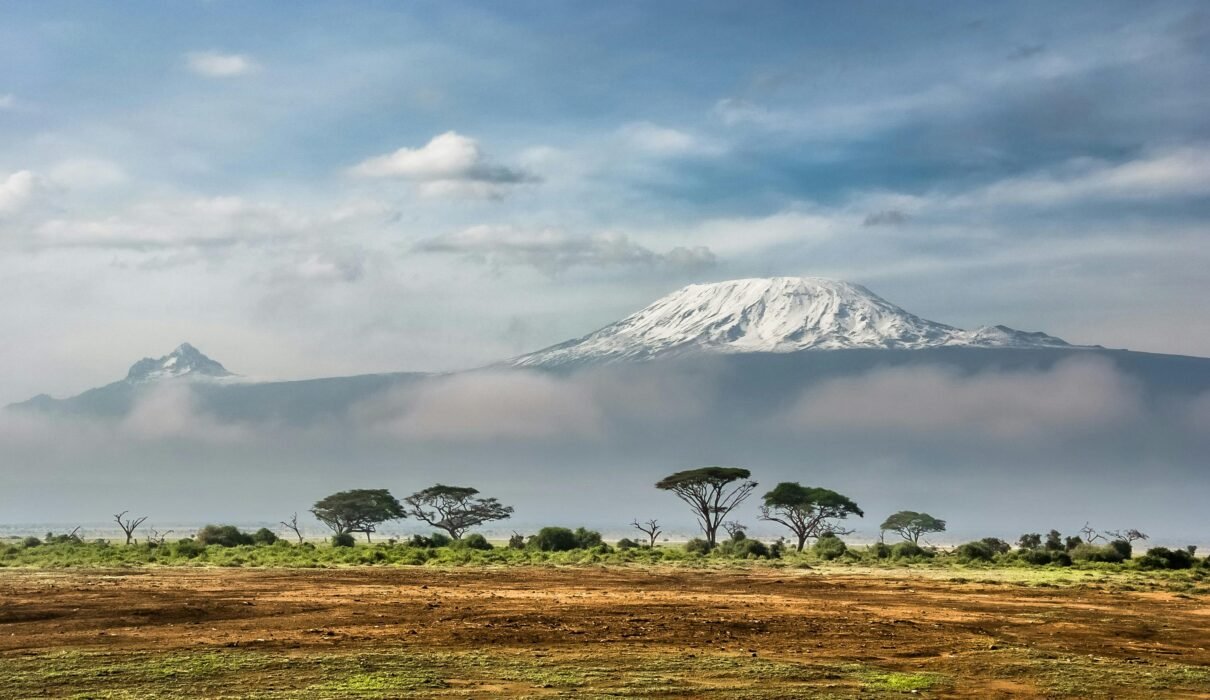
The Snows of Kilimanjaro by Ernest Hemingway Explained opens a powerful and emotional window into human regret, lost purpose, and the silent beauty of nature, using Africa’s highest mountain as a quiet but unforgettable symbol of everything the main character failed to become, and everything he still hopes, too late, to understand.
For many readers, the story feels simple on the surface, but its emotional weight grows slowly with every memory, every conversation, and every unspoken disappointment that follows the dying writer lying in a camp at the foot of Kilimanjaro. What makes the story truly powerful is not the physical setting alone, but the way the mountain stands as a silent witness to wasted talent, broken promises, and a life shaped more by comfort than courage.
The Snows of Kilimanjaro by Ernest Hemingway Explained and the meaning of the mountain itself
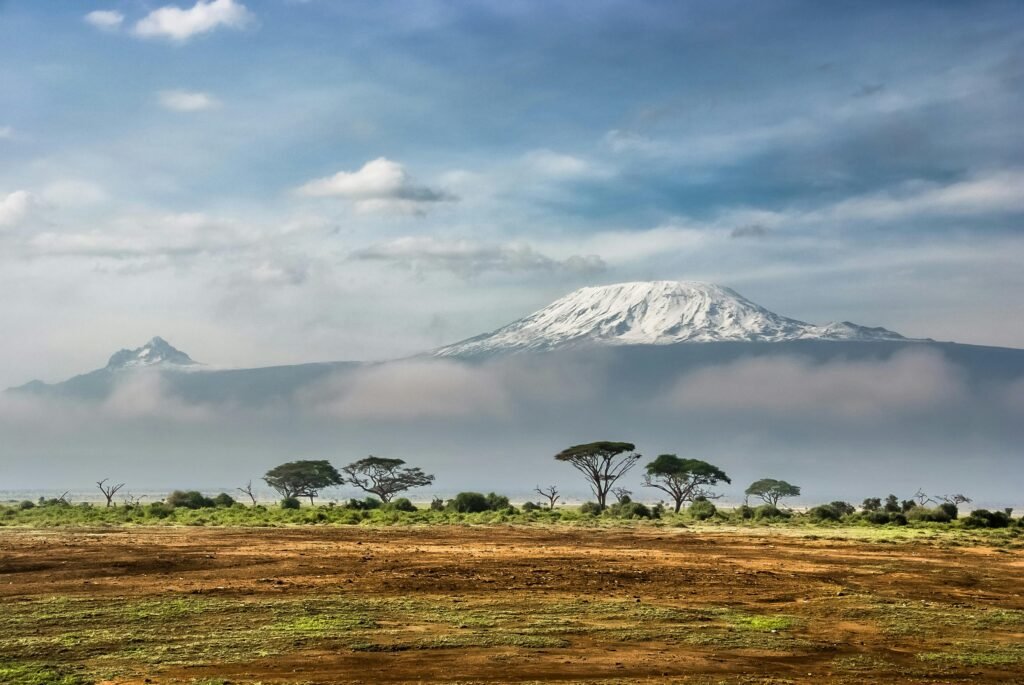
The Snows of Kilimanjaro by Ernest Hemingway Explained cannot be understood without first understanding what Mount Kilimanjaro represents in the story. The mountain appears almost like a moral standard, distant, pure, and untouched, while the main character slowly accepts that his own life has drifted away from such clarity. Today, the real mountain is protected as a fragile natural heritage site, and global environmental guidance from the United Nations Environment Programme and conservation frameworks promoted by the International Union for Conservation of Nature remind us that Kilimanjaro is not only a literary symbol, but also a living ecosystem facing pressure from climate change, land use, and human activity. Scientific monitoring coordinated by the UN Environment Programme World Conservation Monitoring Centre shows how sensitive mountain environments are to even small changes in temperature and forest cover, making the image of eternal snow even more emotionally striking today.
The Snows of Kilimanjaro by Ernest Hemingway Explained and the theme of wasted potential
The Snows of Kilimanjaro by Ernest Hemingway Explained reveals that the deepest pain in the story is not physical suffering, but the awareness that the main character abandoned the serious writing he once believed in, choosing comfort, luxury, and easy success instead. His memories are filled with moments he planned to write about but never did, and people he observed deeply but never honoured with real work. This conflict between talent and responsibility reflects a wider human problem that still exists today, where short-term gain often replaces long-term purpose. Modern social development research from the UN Department of Economic and Social Affairs shows how personal fulfilment, creativity, and contribution to society remain central to human wellbeing, even in very different cultural and economic settings.
The Snows of Kilimanjaro by Ernest Hemingway Explained and the fear of an unfinished life
The Snows of Kilimanjaro by Ernest Hemingway Explained becomes most painful when the character finally understands that his greatest enemy was not war, poverty, or hardship, but comfort and distraction. He repeatedly admits that he chose safety over discipline and admiration over truth. Psychological research and wellbeing studies promoted by the World Health Organization increasingly recognise how regret, unfulfilled goals, and loss of meaning can strongly affect mental and emotional health, especially later in life. The story quietly shows how the absence of purpose can be as damaging as physical illness.
The Snows of Kilimanjaro by Ernest Hemingway Explained and the role of nature as silent truth
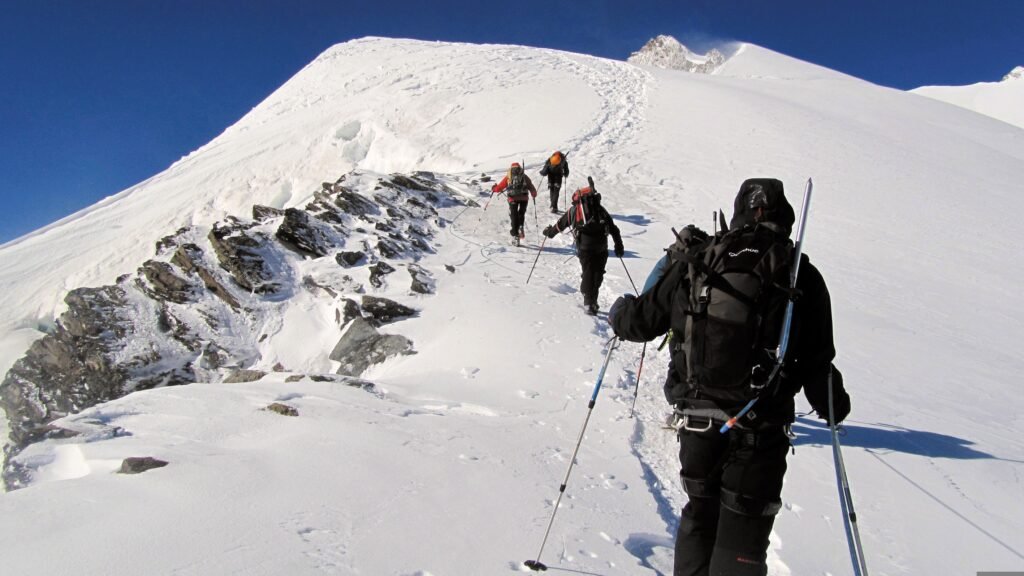
The Snows of Kilimanjaro by Ernest Hemingway Explained places nature in a powerful, silent role. The animals, the plains, the distant peaks and the cold air do not judge the main character, but they reflect something far more uncomfortable – honesty. Nature remains pure and unchanged, while human life becomes complicated, distracted and full of compromise. Today, conservation science reminds us how closely human wellbeing and environmental stability are connected. Global biodiversity assessments coordinated by the Intergovernmental Science-Policy Platform on Biodiversity and Ecosystem Services and climate science published by the Intergovernmental Panel on Climate Change show how fragile natural systems are, and how quickly human choices can shape their future.
Wildlife and ecosystem protection programmes led by the Wildlife Conservation Society, landscape conservation initiatives supported by the African Wildlife Foundation, and large-scale ecosystem protection work from Conservation International demonstrate how modern conservation carries the same quiet message found in the story – nature continues without us, but our future depends on how we protect it.
The Snows of Kilimanjaro by Ernest Hemingway Explained and symbolism of death and escape
The Snows of Kilimanjaro by Ernest Hemingway Explained reaches its emotional climax through the dream of being flown toward the snowy summit, away from pain, failure and disappointment. The flight does not represent physical survival, but spiritual escape – the hope of reaching a place of purity where mistakes no longer matter. This final image of the mountain becomes a symbol of redemption rather than success. Environmental philosophy and cultural landscape research promoted by UNESCO recognises how natural landmarks become part of human identity and moral storytelling, shaping how societies understand memory, loss and hope.
The Snows of Kilimanjaro by Ernest Hemingway Explained and real Kilimanjaro today
The Snows of Kilimanjaro by Ernest Hemingway Explained becomes even more meaningful when readers realise that the real mountain now faces serious environmental pressure. Forest research from the Center for International Forestry Research highlights how deforestation and land conversion around mountain catchments reduce water security and biodiversity. Species distribution data managed by the Global Biodiversity Information Facility also shows how sensitive high-altitude ecosystems host rare plants and insects that depend on stable temperature and moisture conditions.
Large mammal protection work by Panthera and bird habitat monitoring coordinated by BirdLife International further demonstrate how surrounding landscapes form part of a much wider ecological network that supports wildlife movement and survival.
The Snows of Kilimanjaro by Ernest Hemingway Explained and the responsibility of visitors
The Snows of Kilimanjaro by Ernest Hemingway Explained quietly reminds modern travellers that visiting such a powerful place carries responsibility. Protected area governance principles supported by the Convention on Biological Diversity, sustainable land management guidance from the Food and Agriculture Organization, and ecosystem restoration strategies promoted by The Nature Conservancy all encourage low-impact tourism and strong community participation around protected landscapes.
Development and livelihood studies published by the World Bank and labour protection standards promoted by the International Labour Organization further show that tourism should directly improve local lives rather than only benefit external operators.
The Snows of Kilimanjaro by Ernest Hemingway Explained and meaningful travel experiences
The Snows of Kilimanjaro by Ernest Hemingway Explained naturally leads many readers to feel curious about the real landscapes that inspired the story. Travellers who wish to experience the mountain and surrounding wildlife responsibly often begin their planning through professional Kilimanjaro travel services, where routes, safety standards and environmental guidelines are clearly explained for visitors who want to protect the places they explore.
Many visitors also combine cultural experiences and wildlife viewing through custom Tanzania safari programmes, allowing them to understand both natural and human stories connected to the mountain. For travellers interested in ethical adventures, responsible safari and trekking packages provide opportunities to support local guides, porters and community projects directly. Those seeking personalised journeys often use tailor-made travel itineraries in Tanzania to build trips that reflect their interests in literature, nature and conservation.
The Snows of Kilimanjaro by Ernest Hemingway Explained and its message for today
The Snows of Kilimanjaro by Ernest Hemingway Explained ultimately delivers a quiet but powerful warning – that time, opportunity and purpose are fragile, and that comfort can slowly silence creativity and responsibility. At the same time, it reminds us that nature, when protected and respected, continues to offer perspective, humility and healing. Global environmental cooperation coordinated by UN Environment and science-based conservation leadership from Conservation International now translate this literary message into practical action across landscapes like Kilimanjaro.
In simple words, The Snows of Kilimanjaro by Ernest Hemingway Explained is not only a story about a dying writer. It is a story about choice, responsibility and the silent power of nature to reveal who we truly are – and it invites every reader, and every traveller, to protect the real mountain that continues to carry this message for the world.