
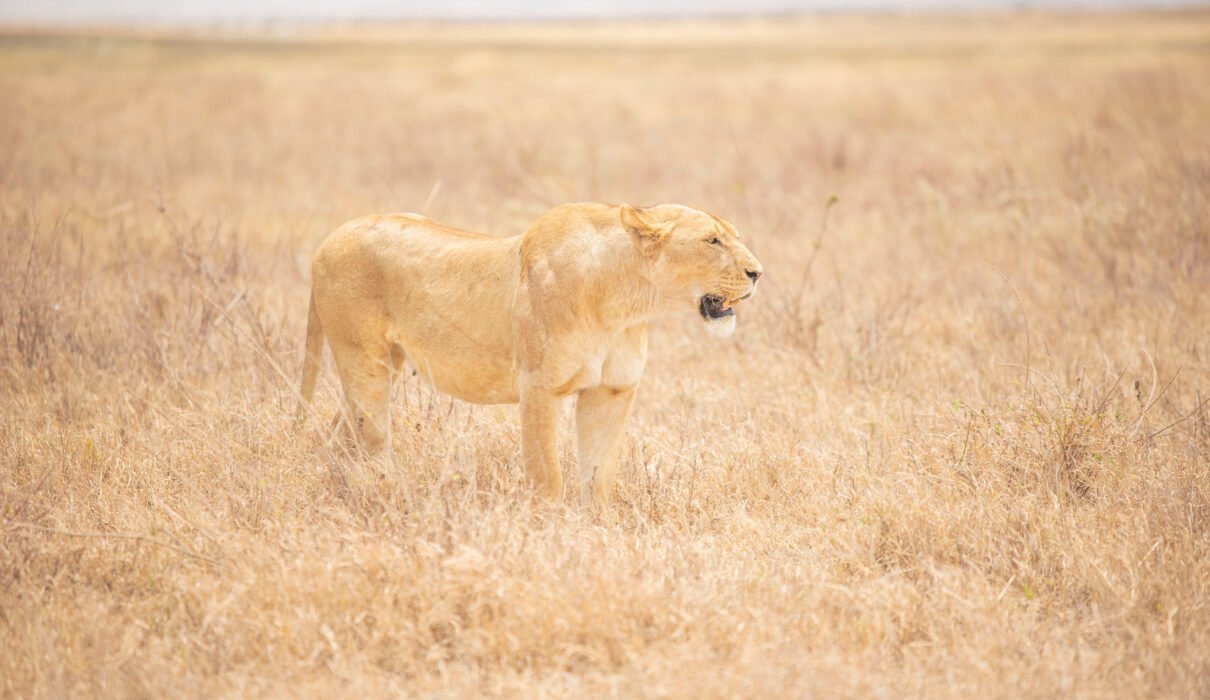
The Today’s Updates to Our Best Kenya Tours reflect how responsible travel in East Africa is changing fast, with stronger conservation rules, better wildlife protection systems, improved guest safety standards and deeper community involvement shaping the way modern safari experiences are designed. These updates are not cosmetic changes. They respond directly to environmental research, wildlife monitoring results and global sustainability guidelines that now influence how quality safari programs are created in Kenya.
Travelers who want meaningful wildlife encounters and ethical experiences are no longer satisfied with basic game drives. They want transparency, real conservation contribution and professional operations that protect nature and people at the same time. That is why many guests who combine Kenya with Tanzania travel planning choose experienced regional partners such as Eddy Tours & Safaris, where updated programs are aligned with scientific guidance and conservation priorities across East Africa.
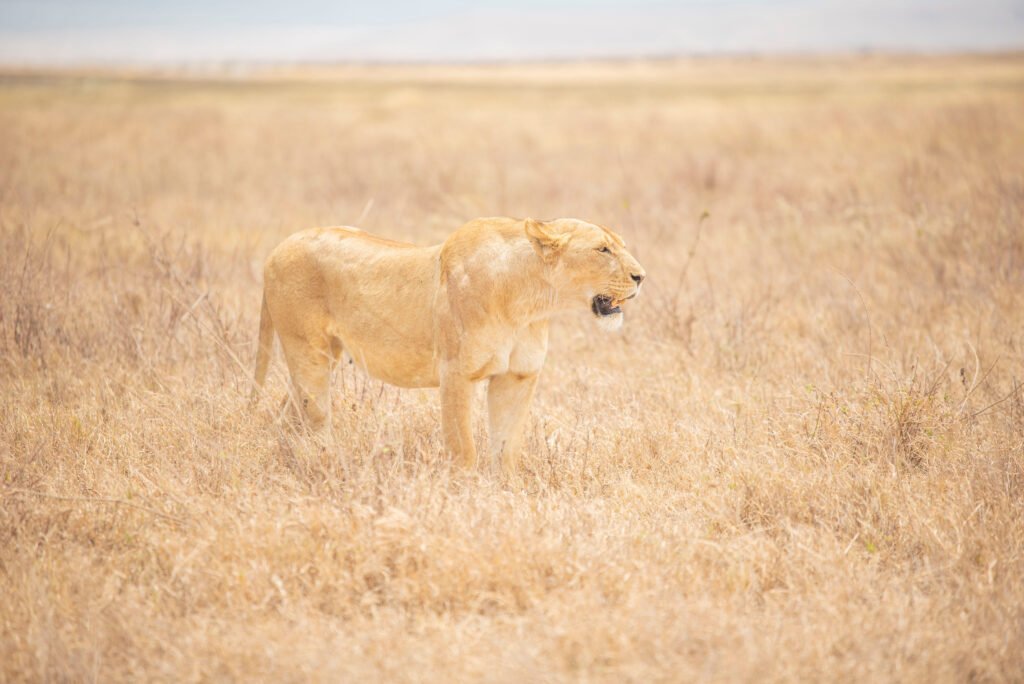
The Today’s Updates to Our Best Kenya Tours and conservation-driven itinerary design
One of the most important improvements behind The Today’s Updates to Our Best Kenya Tours is the integration of conservation science into itinerary planning. Wildlife protection organisations such as the International Union for Conservation of Nature, World Wide Fund for Nature and the Wildlife Conservation Society continue to highlight that uncontrolled tourism pressure can disturb migration corridors, breeding grounds and predator behaviour if not managed carefully.
Current route structures now avoid sensitive habitats identified through ecological mapping initiatives supported by the United Nations Environment Programme and biodiversity assessments coordinated by the Intergovernmental Science-Policy Platform on Biodiversity and Ecosystem Services. This allows guests to enjoy excellent wildlife viewing while reducing pressure on fragile ecosystems that are critical for long-term conservation success.
The Today’s Updates to Our Best Kenya Tours and wildlife protection protocols
Another major shift within The Today’s Updates to Our Best Kenya Tours is the strengthening of wildlife protection practices during safari activities. Research and field reports produced by African Wildlife Foundation and species-specific conservation programs such as Panthera clearly show that repeated close vehicle approaches and off-track driving create long-term stress for big cats and other sensitive species.
Updated operating rules now apply internationally recommended viewing distances and time limits around wildlife sightings, supported by behavioural research published through Nature Research and field ecology studies shared via ScienceDirect. These standards protect animal welfare while still allowing guests to observe natural behaviour without interference.
The Today’s Updates to Our Best Kenya Tours and community partnerships
A strong focus of The Today’s Updates to Our Best Kenya Tours is community involvement and fair economic benefit distribution. Development studies coordinated by the International Labour Organization and social impact programs supported by Oxfam International demonstrate that tourism operations supporting local employment and skills training contribute directly to long-term wildlife protection.
Updated tour structures now include community-led cultural activities, locally owned accommodation partners and transparent employment policies that reflect social sustainability principles promoted by the United Nations. These partnerships strengthen trust between conservation authorities and surrounding communities while improving visitor understanding of Kenya’s cultural landscapes.
The Today’s Updates to Our Best Kenya Tours and guide professionalism
Professional guide training is another key improvement shaping The Today’s Updates to Our Best Kenya Tours. Educational frameworks promoted by the National Geographic Society highlight the importance of ecological interpretation, conservation storytelling and responsible visitor behaviour during wildlife tourism.
Guides now receive advanced ecological literacy support through wildlife monitoring resources developed by BirdLife International and habitat conservation research coordinated by the Conservation International. This allows guests to better understand animal movements, climate pressures and conservation challenges beyond simply identifying species.
The Today’s Updates to Our Best Kenya Tours and environmental responsibility
Environmental management is a central pillar of The Today’s Updates to Our Best Kenya Tours. Global land-use monitoring systems supported by the United States Geological Survey and protected area management guidance published by UNESCO show that waste management, campsite control and water use have a direct effect on ecosystem stability.
Updated programs now prioritise low-impact accommodation partners, waste-reduction policies and strict adherence to designated tracks. These measures help preserve soils, vegetation and river systems that support both wildlife and pastoral livelihoods.
The Today’s Updates to Our Best Kenya Tours and climate adaptation planning
Climate resilience has become one of the strongest drivers behind The Today’s Updates to Our Best Kenya Tours. Climate modelling published by NASA Climate and regional impact assessments produced by the Intergovernmental Panel on Climate Change show that changing rainfall patterns and prolonged dry seasons influence wildlife movement and habitat quality.
Tour schedules are now designed around real-time environmental indicators to reduce pressure on drought-affected areas. This adaptive approach aligns with ecosystem resilience strategies promoted by the Food and Agriculture Organization and improves long-term sustainability for both tourism and conservation.
The Today’s Updates to Our Best Kenya Tours and visitor safety systems
Improved health and safety systems are a visible part of The Today’s Updates to Our Best Kenya Tours. International travel health guidance published by the World Health Organization and emergency preparedness frameworks promoted by the International Federation of Red Cross and Red Crescent Societies influence operational procedures across safari programs.
Updated safety protocols now include enhanced communication systems, remote medical support coordination and stronger driver safety standards. These measures follow global risk-reduction principles promoted by the World Bank Disaster Risk Management programme.
The Today’s Updates to Our Best Kenya Tours and responsible transport standards
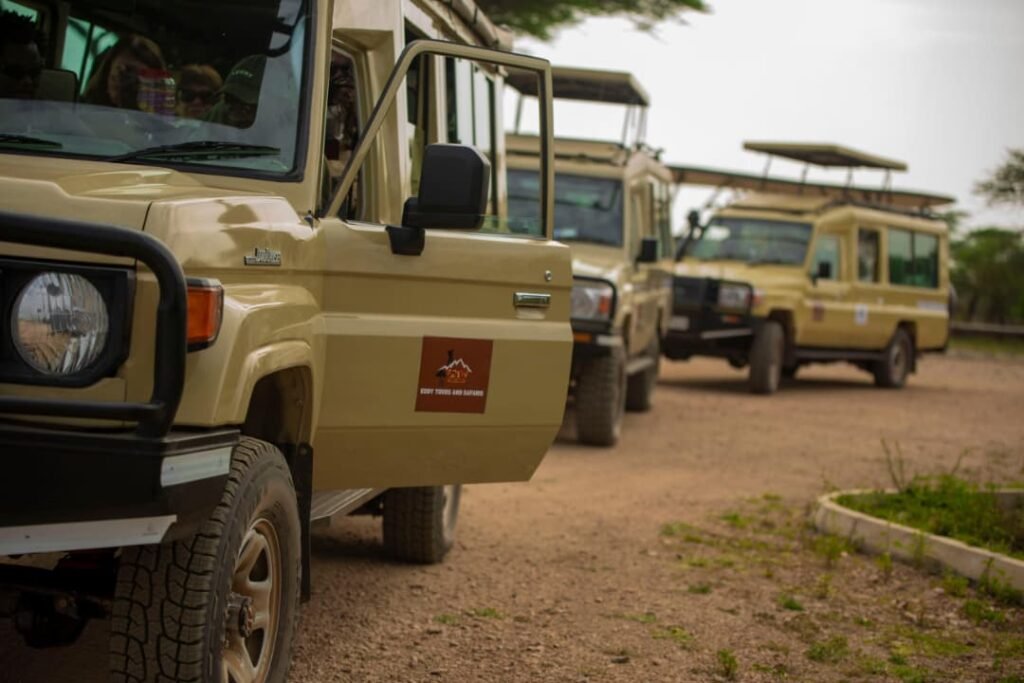
Transport quality directly influences both safety and environmental impact within The Today’s Updates to Our Best Kenya Tours. Road safety initiatives promoted by the World Health Organization road safety programme and sustainable transport studies coordinated by the International Energy Agency highlight the importance of well-maintained vehicles and fuel-efficient driving practices.
Updated safari fleets now emphasise preventive maintenance, reduced idling and communication equipment that improves coordination in remote areas, supporting both guest safety and reduced environmental footprint.
The Today’s Updates to Our Best Kenya Tours and ethical business transparency
Ethical governance is increasingly important within The Today’s Updates to Our Best Kenya Tours. Business integrity research published by Transparency International shows that transparent pricing structures and fair procurement practices strengthen trust across tourism supply chains.
Updated booking systems now clearly display inclusions, conservation contributions and community support components, reducing misunderstandings and improving guest confidence before arrival.
The Today’s Updates to Our Best Kenya Tours and scientific collaboration
Research collaboration has also influenced The Today’s Updates to Our Best Kenya Tours. Biodiversity monitoring projects and wildlife population studies shared through Frontiers in Ecology and Evolution and regional research initiatives published by the Harvard University research programmes help inform conservation-friendly visitor flows.
By aligning tourism activities with scientific observation needs, safari operations can contribute indirectly to wildlife monitoring while maintaining ethical visitor engagement standards.
The Today’s Updates to Our Best Kenya Tours for travellers planning East Africa journeys
For travellers combining Kenya and Tanzania itineraries, The Today’s Updates to Our Best Kenya Tours also create smoother cross-border planning opportunities. Many visitors prefer coordinated programs that align conservation goals and operational standards across the region.
Guests who are interested in continuing their wildlife experience into northern Tanzania often explore regional extensions through professionally designed Tanzania safari programs, where wildlife movement patterns and seasonal planning are closely aligned with conservation research and park regulations.
The Today’s Updates to Our Best Kenya Tours and mountain and adventure extensions
Some updated safari programs now integrate soft adventure experiences and responsible highland tourism within The Today’s Updates to Our Best Kenya Tours. For travellers planning to extend their journey toward mountain destinations and cultural landscapes, professional regional coordination is essential.
Many guests combine their Kenya wildlife journey with structured adventure programs offered through regional adventure and trekking specialists to ensure consistent safety standards and ethical operations across borders.
The Today’s Updates to Our Best Kenya Tours and personalised support
High-quality personal communication remains central to The Today’s Updates to Our Best Kenya Tours. Service quality frameworks promoted by the International Organization for Standardization show that structured client communication improves service reliability and traveller satisfaction.
For travellers who want clear advice and customised planning support, it is recommended to consult directly with regional specialists using professional travel consultation services that understand conservation priorities, park regulations and real operational conditions on the ground.
Why these updates truly matter for your Kenya safari experience
In reality, The Today’s Updates to Our Best Kenya Tours represent a shift from simple sightseeing toward responsible, science-informed and community-supported travel. They protect wildlife habitats, improve local livelihoods, strengthen safety systems and create deeper learning opportunities for travellers who want more than photographs.
Choosing a safari built on these updated principles allows you to travel with confidence, knowing that your experience supports long-term conservation and responsible tourism growth in Kenya and the wider East African region.