
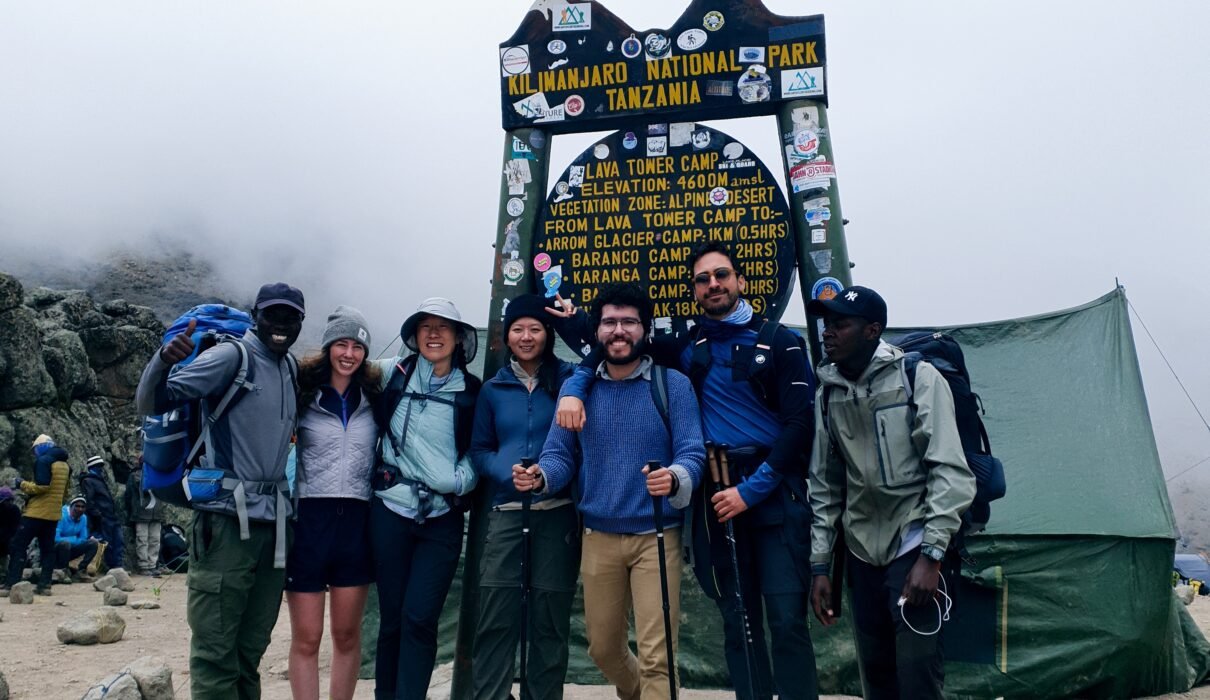
Climbing Mount Kilimanjaro is one of the most exciting adventures you can experience in Tanzania, and the Machame Route offers a remarkable journey to the highest point in Africa. Whether you have six, seven, or eight days available, this popular trekking route takes you through tropical rainforest, open moorland, rocky mountain landscapes, and the cold summit zone before reaching Uhuru Peak at 5,895 metres above sea level.
Often called the Whiskey Route, Machame is known for its beautiful scenery, varied terrain, and rewarding mountain experience. Unlike the Marangu Route, which uses permanent mountain huts, Machame is a camping route where climbers sleep in tents at designated campsites. Along the way, you will enjoy views of Kibo Peak, cross the Shira Plateau, climb the famous Barranco Wall, and experience the challenge of walking towards the summit during the night.
For travellers planning to climb Kilimanjaro in 2027 or 2028, choosing between the 6-day, 7-day, and 8-day Machame Route is an important decision. All three options can lead to Uhuru Peak, but they differ in pace, acclimatisation time, and overall difficulty. The longer itineraries generally provide more time to adjust to altitude, while the shorter option requires a faster ascent and greater physical effort.
Why Is the Machame Route So Popular?
The Machame Route is one of Kilimanjaro’s most established climbing trails, attracting travellers who want a combination of beautiful landscapes and a challenging summit experience. The route approaches the mountain from the southwest, beginning at Machame Gate before climbing through rainforest towards the Shira Plateau. As the journey continues, the landscape changes dramatically, with open valleys, volcanic rock formations, and impressive views of Kilimanjaro’s highest peaks.
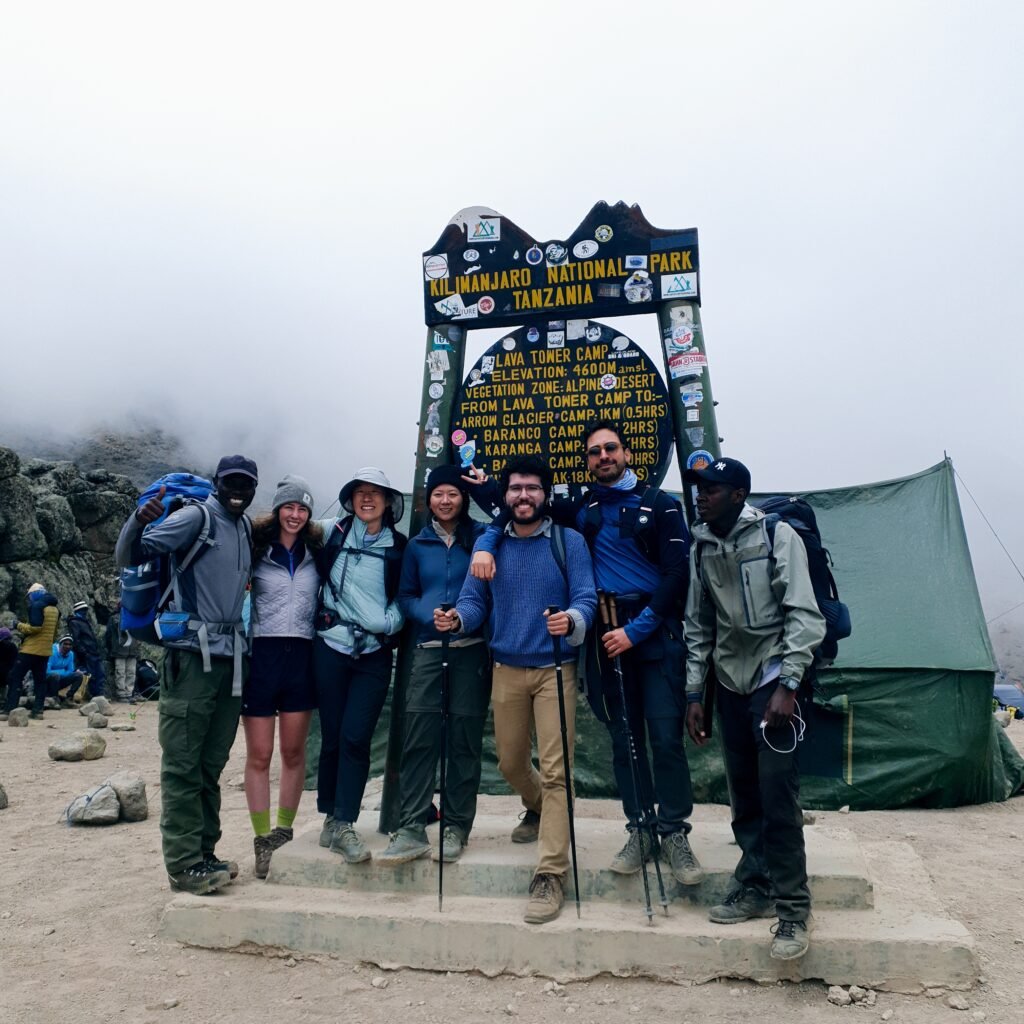
One of the main advantages of Machame is its acclimatisation profile. Several sections allow climbers to walk to higher elevations before descending to sleep at lower camps, a practice commonly described as climb high, sleep low. This approach can support acclimatisation, although it does not eliminate the possibility of altitude sickness. The route also offers memorable landmarks, including Lava Tower, Barranco Wall, and the Southern Circuit, where climbers enjoy different perspectives of Kibo.
Machame is particularly suitable for travellers who enjoy camping, mountain scenery, and varied hiking terrain. However, it is not an easy route. Some sections are steep, the summit attempt is physically demanding, and weather conditions can change quickly. Good preparation, suitable equipment, and experienced mountain guides are essential for a safe and enjoyable expedition.
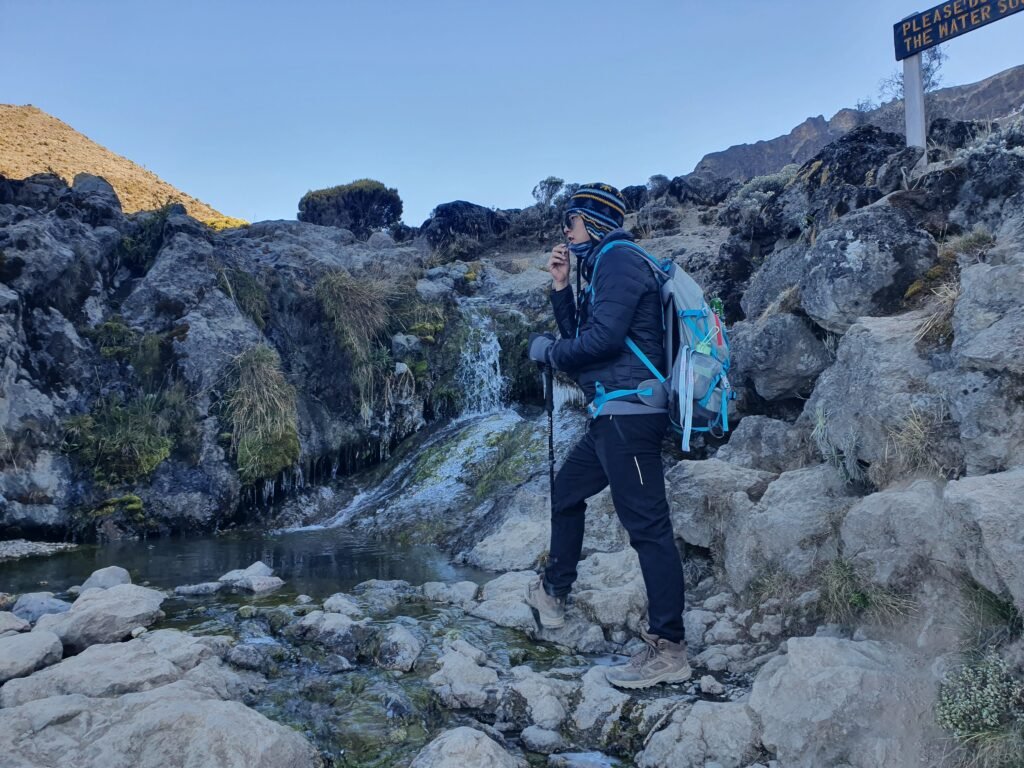
Machame Route: 6 Days vs 7 Days vs 8 Days
Before selecting your Kilimanjaro itinerary, it is useful to understand how the three options compare.
| Features | 6 Days Machame | 7 Days Machame | 8 Days Machame |
|---|---|---|---|
| Duration | 6 days | 7 days | 8 days |
| Accommodation | Mountain camping | Mountain camping | Mountain camping |
| Difficulty | Challenging | Challenging | Challenging |
| Acclimatisation | More limited | Better than 6 days | More gradual schedule possible |
| Summit destination | Uhuru Peak | Uhuru Peak | Uhuru Peak |
| Best suited for | Fit climbers with limited time | Most first-time climbers | Travellers wanting a slower pace |
| Relative cost | Lower | Moderate | Higher |
| Main advantage | Shorter itinerary | Balanced schedule | More time on the mountain |
Our recommendation: The seven-day Machame Route is a sensible choice for many travellers because it provides more time for acclimatisation than the six-day option. An eight-day itinerary can offer additional flexibility, although the benefit depends on how the extra day is scheduled.
1. The 6-Day Machame Route: A Shorter Kilimanjaro Challenge
The six-day Machame Route is designed for travellers who want to climb Kilimanjaro within a shorter period. It follows the established Machame trail but combines some sections that are normally completed separately on longer itineraries. This creates a demanding schedule with fewer opportunities to rest and adjust to altitude. Although physically fit travellers may complete the route successfully, the rapid ascent makes careful health monitoring particularly important.
Day 1: Machame Gate to Machame Camp
Your adventure begins with a transfer from Moshi or Arusha to Machame Gate, located at approximately 1,800 metres above sea level. After completing registration and meeting your mountain crew, you will begin walking through Kilimanjaro’s tropical rainforest. The trail passes beneath tall trees and thick vegetation, where monkeys and different bird species may occasionally be seen.
The hike to Machame Camp generally takes around five to seven hours, depending on weather conditions and the group’s pace. You will arrive at approximately 2,835 metres, where your crew will prepare dinner and your first overnight stay in mountain tents.
Day 2: Machame Camp to Shira Camp
After breakfast, you will leave the rainforest behind and begin climbing towards the Shira Plateau. The trail becomes steeper in several sections, with rocky paths and open views across the mountain. As you gain altitude, the vegetation changes from forest to heath and moorland, creating a completely different environment from the previous day.
You will reach Shira Camp at approximately 3,750 metres, where you can enjoy views of Kibo and the surrounding landscape when the weather is clear. The afternoon provides time to rest, eat, and prepare for the next day’s challenging hike.
Day 3: Shira Camp to Barranco Camp via Lava Tower
Today’s hike is an important part of the Machame Route’s acclimatisation profile. You will climb towards Lava Tower, situated at approximately 4,600 metres, before descending to Barranco Camp at around 3,900 metres. This allows you to spend time at a higher elevation before sleeping lower down.
The landscape becomes increasingly rocky as you approach Lava Tower, and walking may feel more difficult because of the altitude. After lunch and a short rest, you will descend into the Barranco Valley, where giant groundsels and other unusual high-altitude plants can be seen.
Day 4: Barranco Camp to Barafu Camp
The fourth day begins with the famous Barranco Wall, a steep rocky section that requires careful scrambling using both hands and feet in places. Although it is not normally considered a technical rock climb, the wall can feel intimidating, particularly for travellers who are uncomfortable with exposed terrain.
After completing the wall, you will continue through the Karanga Valley and towards Barafu Camp at approximately 4,670 metres. This is a long and physically demanding day because the six-day itinerary combines sections that are often separated on longer schedules. You will have an early dinner and rest before the summit attempt.
Day 5: Barafu Camp to Uhuru Peak and Descend to Mweka Camp
Summit day normally begins around midnight, when you will leave Barafu Camp and start climbing towards Stella Point on the crater rim. The trail is steep, cold, and physically exhausting, particularly as the altitude increases. Your guide will maintain a slow pace and monitor your condition throughout the ascent.
If conditions allow, you will continue from Stella Point to Uhuru Peak at 5,895 metres. After reaching the summit, you will begin descending towards Barafu Camp for a short rest before continuing to Mweka Camp, where you will spend the night.
Day 6: Mweka Camp to Mweka Gate
After breakfast, you will complete the final descent through Kilimanjaro’s rainforest towards Mweka Gate. The trail can be slippery after rainfall, so careful walking remains important even though you are descending.
At the gate, you will complete the exit procedures before meeting your driver for the transfer back to Moshi or Arusha. Your six-day Kilimanjaro adventure will then come to an end.
2. The 7-Day Machame Route: A Balanced Climbing Experience
The seven-day Machame Route follows a similar trail to the six-day itinerary but includes an additional day by separating the Barranco-to-Barafu section into two stages. This allows climbers to spend a night at Karanga Camp before continuing to Barafu, providing a more gradual schedule and additional time at altitude.
For many first-time Kilimanjaro climbers, seven days offers a useful balance between the overall trip duration and acclimatisation opportunities. The summit attempt remains challenging, but the itinerary avoids combining the long Barranco-to-Barafu section into a single day.
Day 1: Machame Gate to Machame Camp
Your climb begins at Machame Gate, where you will complete registration and meet your guides, porters, and mountain cook. The first hike passes through tropical rainforest towards Machame Camp, with opportunities to observe the mountain’s lower vegetation and occasional wildlife.
After several hours of walking, you will reach camp, where your tents and evening meal will be prepared. Your guide will explain the following day’s route and check how everyone is adjusting to the climb.
Day 2: Machame Camp to Shira Camp
After breakfast, you will continue climbing through heath and moorland towards the Shira Plateau. The trail includes steep sections and rocky paths, but the views become increasingly impressive as the vegetation opens up.
You will arrive at Shira Camp in the afternoon and spend the evening enjoying the mountain scenery. On clear days, Kibo Peak dominates the landscape, providing a reminder of the summit that lies ahead.
Day 3: Shira Camp to Barranco Camp via Lava Tower
Today’s route takes you towards Lava Tower before descending to Barranco Camp. The climb to approximately 4,600 metres provides exposure to higher altitude, while the descent allows you to sleep at a lower elevation.
After reaching Barranco Camp, you will have time to rest and enjoy the dramatic scenery surrounding the campsite. The famous Barranco Wall rises nearby and will be your first challenge the following morning.
Day 4: Barranco Camp to Karanga Camp
After breakfast, you will begin climbing the Barranco Wall. This section involves scrambling over rocky terrain, and your guide will help you navigate the steeper passages safely. Once you reach the top, you will enjoy impressive views of the surrounding valleys and Kibo Peak.
The trail then continues across several ridges and valleys before reaching Karanga Camp at approximately 4,000 metres. The shorter hiking day provides additional time to rest and adjust before continuing towards the summit base camp.
Day 5: Karanga Camp to Barafu Camp
Today’s hike is relatively short but involves continued altitude gain as you travel towards Barafu Camp. The landscape becomes increasingly rocky and exposed, with limited vegetation and wide views of the mountain.
After arriving at Barafu Camp, you will have lunch, prepare your summit equipment, and rest before the night ascent. Your guide will explain the summit schedule and assess each climber’s condition before deciding whether it is safe to continue.
Day 6: Barafu Camp to Uhuru Peak and Descend to Mweka Camp
Your summit attempt begins late at night or shortly after midnight. You will climb towards Stella Point, following a steep trail through loose volcanic material. The cold temperatures and reduced oxygen availability make this the most demanding part of the journey.
From Stella Point, climbers who remain fit and well may continue towards Uhuru Peak. After reaching the summit, you will descend to Barafu Camp and continue towards Mweka Camp for your final overnight stay on the mountain.
Day 7: Mweka Camp to Mweka Gate
After breakfast, you will descend through the rainforest towards Mweka Gate. The final walk provides an opportunity to reflect on the journey and enjoy the mountain’s lower landscapes.
After completing the park exit procedures, your driver will transfer you to your hotel in Moshi or Arusha, marking the end of your seven-day Machame Route adventure.
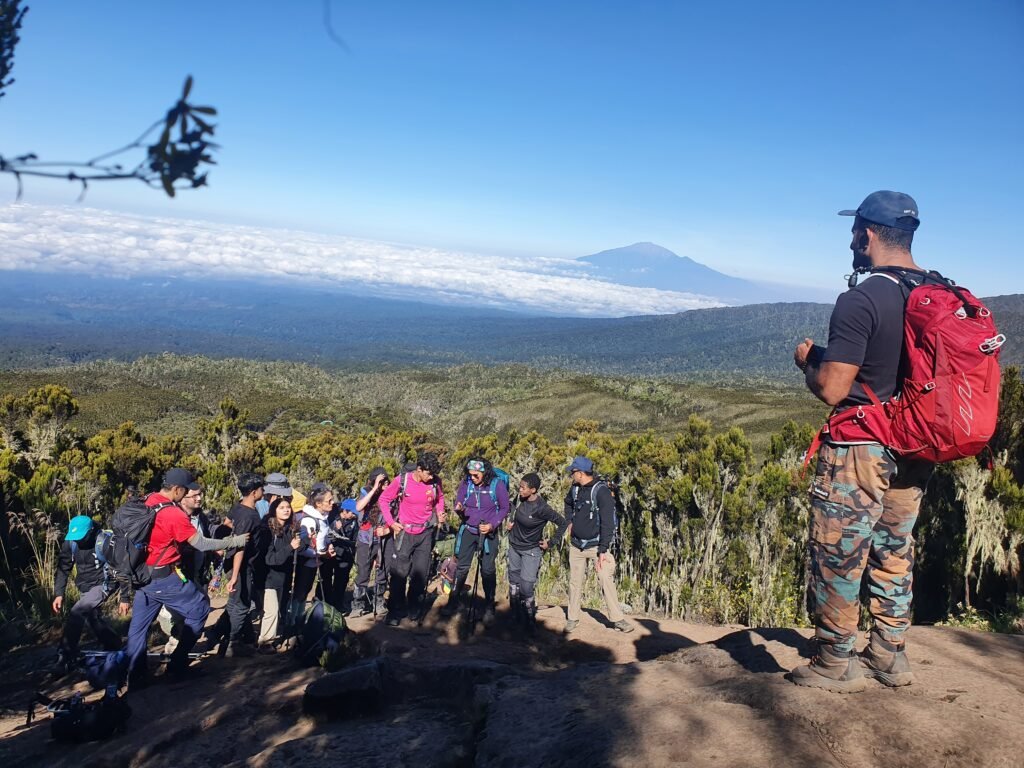
3. The 8-Day Machame Route: More Time to Enjoy Kilimanjaro
The eight-day Machame Route is suitable for travellers who prefer a less compressed schedule and additional time on the mountain. It follows the same general Machame trail but can include an extra acclimatisation day, depending on the operator’s itinerary and park arrangements.
An additional day may provide more time to adjust to altitude, but its benefit depends on where it is included. For this example, the extra day is spent around the Shira Plateau, allowing climbers to explore the surrounding landscape before continuing towards Lava Tower and Barranco Camp.
Day 1: Machame Gate to Machame Camp
Your journey begins at Machame Gate with registration and a briefing from your mountain guide. You will then hike through the rainforest towards Machame Camp, enjoying the green vegetation and natural scenery along the trail.
After reaching camp, you will have dinner and spend your first night in a tent beneath the mountain’s lower slopes.
Day 2: Machame Camp to Shira Camp
The second day takes you out of the rainforest and onto the Shira Plateau. The trail becomes steeper, and the surrounding landscape gradually changes into open heath and moorland.
You will arrive at Shira Camp in the afternoon, where you can rest and enjoy views of Kibo and the surrounding mountain landscape.
Day 3: Shira Plateau Acclimatisation Day
Today provides additional time to adjust to altitude before continuing higher. Your guide may arrange a suitable acclimatisation walk around the Shira Plateau, depending on the group’s condition, weather, and authorised route options.
After exploring the area, you will return to camp for another overnight stay. The purpose of this day is to provide additional time at altitude rather than to cover a large distance.
Day 4: Shira Camp to Barranco Camp via Lava Tower
After breakfast, you will climb towards Lava Tower at approximately 4,600 metres before descending to Barranco Camp. The route provides an opportunity to experience the mountain’s alpine desert environment while following the climb-high, sleep-low principle.
You will arrive at Barranco Camp later in the day and enjoy views of the surrounding valleys and the imposing Barranco Wall.
Day 5: Barranco Camp to Karanga Camp
The day begins with the climb up Barranco Wall, followed by a scenic hike across ridges and valleys towards Karanga Camp. Your guide will assist you through the steeper sections and maintain a comfortable pace.
After reaching Karanga Camp, you will have the afternoon to rest, eat, and prepare for the next stage of the climb.
Day 6: Karanga Camp to Barafu Camp
After breakfast, you will continue towards Barafu Camp, the final campsite before the summit attempt. The trail becomes increasingly rocky, and the altitude makes walking more demanding.
You will arrive at camp with time to prepare your warm clothing, headlamp, and other summit equipment. After an early meal, you will rest before beginning the final ascent.
Day 7: Barafu Camp to Uhuru Peak and Descend to Mweka Camp
Your summit attempt begins during the night, following the steep trail towards Stella Point and then Uhuru Peak. Reaching the summit requires patience, physical effort, and careful attention to your guide’s instructions.
After the summit attempt, you will descend to Barafu Camp and continue towards Mweka Camp for your final night on the mountain.
Day 8: Mweka Camp to Mweka Gate
After breakfast, you will complete the final descent through the rainforest to Mweka Gate. Once the exit procedures are finished, your driver will transfer you back to Moshi or Arusha.
Your eight-day Kilimanjaro adventure ends with the experience of exploring several mountain environments and attempting to reach Africa’s highest summit.
Important: Eight-day Machame itineraries vary between operators. The extra acclimatisation day described here is an example and must be confirmed against the authorised route and campsite arrangements before booking.
How Difficult Is the Machame Route?
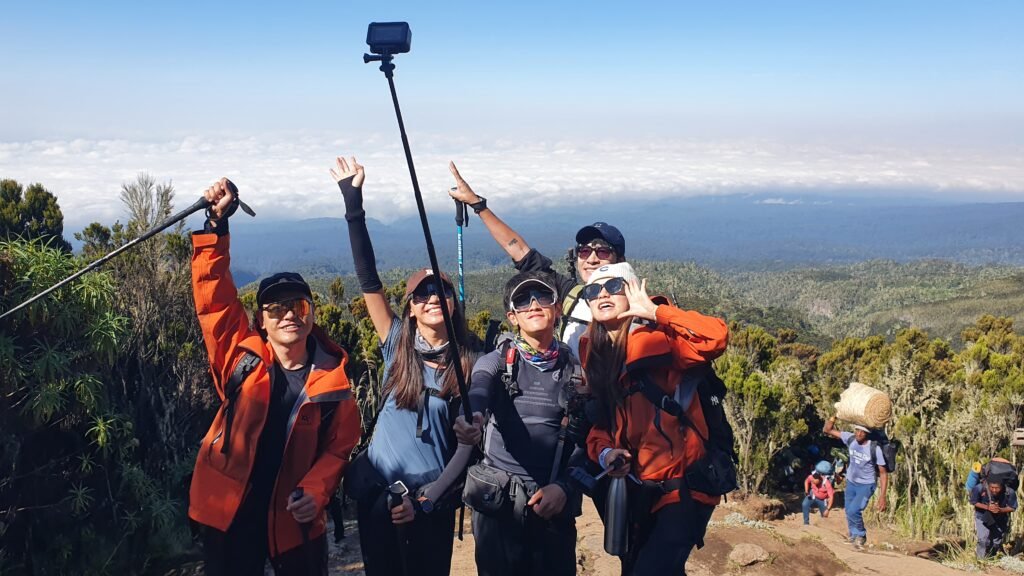
The Machame Route is considered challenging because it involves steep trails, rocky terrain, several consecutive days of hiking, and a demanding summit attempt. Although standard trekking itineraries do not normally require technical climbing equipment, sections such as Barranco Wall involve scrambling and may be uncomfortable for people who are afraid of heights.
Altitude is the most important challenge. As you climb higher, the reduced oxygen availability makes physical activity increasingly difficult. Even experienced hikers can develop altitude sickness, particularly when ascending too quickly. Symptoms such as headaches, nausea, dizziness, and unusual fatigue should be reported immediately to your guide.
Preparing for Kilimanjaro should include regular walking, hiking on hills, cardiovascular exercise, and strength training. However, physical fitness does not prevent altitude sickness. A longer itinerary may improve acclimatisation opportunities, but reaching the summit should never take priority over your health.
Best Time to Climb the Machame Route in 2027 and 2028
Mount Kilimanjaro can be climbed throughout the year, but some months generally provide more favourable weather conditions than others. January to early March and June to October are popular periods because they often have relatively dry conditions and clearer views. However, mountain weather can change quickly, and rain, snow, strong winds, and freezing temperatures remain possible at any time.
The period from March to May is commonly associated with heavier rainfall, which can make rainforest trails muddy and rocky sections slippery. November can also experience rainfall, although conditions vary between years. Travellers planning a climb during wetter periods should be prepared for difficult trail conditions and reduced visibility.
For 2027 and 2028, booking several months in advance can help secure preferred travel dates and accommodation before and after the climb. The exact climbing schedule should be confirmed with your tour operator according to available permits and mountain arrangements.
What Is Included in a Machame Route Climbing Package?
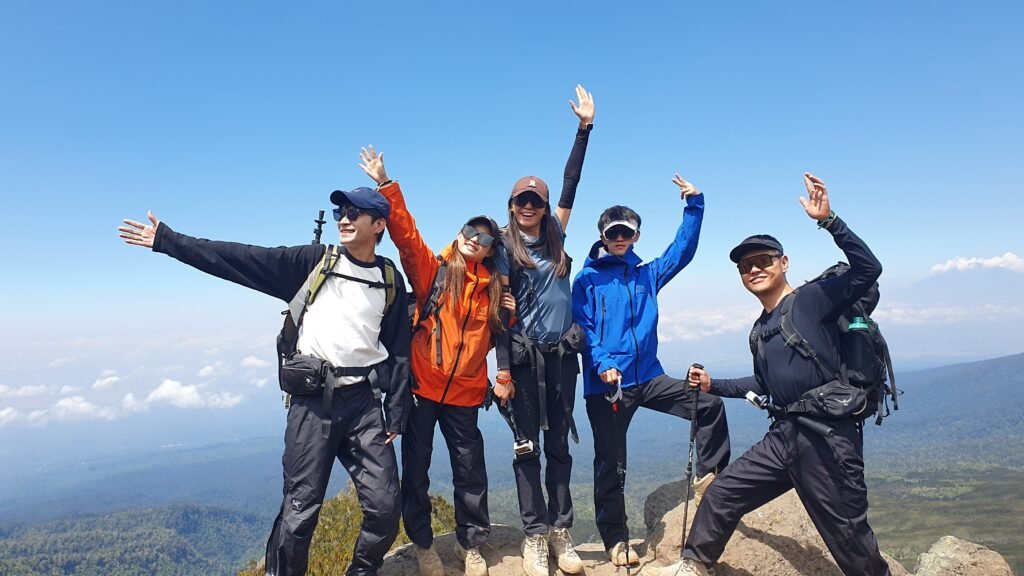
A typical guided Machame Route package includes Kilimanjaro National Park fees, camping accommodation, professional mountain guides, porters, a mountain cook, meals during the climb, and transport between the hotel and park gates. Operators also arrange essential mountain support services, although the exact inclusions vary between packages.
Travellers should confirm whether airport transfers, hotel accommodation, drinking water arrangements, equipment rental, and emergency evacuation arrangements are included. International flights, Tanzanian visas, personal equipment, travel insurance, and crew tips are often excluded unless specifically stated in the quotation.
Before booking, request a complete itinerary showing the number of mountain days, overnight camps, services included, and additional costs. This is particularly important when comparing six-, seven-, and eight-day packages because different operators may use different schedules.
What Should You Pack for the Machame Route?
Packing properly is essential because the Machame Route passes through several climate zones. The lower rainforest can be warm and humid, while the summit area may experience freezing temperatures and strong winds. Layered clothing helps you remain comfortable as conditions change throughout the day.
Essential items include well-fitting hiking boots, warm base layers, an insulated jacket, waterproof clothing, gloves, a warm hat, a headlamp, trekking poles, and a sleeping bag suitable for cold mountain conditions. You will also need a daypack, water containers, sunglasses, sunscreen, and personal medication.
Your operator should provide a detailed packing list before departure and explain which items can be rented locally. Travellers should also arrange suitable travel insurance covering high-altitude trekking and emergency evacuation.
Can You Combine the Machame Route with a Tanzania Safari?
Yes. Many travellers combine their Kilimanjaro climb with a wildlife safari in northern Tanzania. After descending from the mountain, you can explore destinations such as Serengeti National Park, Ngorongoro Crater, and Tarangire National Park, where game drives provide opportunities to observe lions, elephants, giraffes, zebras, buffaloes, and other wildlife.
A safari after Kilimanjaro can be an enjoyable way to continue your holiday, although it is sensible to allow time for rest and recovery following the climb. Travellers with additional days available may also visit Zanzibar for a beach holiday.
Eddy Tours & Safaris arranges Kilimanjaro climbing trips and private Tanzania wildlife safaris, allowing visitors to combine mountain trekking with other experiences according to their preferred travel dates and budget.
Frequently Asked Questions About the Machame Route
Is the 6-Day Machame Route Too Short?
The six-day Machame Route is a demanding itinerary with limited acclimatisation time. Although some climbers complete it successfully, many travellers may benefit from choosing the seven-day option or a longer schedule.
Is the 7-Day Machame Route Better Than the 6-Day Route?
For many climbers, yes. The seven-day itinerary includes an additional night at Karanga Camp, providing more time at altitude before the summit attempt. However, altitude sickness remains possible on either itinerary.
Is the 8-Day Machame Route Worth It?
An eight-day itinerary can be worthwhile for travellers who prefer additional time on the mountain. The benefit depends on how the extra day is arranged, so it is important to review the detailed schedule rather than selecting a package based only on its duration.
Do You Sleep in Huts on the Machame Route?
No. The Machame Route uses designated mountain campsites where climbers sleep in tents. Mountain huts are associated with the Marangu Route.
Can Beginners Climb Kilimanjaro via Machame?
Beginners with good fitness and suitable preparation may attempt the Machame Route, but the climb remains physically demanding. A longer itinerary, appropriate equipment, and professional guidance are important.
How High Is Uhuru Peak?
Uhuru Peak stands at 5,895 metres above sea level and is the highest point on Mount Kilimanjaro and the African continent.
Can You Climb Kilimanjaro Without a Guide?
No. Kilimanjaro National Park requires climbers to use authorised guiding arrangements. Visitors should book through an appropriately licensed operator and follow park regulations.
Book Your 6, 7, or 8 Days Machame Route Adventure with Eddy Tours & Safaris
The Machame Route offers one of the most scenic ways to experience Mount Kilimanjaro, taking climbers from tropical rainforest to open moorland, rocky valleys, and the high-altitude summit zone. Whether you choose six, seven, or eight days, the journey provides an opportunity to experience Tanzania’s mountain landscapes while working towards the challenge of reaching Uhuru Peak.
For most travellers, the seven-day Machame Route offers a good balance between time and acclimatisation. The eight-day option may provide additional flexibility, while the six-day itinerary is more demanding because of its shorter schedule. Whichever option you choose, proper preparation, suitable equipment, and experienced mountain guides are essential.
Eddy Tours & Safaris is a local tour company in Arusha, Tanzania, arranging professionally guided Kilimanjaro climbing trips, Tanzania wildlife safaris, and private holidays.
If you are planning to climb Kilimanjaro in 2027 or 2028, our team can help you compare the available Machame Route itineraries and select a suitable option based on your fitness, travel dates, and budget.
Contact Eddy Tours & Safaris
Location: Arusha, Tanzania
Email: sales@eddytours-safaris.com
Phone/WhatsApp: +255 711 906 664
Website: Eddy Tours & Safaris
Booking enquiries: Contact our team