
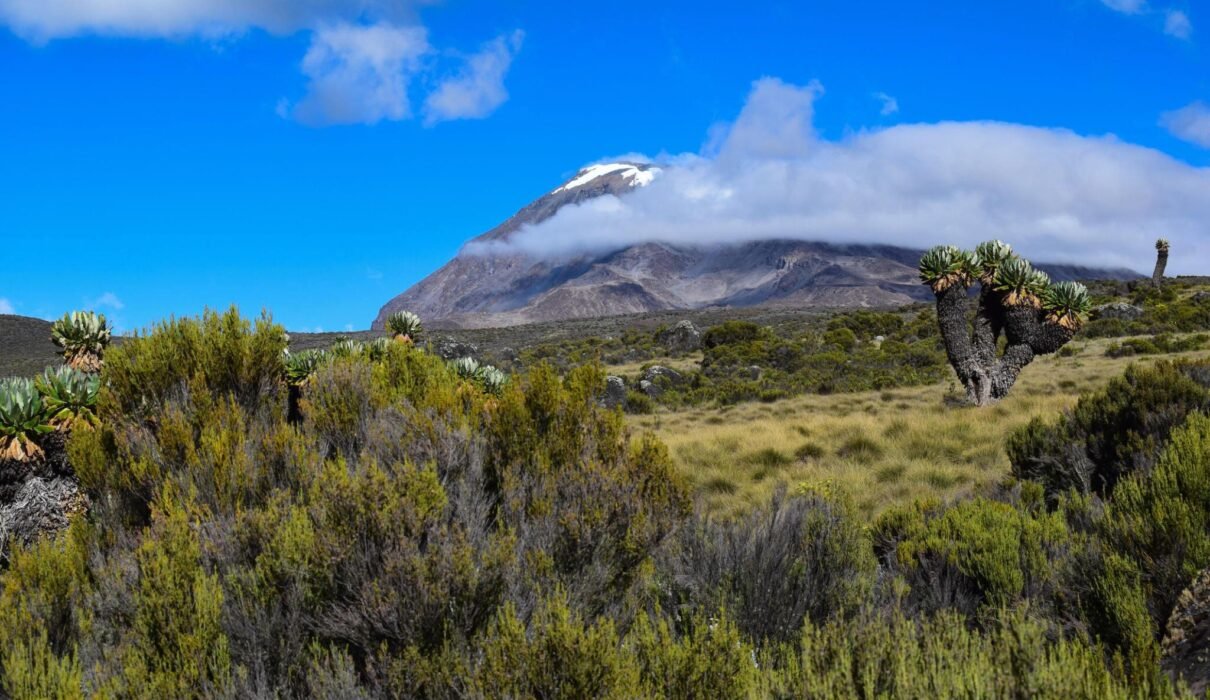
10 Things They Dont Tell You About Climbing Kilimanjaro. Climbing Mount Kilimanjaro, the highest peak in Africa, is an exhilarating challenge that many adventurers aspire to conquer. While the trek is known for its stunning views and unique experience, there are aspects of the journey that often go unmentioned. Whether it’s the mental challenges, unexpected weather, or effects of altitude, there are plenty of things that catch climbers by surprise.
In this article, we reveal 10 things they don’t tell you about climbing Kilimanjaro, so you can be fully prepared for what lies ahead.
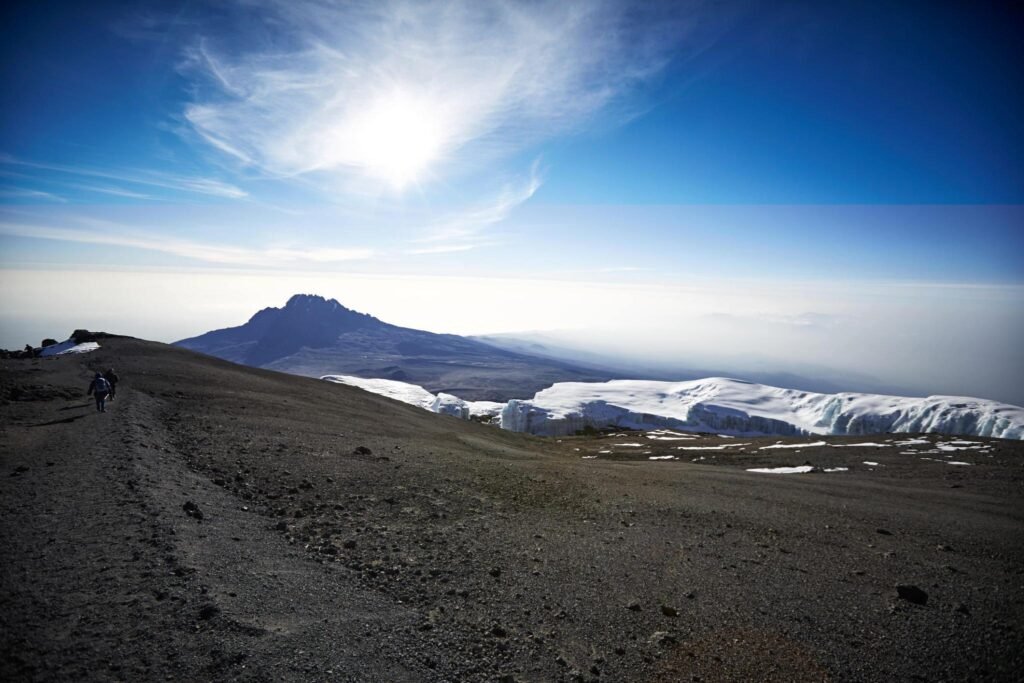
Starting an expedition up Africa’s highest peak involves navigating unpredictable conditions, rapid mental shifts, and environmental factors that rarely appear on standard packing lists. Understanding the subtle, unmentioned realities of mountain life before setting foot on the trail equips you to adapt smoothly to high-altitude stress, handle unexpected weather shifts, and approach every stage of the climb with confidence.
10 Things They Dont Tell You About Climbing Kilimanjaro : Altitude Will Affect You, Even if You’re Fit
No matter how physically fit you are, altitude sickness is the great equalizer on Kilimanjaro. The air gets thinner as you ascend, and the lack of oxygen can hit even the fittest hikers.
What to Expect:
- Altitude Symptoms: Headaches, nausea, shortness of breath, and dizziness are common symptoms at high elevations.
- No Predictability: Fitness doesn’t prevent altitude sickness. You could be in top shape but still suffer from altitude effects, while someone less fit has no issues.
Acclimatization is key to mitigating these symptoms, so choose a longer route and ascend slowly to give your body time to adjust.
Starting an expedition up Africa’s highest peak involves navigating unpredictable conditions, rapid mental shifts, and environmental factors that rarely appear on standard packing lists. Understanding the subtle, unmentioned realities of mountain life before setting foot on the trail equips you to adapt smoothly to high-altitude stress, handle unexpected weather shifts, and approach every stage of the climb with confidence.
Learn more about altitude sickness on Kilimanjaro
10 Things They Dont Tell You About Climbing Kilimanjaro : Summit Night is Brutally Cold
The trek to the summit begins in the middle of the night when temperatures can drop well below freezing. This night is notoriously difficult, both physically and mentally.
What You Need:
- Warm Gear: A high-quality down jacket, thermal layers, gloves, and a hat are essential to keep you warm.
- Mental Toughness: The cold, exhaustion, and altitude make summit night a mental battle as much as a physical one.
Despite the freezing conditions, the reward of watching the sunrise from the summit is worth every shivering moment.
Trekking through freezing temperatures in complete darkness makes summit night the most physically and mentally demanding phase of the entire climb. Equipping yourself with heavy thermal layers, maintaining focus through extreme fatigue, and pushing past the cold ensures you withstand the final elevation gain, rewarding your determination with an unforgettable sunrise from the peak.
Check out a Kilimanjaro gear list
10 Things They Dont Tell You About Climbing Kilimanjaro : You Might Lose Your Appetite
As you ascend higher, it’s common to lose your appetite due to the effects of altitude. This can be problematic since you need to consume plenty of calories to keep your energy levels up.
Tips to Combat Loss of Appetite:
- Eat Small, Frequent Meals: Even if you don’t feel hungry, try to eat small portions of food regularly to maintain energy.
- Bring Snacks: Pack high-calorie snacks like energy bars, nuts, and dried fruit that are easy to eat on the go.
Your guides will prepare hearty meals, but bringing your own snacks ensures you have something you can stomach when your appetite dips.
Learn more about staying fueled on Kilimanjaro
Overcoming altitude-induced nausea and appetite loss is one of the key things they dont tell you about climbing Kilimanjaro, as maintaining high caloric intake is essential for physical stamina. Grazing on dense, easily digestible snacks like nuts and energy bars while consuming smaller, frequent portions of camp meals prevents energy crashes, ensuring your body stays fueled for demanding, high-elevation trekking days.
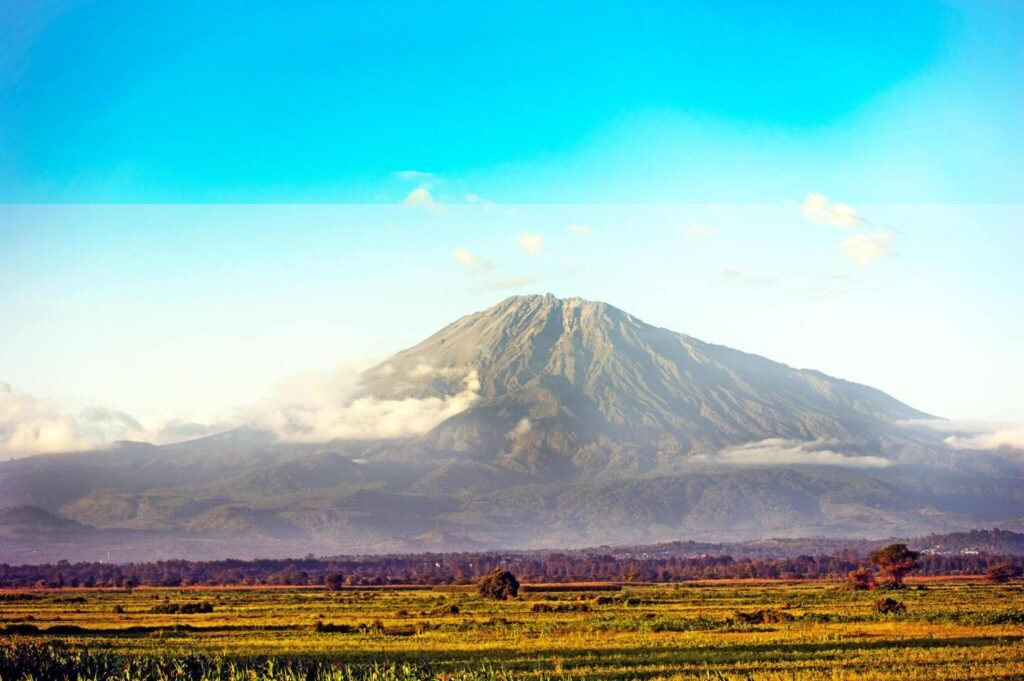
10 Things They Dont Tell You About Climbing Kilimanjaro : The Descent Can Be Harder Than the Ascent
While reaching the summit is a huge achievement, the descent can be surprisingly tough. After days of ascending, your muscles will be fatigued, and going downhill can be harder on your knees and joints.
What to Expect:
- Steep Descent: The descent from Uhuru Peak is steep and requires careful navigation, especially on loose scree.
- Knee Pain: Many trekkers experience knee pain during the descent due to the constant downhill strain.
Consider using trekking poles to reduce pressure on your knees and help maintain balance on the loose rocks.
Descending from the summit often presents a greater physical challenge than the climb up, putting continuous pressure on already exhausted legs and joint structures. Navigating steep, unstable scree slopes requires active balance, making trekking poles an indispensable tool to absorb impact, steady your footing, and protect your knees from joint strain on the long journey down to lower elevation.
Explore tips for descending Kilimanjaro
10 Things They Dont Tell You About Climbing Kilimanjaro : The Weather is Unpredictable
Kilimanjaro’s climate zones range from tropical rainforests to arctic conditions at the summit, and the weather can change dramatically over the course of a day.
Be Prepared for:
- Rain: Even during the dry season, rain is common in the rainforest zone.
- Extreme Cold: The higher you go, the colder it gets. It can be freezing at night, even when it’s warm at lower altitudes.
- Wind: Strong winds are common on the summit, adding to the challenge.
Pack for all types of weather, including rain gear and warm layers, even if you’re trekking during the dry season.
Preparing for microclimate swings and rapid temperature shifts is one of the most crucial things they dont tell you about climbing Kilimanjaro, as weather conditions can change from warm rainforest humidity to sub-zero summit gale winds within hours. Carrying adaptable waterproof shells alongside warm insulating layers ensures you stay dry and protected against unexpected downpours, severe cold, and biting winds, keeping you comfortable and safe throughout every stage of the mountain.
Learn more about Kilimanjaro weather
10 Things They Dont Tell You About Climbing Kilimanjaro : Mental Strength is Just as Important as Physical Strength
While physical fitness is essential, mental resilience plays a huge role in reaching the summit. The altitude, cold, and long days of trekking can take a toll on your mindset.
How to Build Mental Toughness:
- Set Small Goals: Focus on reaching the next campsite or the next break rather than thinking about the entire trek.
- Stay Positive: Surround yourself with positive thoughts and encouraging teammates to keep spirits high.
- Visualize Success: Picture yourself standing at the summit to stay motivated during the tough moments.
Your mindset can make or break your summit attempt, so prepare mentally as well as physically.
Learn more about mental preparation for Kilimanjaro
Building mental resilience to push past fatigue, extreme cold, and oxygen-depleted air is one of the ultimate things they dont tell you about climbing Kilimanjaro, where psychological grit often matters just as much as physical conditioning. Breaking long trekking legs into bite-sized milestones, keeping a positive inner dialogue, and visualising the final push at Uhuru Peak keeps your morale intact when physical exhaustion sets in, helping you navigate the hardest miles of the ascent.
10 Things They Dont Tell You About Climbing Kilimanjaro : It’s Not Just About Reaching the Summit
While the summit is the ultimate goal, the journey up Kilimanjaro is just as rewarding. The varied landscapes, wildlife, and camaraderie with your trekking group make the experience unforgettable.
Other Highlights:
- Stunning Scenery: From lush rainforests to volcanic craters, the diverse landscapes are breathtaking.
- Wildlife Encounters: You may spot colobus monkeys in the rainforest zone or birds of prey soaring above the alpine desert.
- Cultural Exchange: Interacting with your local guides and porters offers insight into Tanzanian culture and traditions.
Appreciating these moments along the way makes the entire journey richer and more meaningful.
Fixating solely on Uhuru Peak means missing out on the rich, daily highlights that define the mountain. Taking time to admire the shifting landscapes, spot native wildlife, and bond with local crew members turns the trek into a deep, holistic experience, ensuring every stage of the journey feels just as meaningful as reaching the top.
Explore the beauty of Kilimanjaro’s landscapes
10 Things They Dont Tell You About Climbing Kilimanjaro : Tipping is Part of the Culture
Tipping your guides, porters, and cooks is an expected part of the Kilimanjaro experience. These hardworking individuals are essential to your trek’s success, and tipping is a way to show your appreciation.
Tipping Guidelines:
- Guides: Around $15-20 per day per guide.
- Porters: Around $5-10 per day per porter.
- Cooks: Around $10-15 per day for the cook.
It’s customary to tip at the end of the trek, and most groups pool their tips to distribute fairly among the staff.
Fairly compensating the support crew who carry camp supplies, prepare hot meals, and navigate the route is an integral part of trekking on Mount Kilimanjaro. Pooling tips with fellow climbers at the end of the expedition ensures every guide, porter, and cook receives direct recognition for their labor, honoring local mountain culture and rewarding the crew that made your journey safe and achievable.
Learn more about tipping etiquette on Kilimanjaro
10 Things They Dont Tell You About Climbing Kilimanjaro : Expect to Get Dusty
Kilimanjaro’s trails, especially in the alpine desert and summit zones, can be incredibly dusty. The volcanic ash and dry conditions mean that you and your gear will likely be covered in dust by the end of each day.
How to Cope:
- Bring a Buff or Bandana: Use it to cover your mouth and nose to prevent inhaling dust.
- Pack Wet Wipes: Since showers aren’t available on the mountain, wet wipes are essential for staying fresh.
- Protect Your Gear: Use waterproof bags or covers to keep dust out of your clothing and equipment.
The dust can be annoying, but with a few precautions, you can minimize its impact.
Trekking across dry alpine zones means dealing with fine volcanic dust that settles over clothes, packs, and personal gear by the end of every leg. Wearing a breathable face cover shielding your airway against airborne silt, relying on wet wipes for daily cleanup when water is scarce, and sealing dry clothing inside protective bags ensures you remain comfortable and focused on the ascent rather than the gritty conditions.
Discover more trekking tips for Kilimanjaro
10 Things They Dont Tell You About Climbing Kilimanjaro : You’ll Need to Hydrate More Than You Think
Staying hydrated is critical to both your performance and your ability to acclimatize to the altitude. Dehydration can exacerbate the symptoms of altitude sickness, so you need to drink more water than you might on a normal hike.
Hydration Tips:
- Drink 3-4 Liters a Day: Make sure you drink regularly, even if you don’t feel thirsty.
- Use a Hydration Bladder: This makes it easier to sip water frequently without stopping to take off your pack.
- Add Electrolytes: Electrolyte tablets can help replace salts lost through sweat, especially on hot days.
By staying hydrated, you’ll reduce the risk of altitude sickness and keep your energy levels up throughout the trek.
Learn more about hydration strategies for high-altitude treks
Maintaining high daily fluid intake is one of the most effective ways to support acclimatization and buffer your body against altitude sickness. Sipping water consistently through a hydration bladder keeps you from delaying drinks, while adding electrolyte tablets restores essential minerals lost during long trekking hours. Staying proactive with your hydration routine keeps your stamina steady and helps ensure your body adapts smoothly as you gain elevation.
10 Things They Dont Tell You About Climbing Kilimanjaro :
Climbing Mount Kilimanjaro is a challenge that requires more than just physical fitness. From altitude sickness to extreme weather, there are many factors that climbers need to prepare for. By understanding these often-overlooked aspects of the climb, you’ll be better equipped to make it to the summit and enjoy the journey along the way.
Start planning your Kilimanjaro adventure with Kilimanjaro Climb Specialist
Book your next Kilimanjaro trek with Eddy Tours Safaris
Preparing for Mount Kilimanjaro demands a clear understanding of the hidden mental and physical hurdles that lie beyond standard packing lists and physical training. From sudden altitude shifts and harsh nighttime drops in temperature to camp life realities, anticipating these understated challenges equips you to stay resilient, pace yourself properly, and reach Uhuru Peak with confidence.