
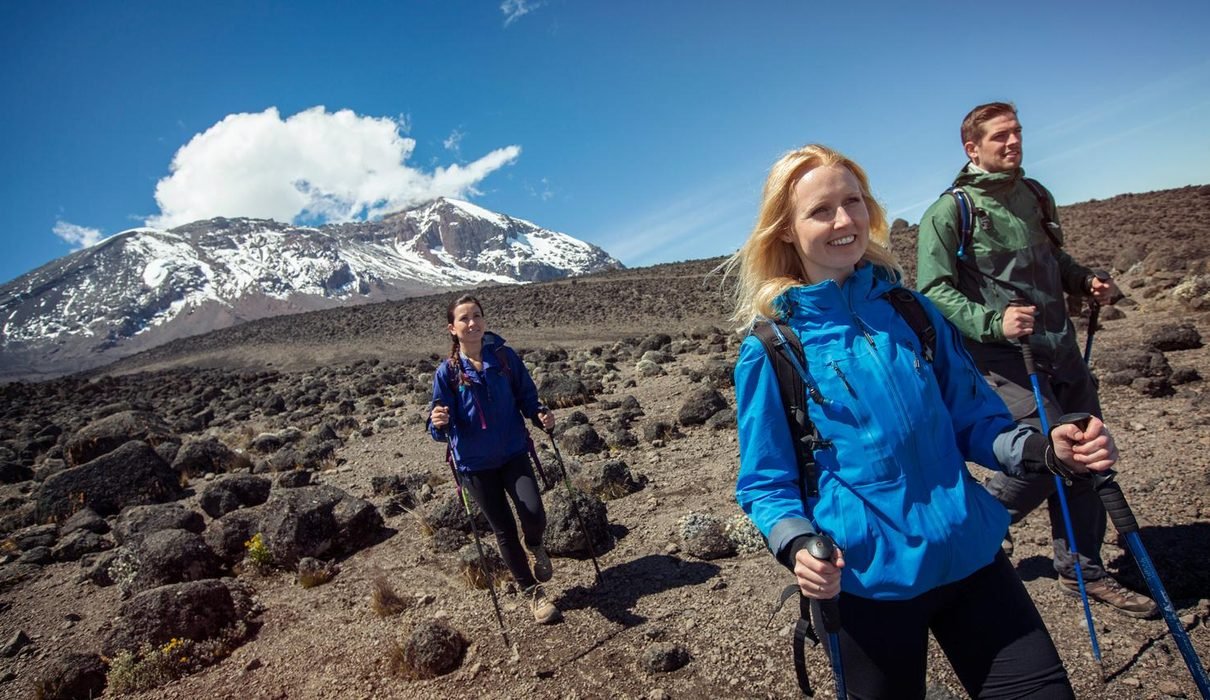
Tanzania is one of the few destinations in Africa where travelers can climb the continent’s highest mountain and enjoy a wildlife safari in one holiday. Mount Kilimanjaro rises 5,895 metres above sea level, while Serengeti National Park is famous for its extensive grasslands, large populations of wildlife, and the annual Great Wildebeest Migration. Combining these two destinations allows visitors to experience two very different sides of Tanzania, from the cold mountain environment to the open plains of the Serengeti.
Choosing the best time to climb Kilimanjaro and visit Serengeti in 2027, 2028, or 2029 depends on several factors. These include mountain weather, rainfall, wildlife movements, travel costs, and the type of safari experience you want. Some months offer relatively dry conditions on Kilimanjaro and excellent opportunities to see large wildebeest herds in Serengeti. Other periods are better suited to travelers looking for fewer visitors, greener landscapes, and more flexible travel arrangements.
For most travelers, January and February are excellent months for combining a Kilimanjaro climb with the southern Serengeti migration season. July, August, and September are also popular because they generally provide favorable mountain trekking conditions and opportunities to observe the migration in the northern Serengeti. However, wildlife movements depend on rainfall and grazing conditions, so no specific migration event or river crossing can be guaranteed.
At Eddy Tours & Safaris, we organize guided Kilimanjaro climbing expeditions and Tanzania wildlife safaris for travelers visiting in 2027, 2028, and 2029. This guide explains the best months to combine both experiences, what to expect during different seasons, which climbing routes to consider, and how to plan a suitable itinerary.
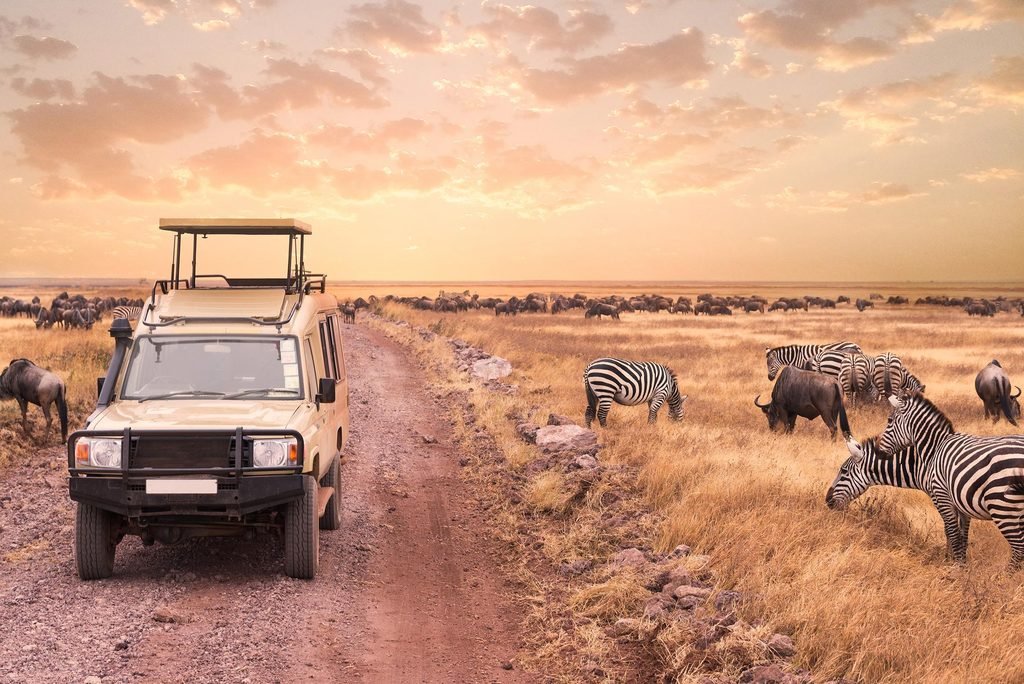
Best Months to Combine Kilimanjaro and Serengeti
The best overall travel periods are generally January to February and July to September. During these months, Kilimanjaro often experiences relatively dry conditions, while different areas of Serengeti offer rewarding wildlife viewing. January and February are particularly attractive for travelers interested in the wildebeest calving season in the southern ecosystem. July to September is popular for travelers hoping to see migration herds in northern Serengeti, including possible Mara River crossings.
Travelers visiting in June or October can also enjoy excellent combinations, although the exact wildlife experience depends on the location of the migration. June often brings movement through the western and central Serengeti, while October can be a transitional period as some herds begin moving southward. These patterns are not fixed, and the best safari location should be selected using recent wildlife information rather than the calendar alone.
Kilimanjaro and Serengeti Month-by-Month Travel Guide
| Month | Kilimanjaro conditions | Serengeti wildlife experience | Overall recommendation |
|---|---|---|---|
| January | Generally dry and suitable for trekking | Southern migration herds and early calving activity | Excellent |
| February | Often favorable climbing weather | Main calving season in the southern ecosystem | Excellent |
| March | Conditions become wetter as the month progresses | Southern and central Serengeti wildlife | Good early in the month |
| April | Long rains; muddy mountain trails | Green landscapes and fewer safari vehicles | Less suitable for climbing |
| May | Wet conditions may continue | Migration movement toward central and western areas | Better for flexible safari travelers |
| June | Generally improving mountain conditions | Migration herds often move through western areas | Very good |
| July | Main dry season | Northern and western migration movements | Excellent |
| August | Generally dry and popular for climbing | Northern Serengeti and possible river crossings | Excellent |
| September | Generally favorable trekking conditions | Northern Serengeti migration viewing | Excellent |
| October | Often good early in the month; increasing rain risk | Herds may remain in the north or begin moving south | Very good |
| November | Short rains can affect trekking | Migration movements vary with rainfall | Variable |
| December | Conditions may improve toward the end of the month | Herds often move toward southern grazing areas | Good with flexible plans |
This table describes typical seasonal patterns rather than confirmed forecasts for 2027, 2028, or 2029. Actual mountain conditions and migration movements will vary from year to year.
January and February: Best for Kilimanjaro and Wildebeest Calving
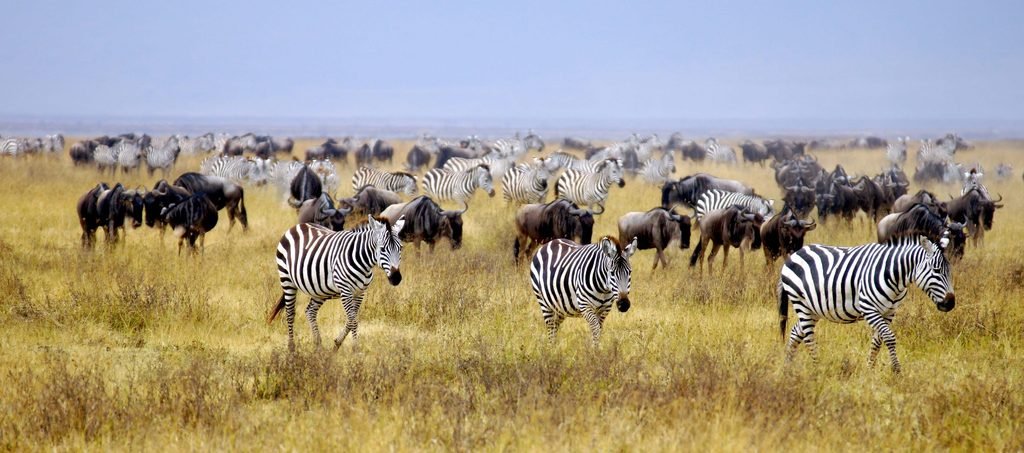
January and February are among the most attractive months for travelers who want to combine a Kilimanjaro expedition with a Serengeti safari. Kilimanjaro often experiences relatively dry weather during this period, with clearer mornings and more comfortable trekking conditions than during the main rainy season. Although temperatures remain extremely cold near the summit, the lower mountain trails are generally more manageable than during the wettest months.
The southern Serengeti ecosystem is particularly interesting during this period because large numbers of wildebeest gather on the nutrient-rich short-grass plains. The Ndutu area, which extends across the southern Serengeti and Ngorongoro Conservation Area, is closely associated with the migration calving season. Many wildebeest calves are born during a relatively short period, attracting predators such as lions, cheetahs, and hyenas.
For wildlife photographers, this season offers opportunities to observe large herds, newborn animals, and predator activity. However, sightings depend on the movement of the herds and local conditions. Travelers should allow sufficient safari time rather than expecting to see every major wildlife event during a single game drive.
A suitable combination could include an eight-day Lemosho climb followed by a four- or five-day safari visiting Tarangire, Ngorongoro Crater, and the southern Serengeti. Travelers with additional time may prefer to spend more nights near Ndutu to increase their opportunities for observing the migration.
March to May: The Rainy Season in Northern Tanzania
March marks the transition toward the long rainy season in northern Tanzania. Early March can still provide reasonable conditions for Kilimanjaro climbing, but rainfall generally becomes more frequent as the month progresses. April and May are commonly the wettest months, particularly on Kilimanjaro’s lower slopes, where trails can become muddy and slippery.
Climbing during the rainy season is possible under suitable conditions, but it requires careful preparation and appropriate waterproof equipment. Cloud cover, rain, and wet camping conditions can make the experience less comfortable. For most first-time climbers, the drier months are generally preferable, especially when combining the mountain with a safari.
In Serengeti, rainfall creates greener landscapes and supports fresh grass growth. Wildlife remains present throughout the year, and some travelers enjoy the quieter atmosphere and opportunities for landscape photography. However, certain roads may become difficult to use after heavy rain, and migration movements can be harder to predict.
Travelers considering April or May should be flexible about their safari plans and discuss the practical limitations of wet-season travel before booking. These months can be rewarding for visitors who understand the conditions, but they are not usually the first recommendation for a combined Kilimanjaro and Serengeti holiday.
June: A Good Month for Climbing and Western Serengeti Migration
June is an attractive month for travelers who want to avoid some of the busiest periods while still enjoying generally improving weather conditions. The long rains usually begin to ease, and Kilimanjaro’s trekking trails become more suitable as the landscape gradually dries. Some lower sections may remain muddy, especially earlier in the month, but conditions are often better than during April and May.
In Serengeti, migration herds may be moving through the central and western parts of the ecosystem. The Western Corridor and areas associated with the Grumeti River can be particularly interesting, although the timing of herd movements varies. River crossings may occur in this part of the ecosystem, but they are unpredictable and should not be promised as part of a safari package.
June can work well for travelers planning a longer Kilimanjaro climb followed by a Serengeti safari. It is also a useful period for visitors who prefer somewhat quieter travel before the busiest July and August holiday season.
July to September: Best for Kilimanjaro and Northern Serengeti Migration
July, August, and September are among the most popular months for combining Kilimanjaro climbing with a Serengeti safari. These months generally fall within northern Tanzania’s main dry season, when mountain trails are often firmer and the weather is more favorable for trekking. Clear conditions can provide impressive views of Kilimanjaro, although the summit remains extremely cold and strong winds are possible throughout the year.
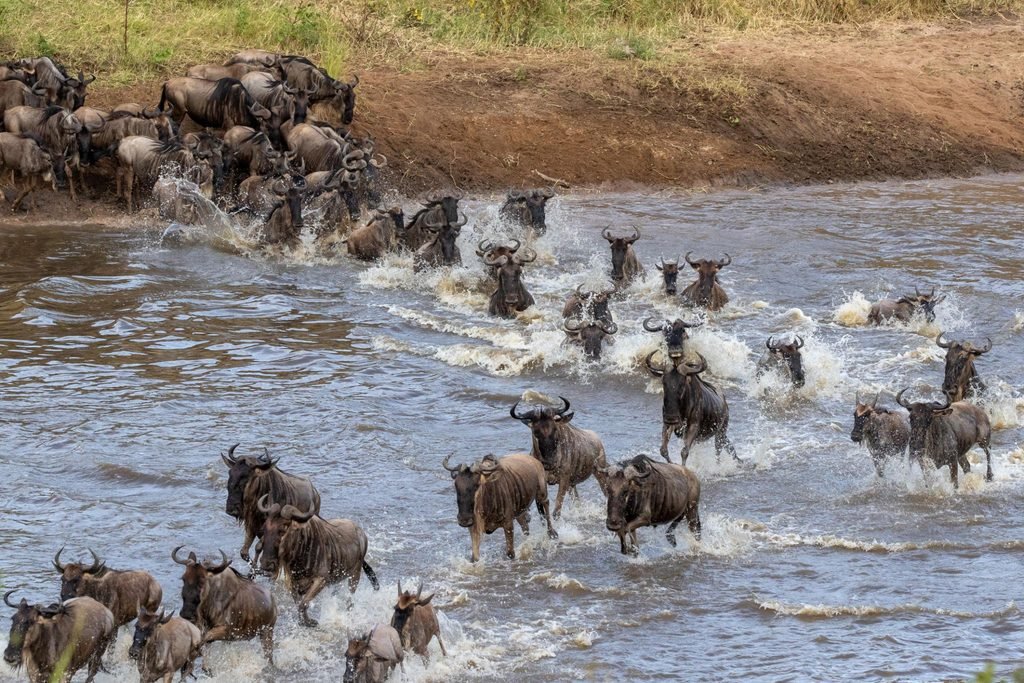
During this period, migration herds are commonly found in the northern Serengeti and the wider Mara ecosystem. The Mara River is particularly well known because wildebeest and zebra sometimes cross its waters while moving between grazing areas. These crossings attract considerable interest from wildlife photographers and safari visitors, but their timing cannot be predicted precisely.
Some travelers spend several days in the northern Serengeti hoping to observe a crossing. Others prefer a broader safari that combines northern Serengeti with central Serengeti, Ngorongoro Crater, and Tarangire. Both approaches can provide rewarding wildlife experiences, but the best choice depends on your available time and interests.
Because July and August are busy travel months, early planning is particularly useful. Popular safari camps, lodges, and mountain departure arrangements may have limited availability, so travelers planning for 2027, 2028, or 2029 should discuss their preferred dates well in advance.
October to December: Changing Weather and Migration Movements
October can be a good month for a combined Kilimanjaro and Serengeti holiday, particularly during its earlier weeks. Kilimanjaro may still experience relatively dry conditions, although the risk of rainfall generally increases as the short rainy season approaches. Travelers should prepare for changing weather rather than assuming that the dry-season conditions of August and September will continue throughout October.
In Serengeti, migration movements become more variable during this period. Some herds may remain in northern areas, while others begin moving toward central and southern grazing grounds as rainfall patterns change. November often brings seasonal showers that encourage fresh grass growth, and December may see increasing movement toward the southern ecosystem.
These months can appeal to travelers who prefer flexibility and are interested in the changing landscapes of northern Tanzania. However, anyone hoping to observe a specific migration event should understand that wildlife movements are influenced by rainfall and cannot be guaranteed months in advance.
Which Kilimanjaro Route Is Best for a Combined Safari Holiday?
Choosing the right Kilimanjaro route is important because the climb usually takes between five and nine days, depending on the itinerary. Travelers planning to visit Serengeti afterward should consider their overall holiday duration and allow sufficient time for acclimatization rather than selecting a short route simply to create more safari days.
8-Day Lemosho Route
The eight-day Lemosho Route is one of the strongest options for travelers who want a longer climbing schedule with varied scenery. The route begins on Kilimanjaro’s western slopes and passes through rainforest, the Shira Plateau, Barranco Valley, and the southern circuit before reaching the summit. Its extended itinerary provides more time for acclimatization than shorter alternatives.
Lemosho is particularly suitable for travelers who can dedicate approximately two weeks or more to their combined Kilimanjaro and Serengeti holiday. After completing the climb, visitors can rest in Moshi before beginning a wildlife safari.
7-Day Machame Route
The seven-day Machame Route is another popular option for physically prepared climbers. It passes through several of Kilimanjaro’s best-known landscapes, including Lava Tower and Barranco Wall, and includes an overnight stay at Karanga Camp before continuing to Barafu.
The seven-day itinerary generally provides better acclimatization opportunities than the six-day version. It can be a practical choice for travelers who want to combine a full mountain expedition with several days in Serengeti without extending their holiday too much.
9-Day Northern Circuit
The Northern Circuit is particularly attractive for travelers who want to spend more time on Kilimanjaro. It follows a longer route around the northern slopes and offers opportunities to experience quieter mountain areas. The nine-day schedule provides additional time for acclimatization, although it still requires good physical preparation.
This route is best suited to travelers who have enough time for a longer Tanzania holiday. A nine-day climb followed by a five-day Serengeti safari can provide a rewarding combination of mountain trekking and wildlife viewing.
7- or 8-Day Rongai Route
The Rongai Route approaches Kilimanjaro from the north, near the Tanzania–Kenya border. It provides a different mountain experience, with relatively open landscapes and views toward Mawenzi Peak. Longer Rongai itineraries may include additional acclimatization time, making them preferable to compressed schedules.
Rongai can be considered by travelers interested in a northern approach or those comparing several routes before deciding which Kilimanjaro expedition best suits their experience.
Should You Climb Kilimanjaro Before or After Serengeti?
For many travelers, climbing Kilimanjaro before visiting Serengeti is the more practical arrangement. The mountain expedition requires considerable physical effort, and completing it first allows you to enjoy the wildlife safari afterward at a more relaxed pace. After several days of hiking, spending time in a safari vehicle and staying at a comfortable lodge or camp can provide a welcome change.
A safari after Kilimanjaro also gives travelers an opportunity to recover from the physical demands of the climb. However, it is important to allow adequate rest if you experience significant fatigue, injury, or altitude-related symptoms. A safari should not be treated as a substitute for medical attention or necessary recovery.
Some travelers prefer to visit Serengeti first, particularly when their main priority is a specific migration period. This can also work well, provided they allow enough time to return to Moshi, prepare their equipment, and rest before starting the climb.
The best sequence depends on your international flights, preferred wildlife experience, available holiday days, and physical condition.
Recommended 14-Day Kilimanjaro and Serengeti Safari Itinerary
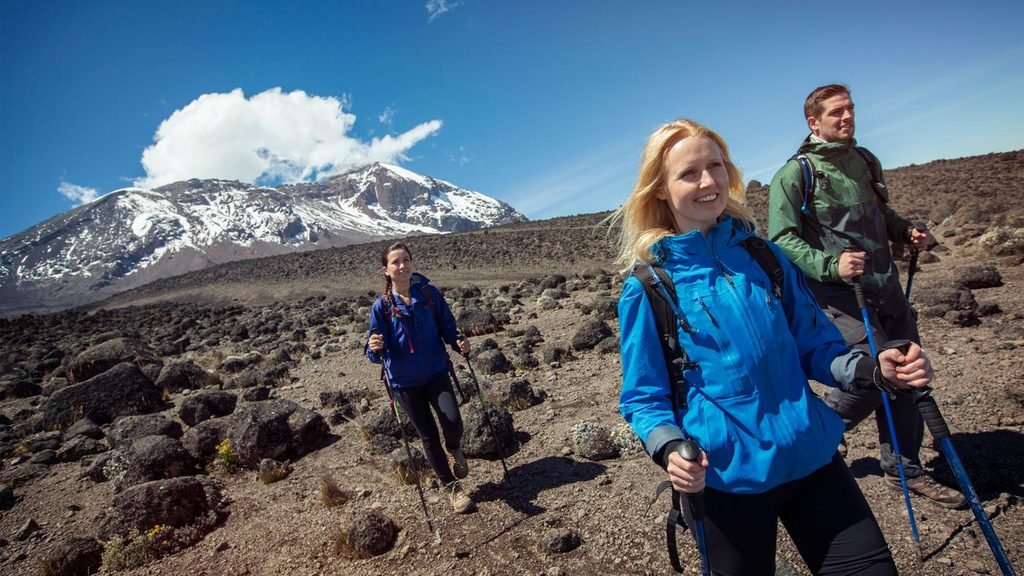
A two-week holiday can provide enough time for a seven- or eight-day Kilimanjaro climb and a short northern Tanzania safari. The following example uses the seven-day Machame Route and includes time for wildlife viewing in Tarangire, Serengeti, and Ngorongoro Crater.
| Day | Activity |
|---|---|
| 1 | Arrival at Kilimanjaro International Airport and transfer to Moshi |
| 2 | Machame Gate to Machame Camp |
| 3 | Machame Camp to Shira Camp |
| 4 | Shira Camp to Lava Tower and Barranco Camp |
| 5 | Barranco Camp to Karanga Camp |
| 6 | Karanga Camp to Barafu Camp |
| 7 | Summit attempt via Stella Point and Uhuru Peak; descend to Mweka Camp |
| 8 | Mweka Camp to Mweka Gate; return to Moshi |
| 9 | Rest and recovery in Moshi |
| 10 | Tarangire National Park safari |
| 11 | Travel to Serengeti National Park with game viewing |
| 12 | Full-day Serengeti safari |
| 13 | Travel toward Ngorongoro Conservation Area |
| 14 | Ngorongoro Crater safari and onward transfer, subject to flight timing |
This itinerary can be adjusted according to the season and migration location. Travelers visiting in January or February may prefer more time around Ndutu, while those traveling between July and September may need additional nights in northern Serengeti. A longer safari is recommended when visiting remote migration areas because travel distances can be substantial.
How Many Days Do You Need for Kilimanjaro and Serengeti?
For most travelers, a combined Kilimanjaro and Serengeti holiday requires approximately 12 to 16 days, depending on the climbing route and safari itinerary. A seven-day Machame climb, one or two days for arrival and recovery, and a four- or five-day safari can fit comfortably within this general range. Travelers choosing the eight-day Lemosho or nine-day Northern Circuit should allow additional time.
It is important not to shorten the Kilimanjaro itinerary simply to fit more safari activities into a limited holiday. The mountain requires proper acclimatization, and a longer schedule may provide a more suitable experience. Travelers who have only ten or eleven days available should discuss their priorities with their tour operator before deciding how to divide their time.
A safari focused on the northern Serengeti migration may also require additional days because the area is far from Arusha and other northern Tanzania destinations. Spending more nights in the relevant wildlife area generally provides greater flexibility than trying to visit several distant locations in a short period.
What Wildlife Can You See in Serengeti?
Serengeti National Park is home to a wide range of wildlife throughout the year. Visitors may encounter lions, elephants, buffaloes, giraffes, zebras, wildebeest, gazelles, hyenas, and many bird species. Leopards and cheetahs are also present, although sightings depend on location, weather, animal movements, and the time spent on safari.
The Great Wildebeest Migration is one of the park’s best-known attractions, involving large numbers of wildebeest accompanied by zebras and other grazing animals. The herds move across the wider Serengeti–Mara ecosystem in response to rainfall and the availability of fresh grazing. Their movements follow broad seasonal patterns, but the exact location of the animals can change from year to year.
Travelers should also remember that Serengeti offers excellent wildlife viewing beyond the migration. Resident predators, elephants, giraffes, and other animals can be seen in different parts of the park throughout the year. A well-planned safari can therefore be rewarding even when the main migration herds are elsewhere.
What to Pack for Kilimanjaro and Serengeti
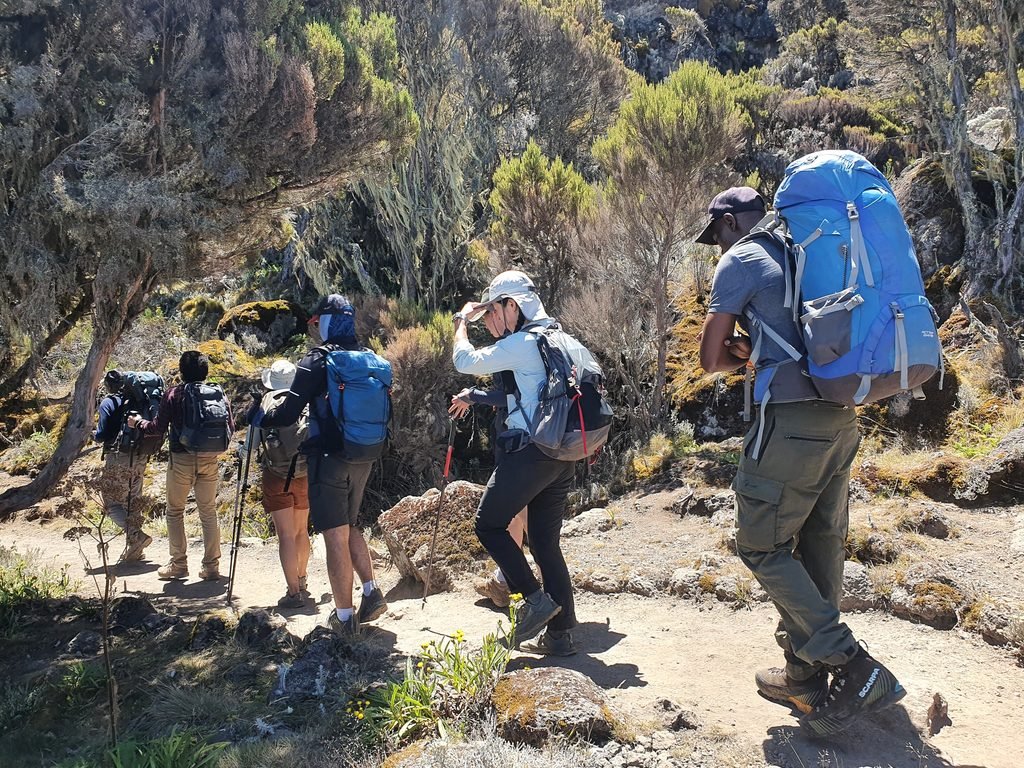
Packing for a combined Kilimanjaro and Serengeti holiday requires some planning because the two destinations have different conditions. Kilimanjaro requires clothing suitable for cold mountain camps, strong winds, rain, and freezing summit temperatures. Serengeti safaris generally involve warmer daytime conditions, although mornings and evenings can be cool, particularly during the dry season.
For Kilimanjaro, essential equipment includes comfortable hiking boots, thermal clothing, waterproof outer layers, an insulated jacket, gloves, a suitable sleeping bag, trekking poles, and a headlamp. Climbers should test their equipment before departure and request a detailed packing list from their mountain operator.
For Serengeti, comfortable lightweight clothing, a sun hat, sunglasses, sunscreen, binoculars, and a camera are useful. Neutral-colored clothing is often practical for safari activities, while a warm layer can be helpful during early morning game drives. Travelers should also carry any necessary personal medication and ensure that their travel insurance covers the activities included in their itinerary.
How Much Does a Kilimanjaro and Serengeti Holiday Cost?
The cost of a combined Kilimanjaro and Serengeti holiday depends on the climbing route, number of trekking days, safari duration, accommodation standard, group size, and travel season. A longer Kilimanjaro itinerary generally costs more because it requires additional park fees, mountain crew services, food, and equipment arrangements. Similarly, a safari involving several nights in Serengeti may cost more than a shorter itinerary focused on parks closer to Arusha.
Accommodation choices also affect the total price. Travelers may choose budget camping, mid-range lodges, or luxury safari camps, depending on their preferences and available budget. Private safaris generally offer more flexibility, while shared arrangements may reduce some costs when suitable departures are available.
For 2027, 2028, and 2029, it is important to request an updated quotation rather than relying on old prices published online. Park fees, accommodation rates, transport costs, and other expenses may change. Eddy Tours & Safaris can prepare a quotation based on your preferred route, safari destinations, number of travelers, and travel dates.
Frequently Asked Questions About Kilimanjaro and Serengeti
1. What is the best month to climb Kilimanjaro and visit Serengeti?
January, February, July, August, and September are among the strongest months to consider for a combined trip.
2. Is January a good month for Kilimanjaro and Serengeti?
Yes. Kilimanjaro often experiences relatively dry conditions, while the southern Serengeti ecosystem is associated with migration herds and calving activity.
3. Is February good for the wildebeest migration?
February is commonly associated with the main wildebeest calving season in the southern Serengeti and Ndutu area.
4. Can I climb Kilimanjaro in March?
Yes. Early March can provide reasonable conditions, but rainfall generally becomes more frequent as the long rainy season approaches.
5. Is April a good month for Kilimanjaro?
April is generally less favorable because of heavy rainfall and muddy trails.
6. Can I visit Serengeti during the rainy season?
Yes. Wildlife viewing continues throughout the year, although road conditions and animal movements may vary.
7. Is June a good month for a combined holiday?
Yes. Kilimanjaro conditions generally improve, and migration herds may be moving through central and western Serengeti.
8. Is July a good time for Kilimanjaro?
Yes. July generally falls within the main dry season and is a popular month for climbing.
9. When can I see Mara River crossings?
River crossings are commonly associated with the northern migration season, particularly July to October, but their exact timing is unpredictable.
10. Are river crossings guaranteed in August?
No. Wildebeest crossings are natural events and cannot be guaranteed on a particular day.
11. Is September a good month for Serengeti?
Yes. September can provide excellent wildlife viewing, particularly in the northern Serengeti.
12. Can I climb Kilimanjaro in October?
Yes. Early October can be favorable, although rainfall becomes more likely as the month progresses.
13. Is November suitable for a combined trip?
It is possible, but weather and migration movements can be less predictable.
14. Can I visit Serengeti in December?
Yes. December can be rewarding as migration herds often move toward southern grazing areas.
15. Which Kilimanjaro route is best for beginners?
Eight-day Lemosho and nine-day Northern Circuit are strong options because they provide additional acclimatization time.
16. Is seven-day Machame suitable for a safari combination?
Yes. It can fit well into a two-week holiday when combined with several days of safari.
17. Should I climb Kilimanjaro before Serengeti?
For many travelers, climbing first and enjoying the safari afterward is a practical arrangement.
18. How many days should I spend in Serengeti?
Three to five days is a useful starting point, although longer stays are beneficial when visiting distant migration areas.
19. How many days do I need for both destinations?
Approximately 12 to 16 days is suitable for many combined itineraries.
20. Can I combine Kilimanjaro, Serengeti, and Zanzibar?
Yes. Travelers with additional time can finish their Tanzania holiday with a beach stay in Zanzibar.
21. Is Serengeti worth visiting outside migration season?
Yes. Serengeti has resident wildlife throughout the year, including predators, elephants, giraffes, and many other animals.
22. Can I book a combined holiday for 2027?
Yes. You can request a quotation and discuss suitable dates, subject to confirmation.
23. Can I plan a Kilimanjaro and Serengeti trip for 2028?
Yes. Early planning can help you compare routes, safari destinations, and accommodation options.
24. Can I book for 2029?
You can enquire about future travel arrangements, although prices and availability must be confirmed.
25. How do I choose the best itinerary?
Consider your available time, preferred Kilimanjaro route, fitness, safari interests, budget, and the seasonal location of the migration.
Book Your Kilimanjaro and Serengeti Holiday for 2027, 2028 or 2029
The best time to climb Kilimanjaro and visit Serengeti depends on the experience you want. January and February are particularly attractive for travelers interested in the southern Serengeti calving season, while July to September is popular for those hoping to see the migration in northern Serengeti. June and October can also provide rewarding combinations, depending on weather conditions and wildlife movements.
When planning your holiday, give yourself enough time for the mountain expedition and avoid choosing an unnecessarily short climbing route. Kilimanjaro requires careful preparation and appropriate acclimatization, while Serengeti rewards travelers who allow sufficient time for game drives and travel between wildlife areas.
Eddy Tours & Safaris is a local tour company based in Arusha, Tanzania, organizing guided Kilimanjaro climbing expeditions, Serengeti wildlife safaris, and customized Tanzania holidays. Our team can help you compare travel seasons, select a suitable mountain route, and plan a safari according to your interests.
For a personalized Kilimanjaro and Serengeti holiday in 2027, 2028, or 2029, contact us with your preferred dates, number of travelers, and desired accommodation standard.
Contact: Eddy Tours & Safaris
WhatsApp: +255 711 906 664
Email: sales@eddytours-safaris.com