
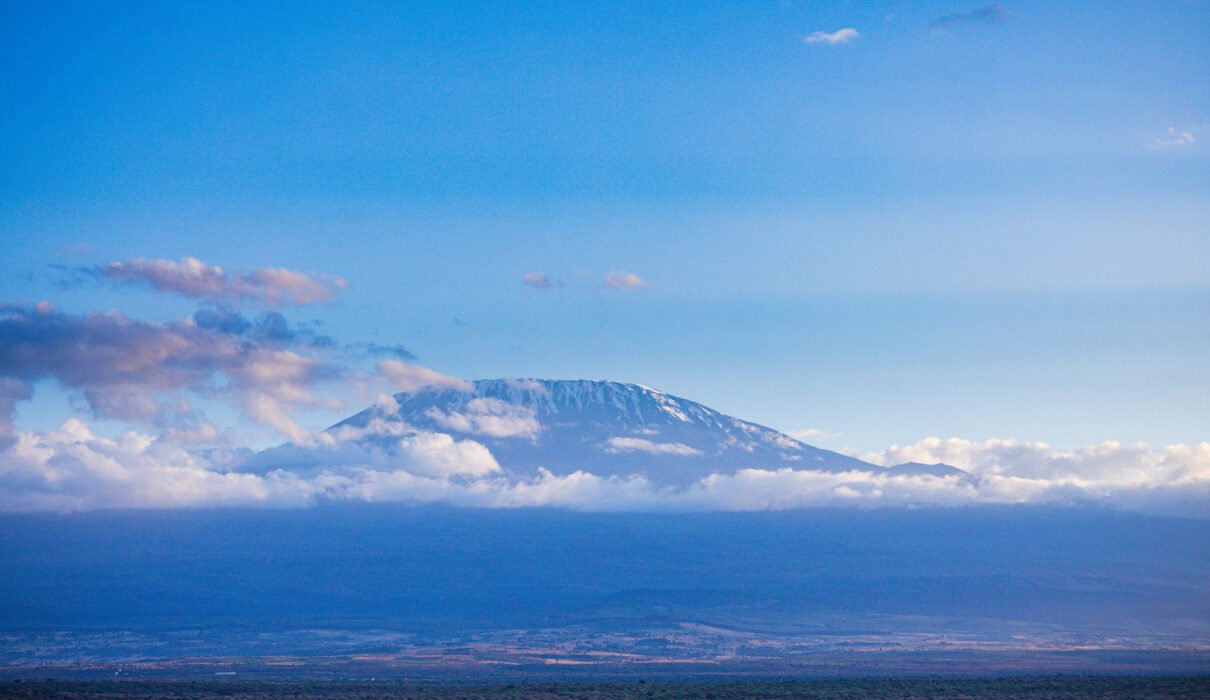
Top 10 Highest Mountains in Africa stand as powerful natural landmarks that define the continent’s beauty, adventure, and ecological richness. From snow-capped volcanic summits to rugged alpine ridges, these towering giants attract climbers, scientists, photographers, and nature lovers from around the world. Africa’s highest peaks are not only breathtaking in height but also remarkable in biodiversity, cultural importance, and geological history. In this comprehensive guide, you will discover where these mountains are located, what makes them unique, and why they remain among the most extraordinary natural wonders on Earth.
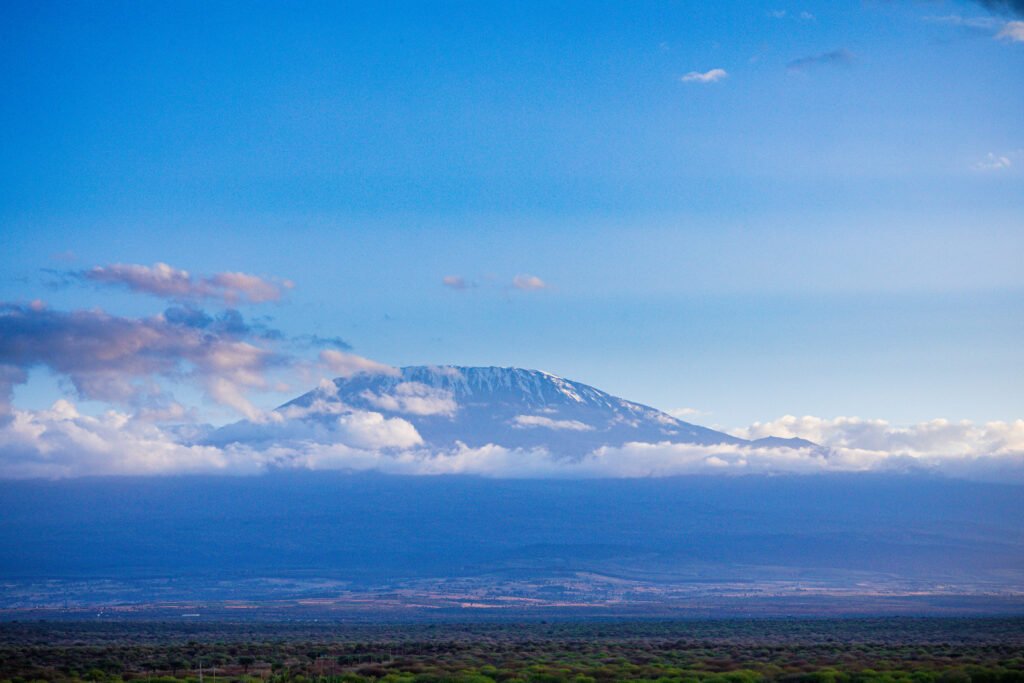
Why the Top 10 Highest Mountains in Africa Matter Globally
The tallest mountains in Africa are far more than impressive elevations on a map. They play a crucial role in climate regulation, water supply, biodiversity preservation, and local economies. Mountains like Mount Kilimanjaro provide freshwater to millions of people living in surrounding regions. These peaks also support unique ecosystems that exist nowhere else on the planet.
According to research from National Geographic, African mountain ecosystems are biodiversity hotspots. Organizations such as IUCN and World Wildlife Fund emphasize that protecting these high-altitude environments is essential for global conservation. Scientific data from NASA Climate also shows how glaciers on African peaks are indicators of global climate patterns.
Climbing tourism around these mountains supports conservation and local livelihoods. Responsible travel companies like Eddy Tours & Safaris promote sustainable adventures that benefit both travelers and communities.
The Complete List of the Top 10 Highest Mountains in Africa
Below is a detailed look at the Top 10 Highest Mountains in Africa, ranked by elevation. Each mountain has distinct geological features, ecosystems, and cultural importance.
1. Mount Kilimanjaro – Tanzania
Mount Kilimanjaro rises to 5,895 meters and remains Africa’s tallest mountain. This free-standing volcanic massif consists of three cones: Kibo, Mawenzi, and Shira. Kilimanjaro’s glaciers, alpine deserts, and rainforest slopes create diverse ecological zones studied by institutions like Encyclopaedia Britannica.
Thousands attempt to summit annually, often guided by experienced operators such as Eddy Tours & Safaris. Climbers also prepare through expert resources like Kilimanjaro Climb Specialist.
2. Mount Kenya – Kenya
At 5,199 meters, Mount Kenya is Africa’s second-highest peak. This extinct stratovolcano features sharp peaks like Batian and Nelion. It is protected within Mount Kenya National Park, recognized by UNESCO World Heritage Centre for its ecological value.
3. Mount Stanley – Uganda & DRC
Mount Stanley in the Rwenzori Mountains reaches 5,109 meters. Its highest point, Margherita Peak, holds glaciers fed by equatorial moisture. Studies from UNEP highlight the fragile ice caps here.
4. Mount Speke – Uganda
Standing at 4,890 meters, Mount Speke lies within the Rwenzori range. The region’s biodiversity has been documented by Conservation International.
5. Mount Baker – Uganda
Mount Baker rises to 4,844 meters and features dramatic glacial valleys and steep ridges.
6. Mount Emin – DRC
Mount Emin stands at 4,798 meters and forms part of the Rwenzori chain.
7. Mount Gessi – Uganda & DRC
Mount Gessi reaches 4,715 meters and is known for its rugged terrain and tropical alpine vegetation.
8. Mount Meru – Tanzania
Mount Meru rises to 4,566 meters within Arusha National Park. It is often used as an acclimatization climb before Kilimanjaro.
9. Ras Dashen – Ethiopia
Ras Dashen, at 4,550 meters, is the highest point in Ethiopia’s Simien Mountains. The landscape here has been studied by Nature Journal.
10. Mount Karisimbi – Rwanda & DRC
Mount Karisimbi stands at 4,507 meters within the Virunga range, a region supported by Dian Fossey Gorilla Fund for conservation efforts.
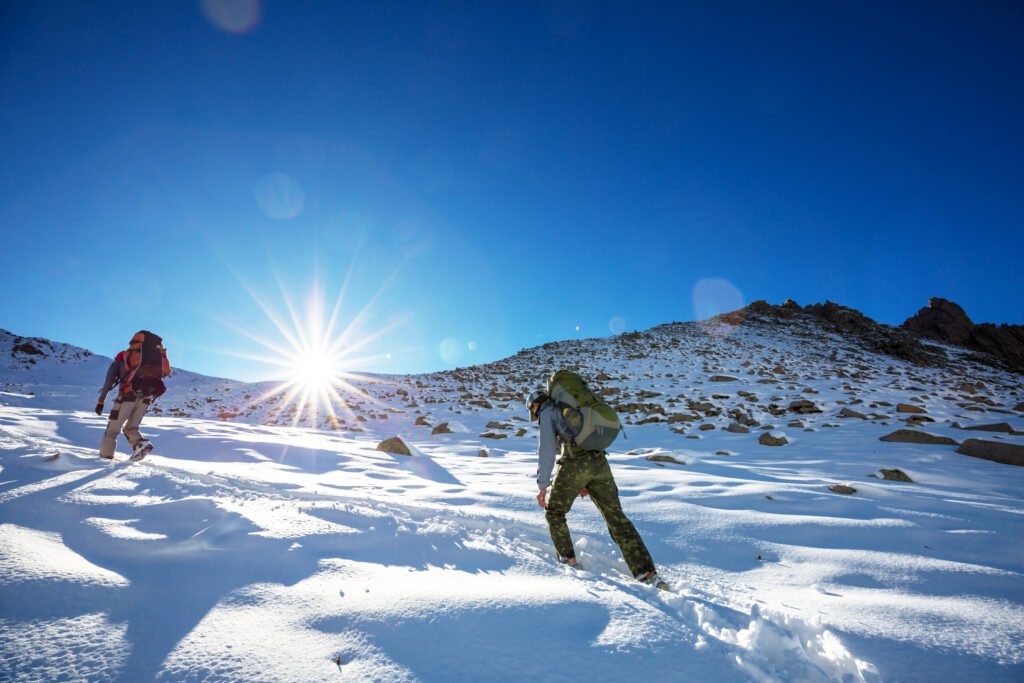
Wildlife and Ecosystems Around Africa’s Tallest Mountains
The Top 10 Highest Mountains in Africa support extraordinary ecosystems ranging from tropical forests to alpine tundra. Research from Smithsonian Magazine and BirdLife International highlights endemic bird species and rare mammals thriving in these regions.
High-altitude forests store carbon and regulate rainfall patterns. Studies by FAO confirm that mountain forests are critical water towers for surrounding populations. Sustainable tourism operators like Eddy Tours & Safaris help protect these landscapes while offering authentic safari and trekking experiences.
Climbing the Top 10 Highest Mountains in Africa
Climbing these mountains requires preparation, fitness, and expert guidance. Information from Alpine Club and American Alpine Club emphasizes safety and acclimatization. Weather patterns are monitored by NOAA, helping climbers plan safer ascents.
Travelers often combine mountain trekking with wildlife safaris through trusted agencies like Eddy Tours & Safaris, creating unforgettable African adventures.
Conservation Challenges Facing Africa’s Highest Peaks
Climate change threatens glaciers and biodiversity across the Top 10 Highest Mountains in Africa. Reports from IPCC and NASA Earth Observatory show glacier retreat across equatorial Africa.
Conservation groups such as African Wildlife Foundation and RSPB work to protect fragile ecosystems while supporting local communities.
Frequently Asked Questions About the Top 10 Highest Mountains in Africa
1. Which is the tallest mountain in Africa?
Mount Kilimanjaro is the tallest, standing at 5,895 meters above sea level.
2. Are there glaciers in Africa?
Yes, glaciers exist on peaks like Kilimanjaro and Mount Stanley, though they are shrinking due to climate change.
3. Is Mount Kenya harder to climb than Kilimanjaro?
Mount Kenya’s main peaks require technical climbing skills, while Kilimanjaro can be climbed without advanced mountaineering techniques.
4. What wildlife lives on these mountains?
Species include colobus monkeys, mountain gorillas, endemic birds, and rare alpine plants.
5. When is the best time to climb?
Dry seasons offer clearer trails and safer conditions, though weather varies by region.
6. How can tourism support conservation?
Responsible operators reinvest in local communities and environmental protection initiatives.
Conclusion: Discover the Power of the Top 10 Highest Mountains in Africa
The Top 10 Highest Mountains in Africa are more than geographic marvels. They represent resilience, biodiversity, adventure, and cultural heritage. From Kilimanjaro’s icy summit to the volcanic slopes of Karisimbi, each peak tells a powerful story of nature’s grandeur. Whether you seek scientific knowledge, trekking challenges, or life-changing travel experiences, Africa’s highest mountains promise inspiration that lasts a lifetime.