
Top 7 Natural Wonders of Africa is a journey through the most breathtaking and emotionally powerful landscapes on the continent, where wildlife, rivers, deserts, forests and mountains are protected not only for beauty, but for survival, culture and the future of millions of people who depend directly on healthy nature.
Africa is not simply a place of wide views and dramatic photographs. It is a living system of ecosystems, cultures and conservation work happening every single day. When travellers explore responsibly, they become part of this protection story, supporting wildlife science, community livelihoods and long-term environmental stability across the continent.
Top 7 Natural Wonders of Africa and why natural heritage matters
Top 7 Natural Wonders of Africa represent more than scenery. They are protected landscapes shaped by global conservation standards promoted by the International Union for Conservation of Nature and environmental coordination led by the United Nations Environment Programme. Long-term wildlife research by the Wildlife Conservation Society, regional habitat protection supported by the African Wildlife Foundation and ecosystem programmes managed by Conservation International ensure that these landscapes remain alive, productive and protected for future generations.
Across Africa, conservation science, local leadership and responsible tourism work together to keep fragile ecosystems healthy while creating opportunities for communities living next to protected areas.
Top 7 Natural Wonders of Africa – Serengeti ecosystem and the great wildlife movements
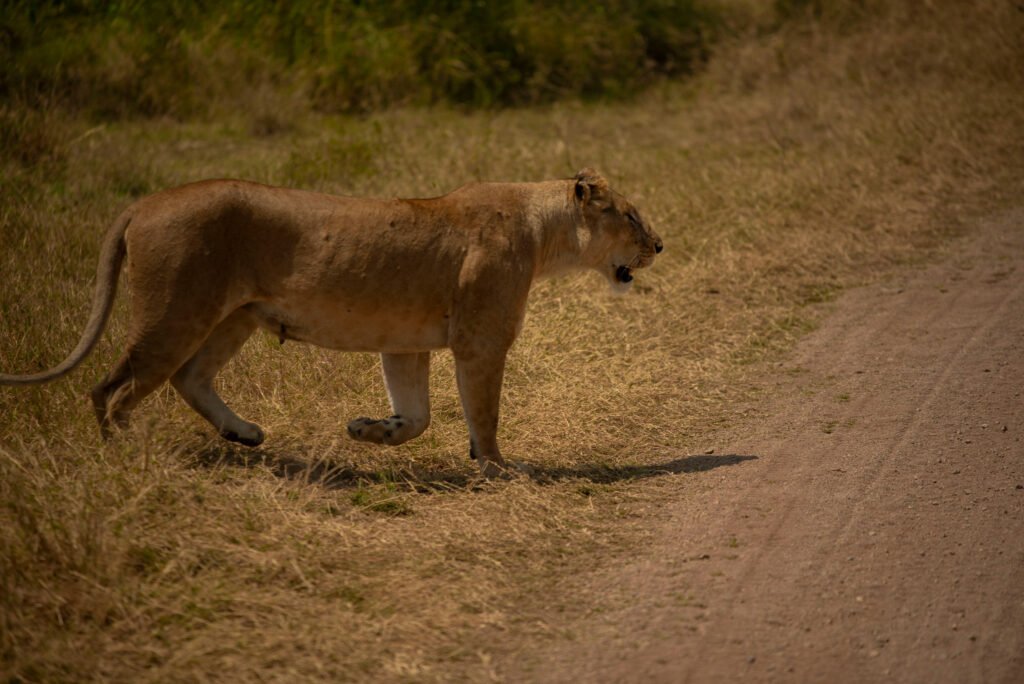
The Serengeti ecosystem stands among the most powerful symbols within the Top 7 Natural Wonders of Africa because of its wide open plains and extraordinary wildlife movements that still function naturally across international borders. Landscape connectivity studies coordinated by the Wildlife Conservation Society and regional corridor protection supported by the African Wildlife Foundation demonstrate how large herbivores and predators depend on uninterrupted movement routes to survive seasonal change and climate stress.
Biodiversity records maintained by the Global Biodiversity Information Facility and bird habitat research from BirdLife International confirm that this ecosystem protects thousands of species, many of which are rarely seen outside this region. Travellers who wish to experience this wonder responsibly often plan their journeys through Eddy Tours and Safaris, supporting conservation education and community partnerships surrounding the ecosystem.
Top 7 Natural Wonders of Africa – Victoria Falls and the power of living rivers
Victoria Falls remains one of the most dramatic water landscapes in the Top 7 Natural Wonders of Africa, shaped by the continuous force of the Zambezi River and protected by regional river basin conservation frameworks. Freshwater ecosystem protection promoted by UN Environment and water and food security initiatives coordinated by the Food and Agriculture Organization highlight how healthy rivers sustain wildlife, agriculture and local economies far beyond the waterfall itself.
Wetland and river corridor research published through ScienceDirect shows that intact river systems act as natural buffers against floods and drought, helping communities adapt to climate instability and protecting aquatic biodiversity.
Top 7 Natural Wonders of Africa – Mount Kilimanjaro and high-altitude ecosystems
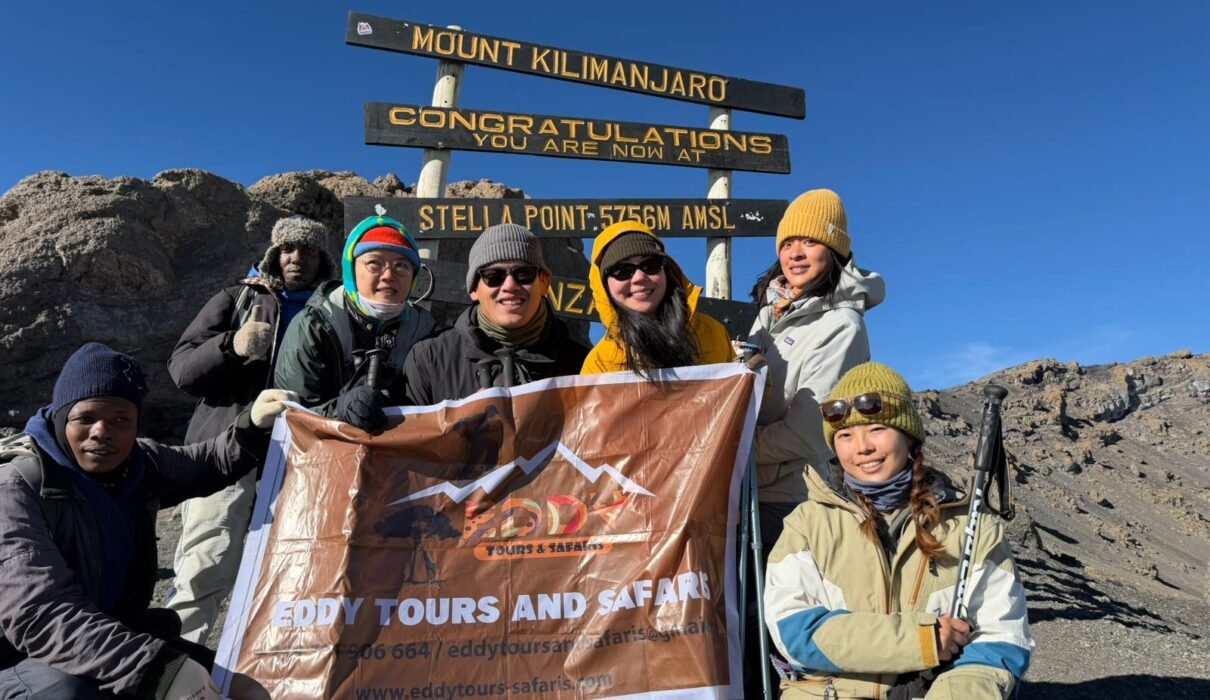
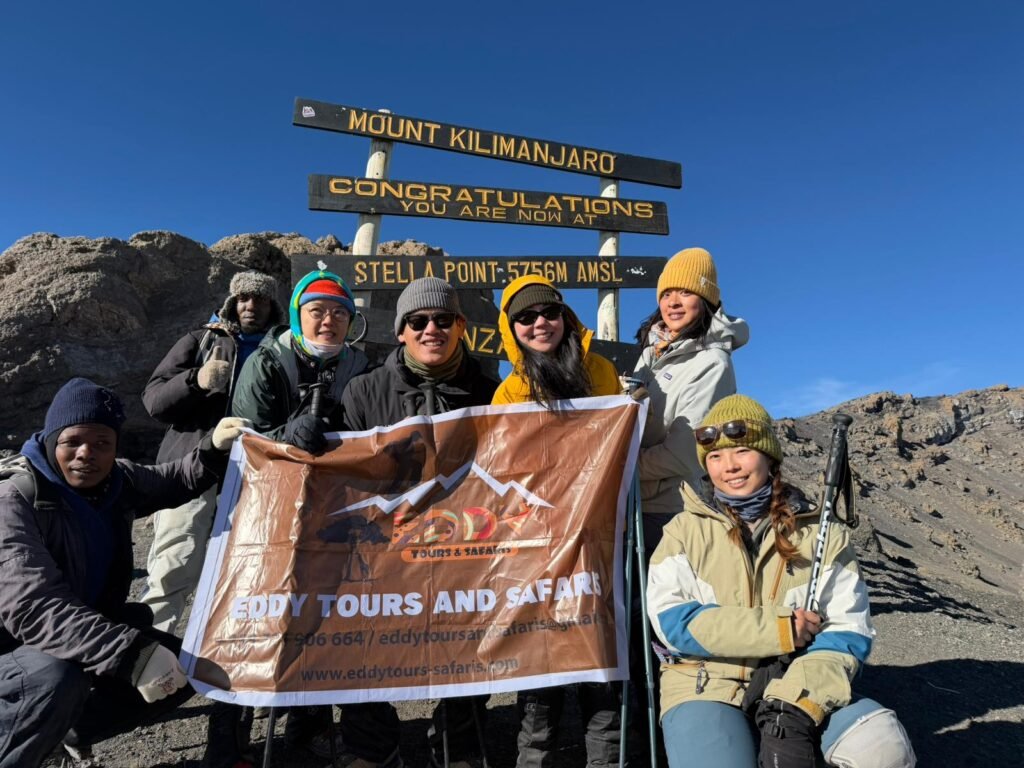
Mount Kilimanjaro stands as one of the most recognised landmarks within the Top 7 Natural Wonders of Africa, not only because of its height, but because of its rare combination of rainforest, alpine and high-altitude desert ecosystems. Climate impact assessments published by the Intergovernmental Panel on Climate Change confirm that high-mountain ecosystems are especially vulnerable to temperature change and shifting rainfall patterns.
Forest and watershed research conducted by the Center for International Forestry Research and ecosystem monitoring coordinated by the UN Environment Programme World Conservation Monitoring Centre help protect the mountain’s forests, which supply water to surrounding communities and wildlife habitats. Visitors planning mountain and safari experiences often combine Kilimanjaro journeys with wildlife programmes through custom safari and trekking itineraries in Tanzania.
Top 7 Natural Wonders of Africa – Okavango Delta and seasonal wetlands
The Okavango Delta is one of the most unique floodplain systems in the Top 7 Natural Wonders of Africa, transforming dry land into life-giving wetlands each year. Biodiversity risk assessments from the Intergovernmental Science-Policy Platform on Biodiversity and Ecosystem Services show that seasonal wetlands such as the Okavango support exceptional species richness and act as climate refuges during prolonged dry periods.
Protected area planning frameworks supported by the Convention on Biological Diversity guide how tourism, fishing and water use can be managed without damaging sensitive floodplain systems that sustain birds, mammals and aquatic life.
Top 7 Natural Wonders of Africa – Namib Desert and ancient coastal landscapes
The Namib Desert represents one of the oldest and most fragile desert ecosystems within the Top 7 Natural Wonders of Africa. Habitat restoration and dryland ecosystem protection promoted by The Nature Conservancy and large-scale biodiversity conservation initiatives coordinated by Conservation International highlight the importance of protecting desert biodiversity that has evolved over millions of years.
Research from the World Bank also shows that sustainable land management and carefully regulated tourism in arid regions can support local livelihoods while preventing irreversible land degradation.
Top 7 Natural Wonders of Africa – Nile River and the backbone of civilisation
The Nile River remains one of the most historically and ecologically important features in the Top 7 Natural Wonders of Africa, supporting wildlife corridors, agriculture and human settlement across multiple countries. Freshwater governance and river basin planning supported by UN Environment continue to guide cooperative water protection and ecosystem management along the river’s length.
Cultural heritage frameworks promoted by UNESCO also recognise how river landscapes connect biodiversity, human history and cultural identity across generations.
Top 7 Natural Wonders of Africa – Ngorongoro Crater and natural wildlife sanctuaries
Ngorongoro Crater stands as one of the most concentrated wildlife sanctuaries in the Top 7 Natural Wonders of Africa, where predators, grazers and birds coexist within a naturally enclosed ecosystem. Big cat conservation programmes coordinated by Panthera and bird habitat monitoring from BirdLife International continue to support scientific understanding of predator-prey balance and habitat quality inside this unique natural structure.
Visitors interested in exploring this ecosystem responsibly often organise their trips through professional safari planning services in Tanzania, helping support ranger operations and conservation education around the crater.
Top 7 Natural Wonders of Africa and community conservation success
Top 7 Natural Wonders of Africa cannot survive without the people who live beside them. Community development research published by the International Labour Organization and social development studies coordinated by the UN Department of Economic and Social Affairs demonstrate how conservation-linked employment strengthens social stability and reduces pressure on wildlife resources.
Ethical tourism models analysed by the Overseas Development Institute further show that long-term conservation success depends on local participation, transparent benefit sharing and respectful visitor behaviour.
Top 7 Natural Wonders of Africa and safe, responsible exploration
Responsible travel across the Top 7 Natural Wonders of Africa also depends on strong safety and health standards. Public health guidance from the World Health Organization supports safe travel practices in remote natural areas, while emergency preparedness frameworks promoted by the American Red Cross help strengthen outdoor safety and disaster response capacity.
Travellers seeking well-organised and conservation-friendly experiences often use responsible travel programmes in East Africa to combine wildlife, landscapes and cultural learning into one meaningful journey.
Top 7 Natural Wonders of Africa as a call to protect what still exists
Top 7 Natural Wonders of Africa remind us that natural beauty survives only through science, cooperation and responsible human behaviour. From mountain forests to floodplains, deserts and savannahs, these landscapes provide climate stability, food security, cultural identity and economic opportunity for millions of people.
In simple words, choosing to explore these natural wonders responsibly allows travellers to enjoy Africa’s most powerful landscapes while directly supporting conservation science, community livelihoods and the protection of ecosystems that the world cannot afford to lose.